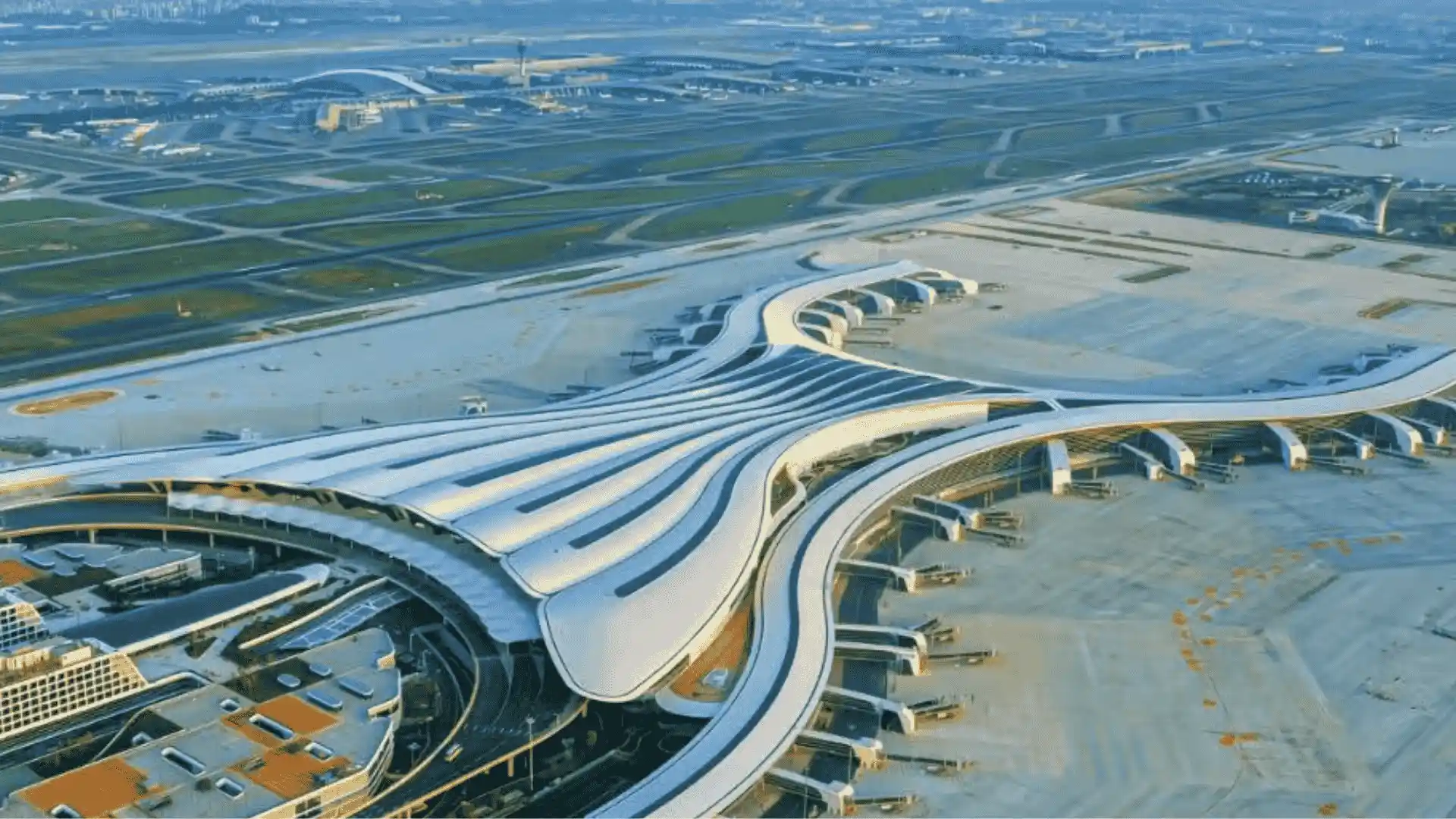
Situated in the sprawling western expanse of the city, just beyond the quiet aquatic buffers of the Xixi Wetlands, this haven of tech capital is anchored by the colossal, fortress-like expanse of the Alibaba Xixi Global Headquarters and the soaring, interconnected glass supertalls of the EFC (Euro America Financial City). Within a flawlessly designed, hyper-efficient morning, you can see economic and architectural marvels ranging from the autonomous delivery rovers navigating the wide, tree-lined corporate boulevards to the restored, historic granaries of Dream Town (Mengxiang Xiaozhen), now transformed into a massive, vanguard incubator for AI and blockchain startups. Stop for a flawlessly extracted, single-origin pour-over in a minimalist, concrete-clad roastery packed entirely with angel investors and UI designers, browse the high-concept experiential retail hubs that serve as live testing grounds for new consumer tech, and sample the district's legendary, 24-hour culinary scene—from flawless, late-night regional skewers fueling marathon coding sessions to refined, executive bistros suspended above the corporate parks. Saunter along the meticulously paved, heavily landscaped avenues of the China Artificial Intelligence Town to watch the city’s tech founders and international talent navigating the fast-paced, digital current. Take a break from the dense, high-decibel stimulation of the server farms with a breathtaking transition into the sleek, aerospace-inspired concourses of the newly minted Hangzhou West Railway Station, watching the high-speed rail network effortlessly connect this suburban Silicon Valley to the rest of the nation.
Don't Miss
- Understanding the scale of the Alibaba Xixi Campus. This is the undisputed beating heart of global e-commerce. While the inner sanctums are highly secured, walking the outer perimeter and visiting the public-facing visitor centers offers a profound, physical understanding of a company whose digital footprint dictates the logistics and consumption habits of a billion people.
- Exploring Dream Town (Mengxiang Xiaozhen). Located in the historic Cangqian sub-district, this incubator is an absolute masterclass in adaptive reuse. It brilliantly transformed a sprawling network of 800-year-old streetscapes and massive, mid-century grain depots into a buzzing, high-density ecosystem of tech startups, venture capital firms, and independent coffee roasters.
- Navigating the EFC (Euro America Financial City). To understand the sheer international ambition of Yuhang, you must look up. This massive, mixed-use complex of glass supertalls houses global tech executives, luxury serviced apartments, and premium retail, serving as the high-altitude, cosmopolitan anchor for a district built entirely on code.
How to Get There
Future Sci-Tech City is the absolute digital nervous system of Hangzhou’s westward expansion, flawlessly integrated into the Hangzhou Metro network to ensure the frictionless movement of its massive, highly educated workforce.
To plunge directly into this tech sanctuary, take the east-west artery of Line 5 to Chuangjing Road or Jiangcun, dropping you perfectly amidst the towering headquarters and the EFC. For the absolute fastest, most executive-level transit, the ultra-sleek Line 19 (The Airport Express) rockets from Xiaoshan International Airport, through the city center, directly into the massive transit hub of Hangzhou West Railway Station, ensuring a seamless, 45-minute transition from the runway straight to the boardroom.
Quick Facts
- Hangzhou's Future Sci-Tech City was officially approved by the central government as one of only four national-level "future science and technology cities" designed specifically to rival Silicon Valley and attract top-tier overseas talent.
- The district fundamentally shifted the geographic center of gravity in Hangzhou. Before Alibaba moved its headquarters to the western swamps of Yuhang in 2013, the area was largely rural. Today, it commands some of the highest residential real estate prices in the province.
- Despite the hyper-modern infrastructure, the historic Cangqian area within the district is famous as the birthplace of Zhang Taiyan, a renowned democratic revolutionary and scholar of the late Qing Dynasty.
Home to Eastern China's most audacious digital pivot
Since the early 2010s, when municipal planners aggressively incentivized tech giants to build their sprawling headquarters on former marshlands, Yuhang has been an enclave long synonymous with limitless venture capital and visionary software engineering. From the area's massive investment in smart-city infrastructure to the breathtaking aesthetics of its corporate architecture, the district's love of algorithmic efficiency sees it serve as the definitive, uncompromising blueprint for China's digital future.
The neighborhood's striking, geometric, glass-and-steel aesthetic has been featured throughout global tech media as the ultimate symbol of Hangzhou's dominance in the e-commerce era. And while its scale is undeniably corporate and its working hours fiercely intense, the district hasn't forgotten the necessity of premium, breathable lifestyle, ensuring that the sprawling greenways, the massive sports complexes, and the deeply ingrained culture of high-end retail remain the true, restorative counterweight to the glow of the monitors.
The Tech Corridors—navigating the corporate super-blocks
The wide, flawlessly paved boulevards connecting the massive headquarters and the startup incubators form the area's main circulatory artery. Stepping out of the transit hubs, you'll immediately see a network of vibrant, manicured corporate plazas, cascading water features, and a relentless, highly synchronized tide of engineers moving at an energetic clip.
Jam-packed with software developers, international investors, and product managers, this commercial grid is a fascinating melting pot of high-speed global tech and highly polished, modern urbanism that's sure to give you an electric, unfiltered perspective on the sheer intellectual horsepower driving Hangzhou.
Satisfy your appetite, from late-night fuel to executive dining
Behind almost every gleaming glass facade and within the bustling, subterranean food courts of the corporate parks are the district's celebrated kitchens, pumping out a mix of the city's most robust, fast-casual migrant cuisine and elevated executive dining. A must-do for visitors to the area is observing the "Coder's Midnight Graze." Because the district practically runs 24/7, the late-night culinary execution is brilliantly diverse and incredibly satisfying.
Whether you're after the dense, savory satisfaction of authentic, blisteringly spicy Sichuan hotpot and cold craft beer at 1:00 AM after a massive product launch, or a refined, slow-paced lunch of flawless, multi-course Japanese omakase inside a sleek, sky-high dining room to close a Series B funding round, there's something to satisfy every high-stakes schedule and palate.
A paradise for venture capital and youth culture
Future Sci-Tech City is arguably Eastern China's capital of "curated efficiency," and what's a massive tech hub without spectacular, highly functioning civic environments? No matter your aesthetic, you can find an incredible, overwhelming selection of spaces that treat urban design as a user-experience (UX) problem to be solved beautifully.
The undisputed charm of the area lies in its absolute cohesion. If you're hoping for an elevated experience, be sure to browse the sprawling, interconnected retail plazas attached to the EFC or the Xixi Pearl, where high-tech experiential retail, vanguard contemporary coffee culture, and premium lifestyle brands seamlessly blur together. It is a stunning example of how a district can successfully package immense technological wealth into a deeply livable, highly engaging exploration of modern Chinese youth culture.
Taking to the quiet "Cangqian" historic streets
Thanks to its global impact as a tech powerhouse, the main thoroughfares of the corporate campuses are undeniable, high-energy corridors. Though the atmosphere there is essential for understanding the area's ambition, if you really want to immerse yourself in the varying, deeply peaceful layers of the neighborhood, you must look toward the historic remnants.
If you head down to the preserved, stone-paved alleys of the original Cangqian Old Street, you'll find a network of incredibly quiet, canal-side paths connecting some of the most serene, historically grounded stretches of the district. Stepping into this fiercely protected heritage enclave offers a peaceful, grounding contrast to the intense digital velocity just a few blocks away—a place where the hum of the servers vanishes, replaced by the gentle lap of the ancient canal, the sight of traditional wooden shopfronts, and the authentic, unhurried rhythm of a neighborhood that patiently anchors the manic, trillion-dollar energy of the future rising around it.