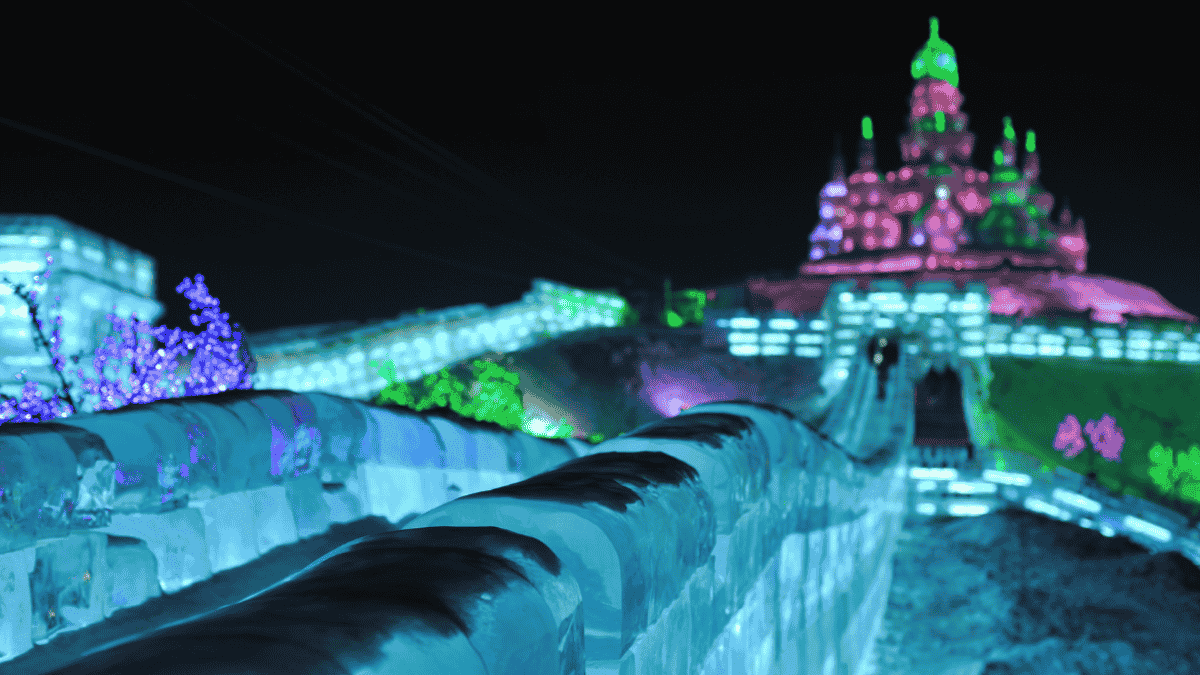
Harbin is China’s “Ice City,” a captivating northern metropolis where striking Russian-influenced architecture meets the magical, glittering wonderland of its world-famous winter festivals.
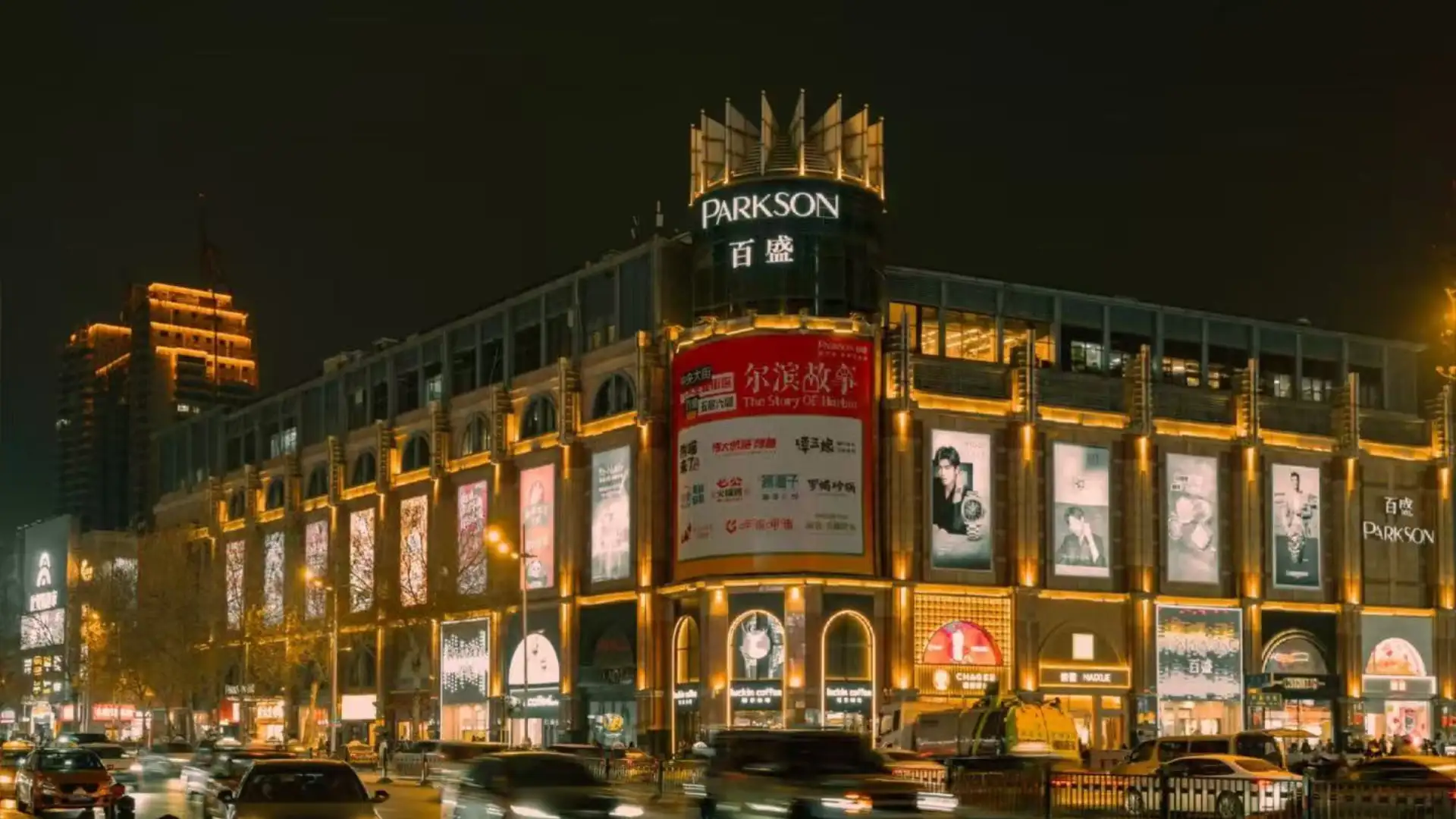
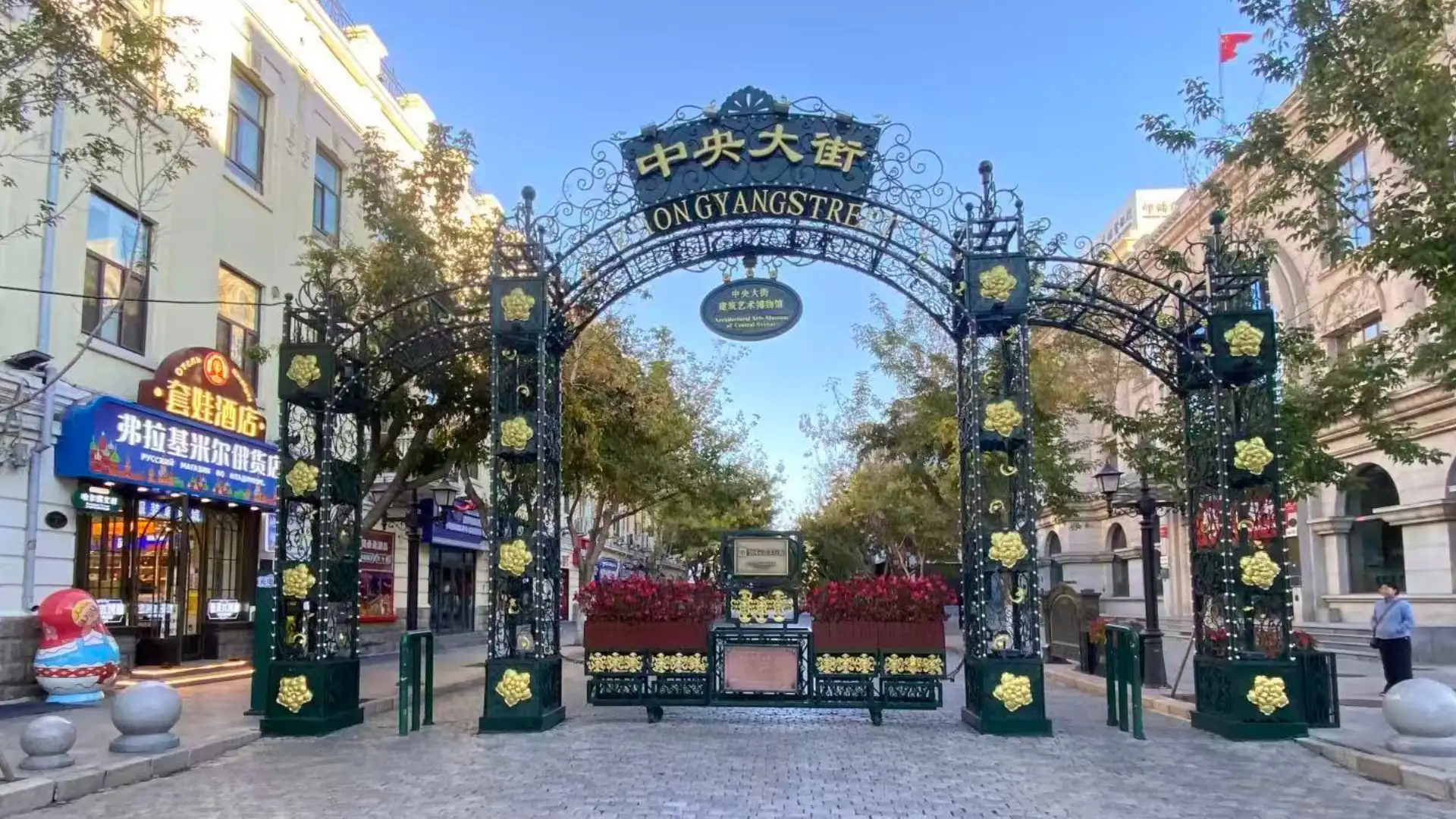
Situated in the northeastern province of Heilongjiang, Harbin serves as China’s snowy gateway to the north. The city is primarily accessed via Harbin Taiping International Airport (HRB). Harbin offers a deeply unique cultural fusion, most evident when strolling down the cobblestones of Zhongyang Pedestrian Street (Central Street), which is lined with beautifully preserved European-style buildings, a testament to its history as a terminus on the Chinese Eastern Railway.
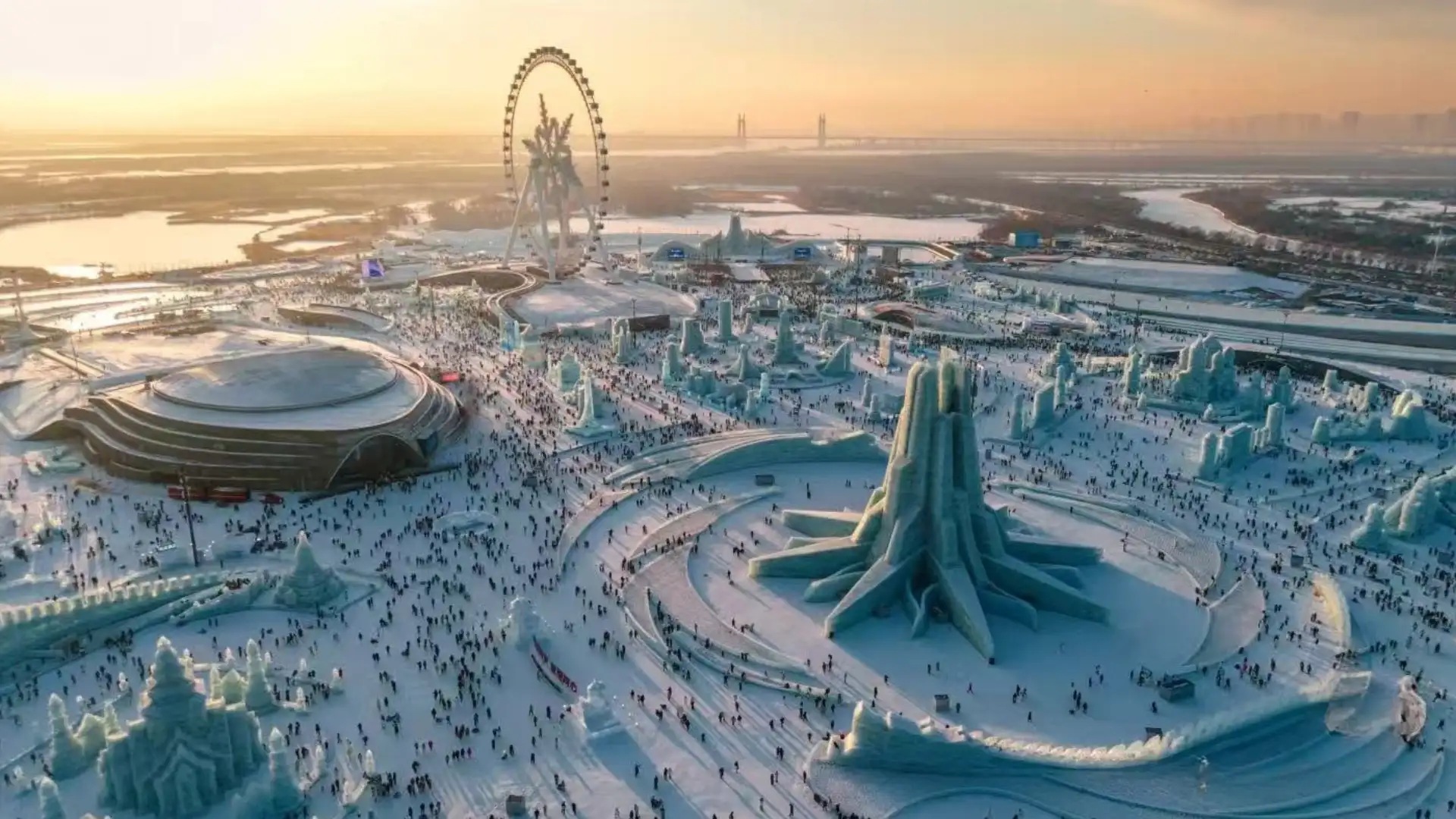
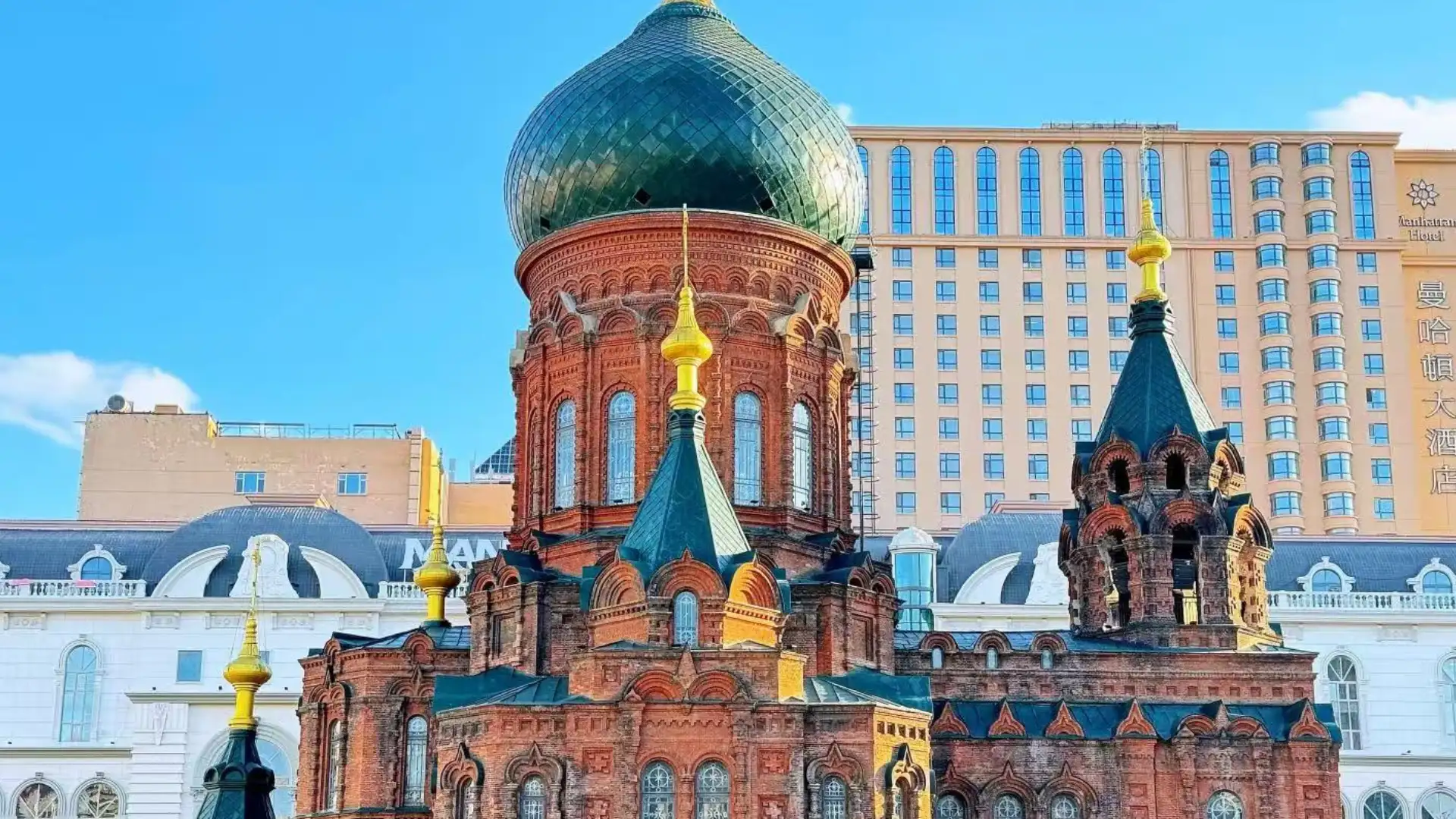
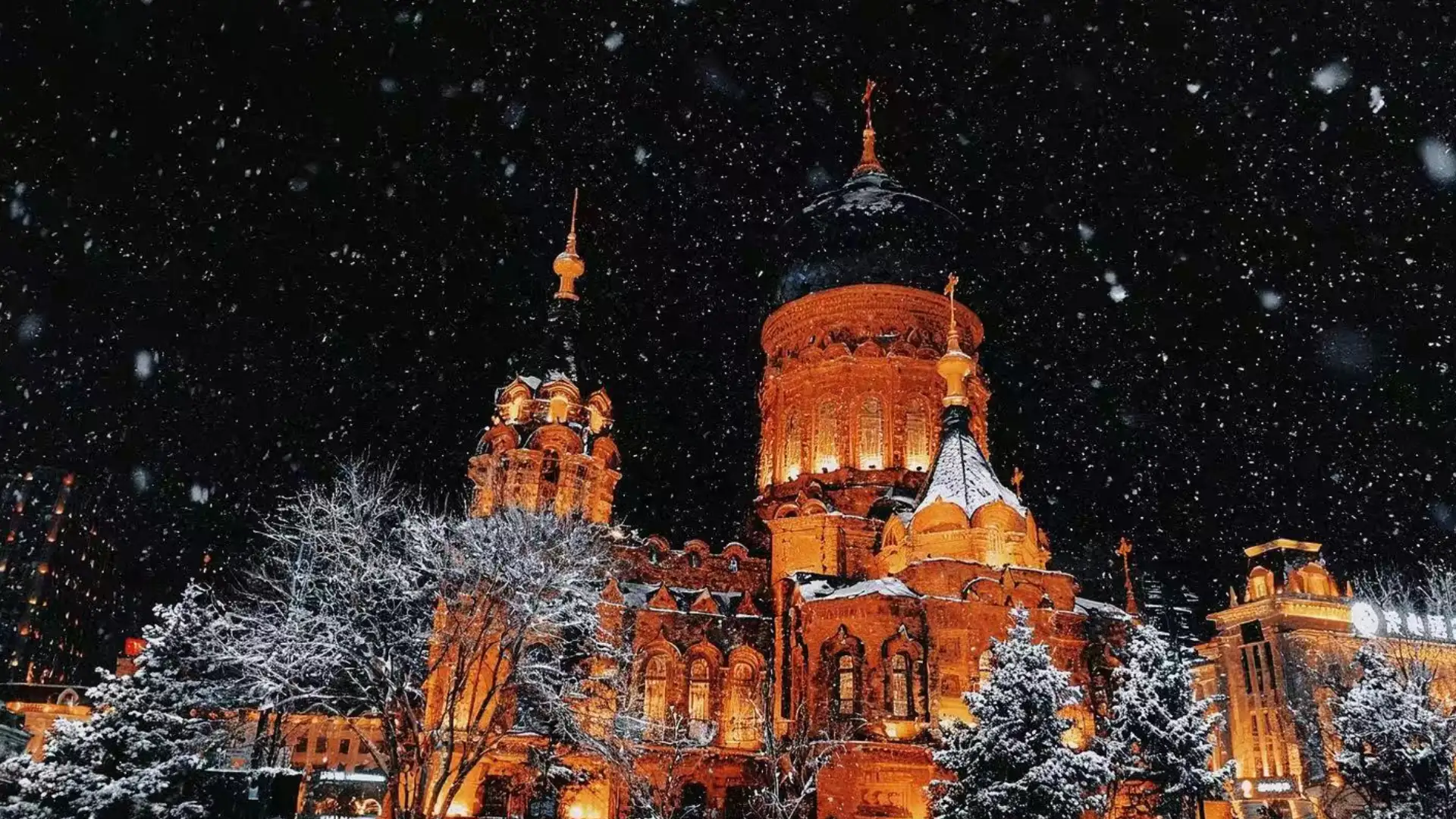
The magnificent St. Sophia Cathedral, with its iconic green onion domes, stands as a stunning piece of Byzantine architecture in the city center. Yet, Harbin is most globally renowned for its extraordinary winter transformation. Across the frozen Songhua River lies Sun Island and the Harbin Ice and Snow World, where colossal, neon-lit palaces and sculptures are carved entirely from river ice. The local culinary scene is equally hearty, featuring Russian-style breads and sausages alongside comforting, robust Dongbei (Northeastern) dishes designed to ward off the cold.
Weather in Harbin
Harbin’s weather is defined by its extremes. Winter (December to February) is the peak tourist season, but it is brutally cold, with temperatures frequently dropping well below -20°C (-4°F). Extreme cold-weather gear is absolutely essential. Spring and autumn are very short, transitional seasons. Summer (June to August) is surprisingly warm, pleasant, and an excellent time for escaping the heat of southern China. The Harbin one-week weather forecast is critical, especially when packing for a winter visit.
Transportation
Harbin is the transportation hub of northeastern China. HRB Airport connects the city domestically and internationally (particularly to Russia, Japan, and South Korea). High-speed rail effectively links Harbin West Railway Station to Beijing and other major hubs. The Harbin Metro system, though smaller than in mega-cities like Beijing or Shanghai, is expanding and provides warm, efficient access to key areas, including Central Street and the major train stations.
Don’t Miss
- Marvel at the sheer scale and colorful illumination of the massive ice castles at the Harbin Ice and Snow World (typically open late December to late February).
- Walk down Zhongyang Street in the freezing cold while eating a traditional, milky Madieer (Modern) ice pop—a beloved local winter tradition.
- Photograph the stunning exterior of St. Sophia Cathedral, especially striking when surrounded by falling snow.
- Warm up with a hearty meal of authentic Dongbei cuisine, such as Guo Bao Rou (sweet and sour crispy pork) or a steaming iron pot stew.
Explore Harbin by Area
Daoli (Zhongyang Street & Sophia)
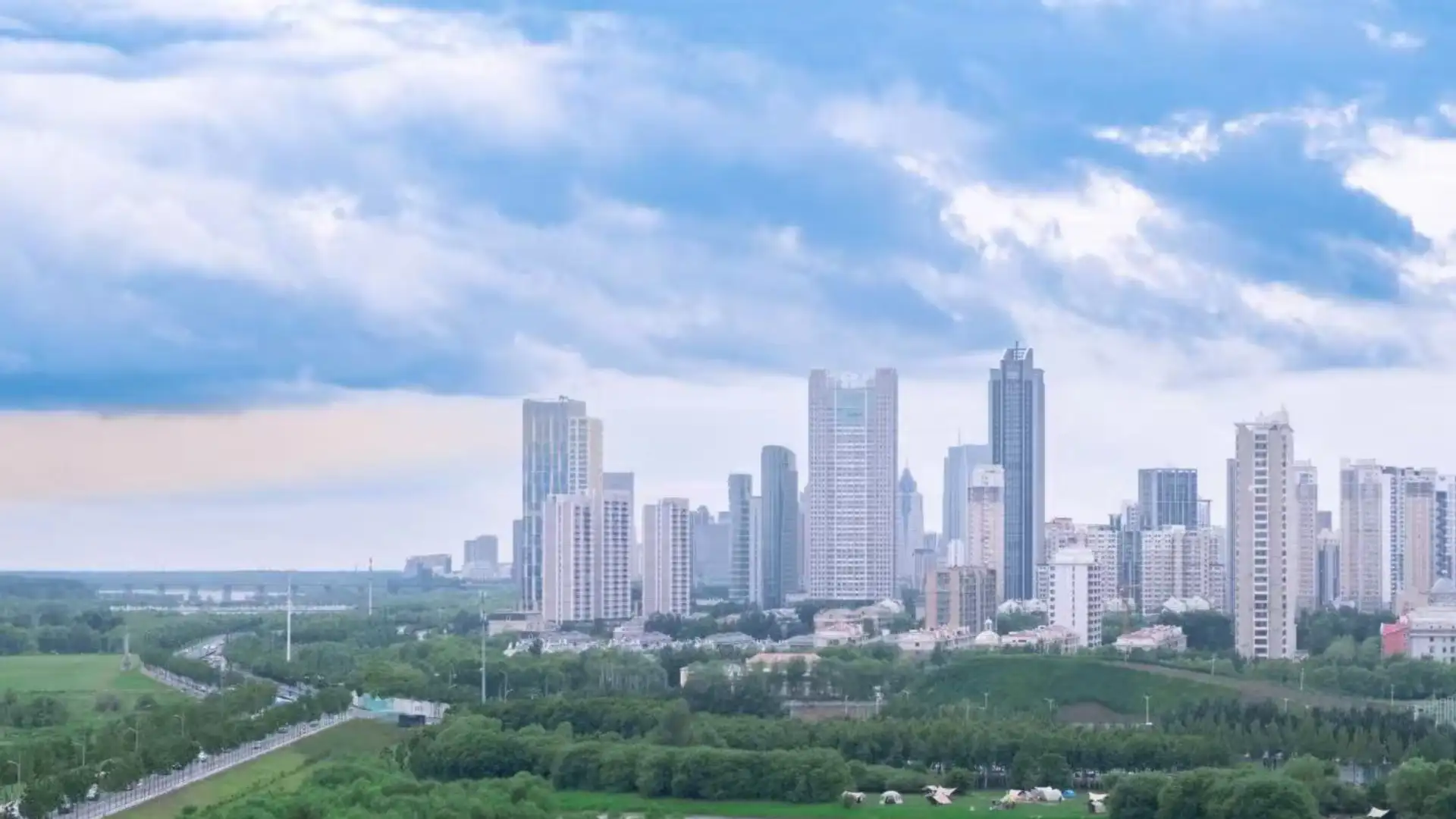
Songbei (Sun Island & Ice World)
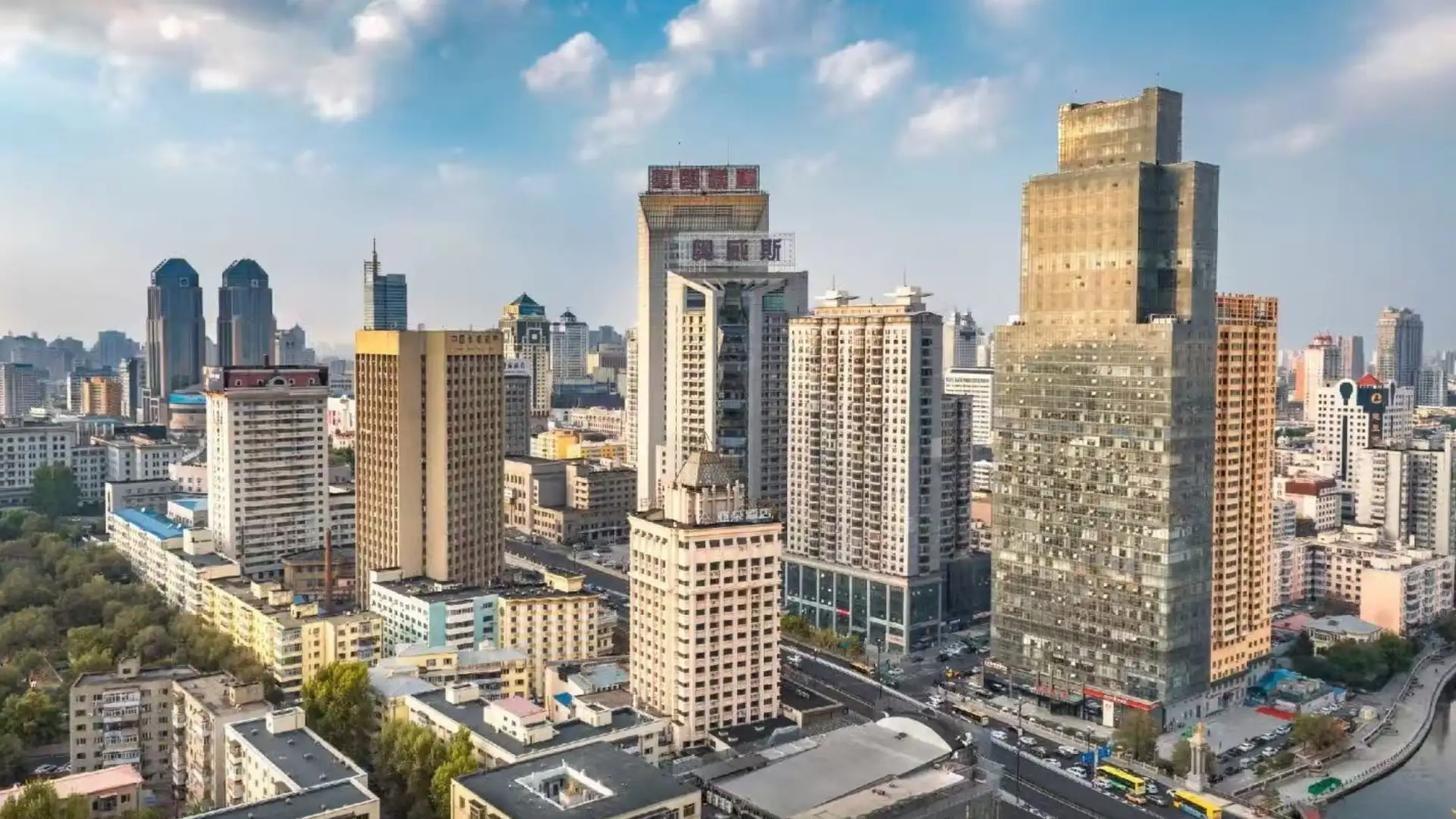
Nangang (Universities & Museums)
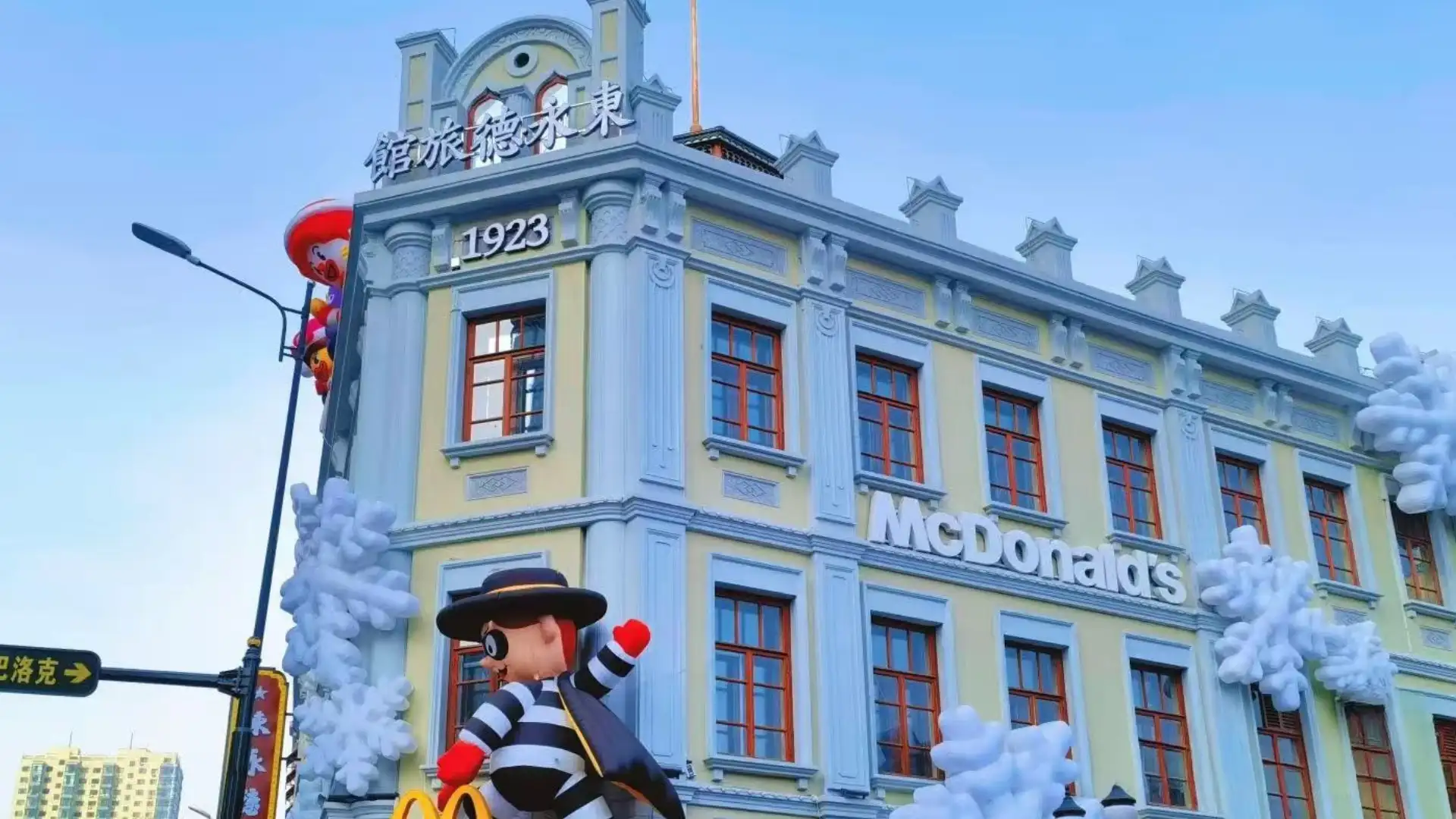
Daowai (Lao Daowai Baroque)
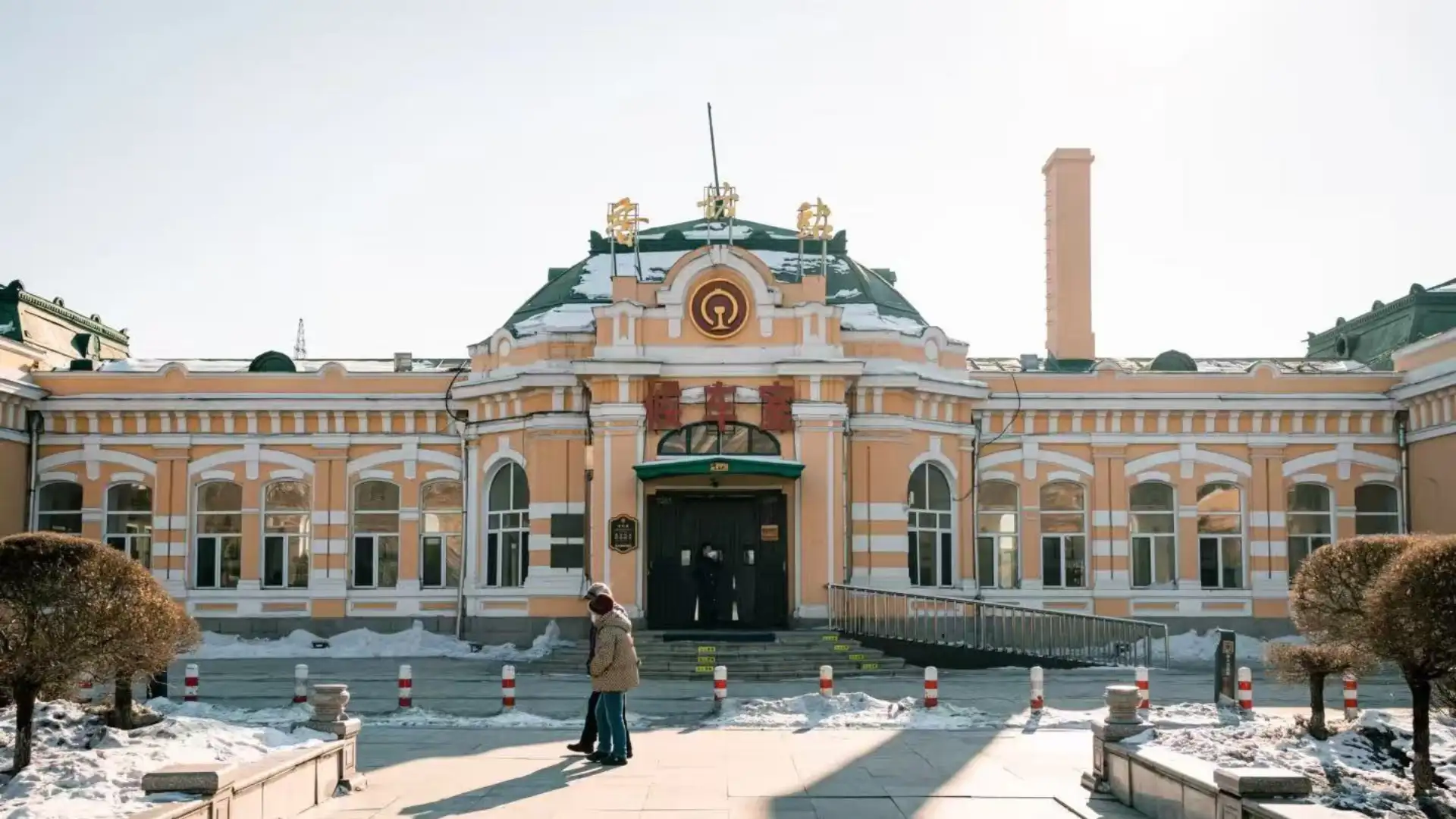
Xiangfang (Russian Cemeteries)
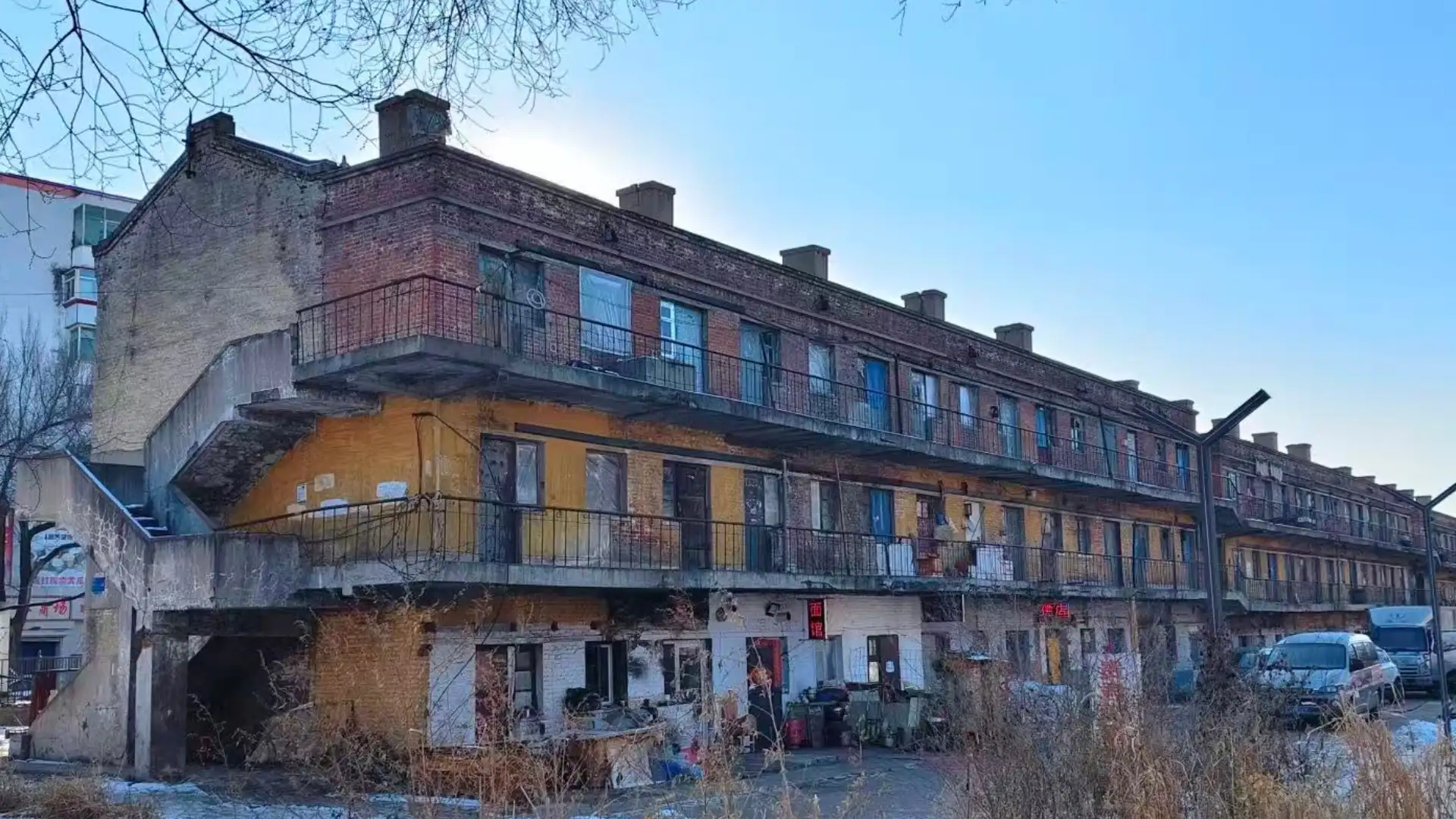
Pingfang (Unit 731 Ruins)
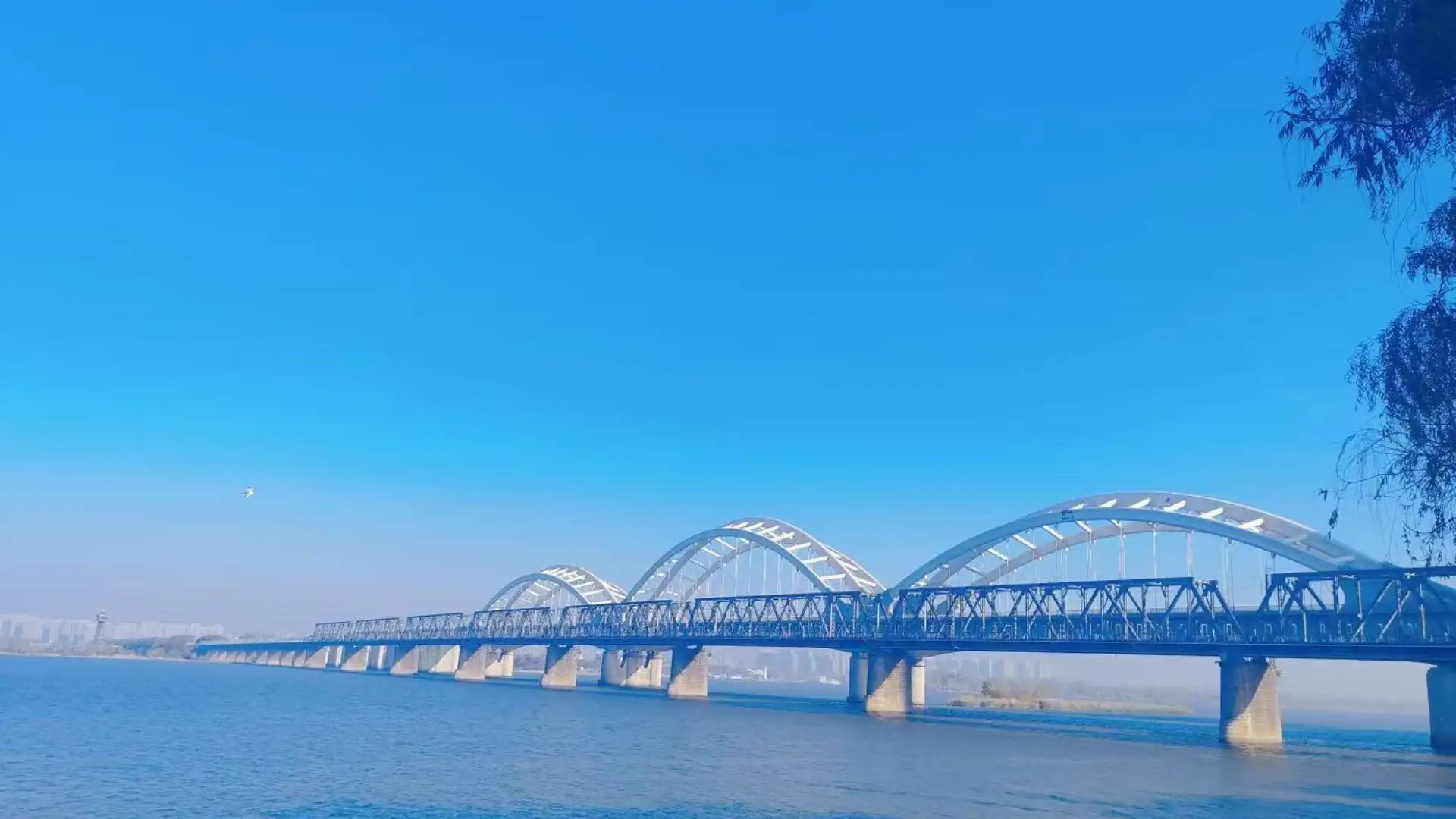
Songhua River (Winter Activities)
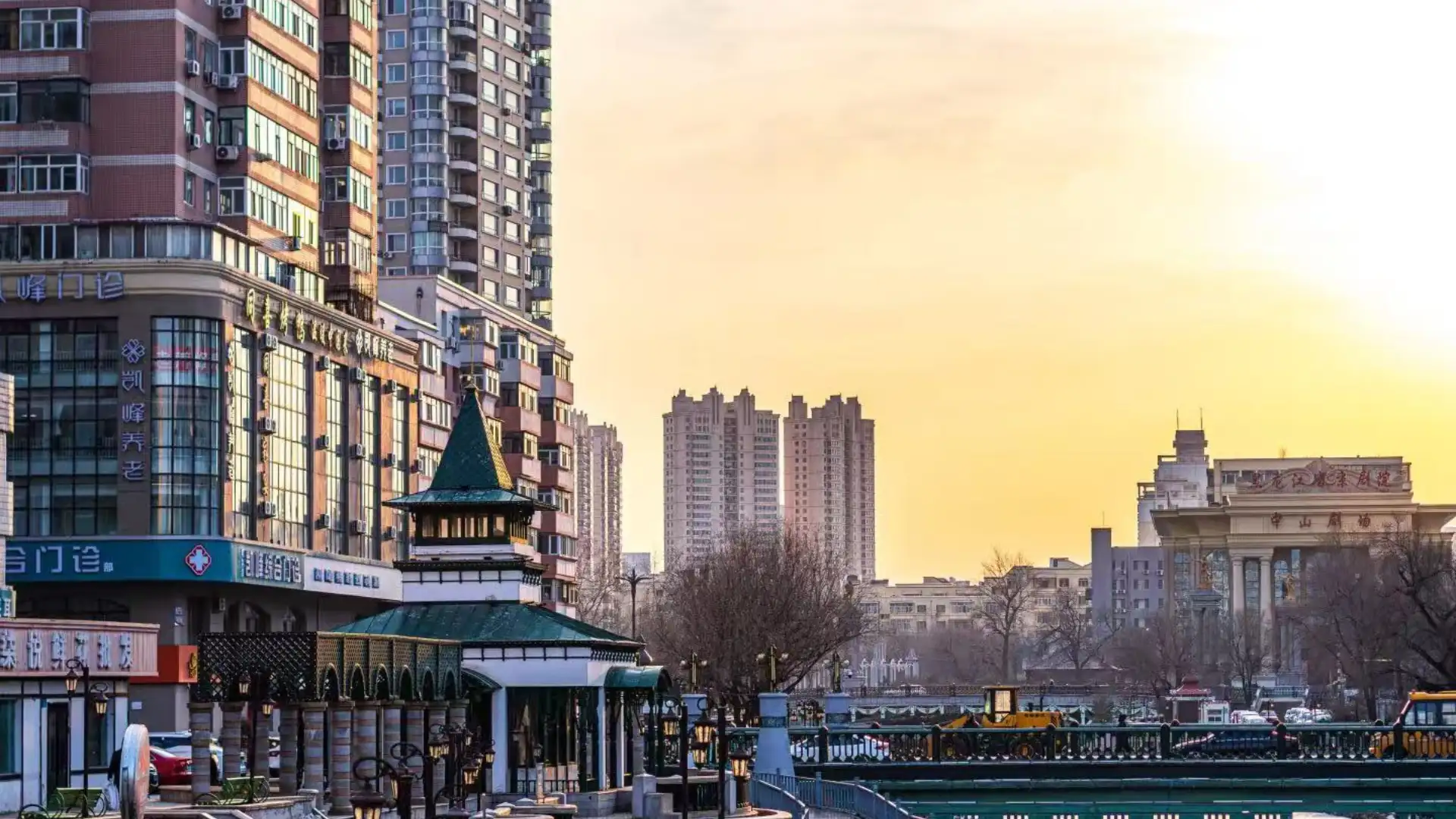
Gogol Street (Russian Vibe)
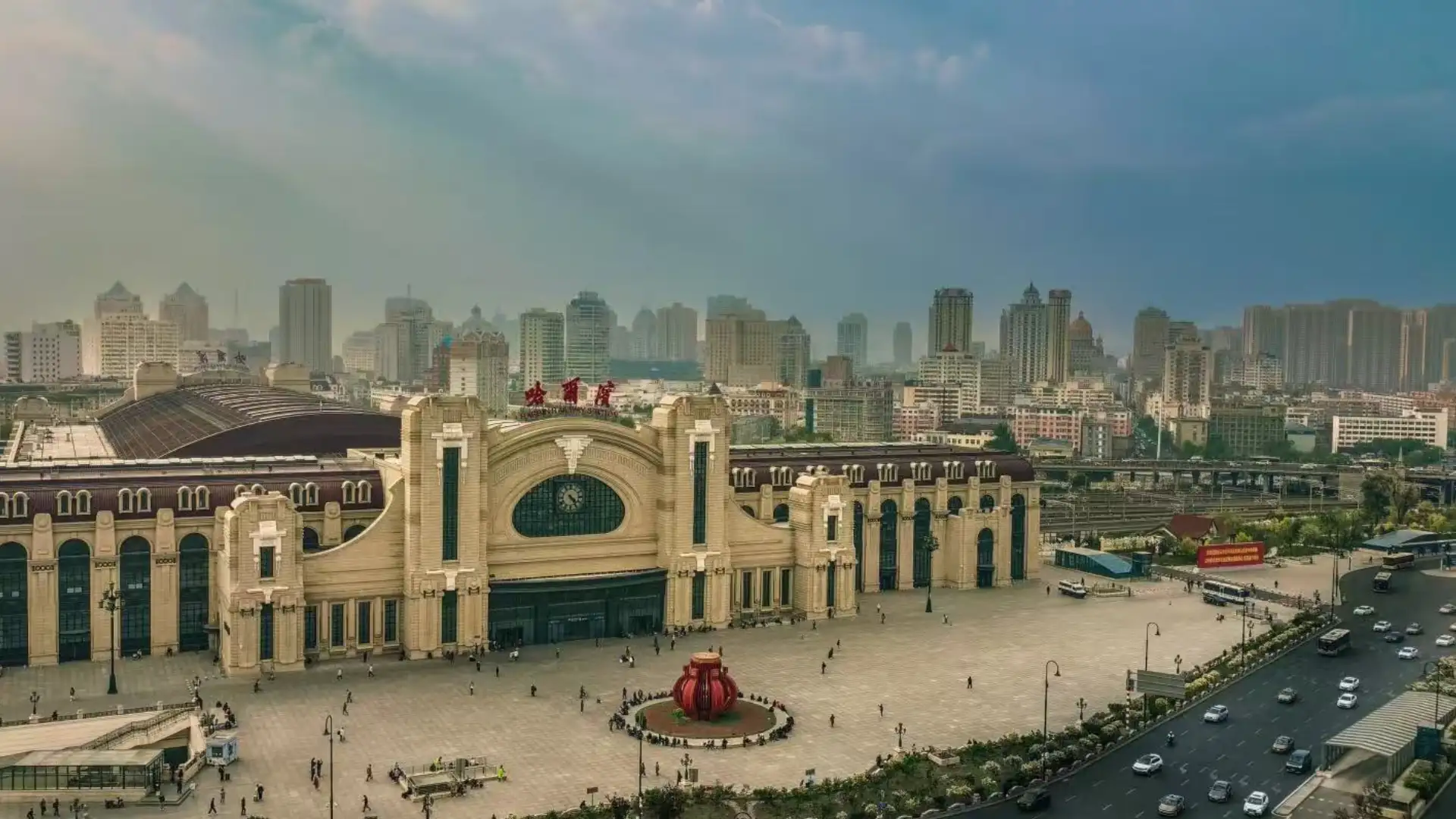
Harbin Railway Station Area
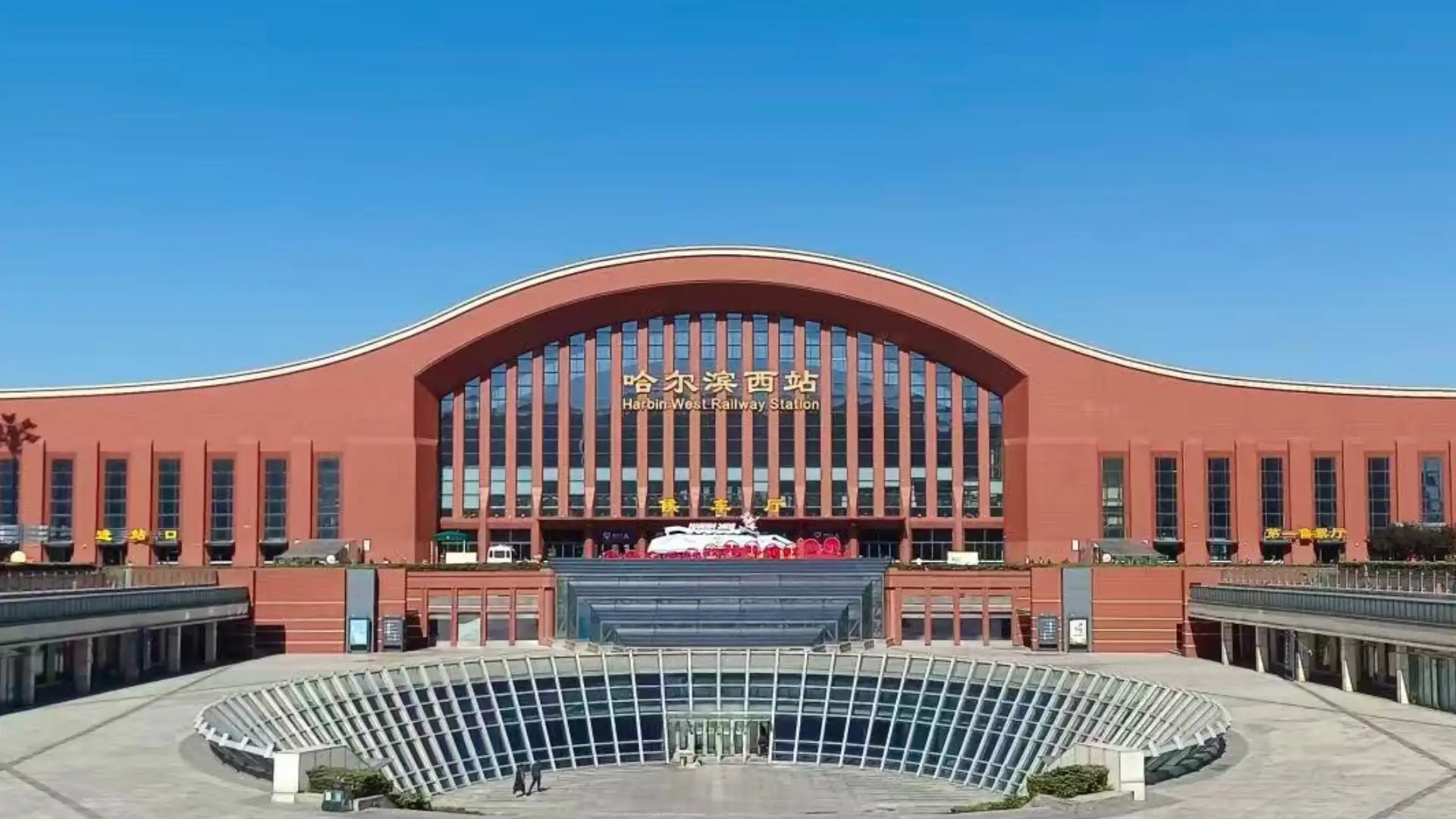
Harbin West Railway Station Area
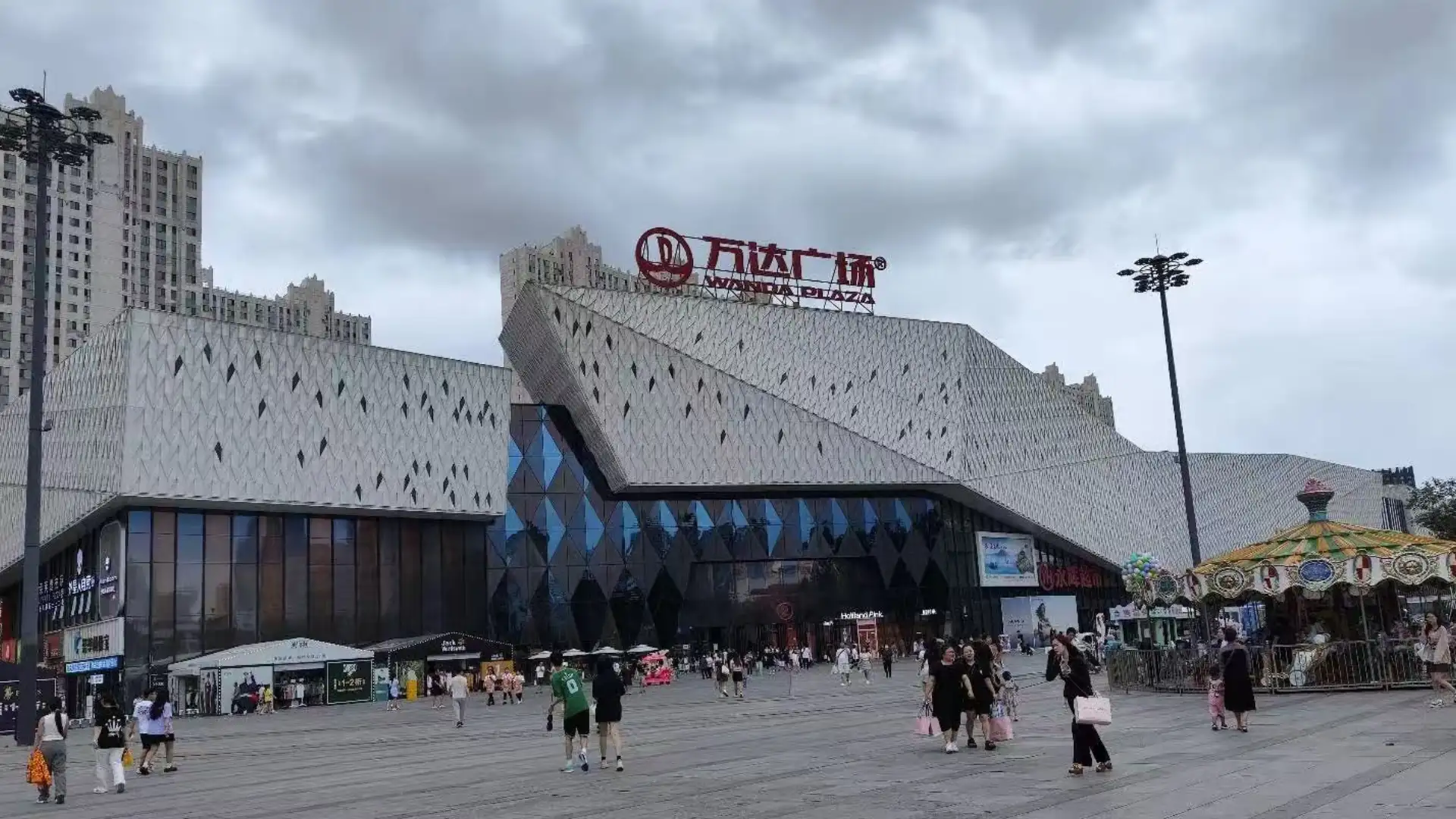
Harbin Wanda Realm
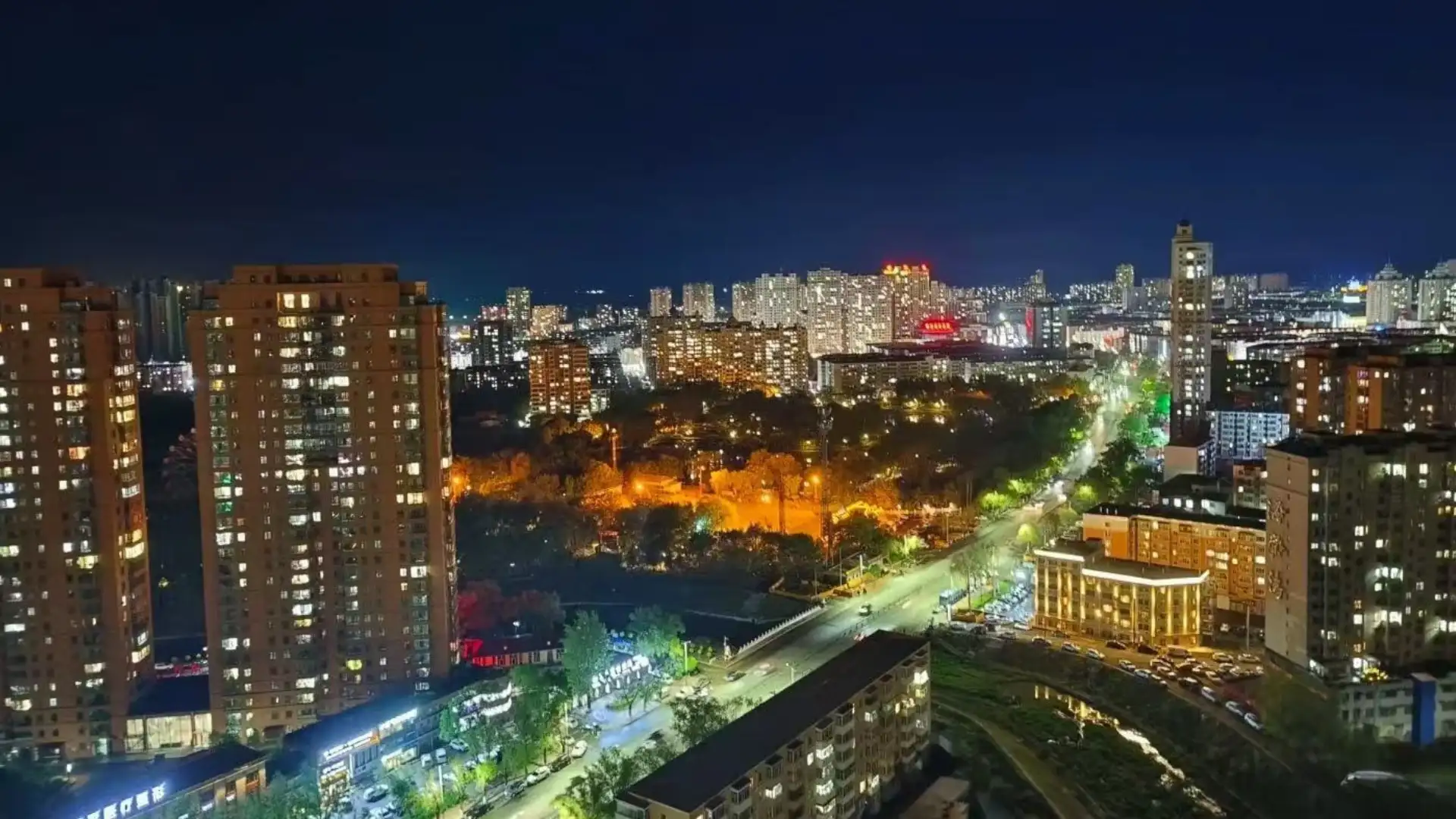
Acheng District
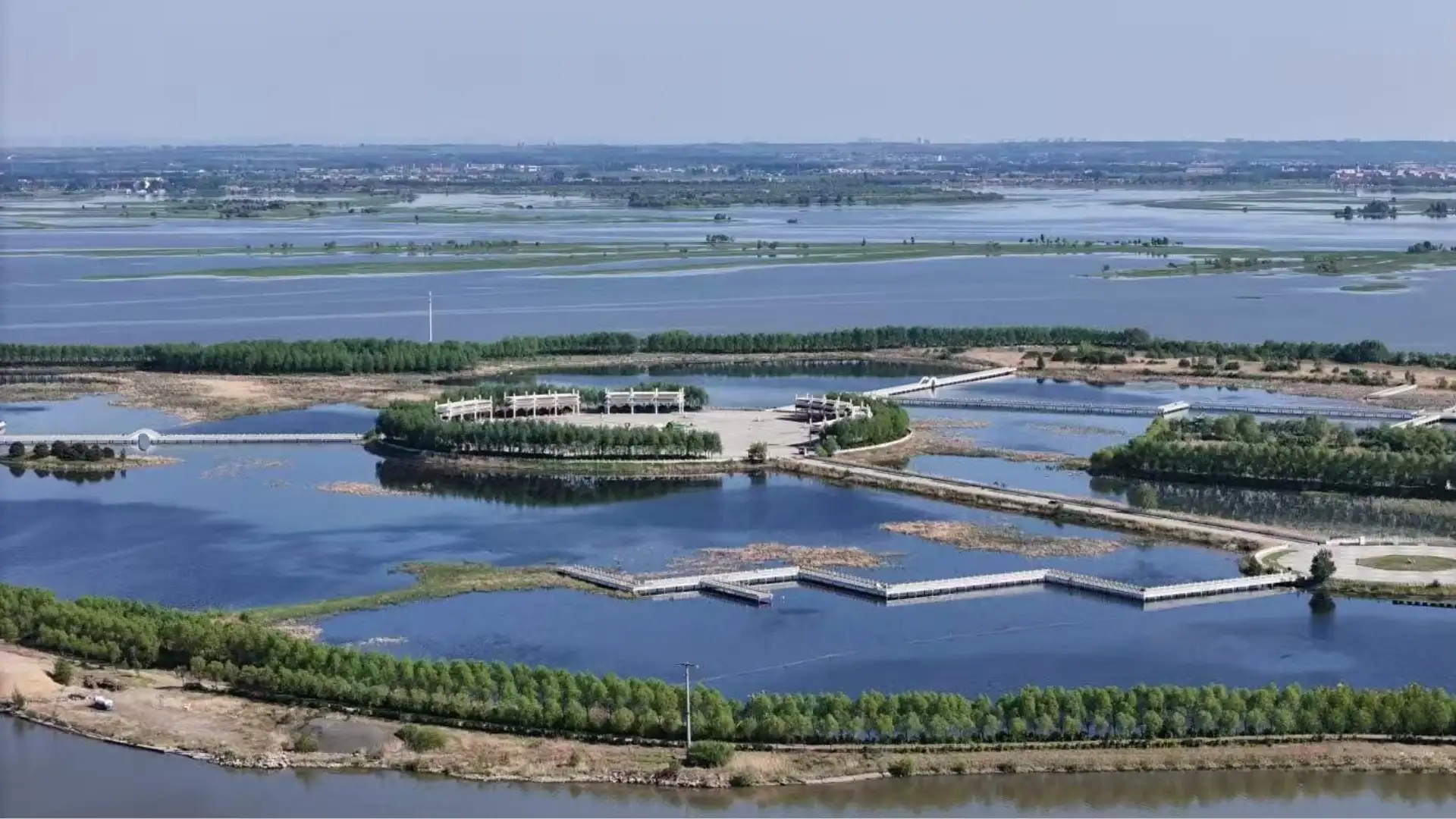
Hulan District
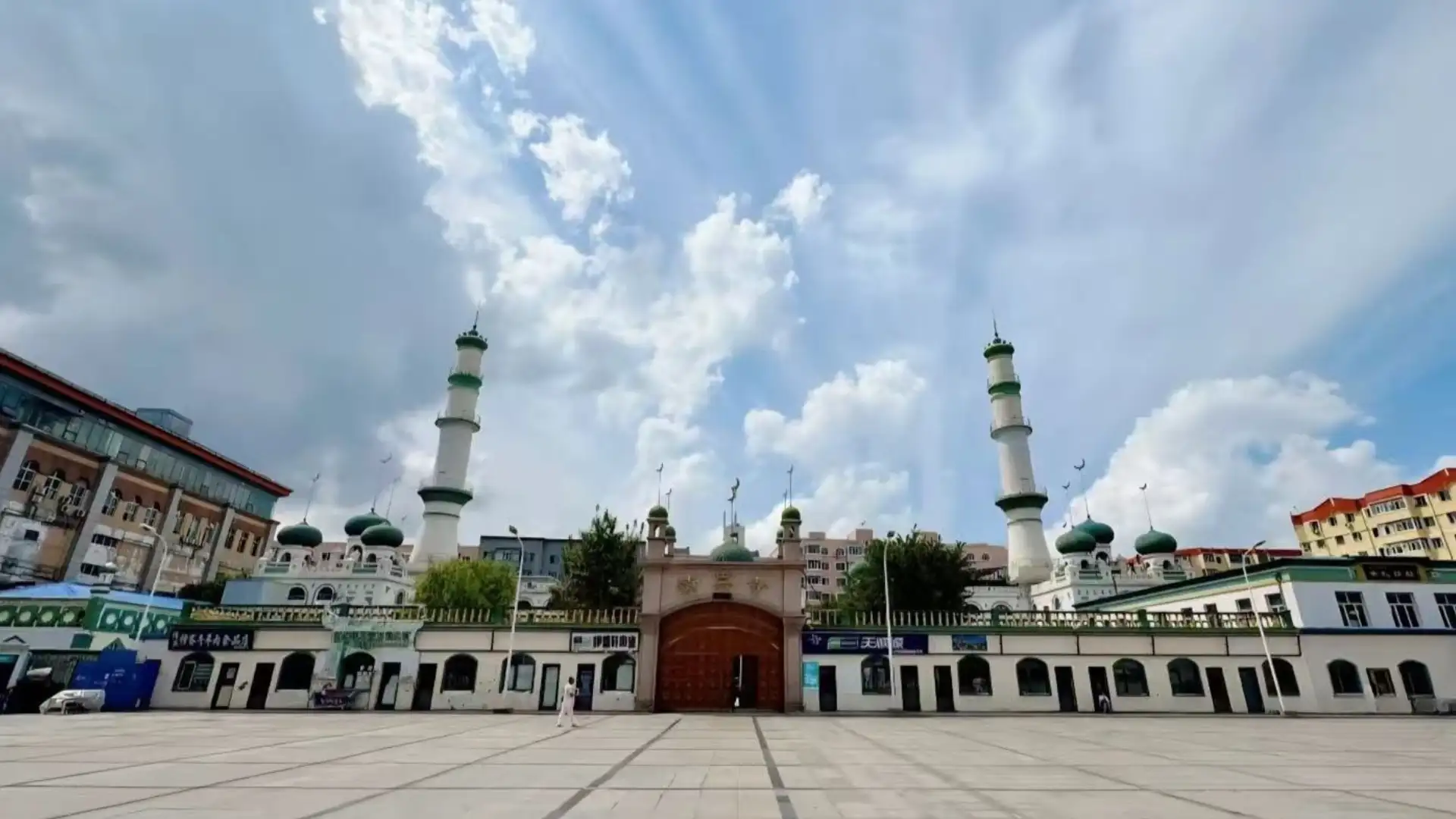
Shuangcheng District
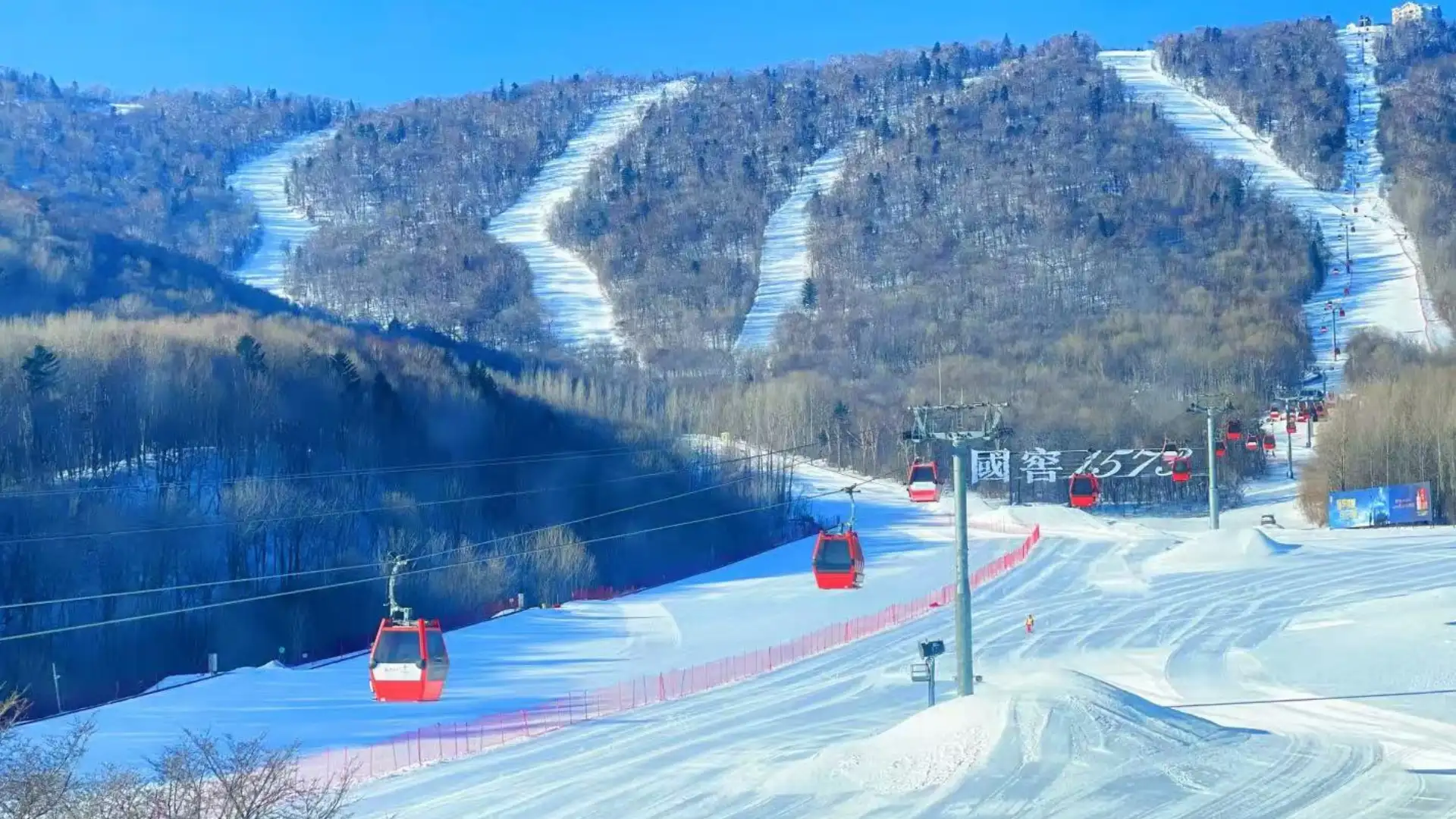
Yabuli Ski Resort (Shangzhi)
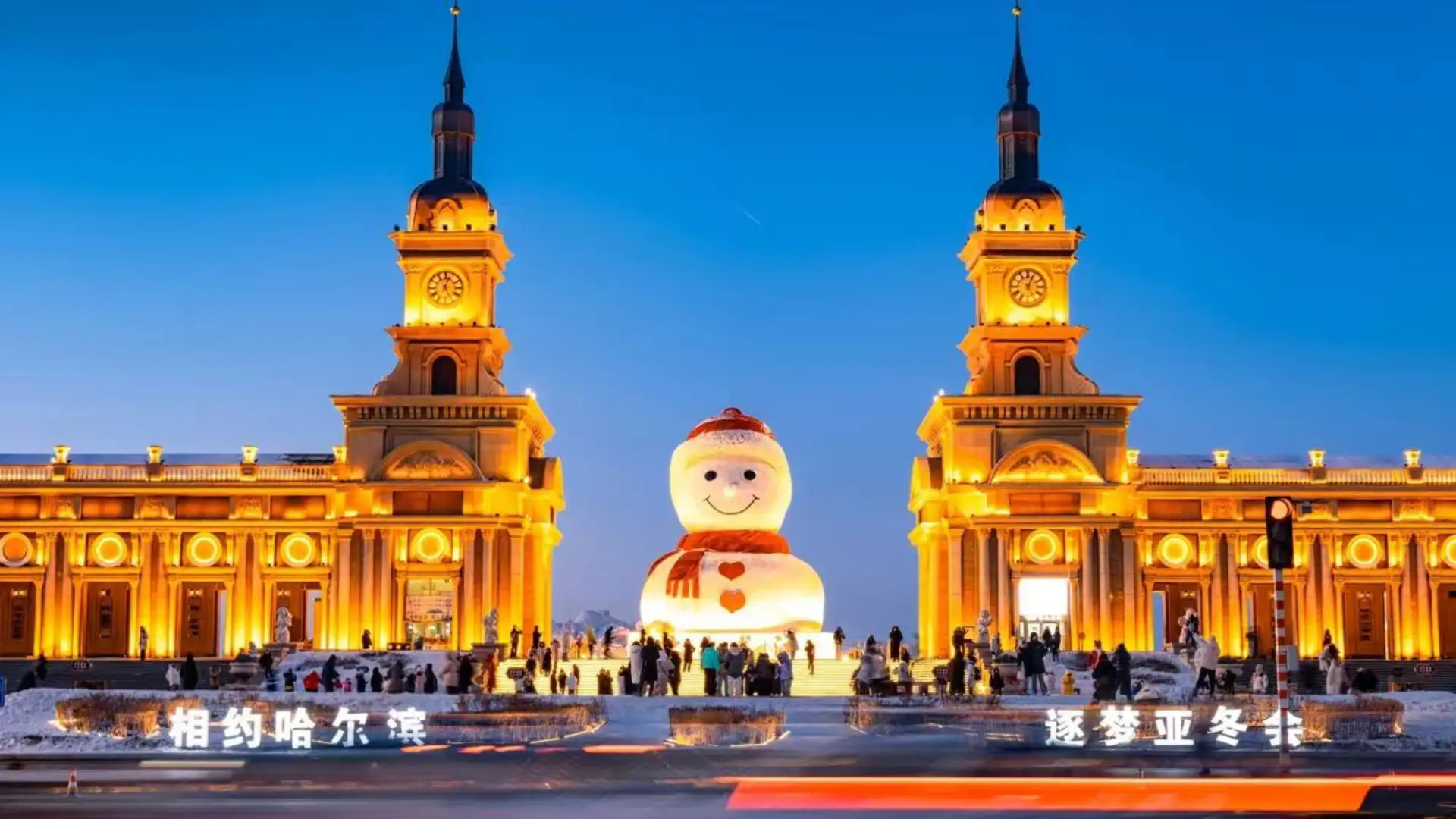
Greater Harbin Area
Popular Attractions in Harbin
Local Specialties

Guo Bao Rou (Sweet and Sour Pork)
A quintessential Harbin dish invented over a century ago. Thin slices of pork are battered, double-fried until incredibly crispy, and then quickly tossed in a sticky, sweet, and tangy sauce made with sugar and vinegar.

Harbin Red Sausage (Hongchang)
A delicious legacy of Harbin’s Russian history. Introduced by Lithuanian immigrants in 1909, this savory, heavily smoked pork sausage is a beloved local snack and a must-buy edible souvenir.
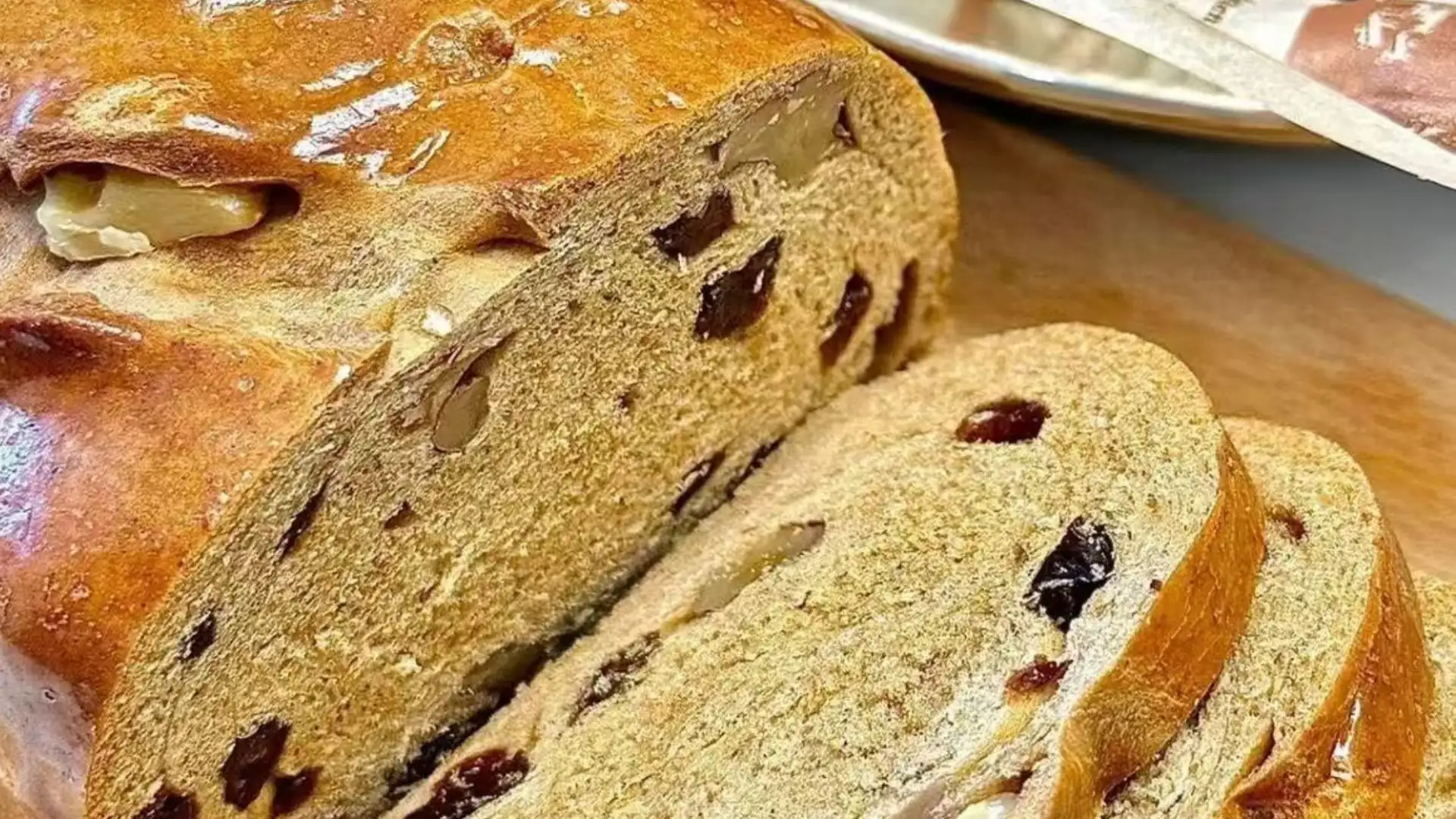
Daliba (Russian Big Bread)
Another profound Russian influence on local culture. This massive, dense, and slightly sour sourdough bread is baked in traditional ovens and is often enjoyed sliced and paired with Harbin Red Sausage.

Kvass (Gewa’si)
A traditional Slavic fermented beverage deeply ingrained in Harbin’s culture. Made primarily from rye bread, it is sweet, slightly tangy, very refreshing, and has an incredibly low (almost unnoticeable) alcohol content.
Seasonal Highlights
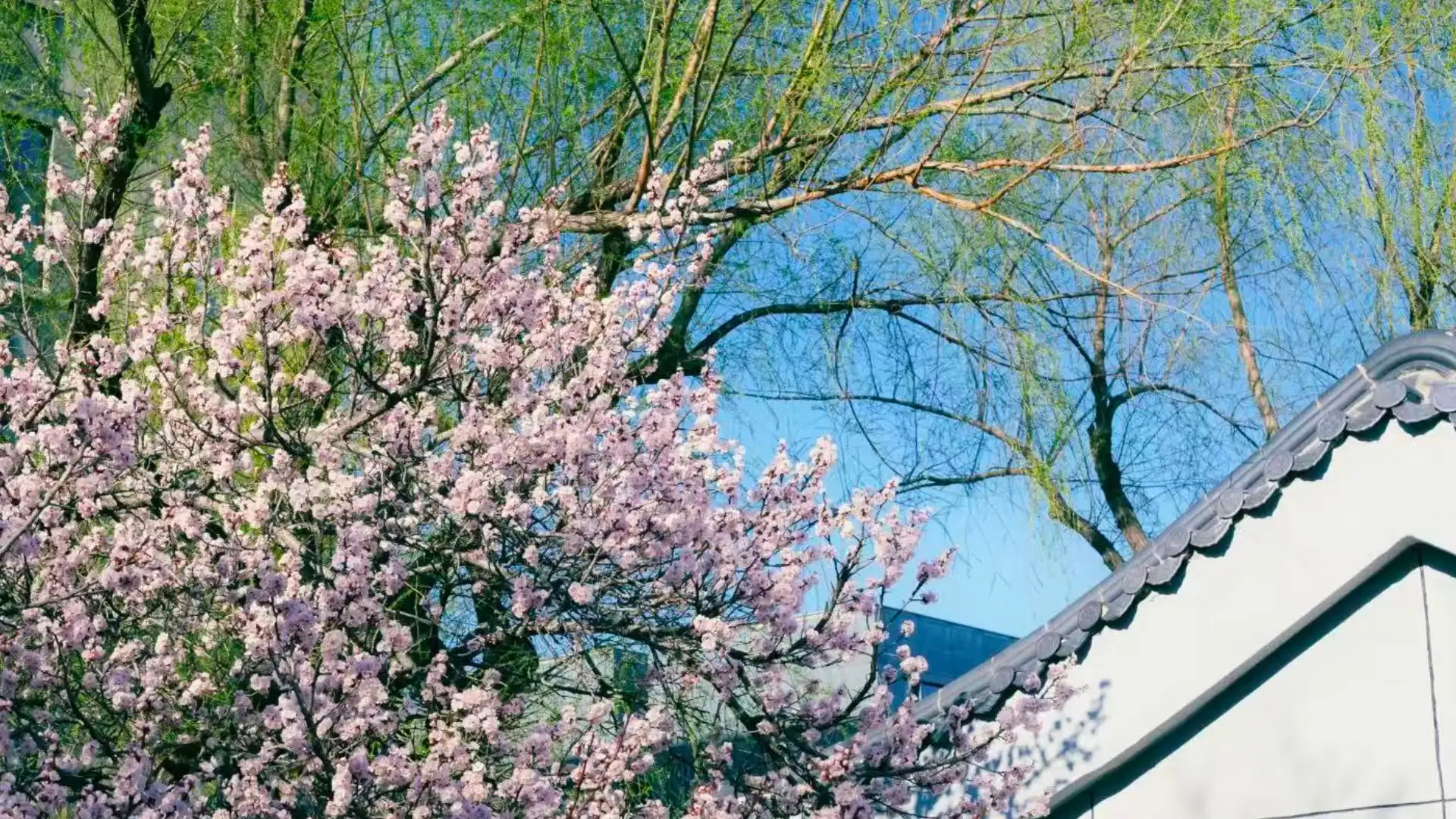
Spring
Spring in Harbin is a brief, rapid transition. The massive ice blocks on the Songhua River dramatically break apart and begin to flow, a phenomenon locals gather to watch. As the snow melts, the city quickly greens, revealing the beautiful Russian architecture of Daoli and Nangang districts without their winter coat.
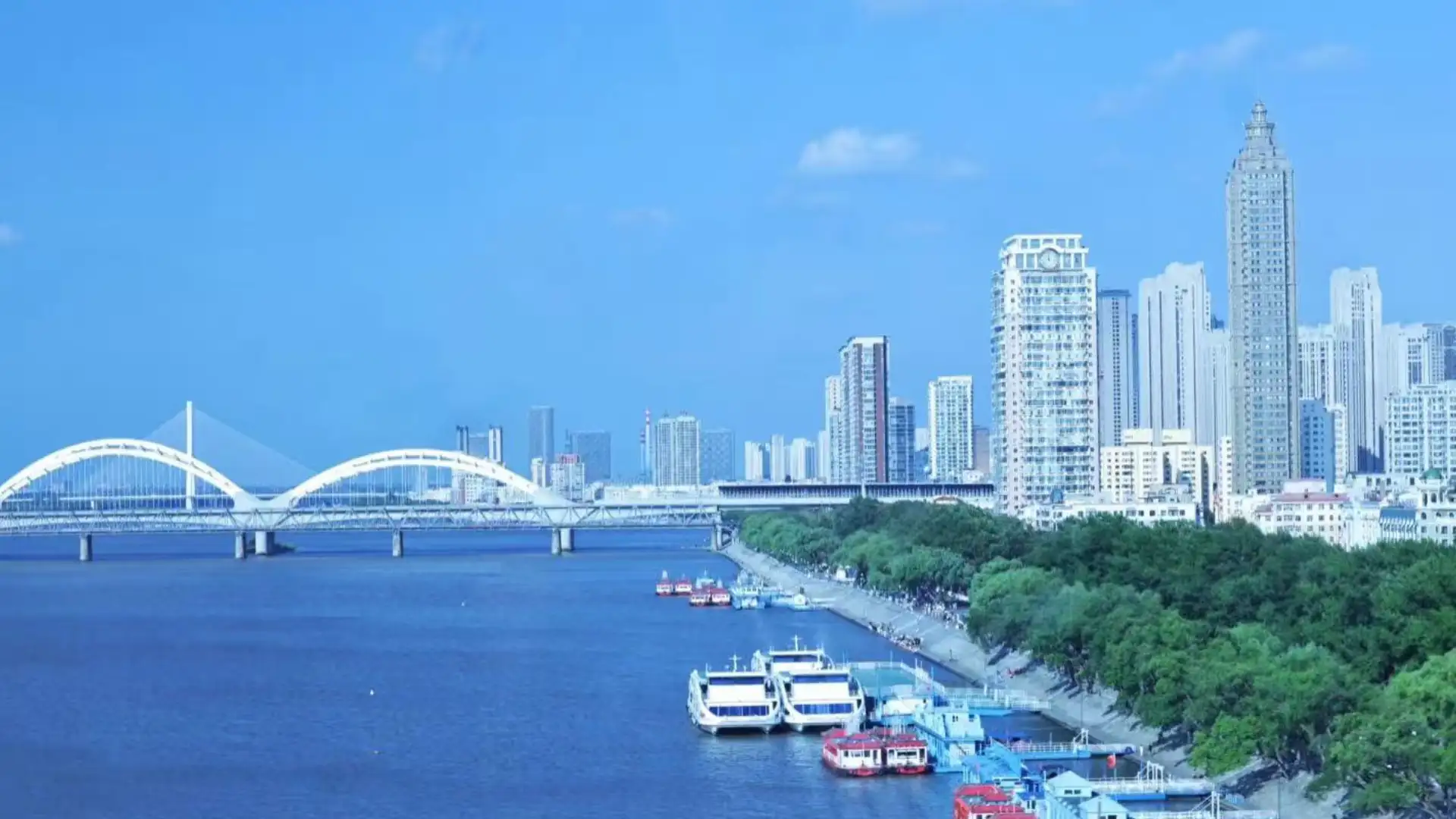
Summer
Summer is unexpectedly warm, vibrant, and surprisingly short. It’s the perfect season to escape the oppressive heat of southern China. Locals flock to the shaded, grassy expanses of Sun Island for picnics and take evening strolls along the bustling, music-filled Zhongyang Pedestrian Street enjoying a cold kvass.
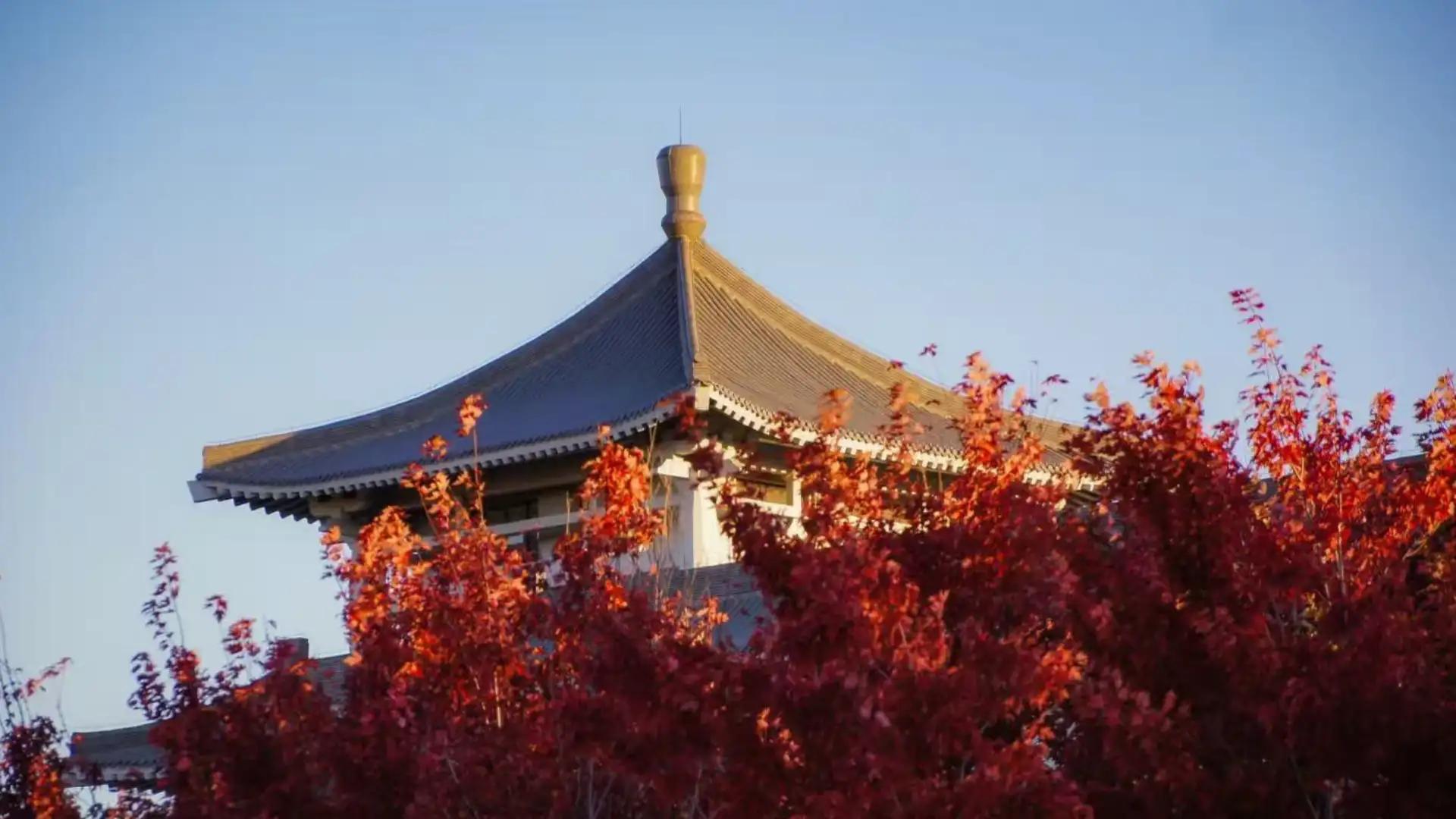
Autumn
Autumn flashes by in a matter of weeks, characterized by rapidly dropping temperatures and crisp, clear air. The surrounding forests and parks, including those around the Siberian Tiger Park, turn brilliant shades of yellow and orange, offering beautiful but fleeting photography opportunities before the long winter sets in.
Winter
Winter is Harbin’s defining season. It is brutally cold but utterly magical. The city becomes a glittering wonderland during the International Ice and Snow Festival. Massive, neon-lit ice palaces rise on Sun Island, and the frozen Songhua River becomes a massive playground for ice skating, dog sledding, and winter swimming.