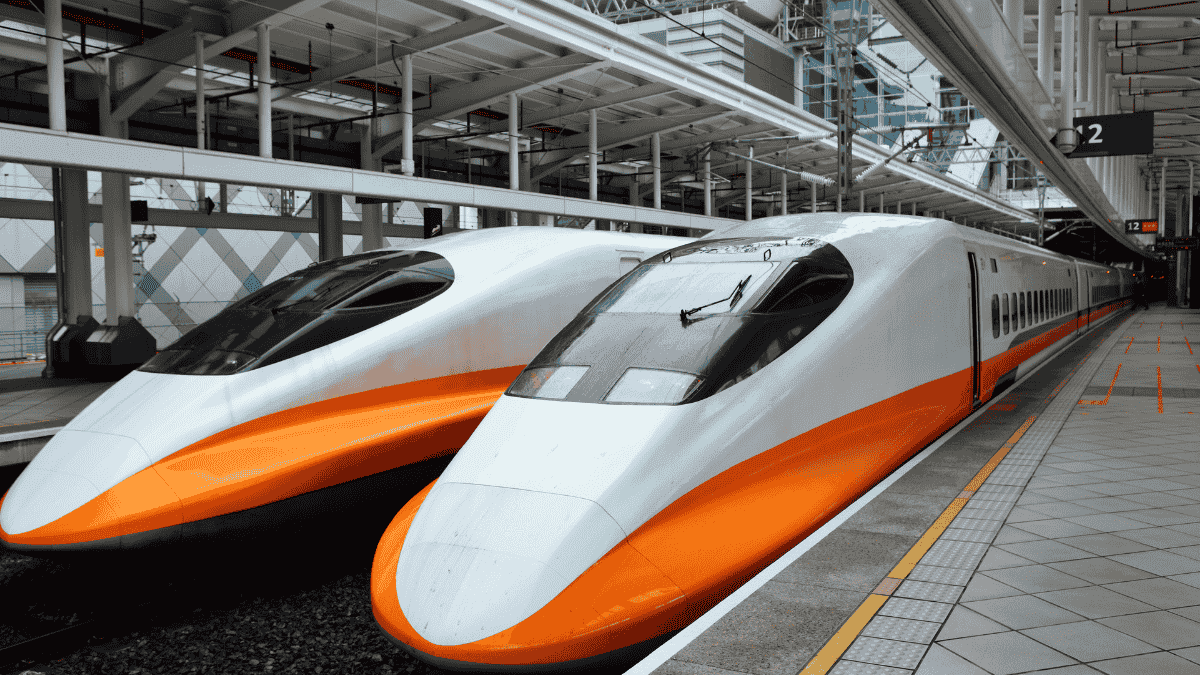
China’s extensive railway network and world-renowned high-speed trains (CRH) connect nearly every city and region with remarkable speed, convenience, and safety.
Trains in China are efficient and reliable
China’s railways are known for their punctuality, safety, and versatility, catering to all types of travel needs. Whether you’re seeking rapid transit between major cities, urban commuting, or a leisurely journey through China’s scenic and cultural landscapes, there are options to suit every preference and itinerary.
Railway types
As the saying goes, the journey is just as important as the destination. In China, there are three main types of railway systems, each offering unique advantages:
High-Speed Trains (G and D Trains)
Operated by the state-owned China Railway Corporation, this network is the backbone of the country’s rail system. The CR-operated high-speed trains, known as “G” and “D” trains, link major cities with unparalleled comfort and efficiency.
Overnight Sleeper Trains (Z, T, and K Trains)
The CR-operated overnight sleeper trains, known as “Z,” “T,” and “K” trains, connect major cities with a balance of comfort and affordability.
Regular Trains (L and Y Trains)
The CR-operated regular trains, known as “L” and “Y” trains, cater to specific travel needs, offering flexibility and unique experiences.
Regular Trains (L and Y Trains)
The CR-operated regular trains, known as “L” and “Y” trains, cater to specific travel needs, offering flexibility and unique experiences.
Regional and Local Trains (C Trains and Commuter Trains)
The CR-operated regional and local trains, including “C” trains and commuter services, provide efficient and affordable options for short-distance travel.
A wide range of travel options to suit your needs
China’s railways offer a variety of services, including express trains, luxury sleeper cars, and themed trains that showcase local culture. Whether you’re a family traveler, a luxury seeker, a cultural enthusiast, or a budget-conscious explorer, there’s something for everyone.High-speed trains and long-distance railways often feature different classes of seating, with amenities such as reclining chairs, fold-down tables, and onboard services reminiscent of air travel.
Ticket Booking
High-speed train tickets can be booked at ticket counters, online, or via smartphone apps like 12306. The official app allows you to link your reservation to your ID card, enabling you to scan your ID at the ticket gates for entry. This eliminates the need to collect physical tickets in advance.With its advanced infrastructure and diverse options, traveling by train in China is an efficient, enjoyable, and culturally enriching experience.
The convenience of trains in China
In China, trains are an incredibly convenient mode of transportation. Whether you’re heading to a bustling metropolis or a remote countryside destination, trains are often the fastest and most efficient way to get around.In major cities like Beijing, Shanghai, and Guangzhou, trains arrive every few minutes, making it easy to hop on and off. In rural areas, services may be less frequent, so a bit more planning is required. China’s trains are renowned for their punctuality, allowing you to plan your journey with precision.
How to buy train tickets
Purchasing train tickets in China is straightforward. You can easily plan your routes and calculate fares using app the official 12306 app, which provides real-time train schedules and ticket booking services. Or at most train stations, you can buy tickets manually from self-service machines or ticket counters. Fares vary depending on your destination.
How to take the train
Before entering the station, you’ll need to go through a security check, similar to airport procedures. Allow plenty of time for this, as queues can be long, especially during peak travel hours. Place your bags and belongings on the conveyor belt for X-ray screening, and walk through the metal detector. Keep your passport and paper ticket handy, as you may need to show them to security personnel.After passing through security, locate the boarding gate corresponding to the information on your ticket. Check the electronic display boards or consult station staff if needed to confirm your gate number. Wait in the designated waiting area. Keep an eye on the display screens and listen for announcements, as they will notify passengers when boarding begins. Boarding typically starts 10–15 minutes before departure, so ensure you’re ready to proceed when your train is called. Scan your paper ticket at the ticket gate. At the same time, station staff may manually verify your passport to ensure it matches the name on the ticket. Once verified, the gate will openIf you encounter any issues, consult station staff can assist you.