Situated in the sprawling northern reaches of Guangzhou, this haven of altitude and aviation is anchored by the sprawling, multi-peaked canopy of Baiyun Mountain (White Cloud Mountain) and the sweeping, aerodynamic terminals of Guangzhou Baiyun International Airport. Within a seamless transit ride, you can see architectural and natural marvels ranging from the futuristic, light-flooded departure halls of Terminal 2 to the ancient, mist-draped pavilions of Moxing Ridge, the highest point in the city proper. Stop for a flawlessly smooth, refreshing bowl of mountain-spring tofu pudding (Shan Shui Dou Hua) at a rustic, cliffside tea house, browse the rapidly ascending, design-forward corporate headquarters of Baiyun New Town, and sample the district's legendary, fiercely authentic street food in the bustling, diverse alleys of the Sanyuanli wholesale precinct. Saunter along the winding, tree-canopied hiking trails to watch the city’s elderly residents carrying spring water down the slopes while massive international jetliners trace their descent paths overhead. Take a break from the relentless, high-decibel stimulation of the global transit corridors with a quiet, breezy afternoon on the summit, watching the sprawling, hyper-dense Pearl River Delta metropolis unfold beneath a blanket of pristine white clouds.
Don't Miss
- Ascending Baiyun Mountain (White Cloud Mountain). Comprising over 30 peaks, this massive ecological reserve is the spiritual and natural anchor of Guangzhou. Taking the cable car up to the Yuntai Garden and hiking to the 382-meter summit of Moxing Ridge offers an unmatched, panoramic view of the entire city skyline.
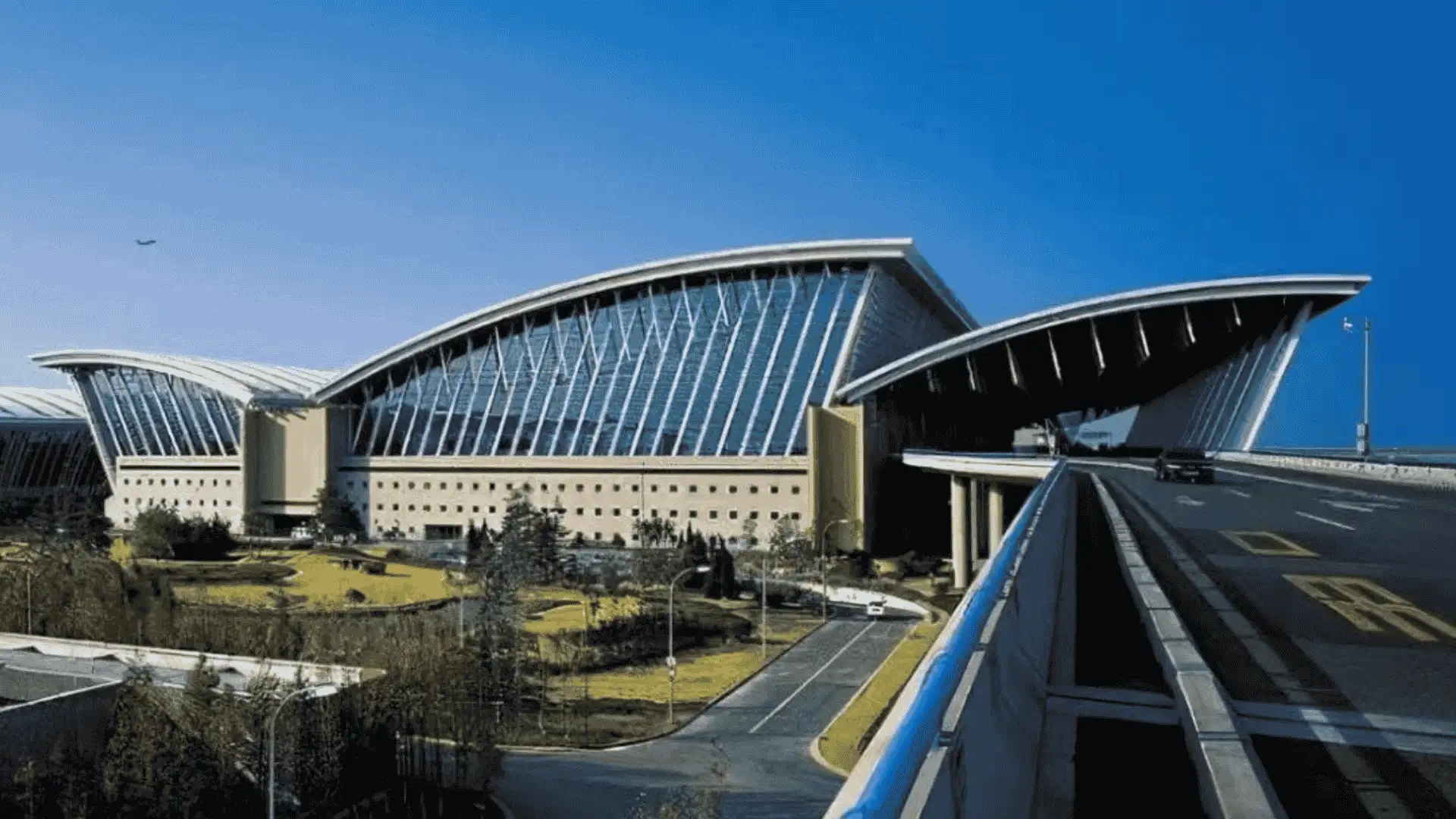
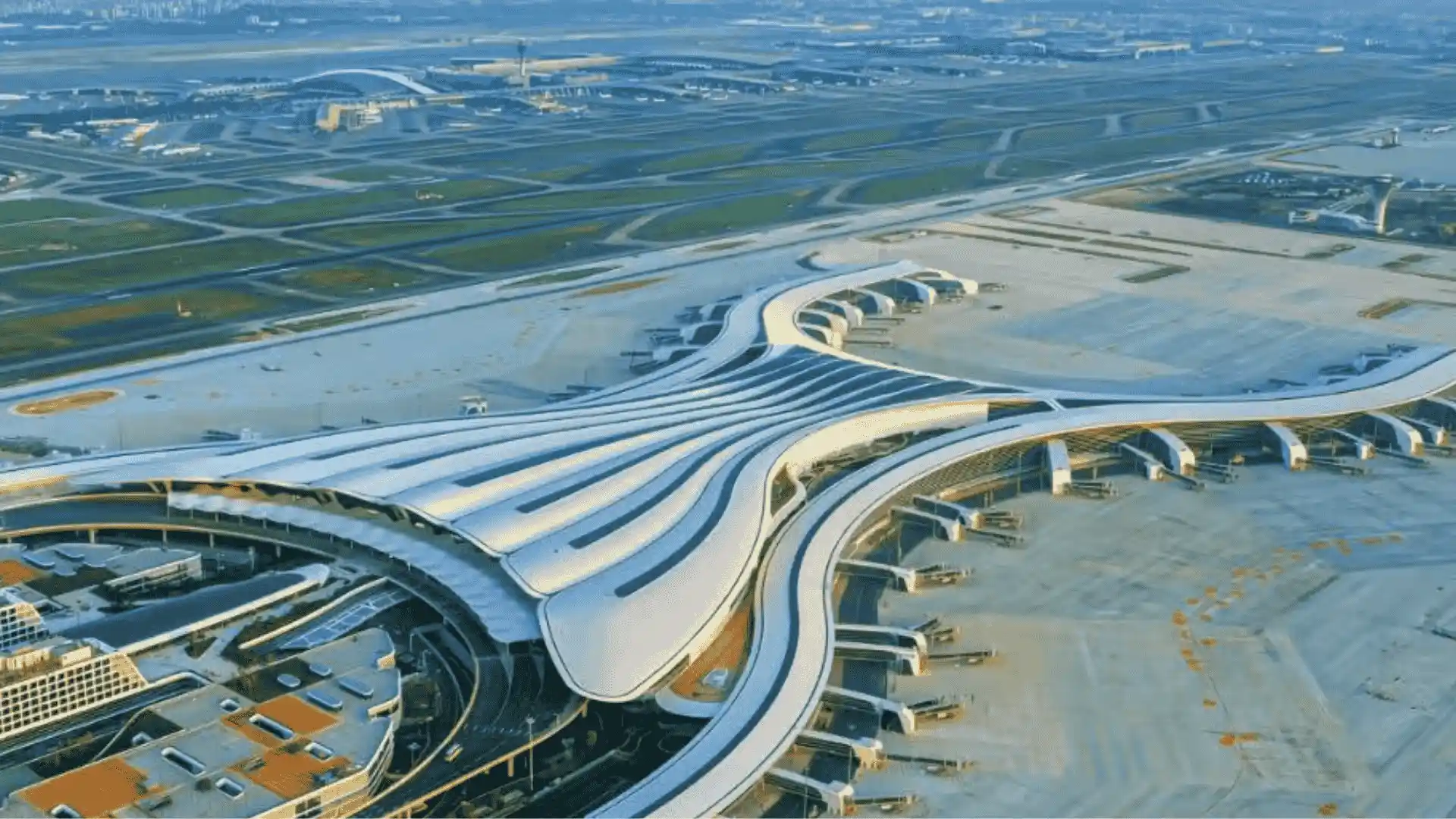
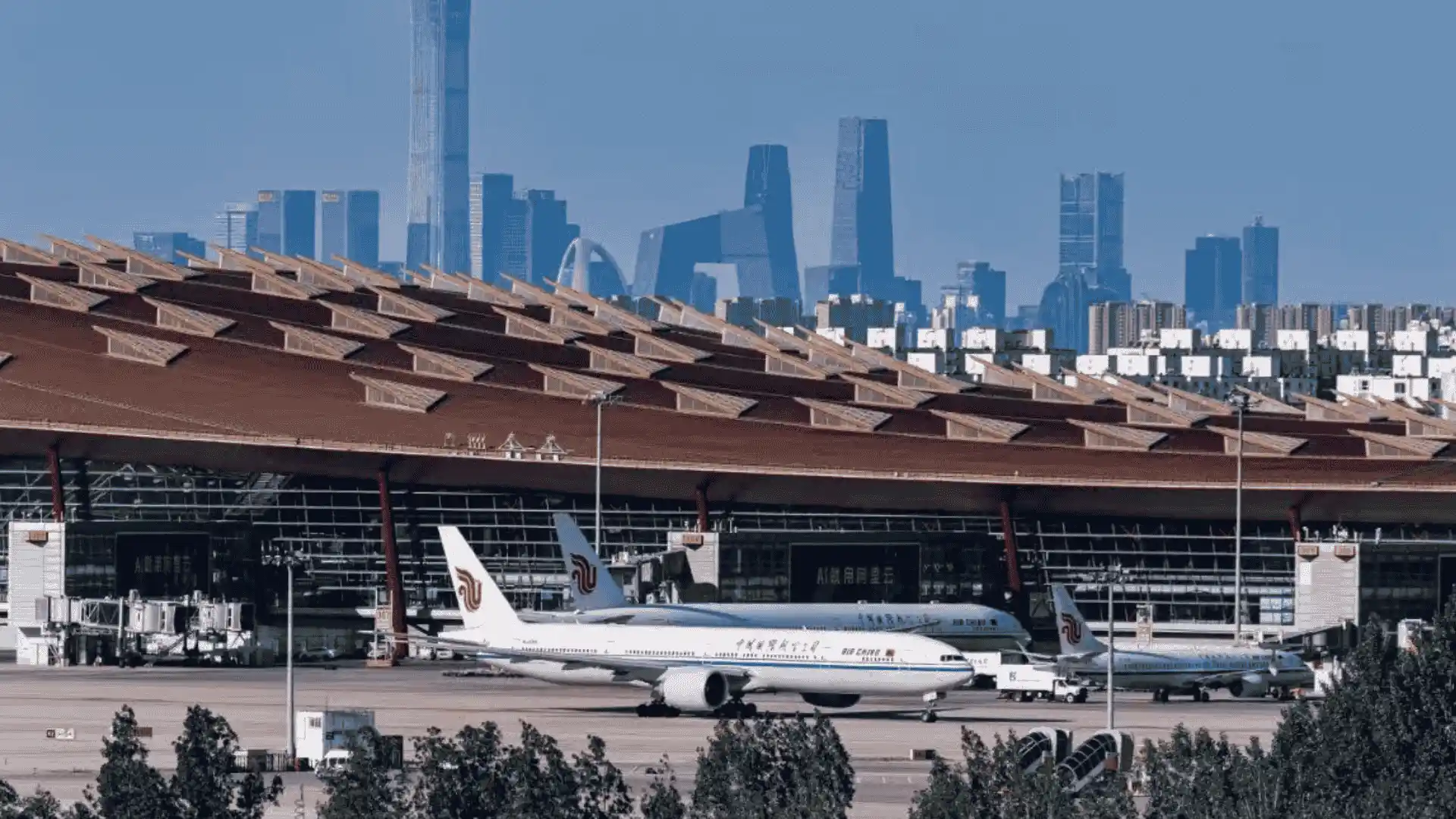
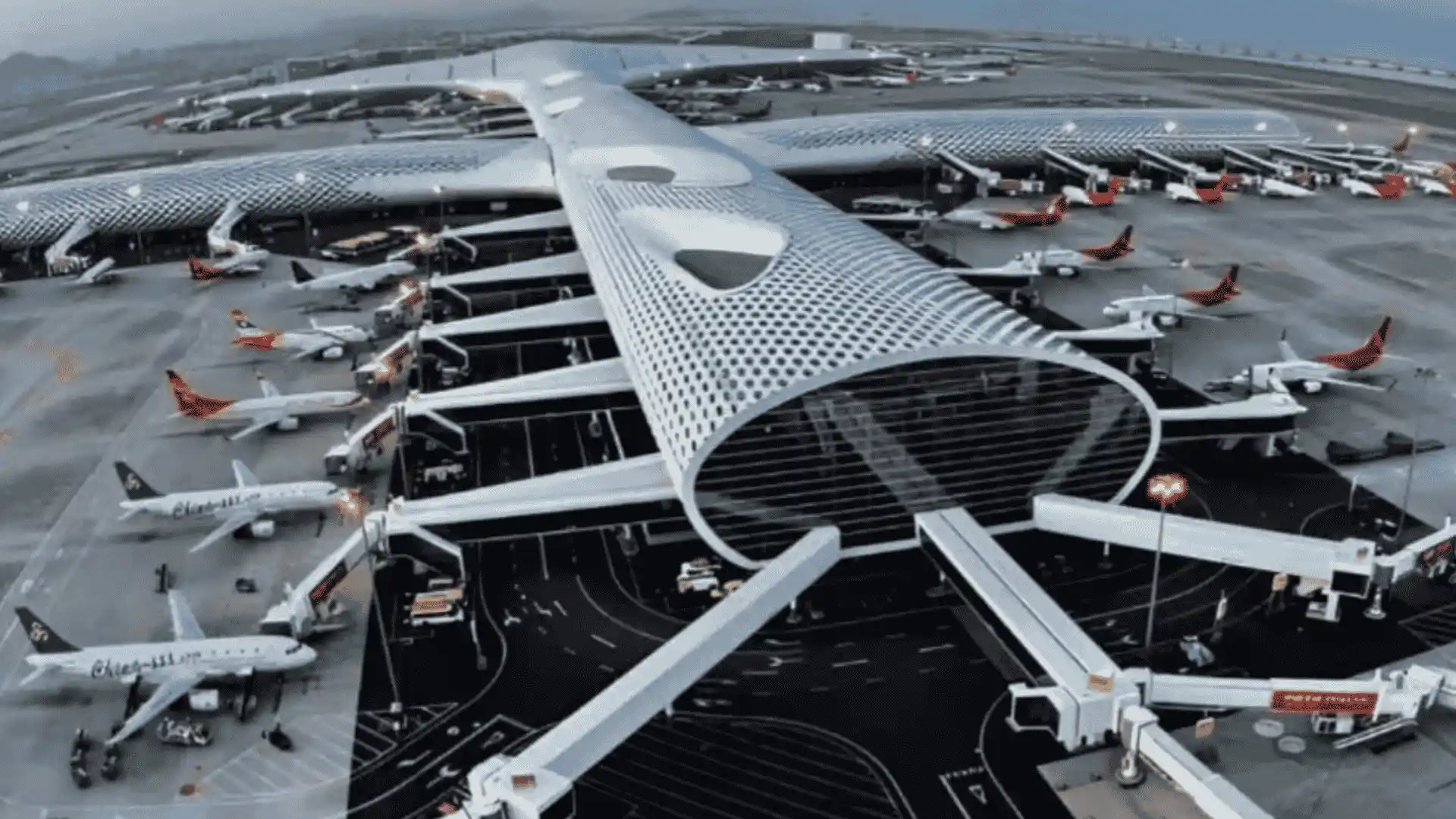
- Experiencing Guangzhou Baiyun International Airport. As one of the busiest aviation hubs on the planet, its soaring, curved rooflines and hyper-efficient transit integrations represent the absolute pinnacle of modern Chinese infrastructure.
- Exploring Baiyun New Town. Built on the footprint of the old, decommissioned airport, this rapidly developing CBD is a masterclass in urban regeneration, seamlessly blending sprawling green parks with vanguard architectural marvels like the Guangzhou City Planning Exhibition Center.
How to Get There
Baiyun is the absolute logistical nervous system of Southern China, flawlessly integrated into both international flight paths and the Guangzhou Metro network.
To navigate this expansive district, the high-speed Line 3 acts as the main umbilical cord, perfectly connecting the airport terminals directly to the downtown core in under 45 minutes. For those looking to escape into the mountain canopy, Line 2 skirts the western edge of Baiyun Mountain, offering a seamless transition from the dense urban grid to the tranquil trailheads.
Quick Facts
- The district earns its name from Baiyun Mountain. Historically, every time the late autumn rains subsided, a ring of pristine white clouds would gather around the mountain's peaks, a meteorological phenomenon celebrated in Lingnan poetry for centuries.
- Before the current mega-airport opened further north in 2004, the old Baiyun Airport was located right in the middle of the city. Its relocation unlocked a massive parcel of prime real estate, giving birth to the highly curated, modern grid of Baiyun New Town.
- The district is a global powerhouse for the leather and cosmetics trade. Its massive wholesale markets serve as the absolute ground zero for international buyers, giving the southern neighborhoods of Baiyun an incredibly diverse, globalized street culture.
Home to Southern China's most dramatic global arrival
Since the early 2000s, when the new airport shifted the city's center of gravity northward, Baiyun has been an enclave long synonymous with first impressions and frictionless global connectivity. From the area's massive runway expansions to the groundbreaking preservation of its forested peaks, the district's love of scale sees it serve as the definitive benchmark for balancing immense economic velocity with ecological sanity.
For those architecting international brand messaging or anticipating the arrival of global executives, Baiyun offers a masterclass in the power of a destination's gateway. The neighborhood's striking, green-and-glass aesthetic is a stunning example of how a city welcomes the world—seamlessly transitioning travelers from the sleek, high-tech environment of the terminal directly into the deeply rooted, subtropical lushness of the mountain landscape.
The Forested Peaks—navigating the mountain trails
The winding, deeply shaded stone paths of Baiyun Mountain form the district's main recreational artery. Stepping off the cable car and into the canopy, you'll immediately see a network of vibrant, cascading streams, ancient Buddhist temples, and outdoor tea terraces completely shielded from the urban sprawl below.
Jam-packed with morning hikers, wellness enthusiasts, and weekend families, this vertical, forested grid is a fascinating melting pot of old-world Lingnan nature worship and modern outdoor culture that's sure to give you a profound, highly restorative perspective on Guangzhou's geographical scale.
Satisfy your appetite, from mountain-spring tofu to global wholesale alleys
Behind almost every bamboo grove and down the bustling avenues of the wholesale districts are Baiyun's celebrated kitchens, pumping out a mix of the city's purest natural flavors and its most diverse international fare. A must-do for visitors to the area is the "Mountain Tea Ritual." Because the mountain springs are renowned for their purity, local tea houses have perfected the art of brewing premium Pu'er tea and crafting incredibly delicate Shan Shui Dou Hua (mountain water tofu pudding).
Whether you're after the dense, savory satisfaction of a hearty, authentic Middle Eastern lunch in the diverse, expat-heavy enclave of Sanyuanli, or a refined, slow-paced vegetarian banquet near the Nengren Temple, there's something to refuel every tired traveler.
A paradise for urban regeneration and design-forward corporate hubs
Baiyun is arguably Southern China's capital of "infrastructure-led revival," and what's a massive district without spectacular, newly minted commercial zones? No matter your aesthetic, you can find an incredible, curated selection of environments that treat the city's rapid expansion with immense architectural respect.
The undisputed charm of the area lies in the wide, landscaped boulevards of Baiyun New Town. If you're hoping for an elevated, contemporary experience, be sure to browse the newly developed cultural centers and sleek corporate headquarters that have replaced the old runways. It is a stunning example of how a district can successfully package former industrial and transit land into a sophisticated, highly engaging exploration of modern urban planning and corporate lifestyle.
Taking to the quiet "Yuntai" gardens
Thanks to its global impact as a transit hub, the airport corridors and wholesale markets are undeniable, high-decibel environments. Though the atmosphere there is essential for experiencing the city's economic engine, if you really want to immerse yourself in the varying, deeply quiet layers of the neighborhood, you must walk toward the southern base of the mountain.
If you head into the meticulously curated expanse of Yuntai Garden, you'll find a network of incredibly quiet, flower-lined paths connecting some of the most serene, perfectly landscaped stretches of the district. Stepping into this fiercely protected botanical enclave offers a peaceful, grounding contrast to the roar of the jet engines—a place where the noise of the global supply chain vanishes, replaced by the scent of blooming roses, the sight of classical Romanesque colonnades, and the authentic, unhurried rhythm of a city catching its breath before the next flight.