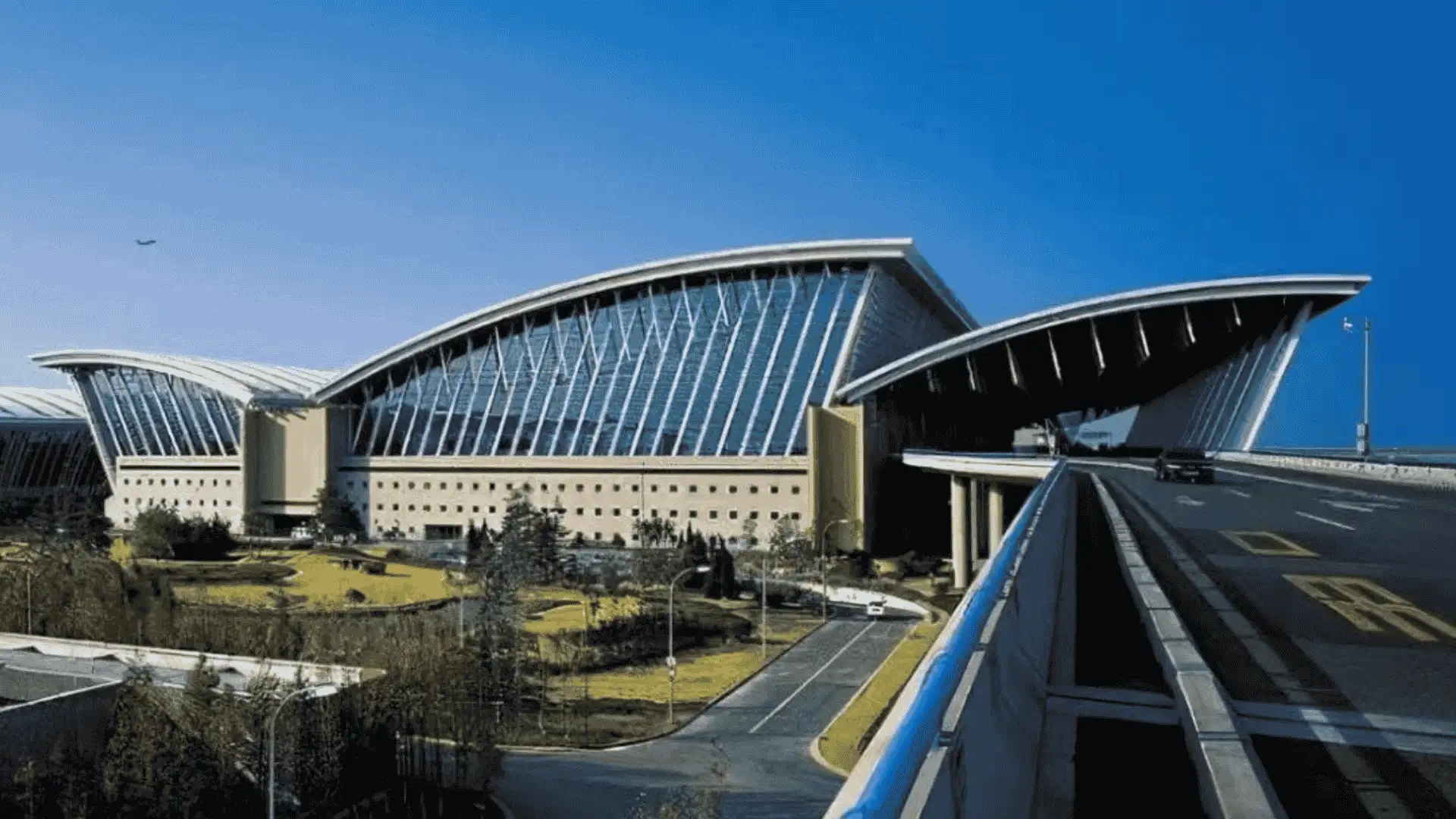
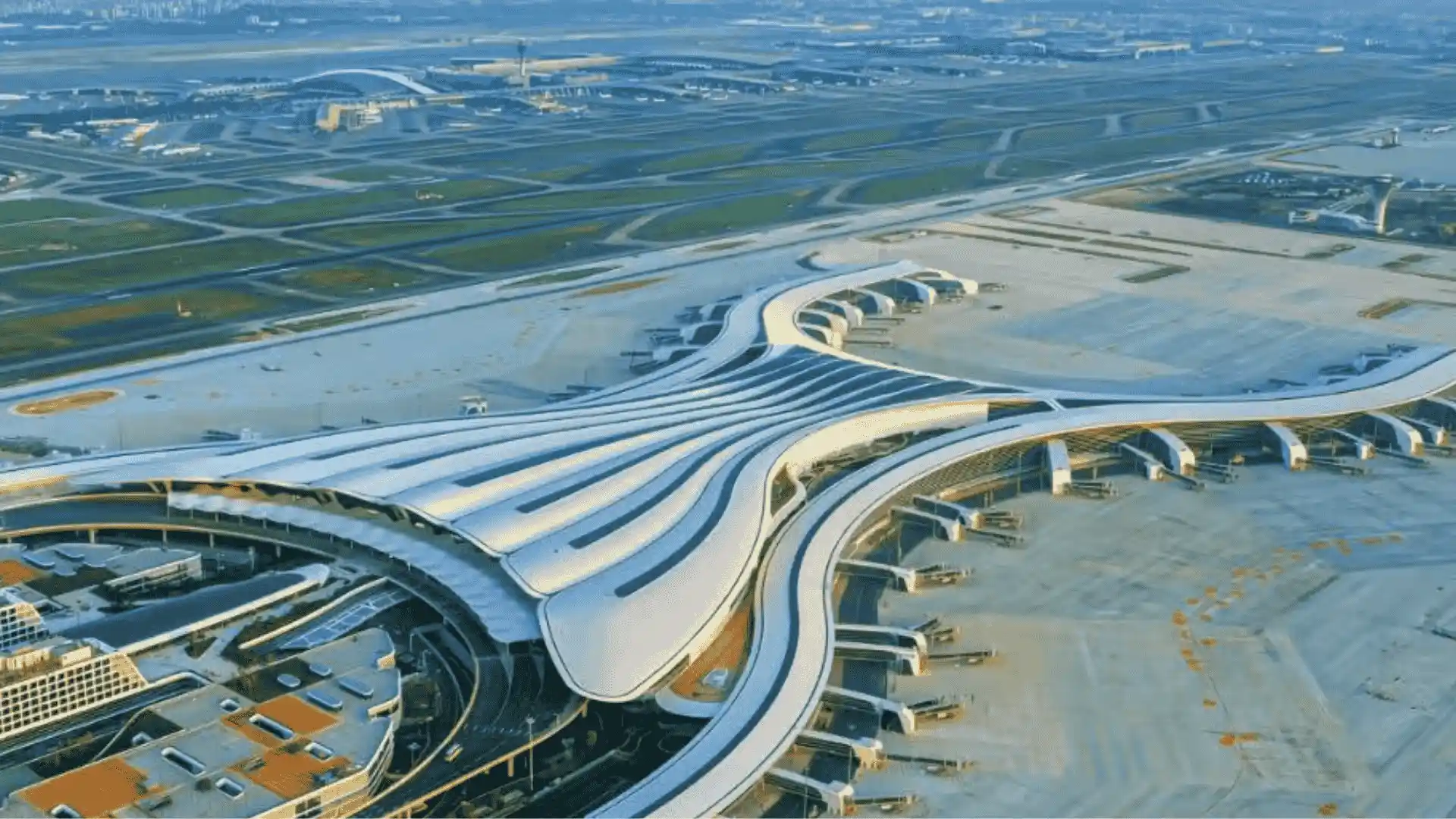
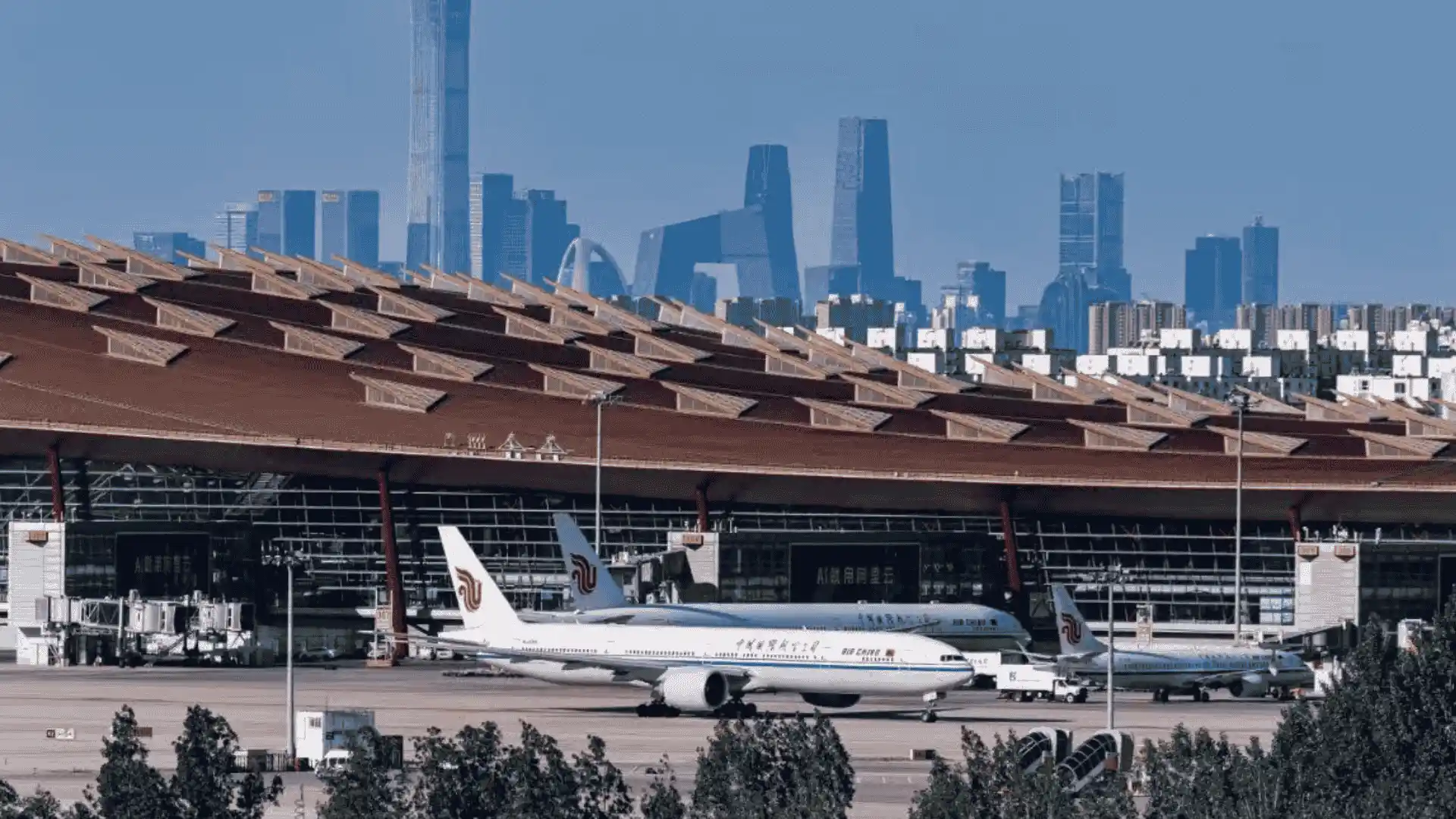
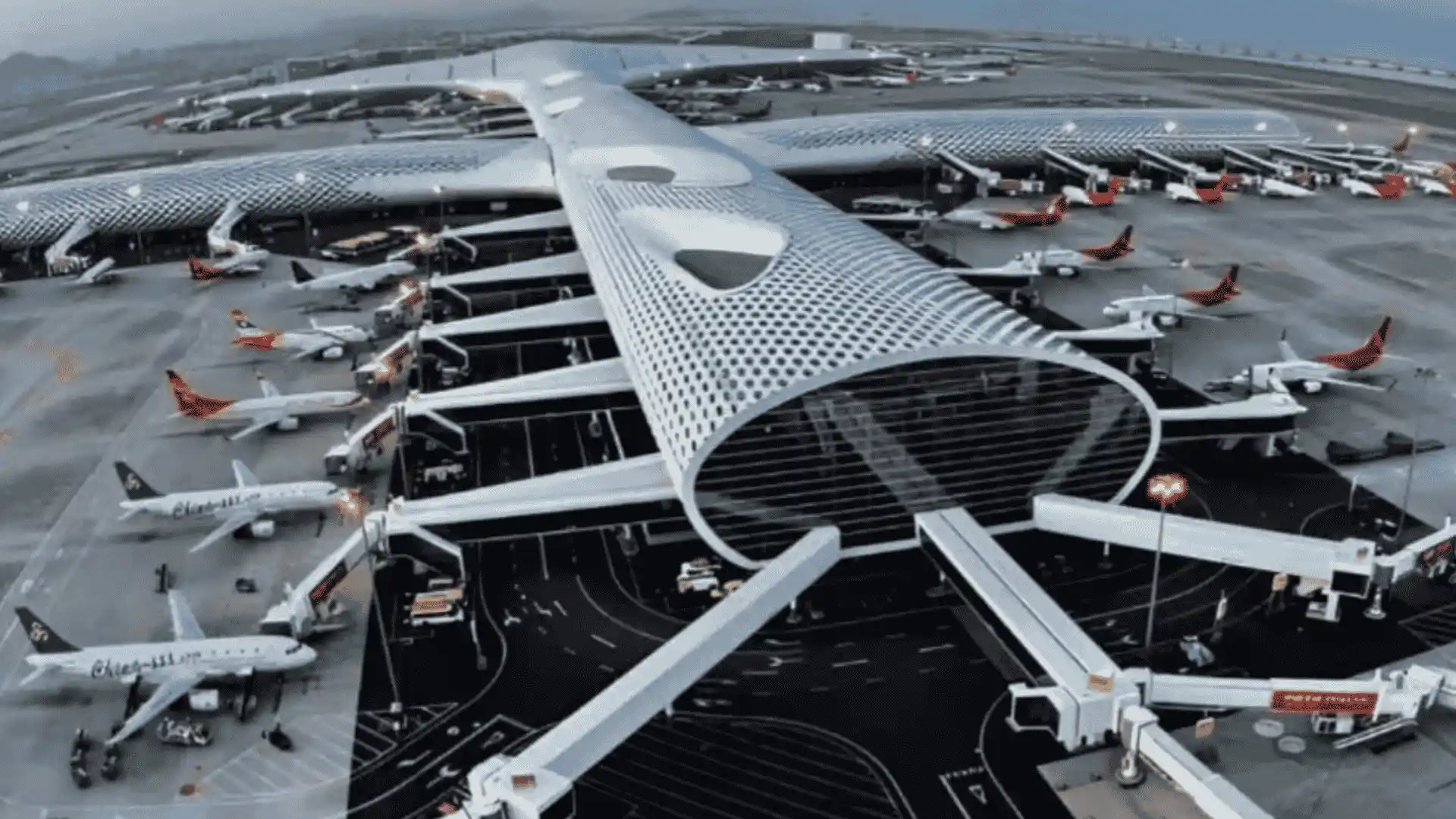
Situated south of the mighty Qiantang River, this massive district is a study in spectacular contrasts. It is anchored by the colossal, geometric footprint of the Hangzhou International Expo Center and the misty, willow-draped shores of Xianghu Lake—universally revered as West Lake's older, quieter "sister." Within a highly dynamic, trans-river morning, you can see economic and natural marvels ranging from the sleek, high-volume runways of Hangzhou Xiaoshan International Airport to the breathtaking, subterranean vaults of the Kuahuqiao Relics Museum, housing an 8,000-year-old wooden canoe. Stop for a flawlessly poured, single-origin espresso in a minimalist glass pavilion catering to international delegates in the CBD, browse the vanguard, master-planned commercial blocks of the Qianjiang Century City, and sample the district's legendary, wildly fresh aquatic cuisine—from delicate steamed whitefish to braised river prawns—in hushed, ultra-luxury dining rooms tucked into the surrounding hills. Saunter along the meticulously paved, crowd-free pedestrian bridges of Xianghu to watch the city’s weekending tech founders and history buffs navigating the humid, subtropical breeze. Take a break from the dense, high-stakes stimulation of the massive convention halls with a quiet, breezy afternoon riding a traditional wooden boat across Xianghu's glassy surface, watching the rugged, forested peaks reflect in waters that have silently witnessed the rise and fall of entire ancient kingdoms.
Don't Miss
- Finding absolute serenity at Xianghu Lake. Often called the "Sister of West Lake," Xianghu is actually older and profoundly quieter. It lacks the dense, overwhelming tourist crowds of the city center, offering a pristine, highly curated landscape of sweeping bridges, historic pagodas, and lush peninsulas that feels like a private, royal reserve.
- Stepping into deep time at the Kuahuqiao Relics Museum. Built directly over an active archaeological site on the shores of Xianghu, this striking, ship-shaped museum houses the absolute bedrock of Hangzhou's history, including the world's oldest known dugout canoe (dating back 8,000 years), proving the region's ancient mastery of the water.
- Grasping the scale of Qianjiang Century City & The Expo Center. Xiaoshan is not just history; it is the future of global summits. The massive Expo Center famously hosted the G20 Summit, and the surrounding CBD—built to mirror Qianjiang New City directly across the river—is a staggering showcase of modern Chinese urban planning, luxury hospitality, and athletic infrastructure.
How to Get There
Xiaoshan is the absolute logistical gateway to Hangzhou, flawlessly integrating the city's primary international aviation hub with the expansive Hangzhou Metro network.
To plunge into the tranquil waters of the lake, take the historic Line 1 directly to its southern terminus at Xianghu Station. Emerging from the underground, the transition is immediate and restorative, dropping you just a short, shaded walk from the northern shores. For the hyper-modern convention centers and the airport, the sleek Line 7 and Line 6 weave through the sprawling commercial grids of Qianjiang Century City, ensuring a frictionless, high-speed transition from a transatlantic flight directly into the boardroom or the boutique hotel.
Quick Facts
- Historically, Xiaoshan was an independent, fiercely wealthy manufacturing city before being officially absorbed as a district of Hangzhou in 2001. It remains one of the most economically powerful districts in all of China, driven by massive private enterprises and textile empires.
- Xianghu was the historic cradle of the ancient State of Yue during the Spring and Autumn Period (around 500 BC). The legendary King Goujian famously slept on brushwood and tasted gall here to harden his resolve for revenge—a story known by every schoolchild in China.
- Because the district contains massive tracts of undeveloped, scenic land compared to the hyper-dense downtown, it has become the ultimate canvas for sprawling, master-planned luxury resorts and exclusive, low-density residential estates catering to the region's billionaires.
Home to Eastern China's ultimate high-speed sanctuary
Since the early 2000s, when municipal planners aggressively expanded the city's footprint across the river, Xiaoshan has been an enclave long synonymous with uncompromising ambition and staggering infrastructure. From the area's massive investment in the Asian Games athletic venues to the breathtaking, ecological restoration of Xianghu's water quality, the district's love of scale sees it serve as the definitive, dual-engine driving Hangzhou's modern wealth and ancient pride.
The neighborhood's striking, modern-meets-mythic aesthetic is absolutely essential for a complete narrative of the city. While curating lifestyle itineraries or high-end hospitality narratives, highlighting Xiaoshan proves that Hangzhou possesses both the sheer, logistical muscle to host the world and the deep, uncrowded natural reserves to offer absolute retreat. The district ensures that the roar of the jet engines, the sleek glass of the supertalls, and the sheer, relentless quiet of the ancient lake remain the immovable, authentic foundation of the space.
The Lake Corridors—navigating the uncrowded shores
The winding, rain-polished flagstones of the lake-side paths and the massive, elegantly arched stone bridges form the district's main natural artery. Stepping off the main boulevards and into the scenic area, you'll immediately see a network of vibrant, cascading floral gardens, traditional wooden pavilions, and a relentless, soothing sense of open space.
Jam-packed with local cyclists, design-conscious weekenders, and affluent families, this aquatic grid is a fascinating melting pot of ancient agrarian history and highly polished, slow-paced contemporary leisure that's sure to give you an electric, incredibly restorative perspective on how the other half of Hangzhou relaxes.
Satisfy your appetite, from global delegate dining to deep-lake harvests
Behind almost every gleaming glass facade in the CBD and within the hushed, bamboo-lined courtyards of the lakeside resorts are the district's celebrated kitchens, pumping out a mix of the city's most elevated international fare and robust, ocean-to-table dining. A must-do for visitors to the area is the "Cross-River Contrast." Because the district caters to both international diplomats and old-money locals, the culinary execution is brilliantly diverse.
Whether you're after the flawless execution of an imported, dry-aged steak and a robust Barolo inside a five-star dining room near the Expo Center, or a comforting, expertly crafted plate of spicy, locally foraged mountain greens paired with freshly caught Xianghu carp on a bustling outdoor terrace, there's something to satisfy every high-stakes schedule and palate.
A paradise for master-planned luxury and architectural ambition
Xiaoshan is arguably Eastern China's capital of "expansive curation," and what's a massive global gateway without spectacular, high-volume hospitality environments? No matter your aesthetic, you can find an incredible, overwhelming selection of spaces that treat the stunning natural topography and the new urban grids with immense architectural respect.
The undisputed charm of the area lies in its sprawling luxury estates. If you're hoping for an elevated, deeply isolated experience, be sure to browse the independent, design-forward resorts that completely surround Xianghu, offering private boat docks, integrated hot springs, and massive, minimalist courtyards. It is a stunning example of how a district can successfully package immense capital into a sophisticated, highly engaging exploration of boutique hospitality, completely insulated from the city's glare.
Taking to the quiet "Kuahuqiao" historical trails
Thanks to its global impact as an aviation and convention powerhouse, the main intersections of the new CBDs are undeniable, high-traffic environments. Though the atmosphere there is essential for experiencing the city's economic velocity, if you really want to immerse yourself in the varying, deeply peaceful layers of the neighborhood, you must return to the water's edge.
If you head to the rugged, forested hills surrounding the Kuahuqiao archaeological sites, you'll find a network of incredibly quiet, tree-canopied paths connecting some of the most serene, historically vital stretches of the entire municipality. Stepping onto these trails offers a peaceful, grounding contrast to the commercial density across the river—a place where the noise of the traffic completely vanishes, replaced by the wind rushing through the ancient pines, the distant tolling of a temple bell, and the authentic, unhurried rhythm of a landscape that was thriving millennia before the concept of a modern city ever existed.