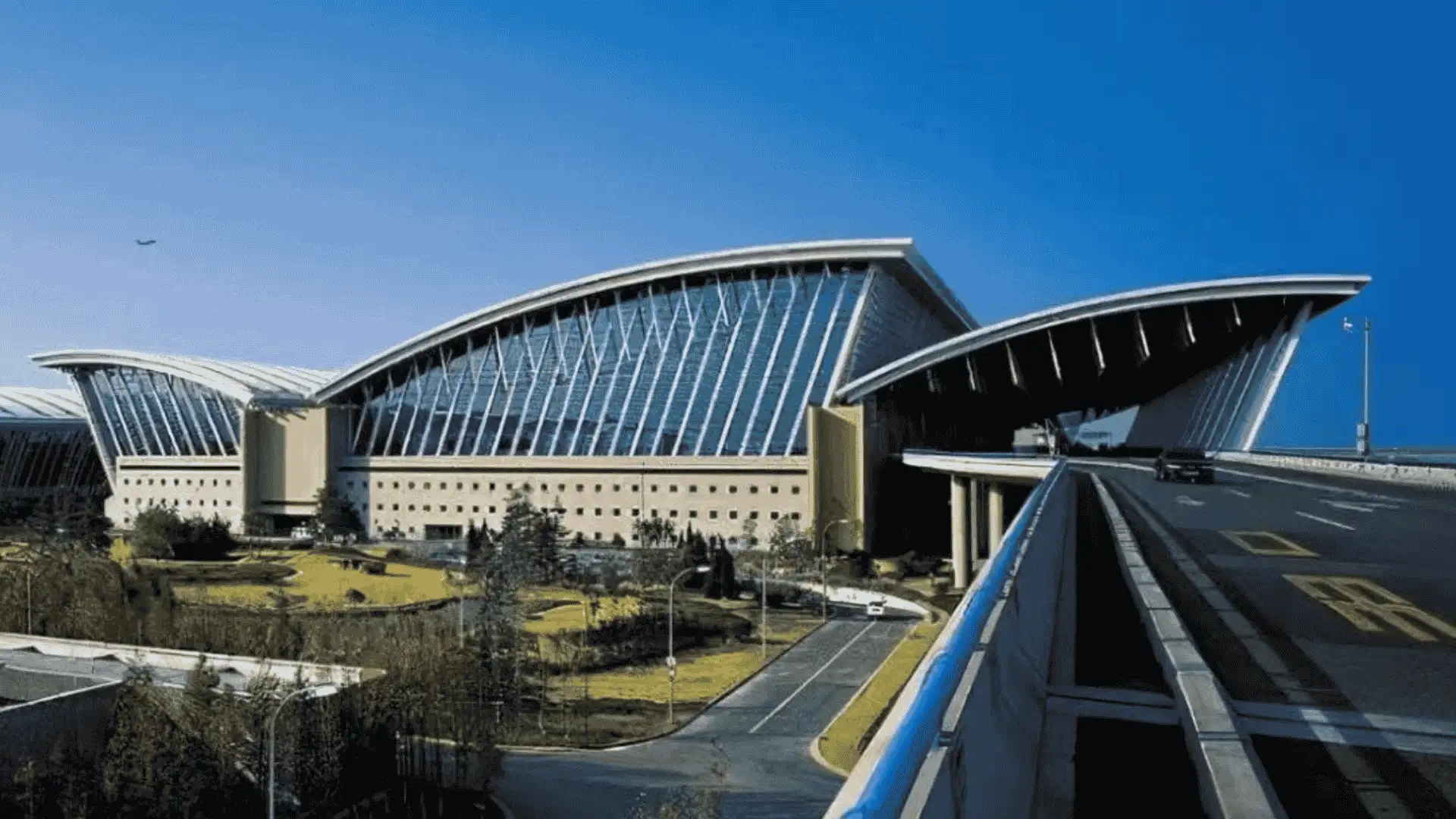
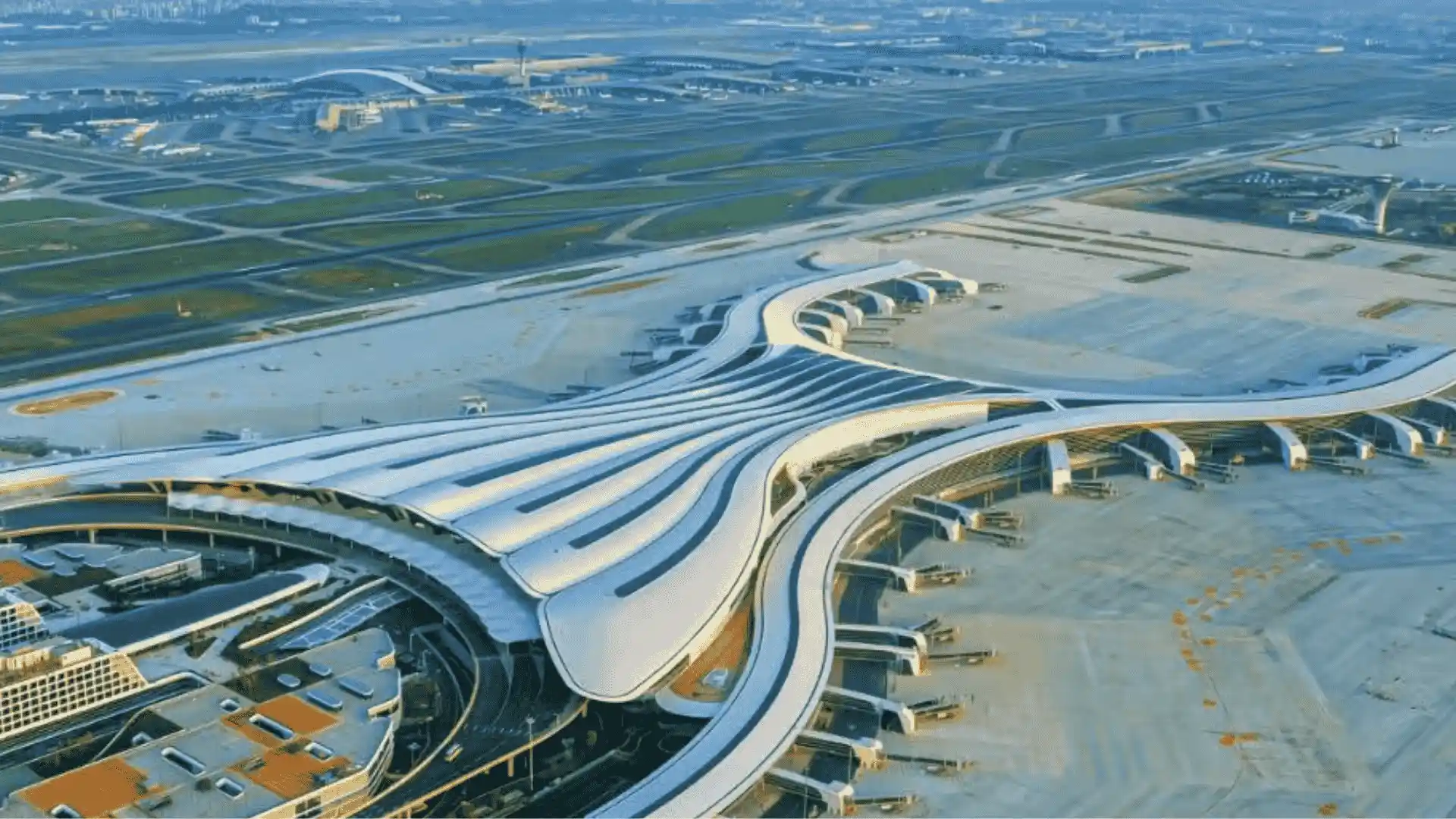
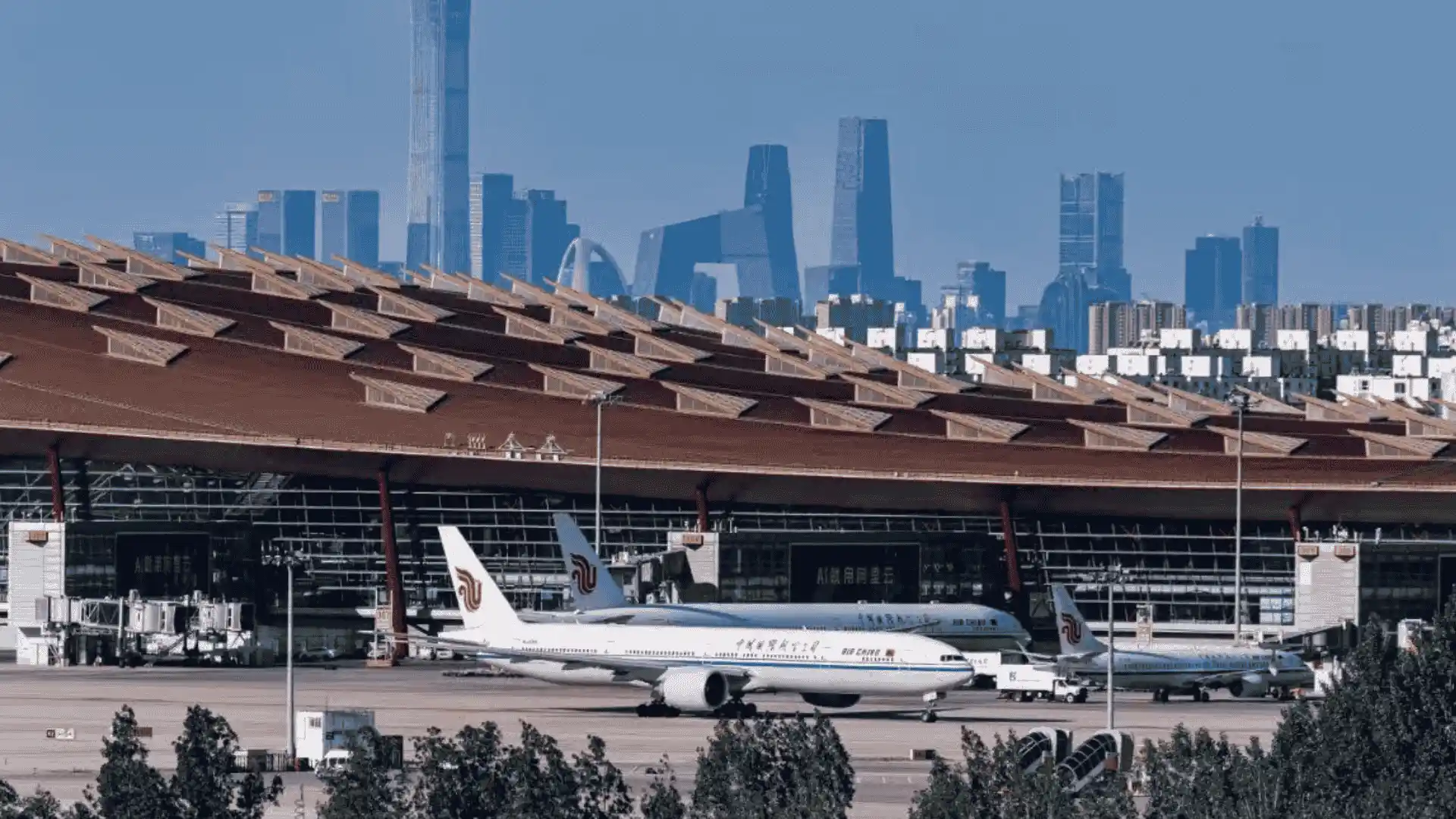
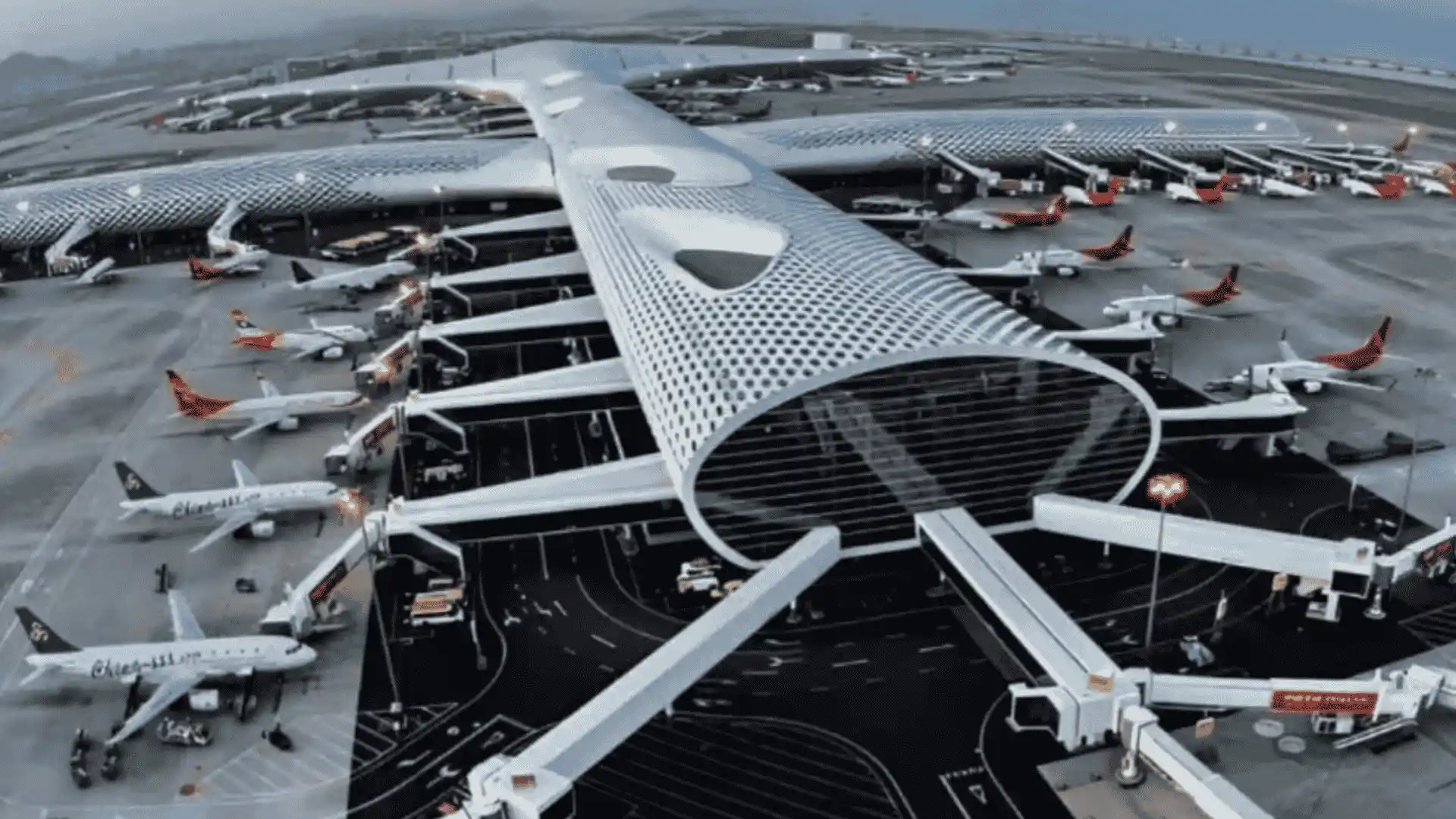
Situated on the central-north axis of the city, sitting just above the Futian CBD, this haven of rapid urbanization is anchored by the sprawling, aerodynamic canopy of Shenzhen North Railway Station and the quiet, lantern-lit alleyways of the Guanlan Original Printmaking Base. Within a highly contrasting, trans-district morning, you can see economic and architectural marvels ranging from the staggering, city-sized footprint of the Foxconn manufacturing campuses to the pristine, internationally renowned fairways of the Mission Hills Golf Club. Stop for a flawlessly extracted espresso in a sleek, multi-level bookstore built into the modern residential grids, browse the vanguard, globally sourced artworks housed within historic, 300-year-old Hakka watchtowers, and sample the district's legendary, fiercely authentic migrant cuisine—from rich, slow-braised Longhua pork trotters to delicate Hakka stuffed tofu—in bustling, steam-filled dining rooms catering to the city's massive workforce. Saunter along the meticulously paved, newly expanded commercial boulevards to watch the city’s next generation of tech workers and domestic travelers navigating the subtropical heat. Take a break from the dense, high-decibel stimulation of the transit corridors with a quiet, breezy afternoon wandering the lotus ponds and cobblestone streets of Guanlan, watching the afternoon sun cast long shadows over a village completely dedicated to the slow, meticulous art of traditional printmaking.
Don't Miss
- Understanding the scale of Shenzhen North Railway Station. This is not just a train station; it is a colossal, multi-level architectural triumph and one of the busiest high-speed rail hubs on the planet. Its soaring, white-steel roof acts as the primary gateway connecting Hong Kong and Shenzhen to the vast interior of mainland China.
- Finding sanctuary at the Guanlan Original Printmaking Base. Tucked away in the northern reaches of the district, this impeccably preserved 300-year-old Hakka village has been masterfully transformed into a global hub for printmaking artists. It is an absolute oasis of calm, featuring winding flagstone paths, ancient banyan trees, and world-class galleries housed inside traditional Lingnan architecture.
- Exploring the Mission Hills Resort. Spanning across the border of Longhua and Dongguan, this is officially recognized by Guinness World Records as the world’s largest golf facility. Beyond the 12 championship courses, it boasts a massive, open-air ecological and retail complex, offering a highly curated, premium weekend escape from the urban density.
How to Get There
Longhua is the geographic center of Shenzhen's northward expansion, serving as the absolute transit funnel for the entire metropolis.
To plunge into this high-speed hub, take the city's central artery, Line 4 (The Longhua Line), which shoots straight up from the Futian CBD. This line is highly cinematic, emerging above ground to glide over the sprawling urban villages and new residential super-blocks. Line 5 and Line 6 perfectly intersect at Shenzhen North Station, ensuring a frictionless, deeply integrated transition from the municipal subway grid directly onto a 300 km/h bullet train.
Quick Facts
- Longhua is globally famous as the "Factory of the World." It houses the massive Foxconn Longhua Science and Technology Park, a walled, self-contained corporate city where hundreds of thousands of workers historically assembled the bulk of the world's iPhones and consumer electronics.
- The district officially transitioned from a "New Area" to a full administrative district in 2017, sparking a multi-billion-dollar wave of gentrification, replacing old factories with towering, high-end residential complexes and massive luxury malls like Uniwalk.
- The Guanlan River, which runs through the district, is the only major river in Shenzhen that flows north, eventually feeding into the massive Pearl River system via Dongguan.
Home to Southern China's most dramatic industrial evolution
Since the 1990s, when global electronics brands first set up their massive assembly lines here, Longhua has been an enclave long synonymous with raw, uncompromising industrial output. From the area's massive investment in replacing its factory floors with premium high-rises to the groundbreaking preservation of its Hakka art villages, the district's love of rapid evolution sees it serve as the definitive, living showcase of Shenzhen's pivot from manufacturing to high-tech urban living.
The neighborhood's striking, highly functional aesthetic has been featured throughout global economic media as the ultimate symbol of China's shifting supply chain. And while the staggering scale of the high-speed rail hub brings an undeniable, fast-paced transit energy, the district hasn't forgotten its cultural roots, ensuring that the legacy printmakers, the neighborhood noodle stands, and the quiet, green fairways remain the true, restorative counterweight to the relentless speed of the city.
The Transit Corridors—navigating Shenzhen North
The massive, multi-tiered pedestrian plazas surrounding Shenzhen North Railway Station form the district's main circulatory artery. Stepping out of the subway interchanges, you'll immediately see a network of vibrant, cascading commercial podiums, endless streams of travelers, and the relentless, highly synchronized departure of sleek white bullet trains.
Jam-packed with domestic business executives, tech engineers, and holiday travelers, this logistical grid is a fascinating melting pot of high-speed national connectivity and hyper-modern urbanism that's sure to give you an electric, unfiltered perspective on the sheer volume of human movement in modern China.
Satisfy your appetite, from migrant comfort food to premium retail dining
Behind almost every gleaming new shopping mall facade and down the bustling alleyways of the urban villages are the district's celebrated kitchens, pumping out a mix of the city's most robust migrant cuisine and elevated international fare. A must-do for visitors to the area is the "Longhua Heritage Graze." Because the district was built by millions of workers from across the country, its culinary execution is incredibly diverse and deeply comforting.
Whether you're after the dense, savory satisfaction of a steaming bowl of Longhua's famous braised pork trotters in a rustic, decades-old eatery, or a refined, flawlessly executed modern Cantonese banquet inside the sprawling Uniwalk mega-mall, there's something to refuel every tired traveler and local resident.
A paradise for traditional craftsmanship and massive-scale leisure
Longhua is arguably Southern China's capital of "curated contrasts," and what's a massive industrial hub without spectacular, highly protected cultural environments? No matter your aesthetic, you can find an incredible, curated selection of spaces that treat the district's Hakka heritage with immense architectural respect.
The undisputed charm of the area lies in the quiet, lantern-hung alleys of the Guanlan Printmaking Base. If you're hoping for an elevated, tactile experience, be sure to browse the independent artist studios and massive wooden presses operating inside the ancient watchtowers. It is a stunning example of how a district can successfully package historic rural infrastructure into a sophisticated, highly engaging exploration of traditional global art, entirely insulated from the factories just a few miles away.
Taking to the quiet "Mission Hills" greenways
Thanks to its global impact as a manufacturing and transit powerhouse, the main thoroughfares of Longhua are undeniable, high-decibel corridors. Though the atmosphere there is essential for understanding the area's economic engine, if you really want to immerse yourself in the varying, deeply peaceful layers of the neighborhood, you must look toward the northern ecological zones.
If you head to the expansive, manicured landscapes surrounding Mission Hills, you'll find a network of incredibly quiet, tree-canopied paths connecting some of the most serene, premium recreational stretches of the district. Stepping into this fiercely protected resort enclave offers a peaceful, grounding contrast to the urban density—a place where the noise of the high-speed trains vanishes, replaced by the crack of a golf drive, the rustle of ancient banyan leaves, and the authentic, unhurried rhythm of a district that has successfully built a world-class lifestyle right on top of its industrial foundations.