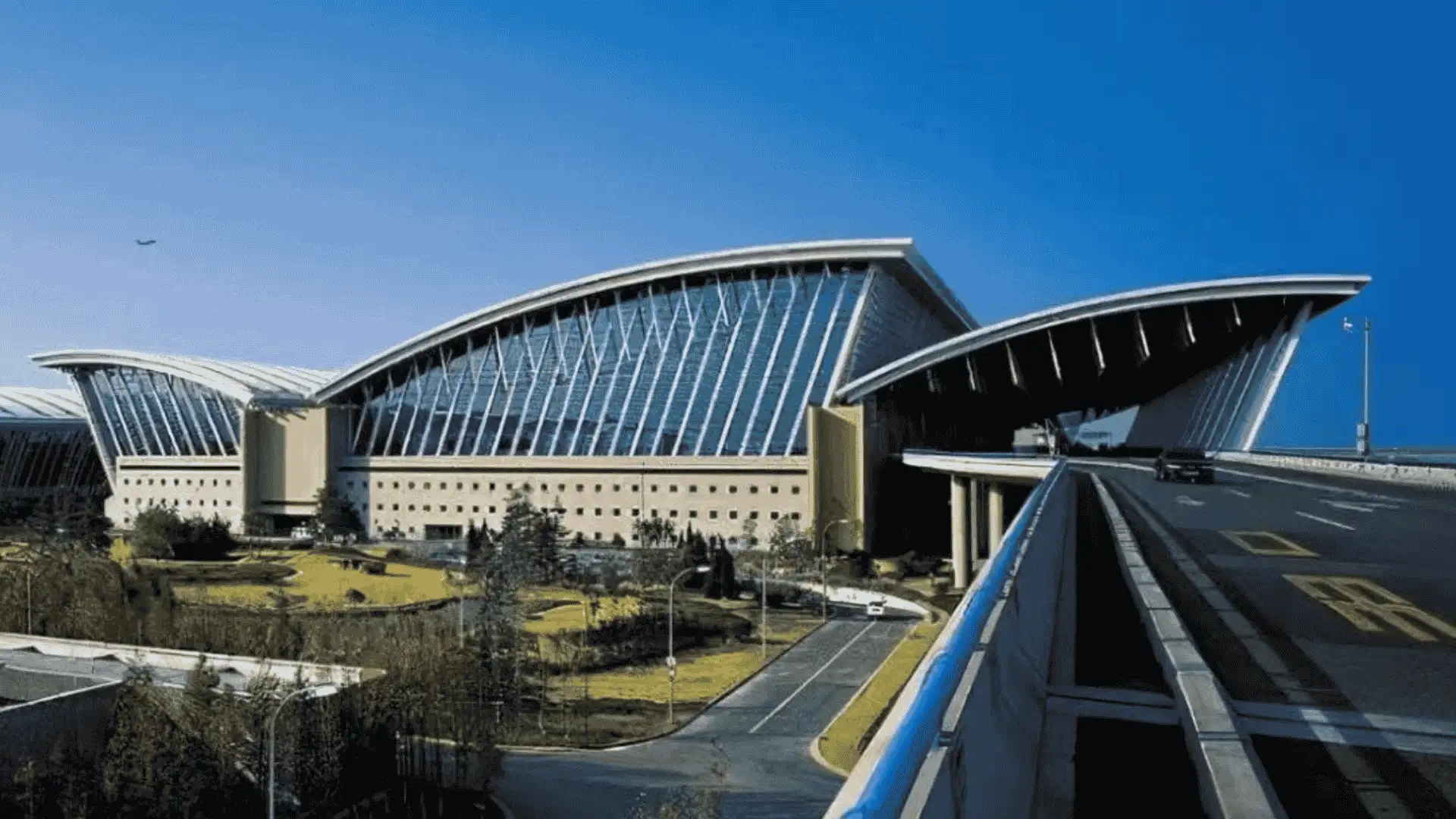
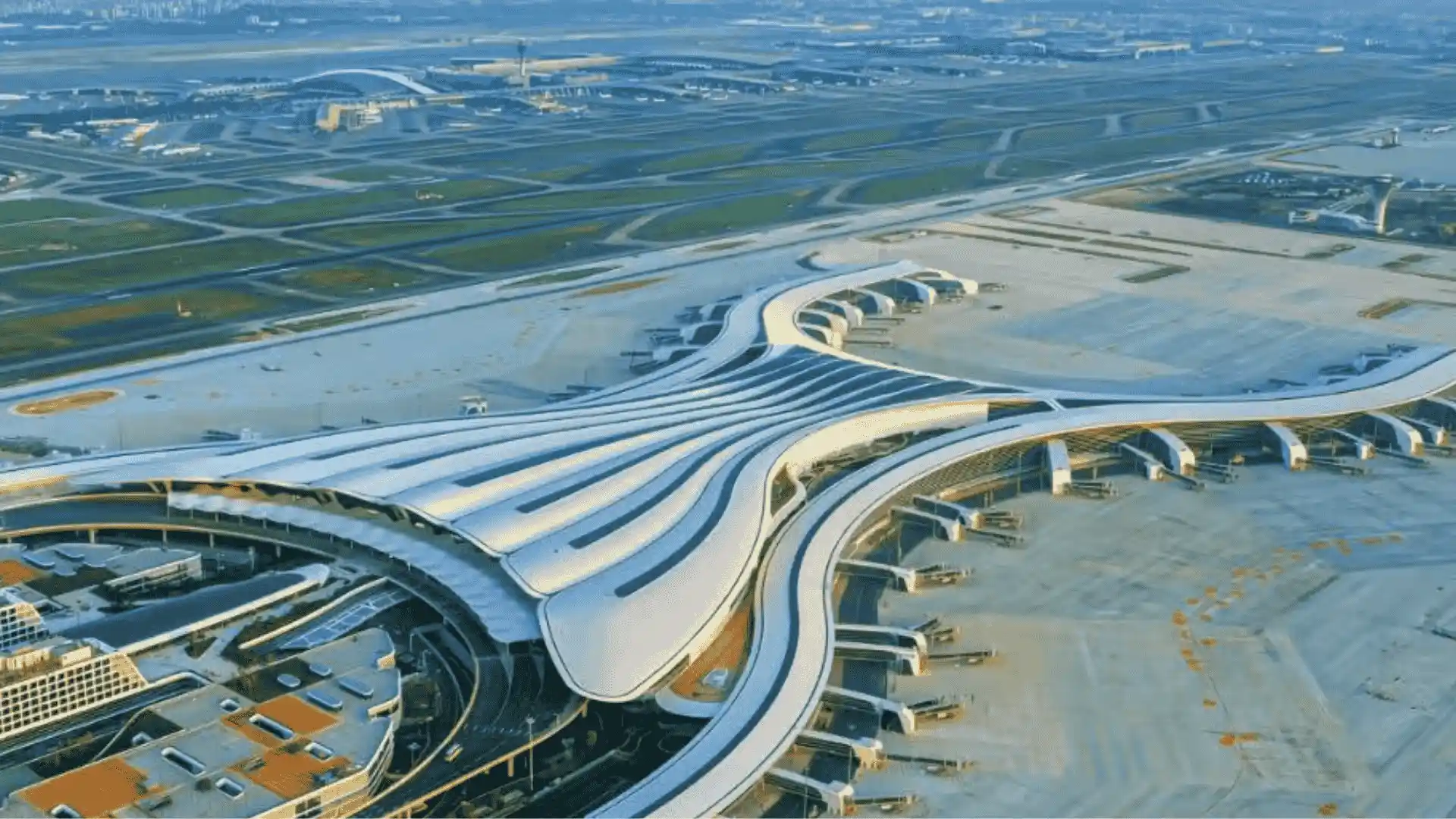
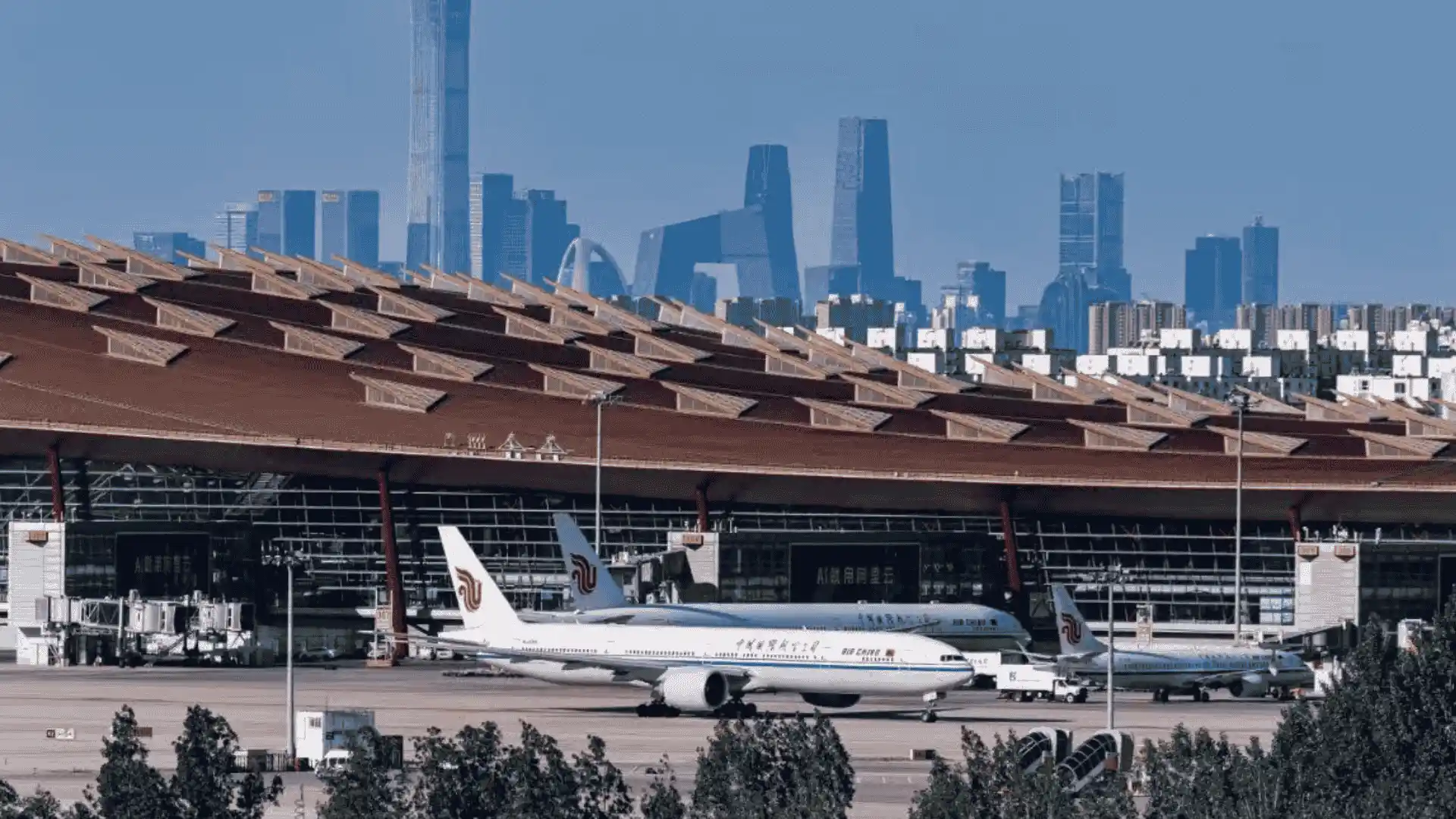
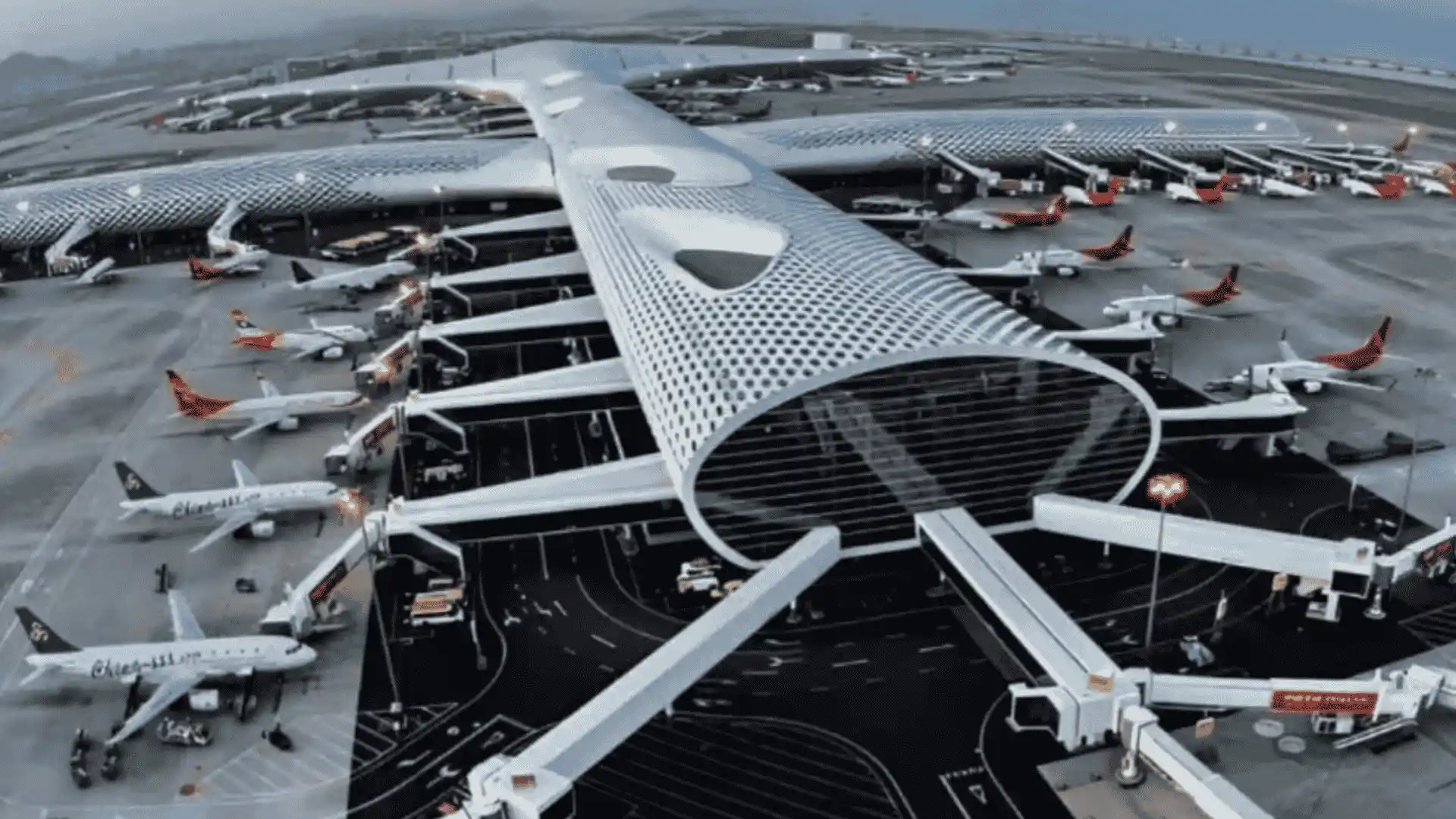
Situated on the southern banks of the sprawling Hun River (Hunhe), physically anchoring the critical link between the massive Taoxian International Airport and the historic imperial center, this haven of digital and civic capital is dominated by the soaring, geometric glass of the Shenyang Olympic Sports Center and the breathtaking, monolithic corridors of the Liaoning Provincial Museum. Within a flawlessly orchestrated, hyper-modern morning, you can see economic and architectural marvels ranging from the world-class, automated light-rail tramways to the vanguard, world-famous "Cultural Canyons" of the central civic axis—where immense libraries, science centers, and art galleries form a monumental new skyline. Stop for a flawlessly extracted, single-origin pour-over in a minimalist, glass-fronted cafe catering to aerospace engineers and international trade delegates, browse the independent tech boutiques tucked within the K11 Art Mall riverfront complex, and sample the district's legendary, fiercely elevated culinary scene—from incredibly rich, modern Dongbei fusion to refined, multi-course international banquets in hushed, sky-high dining rooms. Saunter along the meticulously paved, heavily illuminated pedestrian axes of Central Park to watch the city’s youth, international scholars, and local tech entrepreneurs navigating the high-decibel, digital current of the "New Shenyang." Take a break from the dense, high-stakes stimulation of the commercial grid with a breathtaking, silent moment at the Hun River Greenbelt, watching the complex, unhurried history of a neighborhood built entirely on the vision of the future quietly anchor the trillion-dollar energy of modern Liaoning.
Don't Miss
- The Provincial Civic Axis. This is the absolute visual powerhouse of the district’s ambition. Housing the Liaoning Provincial Museum, the Provincial Library, and the Science Museum in one staggering, master-planned plaza, it is a stunning study in 21st-century institutional engineering. Walking its vast, wind-swept stone plazas offers a profound, cinematic understanding of Shenyang’s pivot from heavy industry to high culture.
- Navigating the Hunnan Tram Network. This is not just a transit system; it is a futuristic architectural odyssey. Gliding across the district in a sleek, silent, catenary-free light rail car provides an unparalleled, horizontal perspective of the city’s high-tech campuses and wide, tree-lined boulevards.
- Exploring the Olympic Sports Center (The Crystal Crown). Built for the 2008 Games, this massive, glass-canopied stadium serves as the definitive architectural landmark of the south bank. It is a mandatory exercise for any serious observer of the city's modern structural supremacy.
How to Get There
Hunnan operates as the absolute logistical and technological nervous system of southern Shenyang, flawlessly integrated into the city's expanding subterranean transit network and aerial gateways to ensure the frictionless movement of hundreds of thousands of daily researchers and executives.
To plunge directly into this high-velocity sanctuary, take Line 2 or Line 9 of the Shenyang Metro directly to the Olympic Sports Center Station or the Provincial Museum Station. Emerging from the modern, highly polished transit grid, the transition is immediate and highly cinematic: the utilitarian, historic grit of the northern city instantly dissolves into a wall of LED facades, the quiet hum of electric trams, and the staggering, quiet gravity of Northeast China's most competitive high-tech zone.
Quick Facts
- Hunnan District is the absolute "Gateway to Shenyang," housing the Shenyang Taoxian International Airport and the massive Shenyang South Railway Station (the hub for high-speed rail to Beijing and Dalian).
- The district features a unique "Water-and-Tech" layout, separated from the old city by the Hun River, and was completely master-planned to be the new municipal and high-tech heart of the capital.
- Historically an area of rural farmland and marsh; its transformation into a national high-tech development zone and free-trade area has dictated the city's aggressive southern urban expansion.
Home to Northeast China's most audacious technological resilience
Since the early 2000s, when municipal planners envisioned a world-class institutional and intellectual nexus across the river, Hunnan has been an enclave long synonymous with uncompromising ambition and staggering urban engineering. From the city's massive investment in the high-tech 5G digital zones to the breathtaking, quiet conservation of the nearby forest parks, the district's love of its own futuristic lineage sees it serve as the definitive, polished blueprint for Shenyang's identity beyond the rustbelt.
The neighborhood's striking, glass-and-emerald aesthetic is absolutely essential for a complete narrative of the city. Highlighting Hunnan proves that far beyond the ancient palace walls and the brutalist factories, Shenyang possesses the sheer, logistical muscle to operate as a vital, hyper-modern hub in the global economy. The district ensures that the hum of the electric shuttles, the glow of LED billboards at midnight, and the sheer, relentless energy of the corporate crowds remain the immovable, authentic foundation of the space.
Taking to the quiet "Hun River" horizons
Thanks to its global impact as a technological powerhouse, the main concourses of the Civic Axis and the Olympic plazas can be undeniable, high-decibel environments during major events. Though the atmosphere there is essential for experiencing the city's pulse, if you really want to immerse yourself in the varying, deeply peaceful layers of the neighborhood, you must look toward the hidden waterfront.
If you navigate past the screaming traffic and step into the shaded, willow-filled trails of the Hun River (Hunhe) Park, you'll find an incredibly quiet, sprawling transition connecting modern diplomatic brilliance directly to the raw, romantic power of the region's defining waterway. Stepping onto these elevated boardwalks offers a peaceful, grounding contrast to the intense visual velocity behind you—a place where the noise of the crowds completely fades, replaced by the wind rustling the reeds, the sight of a modern bridge reflected in the dark water, and the authentic, unhurried rhythm of a natural sanctuary that quietly demands the modern mega-city never forget its true, organic origins.