Stretching from the glittering, billionaire coastlines of Shenzhen Bay deep into the sprawling, robotic assembly lines of Dongguan, and outward to the pristine, white-sand bays of Huizhou, this sprawling megalopolis functions as a single, flawlessly integrated economic organism. Within a frictionless, 40-minute intercity train journey from the Futian CBD, you can see marvels ranging from the autonomous drone corridors of Nanshan to the surreal, European-castle-inspired architecture of Huawei’s Songshan Lake Campus in Dongguan. Stop for a flawlessly poured flat white in a converted manufacturing plant in Chang'an, browse the massive, high-tech R&D incubators that bridge the city borders, and sample the region's incredibly diverse culinary spectrum—from the elevated, Michelin-starred global dining of Shenzhen to the incredibly rich, legendary roasted goose (Shao E) of Dongguan's historic villages. Saunter through the quiet, forested trails of Huizhou’s Luofu Mountain to watch the region's tech executives seeking absolute silence, then seamlessly transition back to the high-decibel, neon-lit rhythm of the urban core. Take a break from the relentless pace of the global supply chain with a breezy weekend retreat to the uncrowded, emerald waters of Xunliao Bay, where the intense corporate energy of the mega-region dissolves into the salty breeze of the South China Sea.
Don't Miss
- Understanding the scale of Songshan Lake (Dongguan). Once a quiet reservoir, it has been transformed into a massive, world-class high-tech zone. It is famous for housing Huawei's colossal R&D headquarters, which is bizarrely and beautifully modeled entirely after historic European towns, complete with its own internal railway system.
- Riding the Intercity Railway Network. The lines blurring Shenzhen, Dongguan, and Huizhou have been completely erased by transit. The Sui-Guan-Shen (Guangzhou-Dongguan-Shenzhen) Intercity Railway allows commuters to tap their phones and cross municipal borders at 200 km/h, making the three cities function as distinct neighborhoods of a single mega-city.
- Escaping to Xunliao Bay and Shuangyue Bay (Huizhou). Serving as the "Hamptons of Shenzhen," Huizhou boasts some of the most spectacular, unpolluted coastlines in Guangdong. With luxury cliffside resorts and world-class sailing, it is the ultimate, master-planned weekend sanctuary for the region's affluent tech class.
How to Get There
The Greater Shenzhen Area is defined by an infrastructural web so dense and efficient it borders on science fiction.
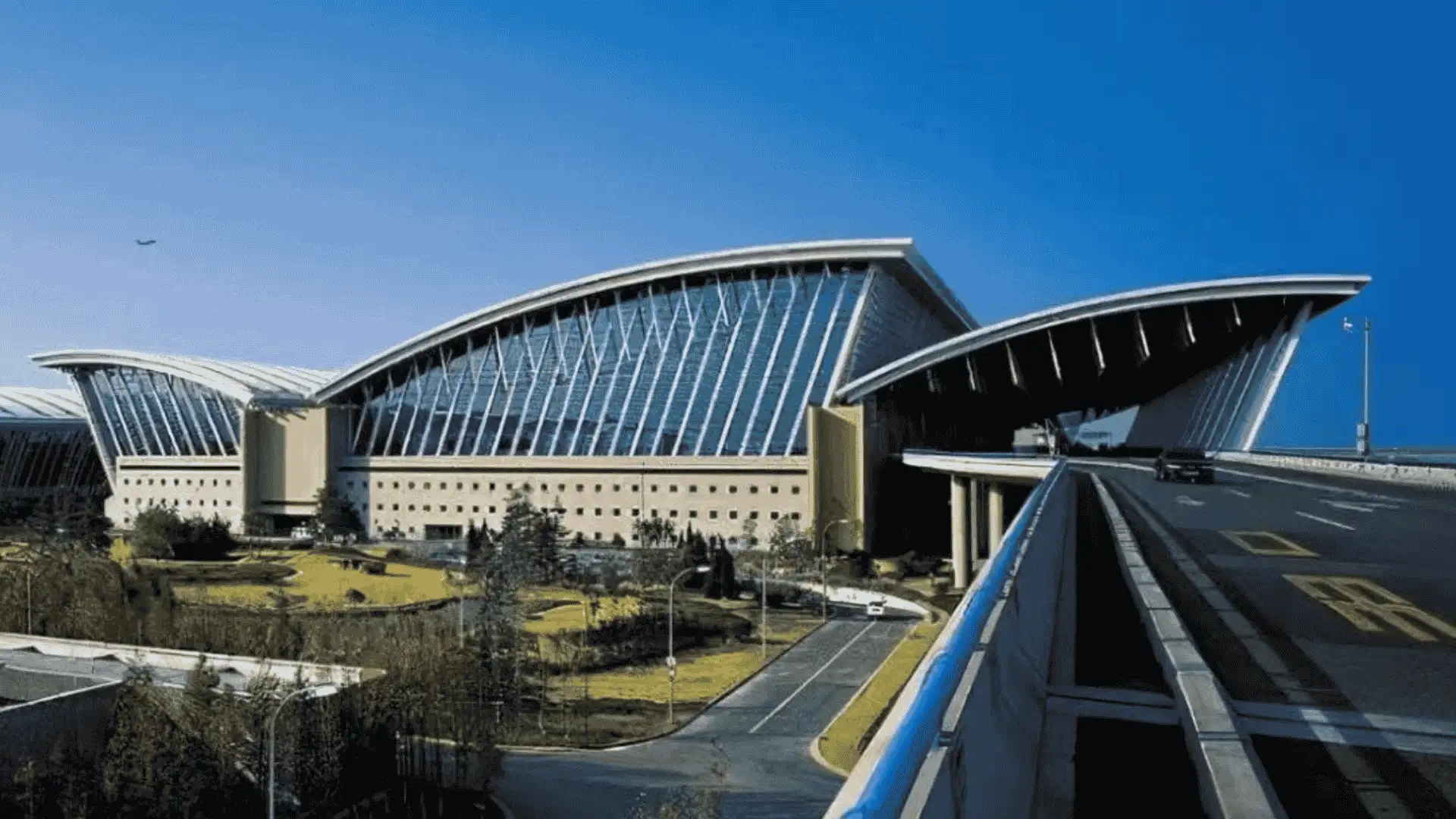
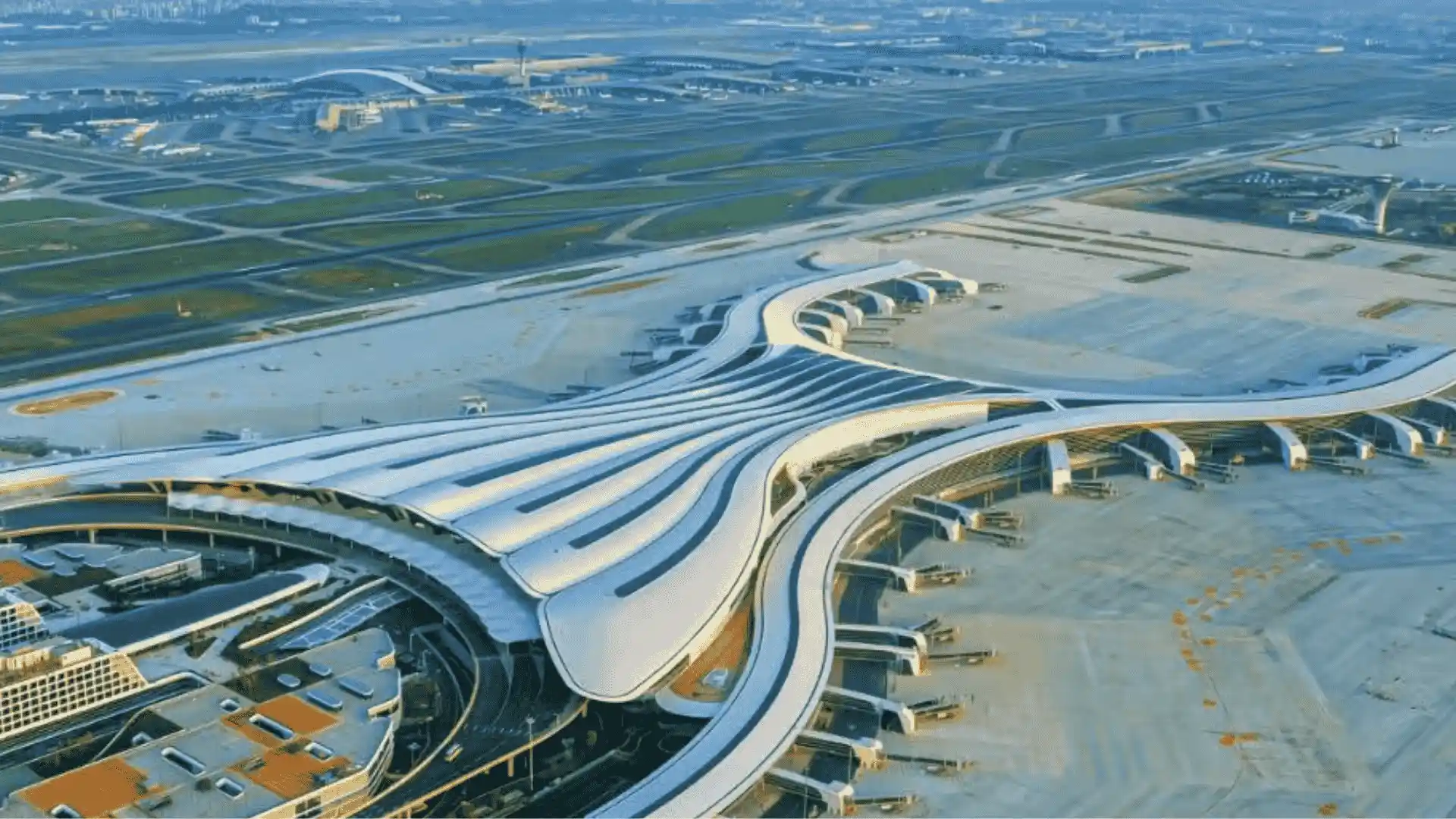
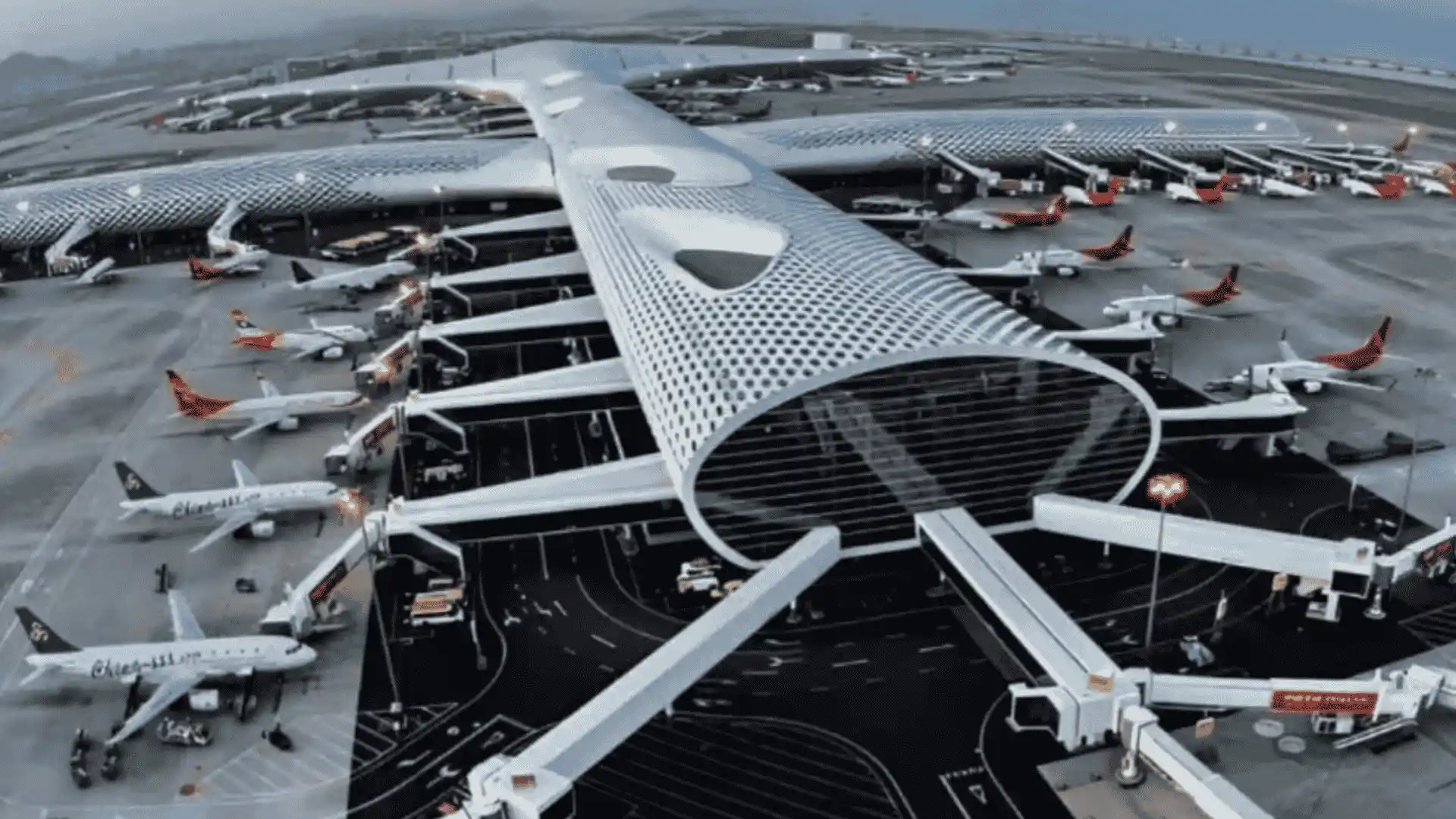
From the colossal transit hubs of Shenzhen North or the Shenzhen Bao'an International Airport (which physically borders Dongguan), an intricate web of intercity bullet trains, expanded metro lines, and massive, multi-lane expressways pumps millions of people across the region daily. The boundaries are so porous that it is entirely common for an executive to live in a luxury villa in Dongguan, commute to a boardroom in Nanshan in 30 minutes, and spend the weekend at a hot spring in Huizhou.
Quick Facts
- The "Shenzhen Metropolitan Circle" is an official government designation aimed at deeply integrating Shenzhen, Dongguan, and Huizhou into a unified economic block, representing a combined population approaching 30 million people and an economic output rivaling mid-sized European nations.
- While Shenzhen is the brain (R&D, finance, and design), Dongguan is the muscle. It is globally revered as the "Factory of the World," taking the software and prototypes designed in Shenzhen and mass-producing them with unparalleled speed and precision.
- Huizhou serves as the "Ecological Backyard" of the metropolis. It intentionally limits heavy industry to preserve its massive national forest parks, natural hot springs, and pristine coastlines, absorbing the weekend leisure demand of Shenzhen's high-stress workforce.
Home to the world's most aggressive urban synergy
Since the Greater Bay Area initiative shifted into overdrive, physically and economically welding Shenzhen to its northern and eastern neighbors, the Greater Area has been an enclave long synonymous with limitless scale and collaborative ambition. From the area's massive new cross-border technology parks to the groundbreaking preservation of Huizhou's coastal ecology, the region's love of seamless connectivity sees it serve as a highly functional, fiercely ambitious blueprint for the future of global megalopolises.
The region's dramatic contrasts have been featured throughout global economic media as the definitive showcase of the Pearl River Delta's unmatched supply chain. And while the industrial and commercial scale is vast, the network hasn't forgotten the importance of premium Lingnan lifestyle, ensuring that a creative director can finalize a prototype in a Dongguan factory at noon, and be sipping a cocktail on a Huizhou beach by sunset.
The Supply Chain Corridors—navigating the mega-region
The striking, ultra-modern architecture of the intercity rail stations forms the region's main circulatory artery. Stepping out of the train doors in a satellite manufacturing hub like Humen or Chang'an, you are immediately drawn into cities whose entire modern identities are intertwined with rapid, frictionless access to the Shenzhen tech core.
Jam-packed with hardware engineers, logistics managers, and regional commuters, this massive infrastructural grid is a fascinating melting pot of hyper-modern efficiency and regional integration. It’s an environment that's sure to give you a highly cinematic, awe-inspiring perspective on the sheer scale of China's economic engine.
Satisfy your appetite, from global dining to Hakka mountain feasts
Beyond the pristine, white-tablecloth banquets and imported coffee of Shenzhen, the Greater Area pumps out a wildly diverse, geographically rooted culinary spectrum. A must-do for visitors is tracking how the shifting topography dictates the plate. Whether you're after the melt-in-your-mouth perfection of Dongguan's lychee-wood roasted goose (Houjie Shao E), or the incredibly hearty, salt-baked Hakka dishes sourced directly from the mountains of Huizhou, there's something to tempt every palate.
If you venture to the eastern coastal corridors of Huizhou, the dining shifts entirely to deep-sea harvests. You can't leave without finding a breezy courtyard restaurant overlooking Xunliao Bay, ordering a feast of freshly caught sea urchin and steamed grouper, paired perfectly with the ocean breeze.
A paradise for regional synergy and decentralized living
The northern and eastern corridors of Greater Shenzhen are arguably the capital of curated, decentralized living. What's a mega-region without spectacular, master-planned eco-cities offering a reprieve from the hyper-dense core? No matter your aesthetic, you can find an incredible, overwhelming selection of lakefront villas and boutique retreats far from the high-rent districts of Nanshan.
The undisputed anchor of this lifestyle is the Songshan Lake belt and the Huizhou coast. If you're hoping for an elevated residential or corporate retreat, be sure to check out the myriad of smart-parks, lakeside art centers, and integrated commercial zones that blur the city limits. It is a stunning example of how the metropolis successfully leverages the vast landmass of its neighbors to create highly efficient sanctuaries for the region's design-conscious elite.
Taking to the quiet "Luofu" mountain trails
Thanks to their global impact as a commercial and manufacturing powerhouse, the central business districts of Shenzhen and Dongguan are undeniable, highly coveted hotspots. Though the atmosphere there is essential for understanding the region's pedigree, if you really want to immerse yourself in the varying, deeply balanced layers of the Greater Area, you must head outward toward the mountains.
If you take the intercity rail to the surrounding peaks of Luofu Mountain in Huizhou, you'll find a sprawling network of pristine alpine trails and ancient Taoist temples connecting some of the most impressive, culturally rich corridors in the country. Stepping into this fiercely manicured, rapidly ascending enclave offers a peaceful, vertical contrast to the sprawling urban flatlands—a place where you can wander through expansive bamboo forests and ancient shrines, orchestrating a silent, highly efficient lifestyle perfectly synced with the future of the Greater Bay Area.