Situated at the very edge of the Chongqing municipality where the Yangtze enters the legendary Wu Gorge, this haven of ecological drama is anchored by the pristine, serpentine waters of the Lesser Three Gorges (Xiao Sanxia) and the towering, mythological silhouette of Goddess Peak (Shennü Feng). Within a highly scenic morning, you can see marvels ranging from the narrow, sun-dappled canyons of the Daning River to the staggering, high-altitude vantage points of the newly built "Cloud Airport" resting on a flattened mountain peak. Stop for a blisteringly hot, intensely aromatic platter of authentic Wushan Kao Yu (Wushan Grilled Fish) in a lively riverside courtyard, browse the winding hiking trails that weave through seas of blazing red autumnal maple leaves, and sample the district's incredibly tender, wild-caught river shrimp in dining rooms overlooking the deep, jade-green currents. Saunter along the cliff-hugging boardwalks to watch the traditional, wooden awning-boats navigating the impossibly narrow ravines. Take a break from the immense, visual magnitude of the main Yangtze artery with a quiet, breezy afternoon deep within the Mini Three Gorges, where the silence is absolute, broken only by the call of wild macaques and the gentle splash of a boatman’s oar.
Don't Miss
- Gliding through the Lesser Three Gorges on the Daning River. Spanning 50 kilometers, these gorges (Dragon Gate, Misty, and Emerald) are narrower, steeper, and arguably more enchanting than the main Yangtze gorges, offering an intimate, immersive journey into the earth's crust.
- Hiking to Goddess Peak (Shennü Feng). The most famous of Wushan's twelve peaks, it resembles a graceful woman looking over the river. It has been the muse for countless poets over millennia, symbolizing love and longing in classical Chinese literature.
- Venturing into the Mini Three Gorges (Xiao Xiao Sanxia). Reached by transferring to even smaller, traditional boats, this deeply secluded section on the Maduo River features water so clear you can see the riverbed, offering a masterclass in absolute, untouched natural preservation.
LesserThreeGorgesHow to Get There
Wushan was once the most remote outpost of the Three Gorges, but today, it represents a triumph of modern infrastructural connectivity, seamlessly linking pristine nature to the global grid.
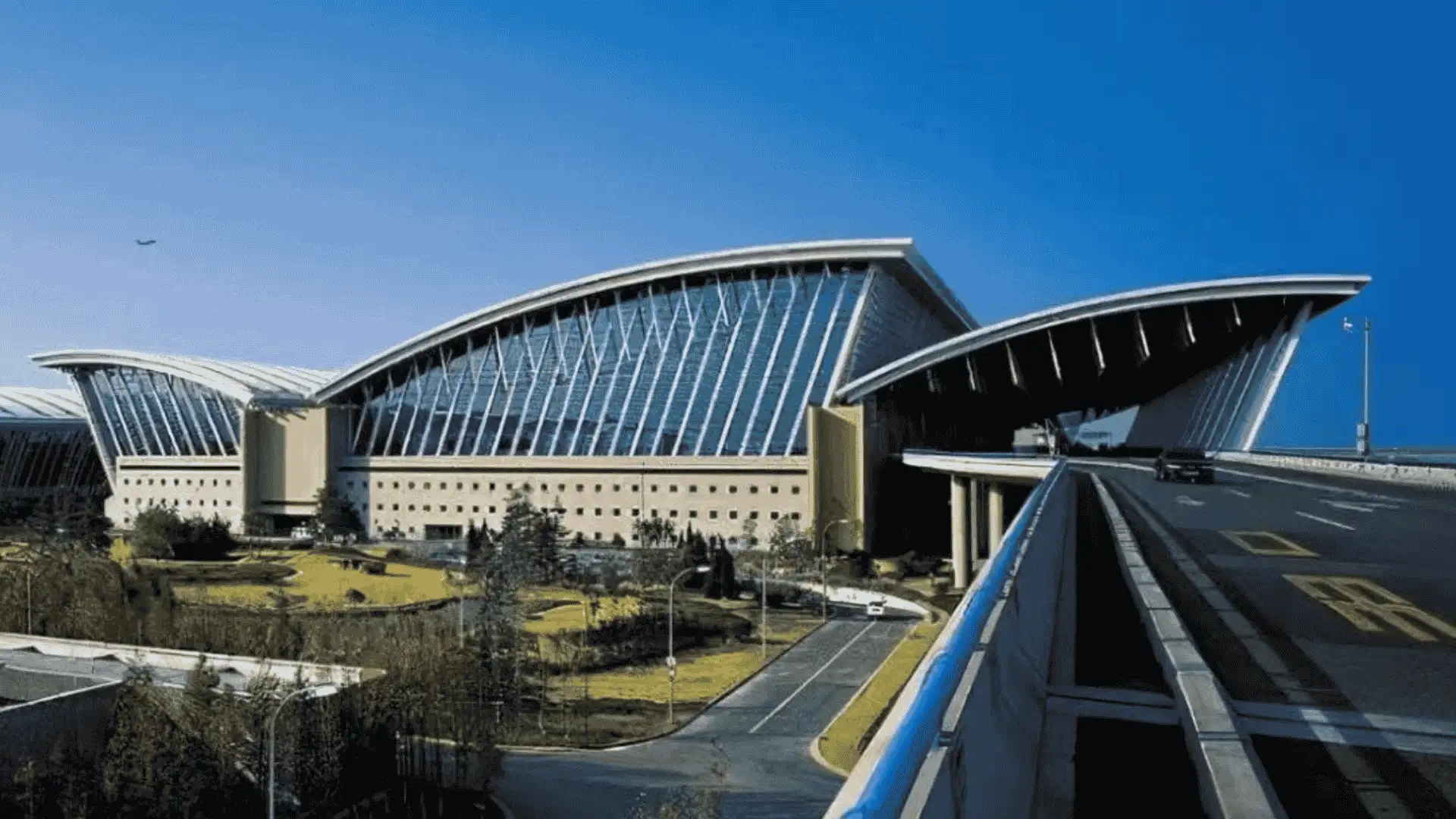
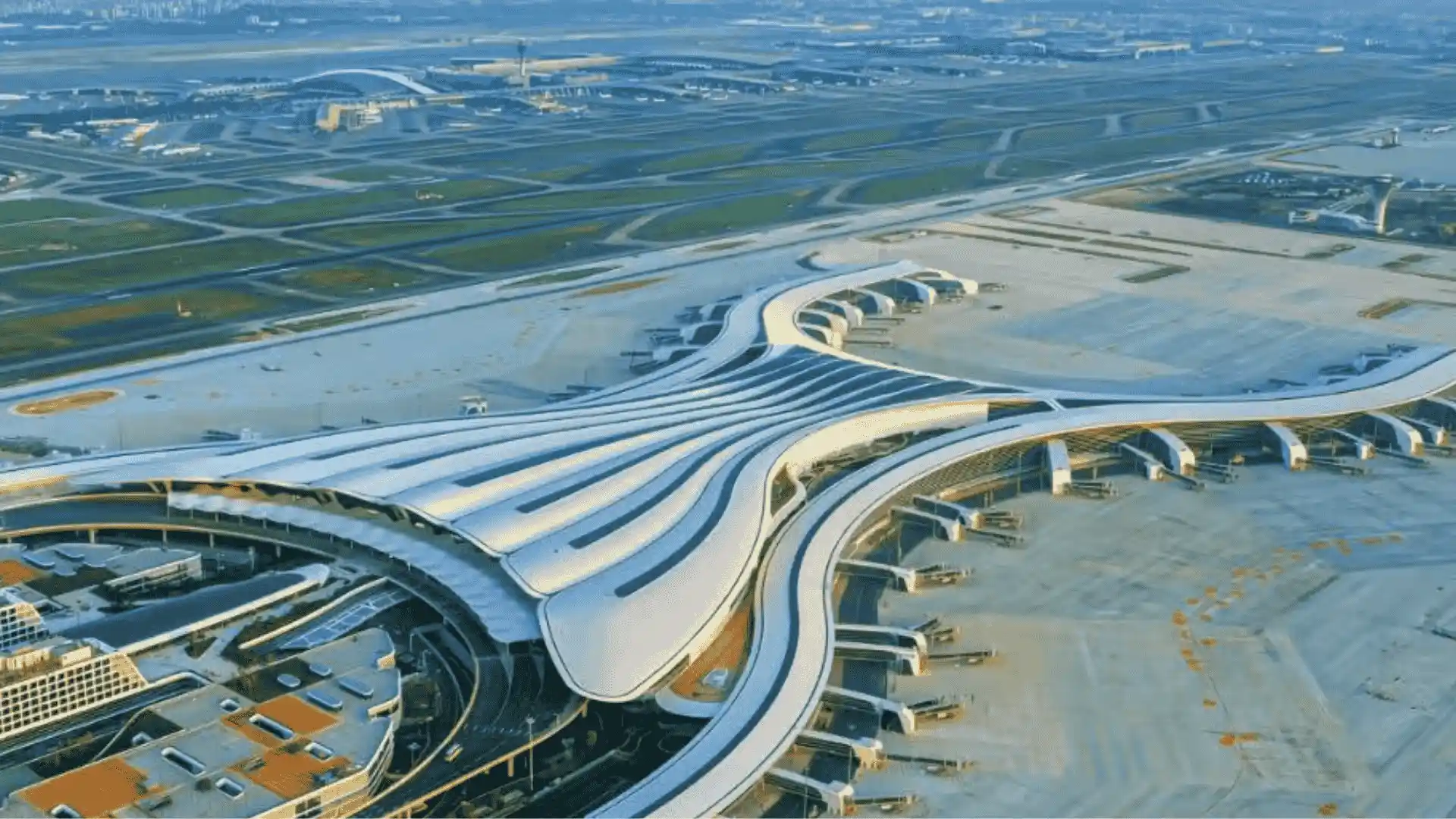
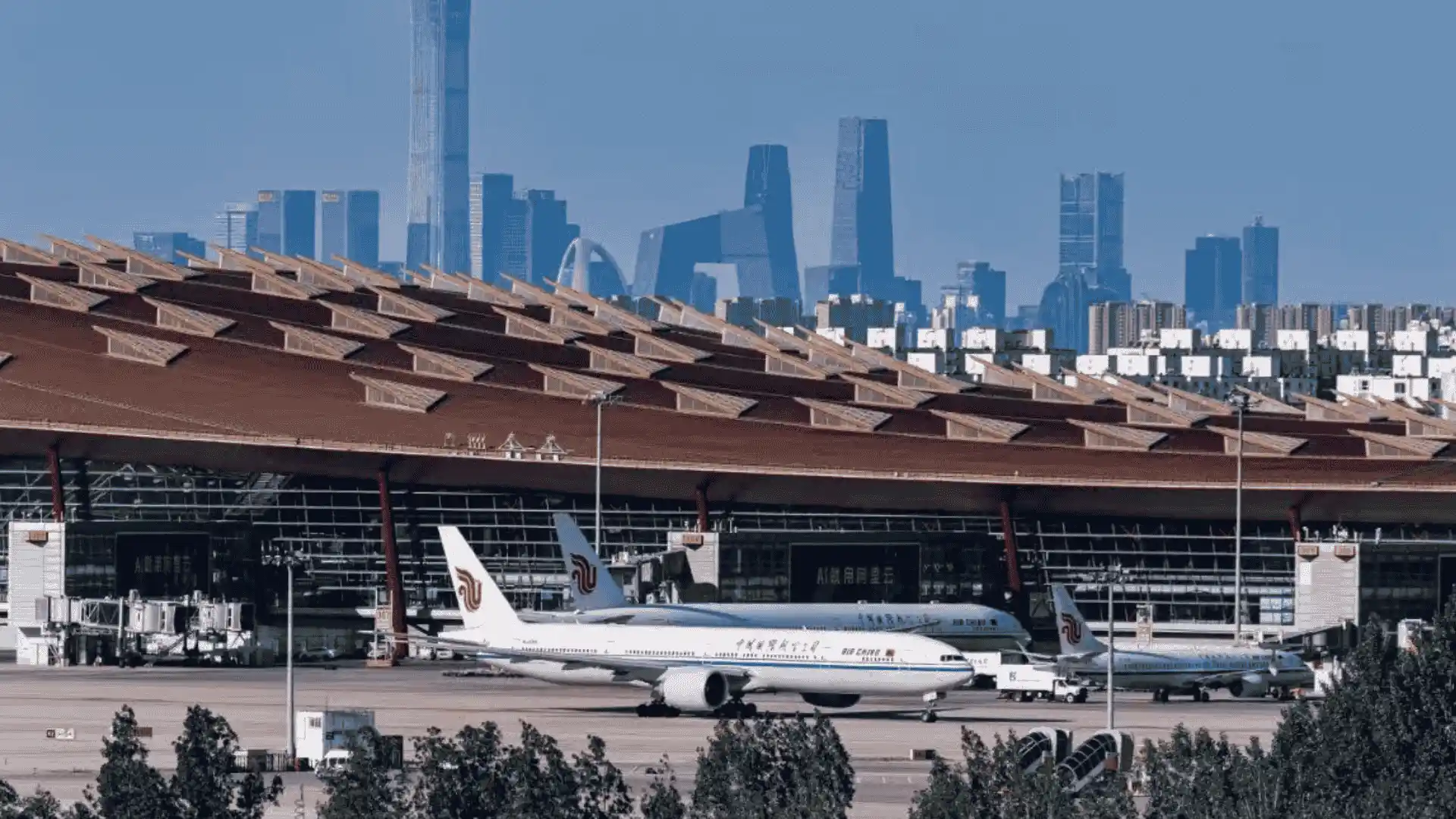
To plunge into this misty landscape, take a sleek bullet train on the Zhengzhou-Chongqing High-Speed Railway directly to Wushan Station. Alternatively, fly into the breathtaking Chongqing Wushan Airport. Nicknamed the "Airport in the Clouds," it was built by literally flattening the top of a mountain at an elevation of 1,771 meters, offering arriving passengers a jaw-dropping, aerial introduction to the gorges before they even reach the water.
Quick Facts
- Wushan is globally famous for its Red Leaf Festival in late autumn. From November to December, the steep slopes of the gorges burst into a fiery sea of red foliage, creating one of the most highly sought-after photographic landscapes in Asia.
- The district is the undisputed birthplace of Wushan Grilled Fish (Kao Yu), a culinary phenomenon that has taken the entirety of China by storm. The authentic local version involves charcoal-grilling the river fish before simmering it in a massive rectangular pan of boiling chili oil, peppercorns, and mountain herbs.
- In 1985, archaeologists discovered the fossils of "Wushan Man" here, dating back over 2 million years, making the area one of the earliest known sites of hominid habitation in Asia.
Home to China's most mythological eco-sanctuary
Since antiquity, when boatmen sang the haunting "River Chanteys" to navigate the treacherous rapids, Wushan has been an enclave synonymous with raw nature and poetic longing. From the area's massive conservation efforts to the groundbreaking engineering of its high-altitude transit, the district's love of its own landscape sees it serve as the definitive blueprint for high-end, low-impact eco-tourism.
For those architecting destination narratives, Wushan offers a masterclass in how a region maintains its deeply evocative, secluded identity while opening its doors to discerning travelers. The neighborhood's striking, jade-and-stone aesthetic is a stunning example of a landscape primed for highly curated, boutique hospitality concepts that flawlessly blend ancient local folklore with ultimate cliffside luxury.
The Emerald Corridors—navigating the Daning River
The winding, impossibly green waters of the Daning River form the district's main circulatory artery. Stepping off the main cruise docks and onto a smaller wooden vessel, you'll immediately see a network of vibrant, sheer cliffs rising thousands of feet straight out of the water, dotted with ancient "hanging coffins" suspended in the limestone crevices.
Jam-packed with nature photographers, literary historians, and travelers seeking absolute quiet, this aquatic grid is a fascinating melting pot of ancient mystery and modern conservation that's sure to give you a profound, highly atmospheric perspective on the hidden corners of the Yangtze basin.
Satisfy your appetite, from riverside grills to mountain harvests
Behind almost every scenic dock and down every bustling riverfront street are Wushan's celebrated kitchens, pumping out a mix of the region's most fiery and culturally exported fare. A must-do for visitors to the area is sitting down for an authentic Wushan Grilled Fish feast. Because the district sits precisely where the tributary meets the main river, local chefs have perfected the art of elevating the humble river catch into a communal, deeply savory, and intensely spicy banquet.
Whether you're after the dense, savory satisfaction of a bustling, open-air grill house in the county center, or a formal, multi-course lunch featuring wild-foraged mountain mushrooms on the deck of a boutique eco-lodge, there's something to refuel every tired explorer.
A paradise for boutique eco-resorts and panoramic solitude
Wushan is arguably Southwest China's capital of "secluded luxury," and what's a world-class gorge without spectacular, culturally rich sanctuaries? No matter your aesthetic, you can find an incredible, curated selection of environments that treat the fragile ecology with immense architectural respect.
The undisputed charm of the area lies in its high-altitude vantage points. If you're hoping for an elevated experience, be sure to browse the newly developed, minimalist eco-resorts hidden in the upper ridges of the Twelve Peaks. Featuring floor-to-ceiling glass and private terraces, they offer a stunning example of how a district can successfully package ancient geological wonders into a sophisticated, highly exclusive retreat far above the river traffic.
Taking to the quiet "Goddess" hiking trails
Thanks to its global impact as a flagship cruise destination, the main waterways of the Lesser Three Gorges are undeniable hotspots. Though the atmosphere there is essential for experiencing the area's scale, if you really want to immerse yourself in the varying, deeply quiet layers of the region, you must ascend into the mountains.
If you head up the winding stone paths toward Goddess Peak, you'll find a network of incredibly quiet, cloud-shrouded trails connecting some of the most serene, wind-swept stretches of the gorge's upper rim. Stepping into this fiercely protected enclave offers a peaceful, grounding contrast to the bustling boat docks below—a place where the noise of the outboard motors vanishes, replaced by the rustle of autumn leaves, the drifting mountain mist, and the authentic, unhurried rhythm of a landscape that has inspired Chinese artists for millennia.