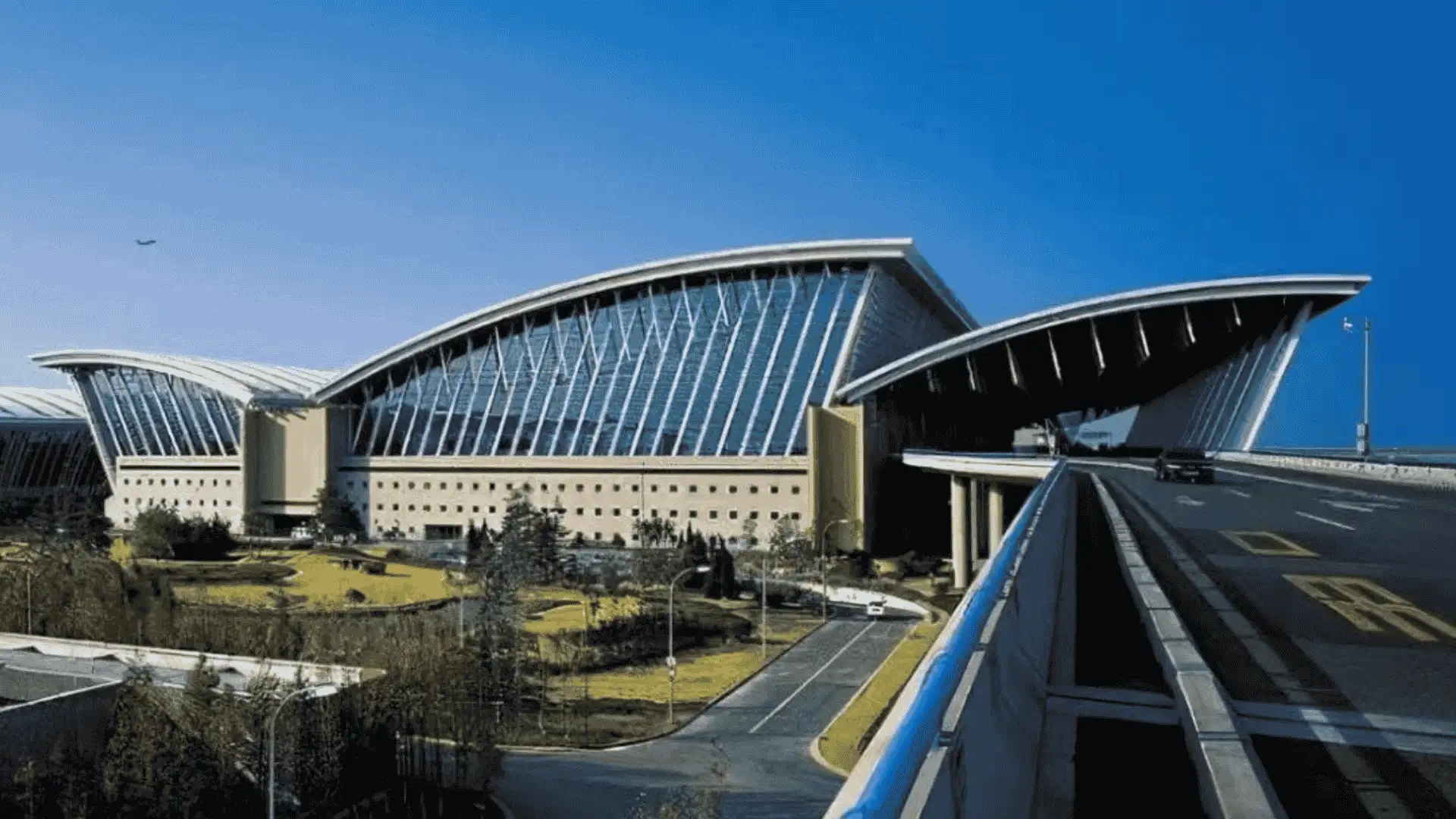
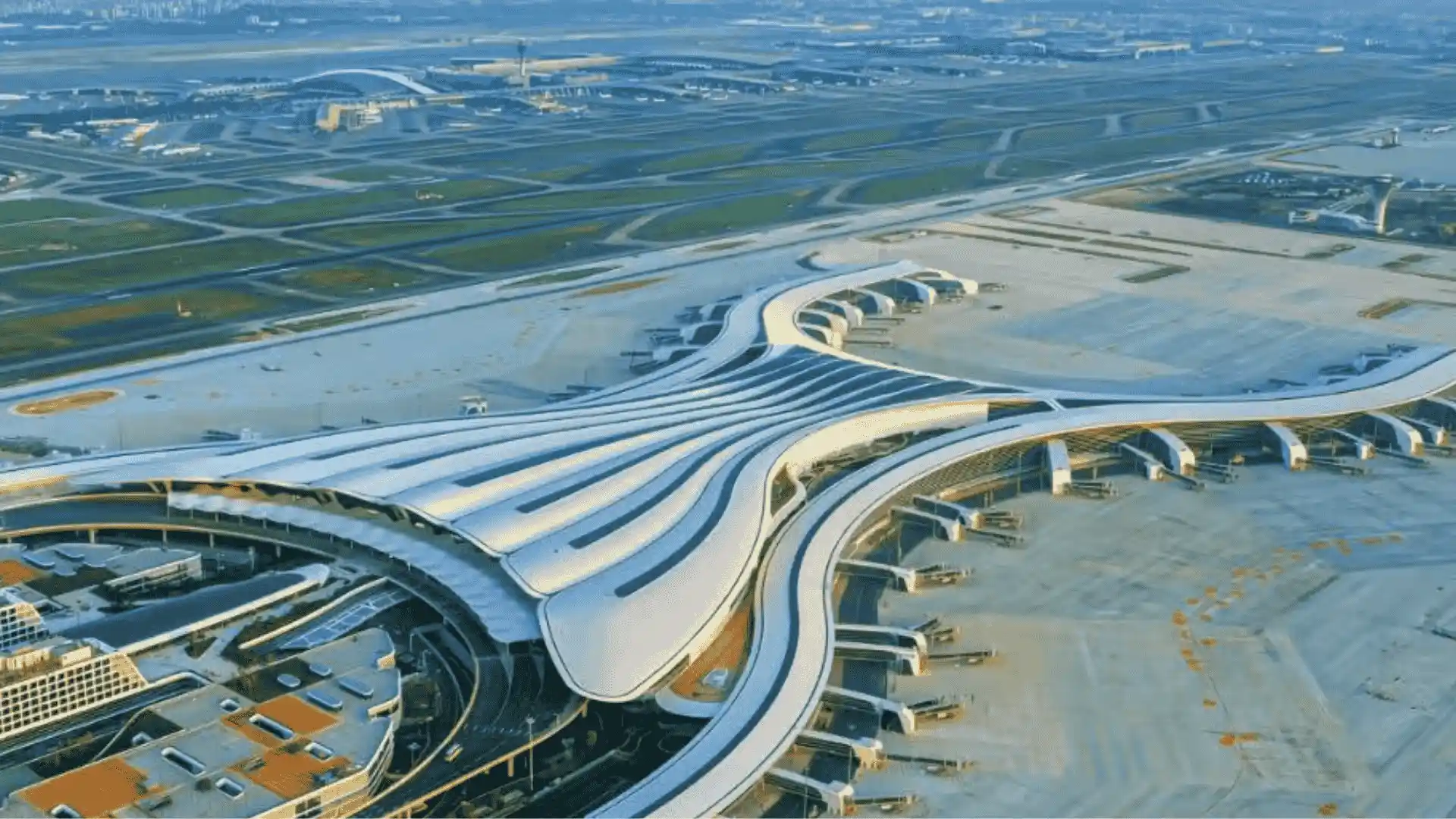
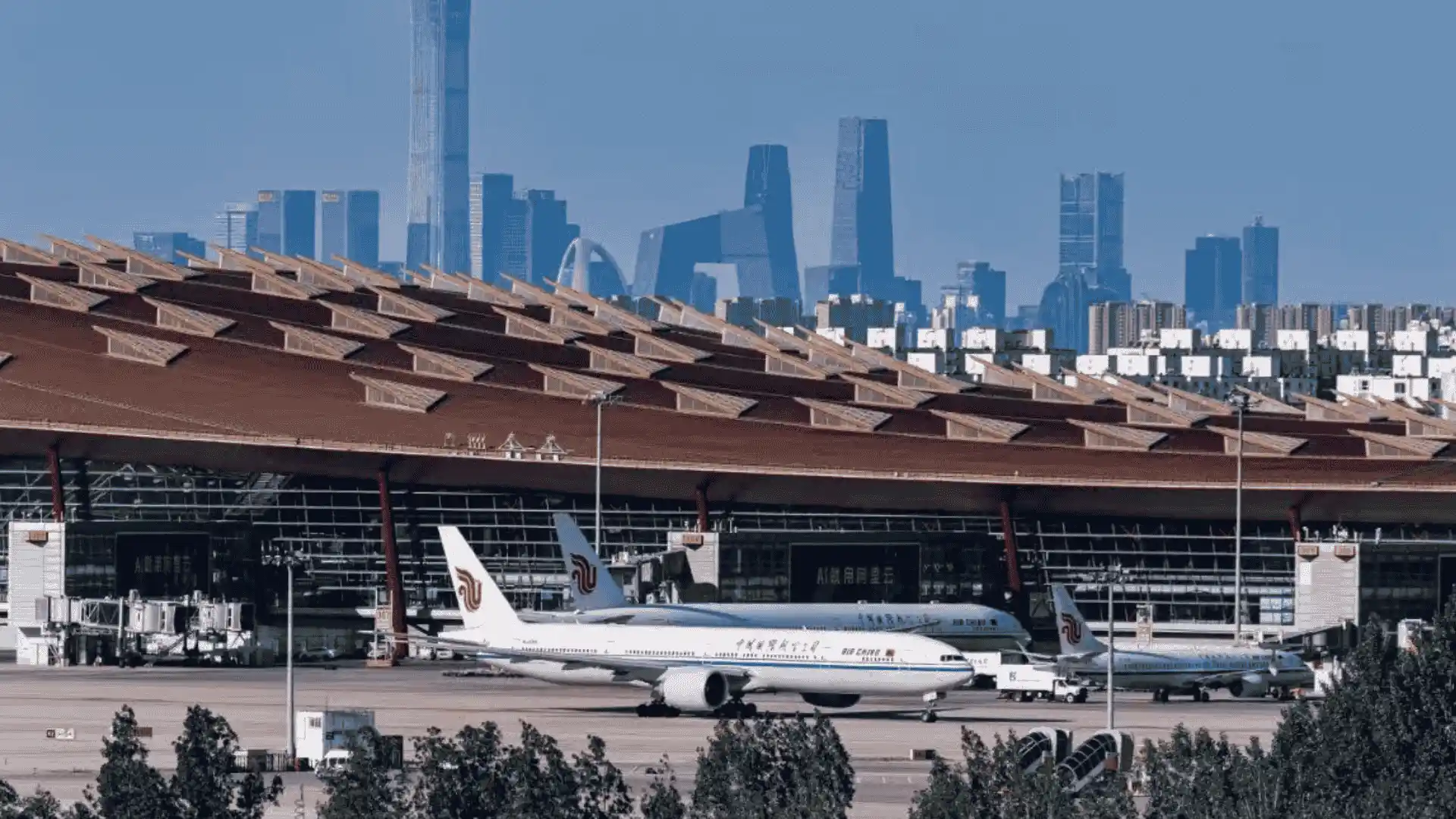
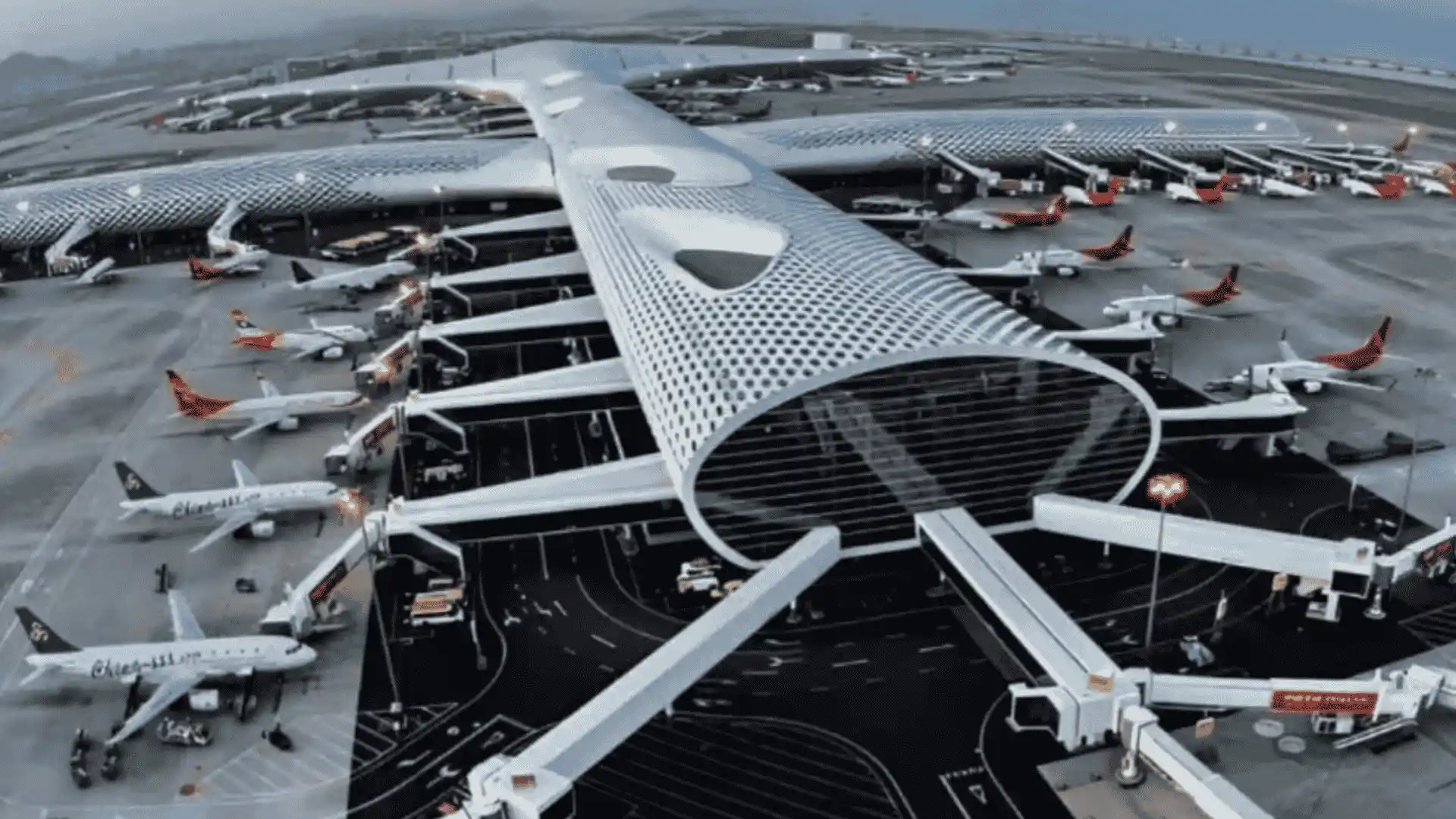
Situated in the southeastern quadrant of the mega-city, physically anchoring the northern shores of Dianchi Lake, this haven of dual-track capital is dominated by the soaring, white-washed towers of the Vajra Pagoda and the breathtaking, glass-and-steel expanse of the Yunnan Provincial Museum. Within a flawlessly orchestrated, hyper-modern morning, you can see logistical and cultural marvels ranging from the perfectly preserved, 15th-century Sanskrit carvings to the vanguard, LEED-certified terminals of the Changshui International Airport. Stop for a flawlessly extracted, single-origin Yunnan pour-over in a minimalist, glass-fronted cafe catering to visiting archaeologists and international pilots, browse the independent heritage boutiques trading in Dali-stone carvings and hand-pressed Pu'er tea, and sample the district's legendary, fiercely authentic culinary scene—from incredibly rich, "Guandu" baba (flatbread) to the absolute local mandate of eating a steaming bowl of Crossing the Bridge Rice Noodles in the shadow of the ancient temple. Saunter along the meticulously paved, heavily shaded pedestrian streets of the Guandu Old Town to watch the city’s youth, international scholars, and local craftsmen navigating the quiet, deeply reflective current of the Spring City. Take a break from the dense, high-stakes stimulation of the airport transit grids with a breathtaking, silent walk through the Baoxiang River boardwalks, watching the complex, unhurried history of a neighborhood built entirely on the intersection of water and wings quietly anchor the trillion-dollar energy of modern Yunnan.
Don't Miss
- The Vajra Pagoda (Jingang Ta). Built in 1457 during the Ming Dynasty, this is the absolute visual powerhouse of the district. It is the oldest and best-preserved "Vajra-throne" style pagoda in China, featuring five distinct towers on a single stone base. Walking beneath its Sanskrit-inscribed arches offers a profound, cinematic understanding of the region's ancient spiritual pedigree.
- The Yunnan Provincial Museum. This is not just a museum; it is a monumental, earth-colored architectural statement. Designed to resemble the stepped landscapes of Yunnan's red earth, its galleries house the world's most significant collection of Bronze Age Dian Culture artifacts and ethnic minority costumes. It is a mandatory stop for those seeking to understand the deep-time pedigree of the province.
- Guandu Old Town Markets. Historically a vital ferry terminal for Dianchi Lake, the old town remains the undisputed heart of Kunming's grassroots commerce. Finding a stall selling "Guandu Baba"—a crispy, walnut-filled flatbread—and watching the master craftsmen carving temple beams in the back alleys is a stunning display of "living heritage."
How to Get There
Guandu operates as the absolute transit and cultural nervous system of southeastern Kunming, flawlessly integrated into the city's expanding subterranean transit network to ensure the frictionless movement of millions of daily travelers and museum-goers.
To plunge directly into this transitionary sanctuary, take Line 1 directly to Xingyao Road Station for the Old Town, or Line 6 (the Airport Express) for the Changshui International Airport. Emerging from the modern, highly polished transit grid, the transition is immediate and highly cinematic: the utilitarian city instantly dissolves into the sight of massive white-washed pagodas, the sound of rhythmic temple drums, and the staggering, quiet resilience of Kunming's southeastern frontier.
Quick Facts
- Guandu was once the most important fishing and trading port on Dianchi Lake during the Nanzhao and Dali kingdoms (8th–13th centuries), long before the modern city center expanded southward.
- The district is home to the Kunming Changshui International Airport, which serves as China's primary aviation gateway to Southeast Asia and South Asia, handling over 40 million passengers annually.
- Guandu is the spiritual heart of the city's Buddhist and Taoist heritage, housing the "Six Temples and Seven Pagodas," a concentration of ancient religious sites unparalleled in the region.
Home to Southwestern China's most audacious transit pivot
Since the early 2010s, when municipal planners envisioned a world-class aviation and cultural nexus at the city's southern gates, Guandu has been an enclave long synonymous with uncompromising ambition and staggering urban engineering. From the city's massive investment in the high-tech airport terminals to the breathtaking, quiet conservation of the Ming-era stone pagodas, the district's love of its own unique lineage sees it serve as the definitive, polished blueprint for Kunming's global luxury identity.
The neighborhood's striking, ochre-and-white aesthetic is absolutely essential for a complete narrative of the city. Highlighting Guandu proves that far beyond the neon-lit food streets and the high-tech logistics, Kunming possesses a deeply enlightened, cosmopolitan, and enduring soul capable of balancing high-speed aviation with low-lit spiritual peace. The district ensures that the sound of a jet engine, the glow of incense at dusk, and the sheer, relentless scale of the stone carvings remain the immovable, authentic foundation of the space.
The Aromatic Corridors—navigating the transit grid
The wide, flawlessly paved pedestrian boulevards of the museum district and the winding, stone-paved trails of the Old Town form the district's main circulatory artery. Stepping out of the metro hubs, you'll immediately see a network of vibrant, cascading retail podiums, towering museum facades, and a relentless, highly synchronized tide of travelers and students moving at a deliberate, observant clip through the "Garden City" dreamscape.
Jam-packed with tech investors from the nearby high-tech zones, international pilots, and local affluent youth, this cultural grid is a fascinating melting pot of old-world Silk Road hospitality and hyper-fast modern logistics that's sure to give you an electric, unfiltered perspective on how modern Kunming consumes its future.
Satisfy your appetite, from airport lounges to "Baba" stalls
Behind almost every historic-style facade of the Old Town and within the bustling, glass-walled dining halls of the airport and museums are the district's celebrated kitchens. A must-do for visitors to the area is the "Guandu Graze." Because the district caters to writers, academics, and bird-watchers, the culinary execution is brilliantly slow-paced and incredibly satisfying.
Whether you're after the dense, savory satisfaction of an authentic bowl of Crossing the Bridge Rice Noodles in a bustling, unpretentious eatery serving the museum staff, or a refined, slow-paced afternoon tasting delicate local Arabica coffee inside a minimalist, glass-fronted cafe looking out over the pagoda, there's something to refuel every tired mind.
A paradise for architectural curation and brand narratives
Guandu is arguably Southwestern China's capital of "curated history," and what's a historic transit hub without spectacular, high-volume retail and hospitality environments? No matter your aesthetic, you can find an incredible, overwhelming selection of premium spaces that treat the region's deepest history with immense architectural respect and artistic flair.
The undisputed power of the area lies in its absolute dedication to "Museum-Modern" aesthetics. If you're hoping for an elevated experience, be sure to study the sprawling, interconnected forms of the surrounding business hotels and the futuristic Yunnan Grand Theater, where vanguard contemporary design and meticulous historical archiving seamlessly blur together. It is a stunning example of how a municipality can successfully package immense dynastic history into a deeply moving, highly engaging exploration of heritage urbanism.
Taking to the quiet "Vajra" horizons
Thanks to its global impact as a transit powerhouse, the main concourses of the airport and the entry gates of the museums are undeniable, high-decibel environments. Though the atmosphere there is essential for experiencing the city's pulse, if you really want to immerse yourself in the varying, deeply peaceful layers of the neighborhood, you must walk toward the absolute center of the pagoda grounds.
If you navigate past the screaming tour groups and step into the shaded, stone-paved courtyards of the Vajra Pagoda, you'll find an incredibly quiet, sprawling transition connecting the modern transit brilliance directly to the raw, spiritual reality of the ancient Silk Road. Stepping into these quiet spaces offers a peaceful, grounding contrast to the intense visual velocity outside—a place where the noise of the crowds completely fades, replaced by the wind rustling the ancient banyan trees, the sight of a stone pagoda reflected in a modern pond, and the authentic, unhurried rhythm of a spiritual sanctuary that quietly demands the modern mega-city never forget its true, organic origins.