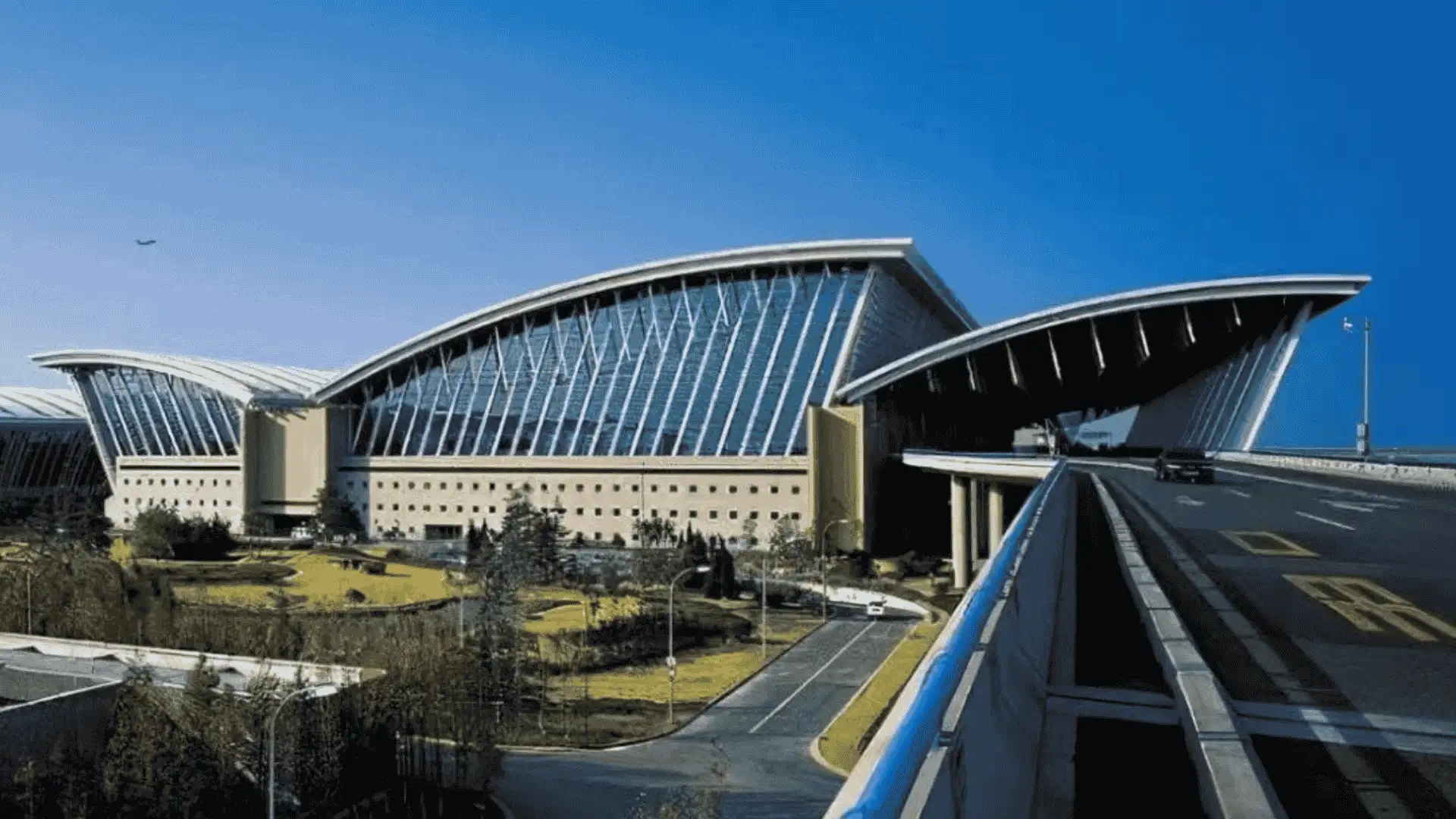
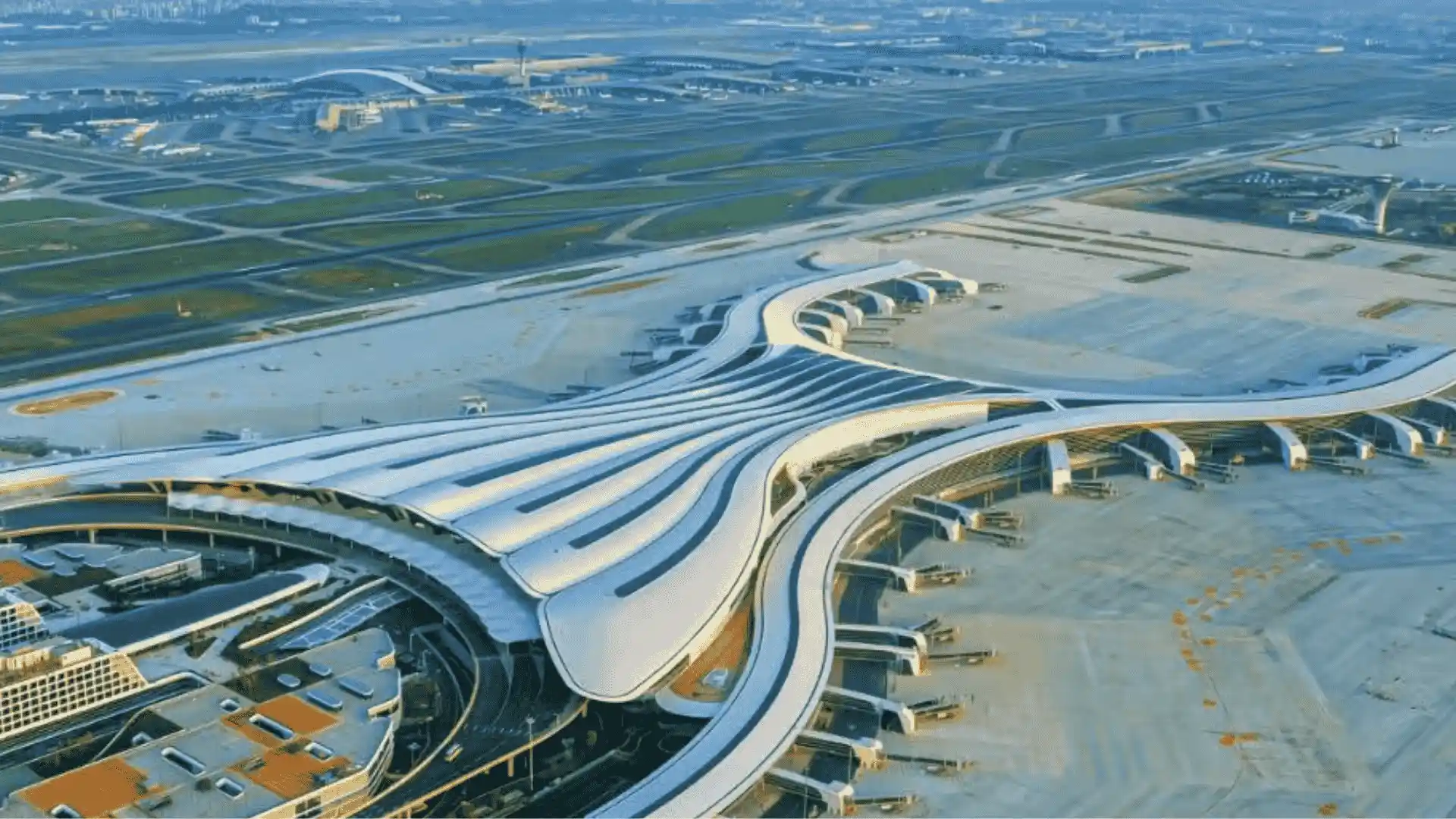
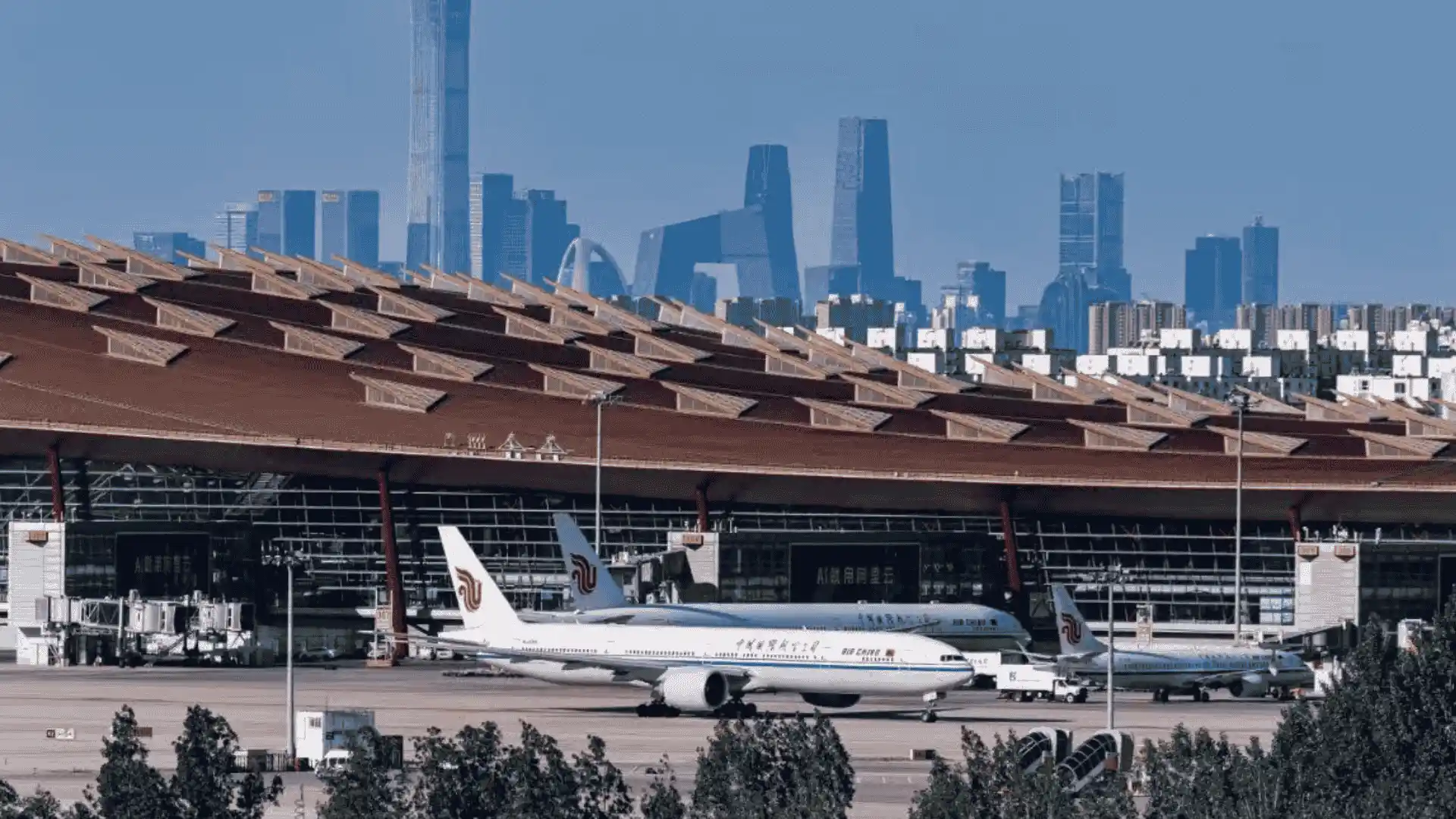
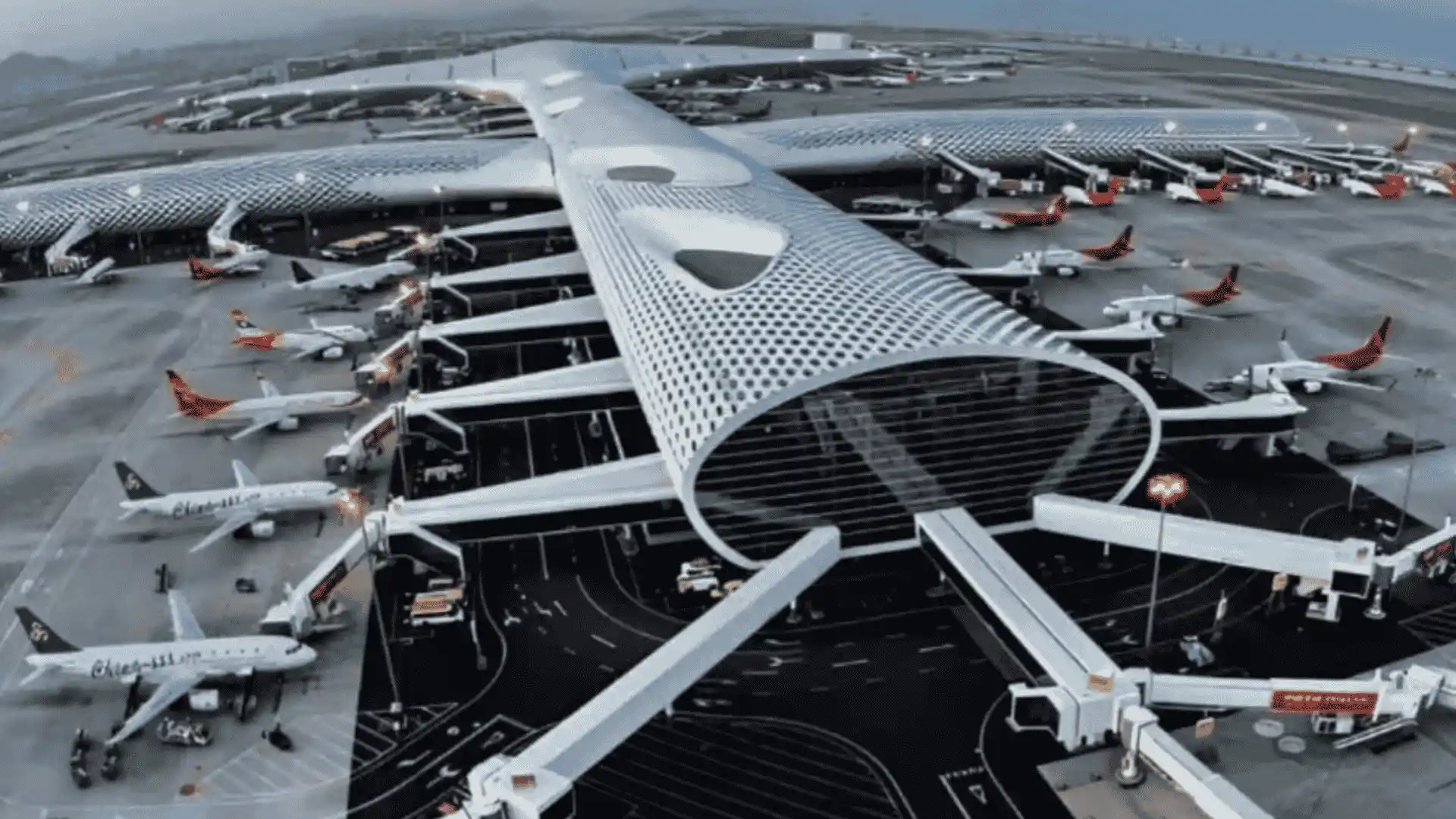
Situated at the absolute geographic and cultural heart of the Tianshan District, physically anchoring the critical link between the massive Erdaoqiao commercial core and the high-speed Urumqi South Station expansion, this haven of merchant capital is dominated by the soaring, 80-meter-tall Silk Road Tower and the breathtaking, ochre-hued corridors of the No. 1 Banquet Hall. Within a flawlessly orchestrated, cumin-scented morning, you can see economic and architectural marvels ranging from the perfectly preserved, Islamic-style geometric brickwork to the vanguard, world-famous "Saffron Canyons" of the surrounding Foreign Trade Zone—where the nation's premier logistical and cross-border e-commerce talent is forged. Stop for a flawlessly extracted, single-origin Xinjiang pour-over in a minimalist, timber-framed cafe hidden within a former 19th-century caravan courtyard catering to visiting novelists and international designers, browse the independent heritage boutiques trading in artisanal Hotan Jade and vanguard nomadic-fusion apparel, and sample the district's legendary, fiercely authentic culinary scene—from incredibly rich, "Bazaar-style" roasted whole lamb to refined, modern Uyghur fusion in hushed, mosque-facing dining rooms. Saunter along the meticulously paved, heavily illuminated pedestrian boardwalks of the Erdaoqiao Market to watch the city’s youth, international scholars, and local traders navigating the high-velocity, digital current of the "Hub of Eurasia." Take a break from the dense, high-stakes stimulation of the commercial grid with a breathtaking, silent moment at the Silk Road Exhibition Hall, watching the complex, unhurried history of a landscape built entirely on the persistence of the caravan quietly anchor the trillion-dollar energy of modern Xinjiang.
Don't Miss
- Navigating the Silk Road Tower (The Vertical Anchor). This is the absolute visual powerhouse of the district's history. As the tallest structure in the complex, its interior is a stunning study in "History-as-Art," featuring massive murals depicting the evolution of trade between the East and West. Standing on the observation deck as the sun sets over the Tianshan Mountains is a mandatory exercise for any serious observer of China's "Belt and Road" DNA.
- The "Banquet of the Steppe" Ritual. The Grand Bazaar is home to the world’s largest banquet hall dedicated to Silk Road performance. Witnessing the high-velocity transition from traditional Muqam music and Uighur dance to the nearby high-tech "Smart Logistics" monitoring centers provides a profound, cinematic understanding of Urumqi’s status as a rising global hub for cultural innovation.
- Exploring the Hand-Made Craft Alley. Urumqi is a pioneer in "Heritage-Tourism." Walking through the neon-lit artisan stalls—where the nation's premier Dap drums, Pakhta embroidery, and copper tea-sets are crafted—provides a horizontal perspective on the district’s ability to turn its gritty past into a global lifestyle brand.
How to Get There
The Bazaar District operates as the absolute logistical and transit nervous system of central Urumqi, flawlessly integrated into the city's expanding subterranean and high-speed rail network to ensure the frictionless movement of hundreds of thousands of daily executives and urban wanderers.
To plunge directly into this high-velocity sanctuary, take Line 1 of the Urumqi Metro directly to Erdaoqiao Station. Emerging from the modern, highly polished transit grid, the transition is immediate and highly tactile: the utilitarian landscape instantly dissolves into a wall of emerald-green domes and ochre-brick masonry, the smell of roasted cumin and pomegranate juice, and the staggering, quiet resilience of Northwest China's most profound cross-cultural anchor.
Quick Facts
- The Urumqi International Grand Bazaar is the largest bazaar in the world by scale, surpassing even the Grand Bazaar in Istanbul.
- The district houses the Xinjiang Silk Road Museum, a massive architectural marvel that serves as the premier intellectual engine for the province's high-tech future.
- Historically, the area was the "Zero-Point" for the northern route of the Silk Road; its rapid transformation into a multi-billion-dollar "E-commerce and Cultural Hub" has dictated the city's unique "Westward Opening" urban strategy.
Home to Northwest China's most audacious cultural resilience
Since the mid-20th century, when modern architects first looked to these ancient trade routes to forge a regional capital, the Tianshan District has been an enclave long synonymous with uncompromising ambition and deep, community-driven wealth. From the city's massive investment in high-tech, digital-first "Digital Silk Road" zones to the breathtaking, quiet conservation of the surrounding 19th-century masonry, the district's love of its own unique, "saffron-and-turquoise" lineage sees it serve as the definitive, polished cultural engine of Xinjiang's economy.
The neighborhood's striking, brick-red and cobalt-blue aesthetic is absolutely essential for a complete narrative of the city. Highlighting the Grand Bazaar proves that far beyond the high-tech modern zones and the ancient desert ruins, the western interior possesses a deeply enlightened, cosmopolitan, and enduring soul. The district ensures that the sound of a desert wind, the glow of LED minaret-lights at midnight, and the sheer, relentless scale of the marketplace remain the immovable, authentic foundation of the space.