Stretching from the tech-heavy plains bordering Sichuan to the deep, misty gorges bordering Hubei, this sprawling megalopolis serves as the ultimate engine for China's interior growth. Within a 45-minute bullet train journey from the hyper-dense downtown core, you can see marvels ranging from the autonomous-driving test tracks of Yongchuan and the manicured, green-city tech campuses of the Western Chongqing Science City (Bishan), to the staggering ancient stone carvings of Dazu. Stop for an impossibly precise, AI-served pour-over coffee in a vanguard research park, browse the multi-level global flagships of the Jiefangbei CBD, and sample the incredibly diverse culinary spectrum—from the fiery, numbing hotpots of the urban peninsula to the delicate, citrus-infused river fish of the eastern gorges. Saunter through the quiet, lake-dotted parks of the western suburbs to watch the region's next generation of engineers shaping the future of smart mobility. Take a break from the relentless, high-decibel pace of the tech and financial hubs with a breezy weekend retreat into the municipality's sprawling ecological backyard, where the high-speed rhythm of the modern basin yields to the deep, ancient quiet of the Yangtze River.
Don't Miss
- Riding the High-Speed Rail Loop. Chongqing is pioneering circular intercity rail networks that effortlessly connect the urban core to vital satellite districts like Bishan, Yongchuan, and Dazu, effectively transforming massive distances into a highly commutable "One-Hour Economic Circle."
- Exploring the Western Chongqing Science City. Centered around Bishan and Shapingba, this massive, newly master-planned corridor is the region's answer to Silicon Valley, blending sprawling ecological parks with vanguard R&D centers, autonomous vehicle testing zones, and university towns.
- Understanding the Twin-City Synergy. The Greater Chongqing area doesn't exist in a vacuum; its western edge physically and economically bleeds into the Greater Chengdu Area, creating a massive, collaborative mega-region that rivals the Yangtze River Delta in scale and ambition.
How to Get There
The Greater Chongqing Area is defined by its breathtakingly efficient, multi-layered transit web, rendering these vastly different topographical zones incredibly accessible.
From the monumental transit hubs of Chongqing North or Chongqing West Railway Stations, sleek bullet trains rocket outward in every direction. You can transition from the neon-drenched skyscrapers of Yuzhong to the serene lotus lakes of Bishan in under 20 minutes via the CRT Line 1 or regional rail, making the western tech suburbs an effortless extension of the capital.
Quick Facts
- Chongqing is technically a municipality directly under the central government, but with a landmass roughly the size of Austria and a population of over 32 million, it functions more like a self-contained province.
- The "Chengdu-Chongqing Twin-City Economic Circle" is a national strategy designed to create the "Fourth Pole" of the Chinese economy, joining the ranks of the Greater Bay Area, the Yangtze River Delta, and Beijing-Tianjin-Hebei.
- The municipality is geographically and economically split into three functional zones: the highly developed Urban Core (the 3D city), the Western City Cluster (tech, agriculture, and heritage like Dazu), and the Southeastern/Northeastern wings (ecological tourism, the Three Gorges, and karst landscapes).
Home to China's most dramatic mega-region
Since the early 2020s, when planners launched an unprecedented master plan to physically and economically fuse the vast Chongqing municipality with neighboring Sichuan, the Greater Area has been an enclave long synonymous with colossal infrastructure and shared regional pride. From the area's massive new aerospace hubs in Yubei to the groundbreaking preservation of the Yangtze's hydrological heritage, the region's love of seamless connectivity sees it serve as a highly functional, fiercely ambitious blueprint for the future of the Chinese interior.
The region's dramatic topographical contrasts have been featured throughout global economic media as the definitive showcase of Southwest China's depth. And while the industrial scale is vast, the network hasn't forgotten the importance of premium lifestyle, ensuring that a creative executive can wrap up a Friday meeting in a Guanyinqiao boardroom and be soaking in a secluded Banan hot spring or hiking a Wulong karst bridge by sunset.
The Transit Web—navigating the One-Hour Circle
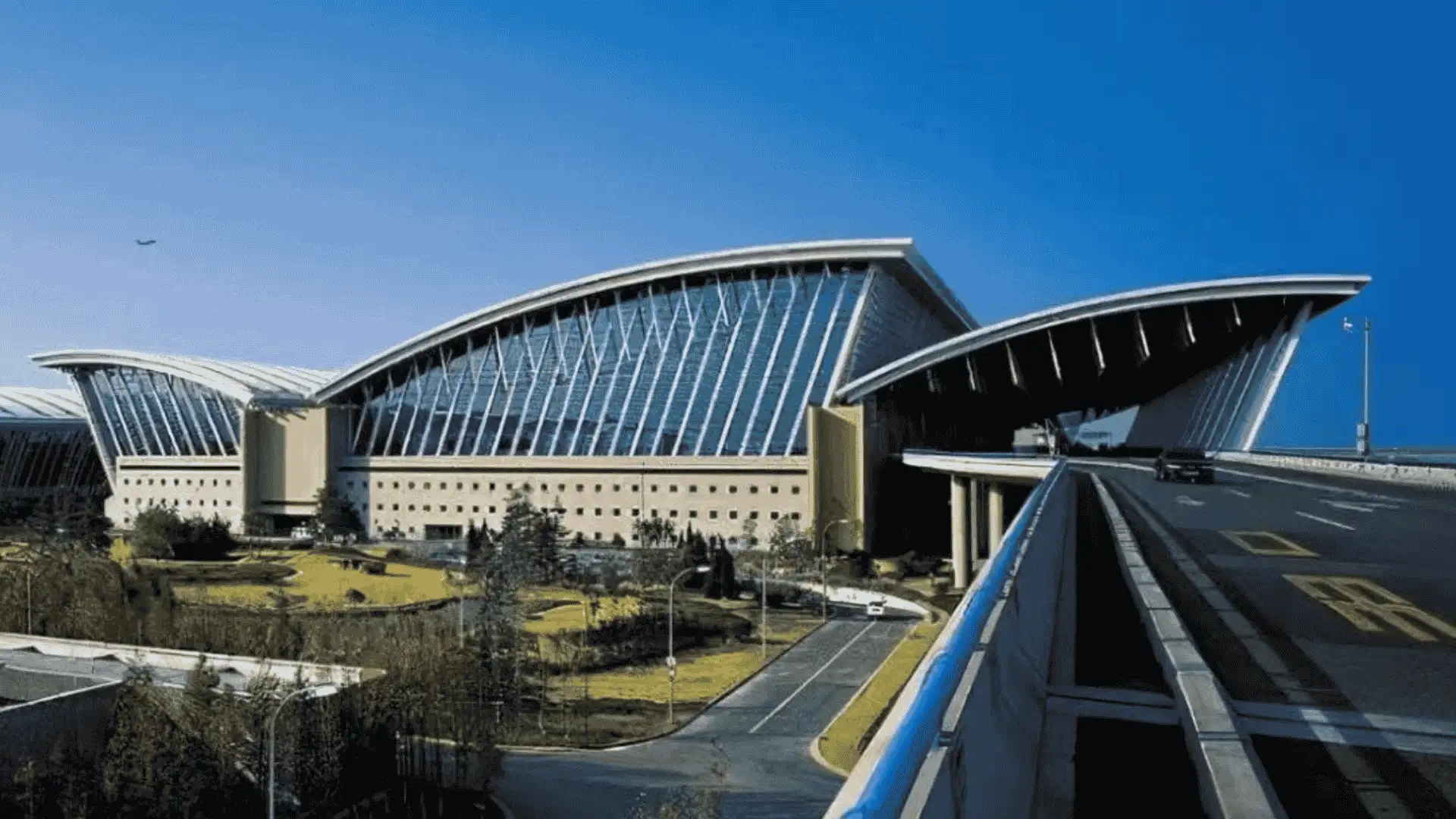
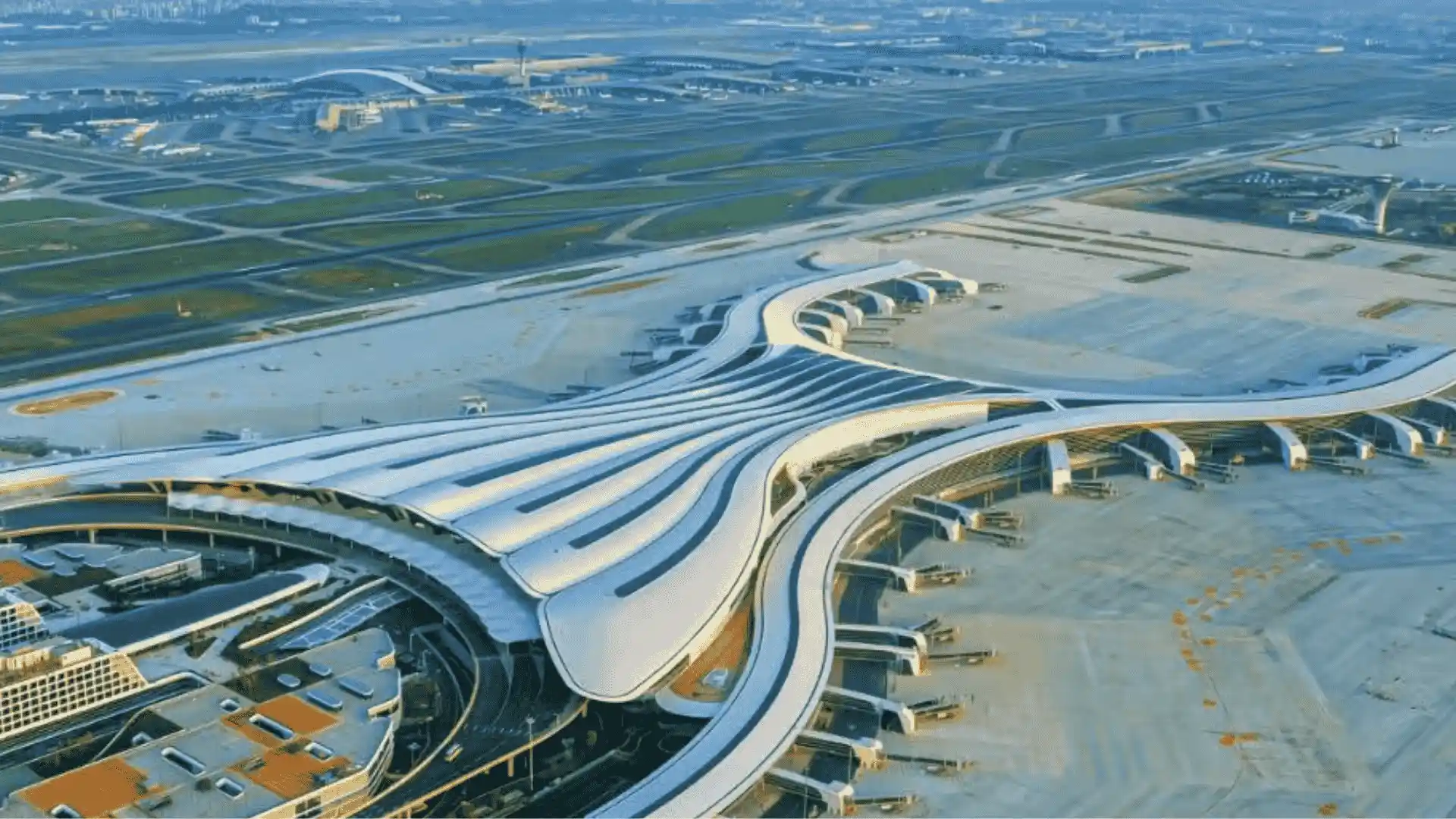
The striking, ultra-modern architecture of the high-speed rail stations forms the region's main circulatory artery. Stepping out of the train doors in a satellite district, you are immediately drawn into cities whose entire modern identities are intertwined with rapid, frictionless access to the urban core.
Jam-packed with tech entrepreneurs, weekend eco-tourists, and regional commuters, this massive infrastructural grid is a fascinating melting pot of hyper-modern logistics and regional integration. It’s an environment that's sure to give you a highly cinematic, awe-inspiring perspective on the sheer scale of China's urban planning.
Satisfy your appetite, from cyberpunk hotpot to ecological harvests
Beyond the fiery, underground bomb-shelter hotpots of the capital, the Greater Area pumps out a wildly diverse, geographically rooted culinary spectrum. A must-do for visitors is tracking how the shifting topography dictates the plate. Whether you're after the melt-in-your-mouth perfection of Bishan Rabbit, the famous La Zi Ji (Spicy Chicken) from the Gele Mountains, or the incredibly delicate Tofu Fish in Beibei, there's something to tempt every palate.
If you venture to the agricultural and river corridors of the east, the dining shifts entirely to fresh, wild-foraged mountain herbs and Wujiang river harvests. You can't leave without finding a breezy courtyard restaurant overlooking the gorges, ordering a feast of steamed river fish, and pairing it with local mountain teas.
A paradise for regional synergy and tech-hub living
The western corridors of Greater Chongqing are arguably the capital of curated, future-forward living, and what's a mega-region without spectacular, decentralized lifestyle hubs? No matter your aesthetic, you can find an incredible, overwhelming selection of master-planned eco-cities and boutique retreats far from the 3D gridlock.
The undisputed anchor of this lifestyle is the Science City belt. If you're hoping for an elevated residential or corporate retreat, be sure to check out the myriad of smart-parks, lakeside art centers, and integrated commercial zones in Bishan and Liangjiang. It is a stunning example of how the municipality successfully leverages its vast landmass to create utopian, highly efficient sanctuaries for the region's design-conscious tech elite.
Taking to the quiet "Western Corridor" retreats
Thanks to their global impact as the world's most dramatic skyline, the central peninsulas of Chongqing are undeniable, highly coveted hotspots. Though the atmosphere there is essential for understanding the city's pedigree, if you really want to immerse yourself in the varying, deeply balanced layers of the Greater Area, you must head west toward the Sichuan border.
If you take the rail to Bishan or Yongchuan, you'll find a sprawling network of pristine urban wetlands connecting some of the most impressive, heavily guarded tech corridors in the country. Stepping into this fiercely manicured, rapidly ascending enclave offers a peaceful, horizontal contrast to the towering urban core—a place where you can wander through expansive bamboo parks and ancient postal towns, orchestrating a silent, highly efficient lifestyle perfectly synced with the future of the Southwest.