Stretching from the iron-rich, crimson ridges of Dongchuan (Red Land) in the north to the ancestral maritime legacy of Jinning in the south, and from the jagged limestone labyrinths of Shilin (Stone Forest) in the east to the therapeutic mineral waters of Anning in the west, this massive urban-ecological hybrid functions as a single, flawlessly integrated organism. Within a frictionless, 20-minute high-speed rail glide from the emerald basins of Green Lake, you can see marvels ranging from the autonomous drone corridors of the High-Tech Zone to the silent, 270-million-year-old gravity of the Permian-era seabed. Stop for a flawlessly extracted, single-origin Yunnan pour-over in a converted Ming-dynasty style courtyard downtown, browse the massive, high-concept floral auction floors of Dounan, and sample the region's incredibly diverse culinary spectrum—from the raw, spicy energy of Dai-style grilled fish to refined, multi-course international banquets in the sky-high executive lounges of the Nanping business district. Saunter through the quiet, willow-lined boardwalks of the Panlong River to watch the city’s affluent youth seeking botanical tranquility, then seamlessly transition back to the high-decibel, neon-lit rhythm of the Jinma Biji historic plazas. Take a break from the dense, high-stakes stimulation of the global supply chain with a breathtaking, silent moment atop the Western Hills (Xishan), watching the complex, unhurried history of a neighborhood built entirely on the shores of Dianchi Lake quietly anchor the trillion-dollar energy of modern Yunnan.
Don't Miss
- The "Pan-Asian" High-Speed Rail Hub. For a glimpse into the future of continental logistics, explore the Kunming South Railway Station (Chenggong). This is not just a station; it is the absolute "Zero-Point" for China's rail connectivity with the ASEAN nations. It is a stunning study in master-planned, high-velocity infrastructure that physically links the plateau to the tropical lowlands of Indochina.
- Navigating the "Mother Lake" (Dianchi). Dianchi is the absolute geographic and spiritual hinge of the megalopolis. Exploring its restored wetlands, like Haigeng Park or Laoyuhe, offers a profound, vertical perspective on how a mega-city preserves its "Jade of the Plateau" while housing millions of students, florists, and tech engineers.
- The High-Altitude "Red & Green" Aesthetic. The integration of the city’s urban core with its jagged mountain frontiers has created a unique visual language. Gliding from a glass-and-steel supertall to a mist-shrouded Taoist cliff-side temple in minutes is the ultimate, cinematic expression of modern Kunming's dominance over geography.
How to Get There
The Greater Kunming Area is defined by an infrastructural web built to conquer both distance and altitude.
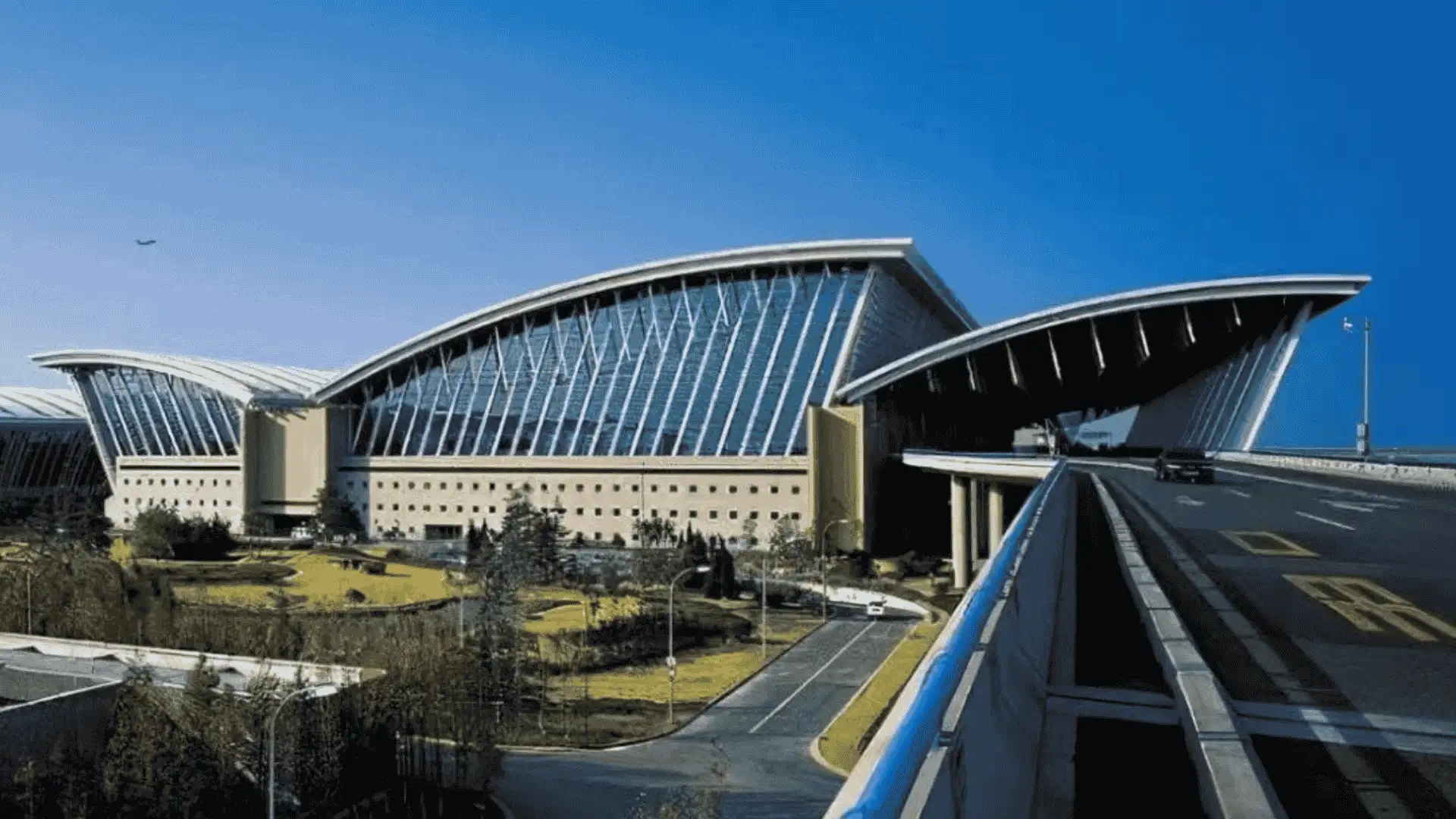
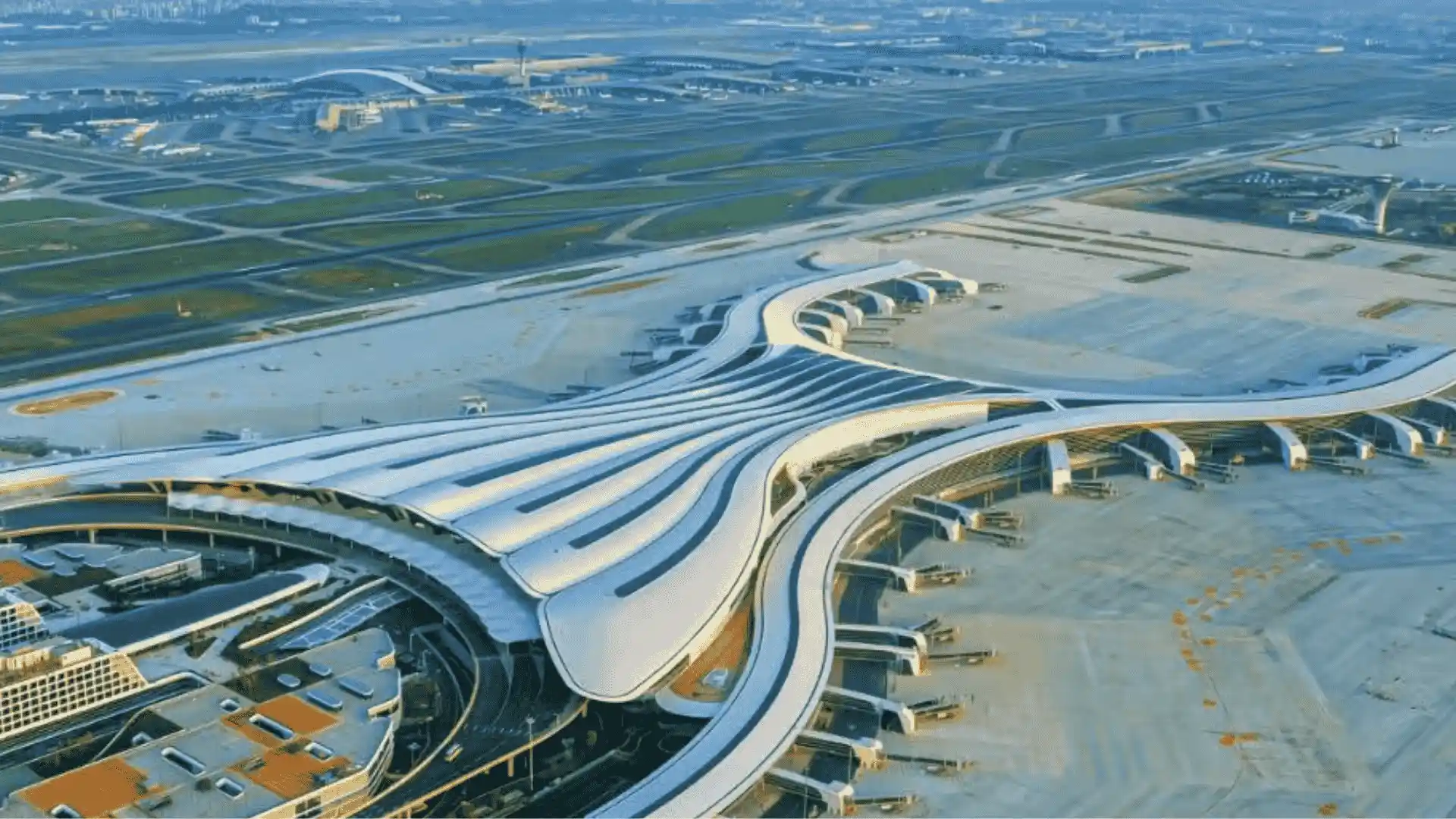
From the monumental, orchid-inspired transit hub of Kunming Changshui International Airport—China's primary gateway to Southeast Asia—an intricate web of flights and metro lines pumps millions of people across the region daily. The boundaries are so porous and well-engineered that it is entirely common for a flower trader to finalize a deal in the Dounan auction halls at midnight, take a high-speed train to Shilin for a sunrise trek, and be back in a Wuhua district cafe by brunch. Kunming South Station serves as the massive, increasingly busy rail gateway, solidifying the city's role as the primary logistical bridgehead connecting China to Vientiane, Bangkok, and eventually Singapore.
Quick Facts
- Kunming is the capital of Yunnan Province and has been the regional center for politics, culture, and trade since the Nanzhao and Dali kingdoms (8th–13th centuries).
- The Greater Kunming Area is a global powerhouse for Horticulture and Biodiversity, housing the Kunming Institute of Botany and the Wild Plant Germplasm Bank of Southwest China, earning it the nickname "The Gene Bank of the East."
- The region sits at an average elevation of 1,890 meters, creating a "perpetual spring" climate that allows for year-round agricultural and outdoor social life, a unique luxury among China's mega-cities.
Home to Southwestern China's most audacious temporal synergy
Since the high-speed rail network physically and economically welded Kunming's urban core to its distant mountain and logistical neighbors, the Greater Area has been an enclave long synonymous with limitless resilience and collaborative ambition. From the massive new "Bridgehead" economic corridors to the groundbreaking preservation of indigenous Sani and Dian history, the region's love of seamless connectivity sees it serve as a highly functional, fiercely ambitious blueprint for the future of ecologically-driven megalopolises.
The region's dramatic contrasts have been featured throughout global travel and economic media as the definitive showcase of "Highland Grit" meeting the digital age. And while the commercial and tourism scale is vast, the network hasn't forgotten the importance of premium, robust lifestyle, ensuring that a chip engineer can finalize a blueprint in a hyper-modern office at noon, and be sipping hot local Pu'er tea in a willow-draped lakeside courtyard by sunset.
Taking to the quiet "Spring City" horizons
Thanks to its global impact as a strategic powerhouse, the central business districts of the region are undeniable, high-decibel environments. Though the atmosphere there is essential for understanding the region's pedigree, if you really want to immerse yourself in the varying, deeply balanced layers of the Greater Area, you must head outward toward the ancient pagodas and the mountain ridges.
If you take the intercity rail or the specialized "Scenic Shuttles" to the surrounding satellite towns like Jinning or Anning, you'll find an incredibly quiet, sprawling transition connecting the modern transit brilliance directly to the raw, romantic power of the ancient Tea-Horse Road. Stepping onto these open plateaus offers a peaceful, horizontal contrast to the sprawling urban supertalls—a place where you can glide past century-old willow trees and ancient bronze-age ruins, orchestrating a silent, highly authentic lifestyle perfectly synced with the poetic, enduring, and unbroken soul of the Greater Kunming Area.