Situated in the lower reaches of the Wujiang River, roughly two hours southeast of the downtown sprawl, this haven of monumental nature is anchored by the jaw-dropping, gravity-defying arches of the Three Natural Bridges (Tiansheng Sanqiao) and the sprawling, Swiss-like grasslands of Fairy Mountain (Xiannvshan). Within a highly scenic drive, you can see architectural marvels crafted entirely by water and time, ranging from the towering, 300-meter-high limestone walls that plunge into the earth, to the perfectly preserved, dark-wood courtyard of the Tianfu Ancient Coach Station hidden deep at the bottom of a gorge. Stop for a warming, intensely savory bowl of local Wulong mutton soup in a high-altitude alpine lodge, browse the sprawling trails that weave through the stalactite-filled cathedrals of Furong Cave, and sample the district's legendary river fish harvested directly from the emerald currents of the Wujiang. Saunter along the cliff-hugging boardwalks to watch the morning mist pour through the colossal stone arches, a landscape so surreal it was heavily featured in both Zhang Yimou’s Curse of the Golden Flower and the Transformers franchise. Take a break from the dense, visual stimulation of the massive sinkholes with a quiet, breezy afternoon on the rolling pastures of Fairy Mountain, watching wild horses graze against the backdrop of the surrounding peaks.
Don't Miss
- Descending into the Three Natural Bridges, an awe-inspiring network of the largest limestone karst bridges in the world. A glass elevator drops you hundreds of meters down the cliff face directly into a lush, sunken world that feels entirely prehistoric.
- Exploring Furong Cave, a massive, beautifully illuminated subterranean palace discovered in 1993, featuring staggering arrays of stalactites, stalagmites, and crystal-clear underground pools.
- Recharging on Fairy Mountain (Xiannvshan), often called the "Eastern Switzerland." Sitting at an elevation of 1,900 meters, it offers a stark, lush contrast to the deep gorges, featuring dense pine forests, rolling grasslands, and remarkably cool summer temperatures.
How to Get There
Wulong is the crown jewel of Chongqing's ecological tourism, flawlessly integrated into the regional transit network to make the transition from the metropolis to the mountains incredibly smooth.
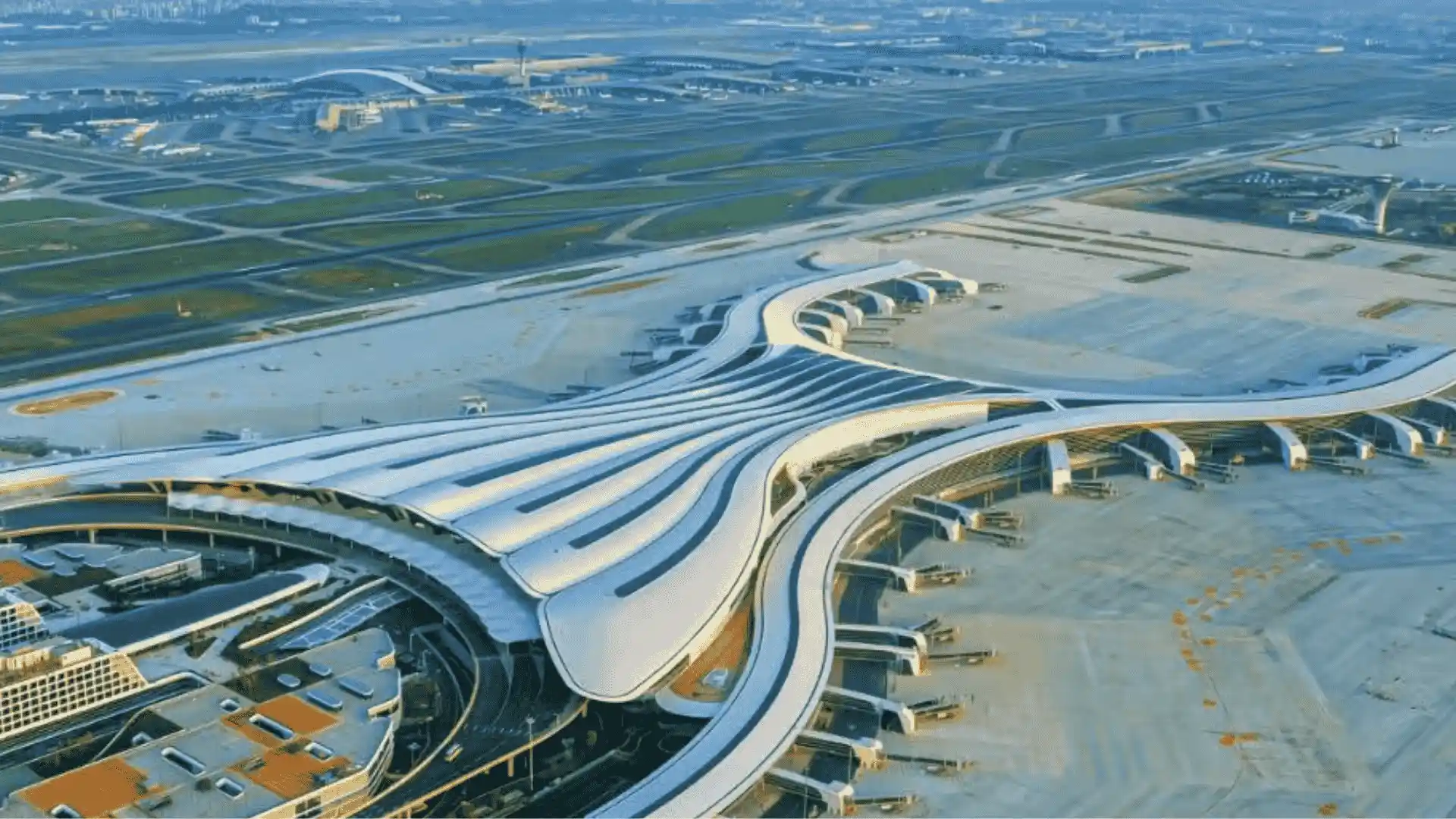
To escape into this karst wonderland, the most efficient route is the scenic, two-hour train ride from Chongqing North Railway Station directly to Wulong Station. Alternatively, the relatively new Chongqing Xiannvshan Airport provides direct, high-speed access for domestic flights. Once in Wulong, a highly organized fleet of eco-buses shuttles visitors seamlessly between the distinct geographical zones, from the deep caves to the high peaks.
Quick Facts
- The Wulong Karst landscape was inscribed as a UNESCO World Heritage Site in 2007 as part of the "South China Karst" designation, globally recognized for its unrivaled sinkholes (tiankeng) and natural bridges.
- The ancient Tianfu Coach Station, nestled at the bottom of the Qinglong Bridge, was meticulously reconstructed for Curse of the Golden Flower. Historically, this site served as a vital relay station for government couriers traveling between the capital and the southern provinces during the Tang Dynasty.
- The district's complex topography makes it an international hub for extreme sports, annually hosting the Wulong Mountain Quest, one of the world's premier outdoor adventure races.
Home to China's most cinematic geology
Since its global debut in international cinema, Wulong has been an enclave long synonymous with epic scale and pristine wilderness. From the area's plunging, forested ravines to the groundbreaking integration of cliff-side eco-tourism infrastructure, the district's love of dramatic nature sees it serve as the definitive, grounding counterweight to Chongqing's hyper-urban skyline.
The region's striking, mist-draped aesthetic has been featured throughout global media as the ultimate symbol of China's untouched interior. And while its popularity brings a steady flow of international photographers and hikers, the district hasn't forgotten its solemn, ecological soul, ensuring that the quiet mountain trails, the echoing caves, and the rushing underground rivers remain the immovable foundation of the space.
The Sinkholes—navigating the center of the earth
The incredibly steep, stone-paved trails winding through the bottom of the tiankeng (sinkholes) form the district's main circulatory artery. Stepping out of the 80-meter glass elevator, you'll immediately see a network of vibrant, fern-covered paths, cascading subterranean waterfalls, and towering rock archways that frame the sky.
Jam-packed with nature enthusiasts, film buffs, and exhausted urbanites seeking clean air, this vertical, forested gorge is a fascinating melting pot of geological pilgrimage and modern outdoor culture that's sure to give you a profound, highly restorative perspective on the sheer power of time and water.
Satisfy your appetite, from river fish to roasted mountain lamb
Behind almost every bamboo grove and along the winding mountain roads are the district's celebrated rustic kitchens, pumping out a mix of the region's freshest, most organic fare. A must-do for visitors to the area is the "Fairy Mountain Roast." Because of its alpine environment, the district is famous across the municipality for its incredibly tender roasted whole lamb, heavily seasoned with cumin and local chilies, perfectly cutting through the cool mountain evening.
Whether you're after the dense, savory satisfaction of a hearty, farm-to-table lunch featuring Wujiang river fish, or a warming bowl of sweet potato noodles (Shaopi) near the ancient relay station, there's something to refuel every tired trekker.
A paradise for eco-resorts and outdoor adventure
Wulong is arguably Southwest China's capital of "nature-bound luxury," and what's a World Heritage site without spectacular, culturally rich sanctuaries? No matter your aesthetic, you can find an incredible, curated selection of environments that treat the dramatic landscape with immense architectural respect.
The undisputed charm of the area lies in its fusion of extreme geology and boutique hospitality. If you're hoping for an elevated experience, be sure to browse the high-end, design-forward eco-lodges hidden in the pine forests of Fairy Mountain, featuring floor-to-ceiling windows and minimalist, timber-framed interiors. It is a stunning example of how a district can successfully package ancient geological wonders into a sophisticated, modern luxury lifestyle.
Taking to the quiet "Baima" ridges
Thanks to its global impact as a cinematic destination, the main trails of the Three Natural Bridges are undeniable hotspots. Though the atmosphere there is essential for experiencing the sheer scale of the arches, if you really want to immerse yourself in the varying, deeply quiet layers of the region, you must cross the river toward Baimashan (White Horse Mountain).
If you head up into this newly developing, lesser-known reserve, you'll find a network of incredibly quiet, tea-terraced paths connecting some of the most serene, untouristed stretches of the Wujiang River valley. Stepping into this fiercely protected, high-altitude enclave offers a peaceful, grounding contrast to the bustling sinkholes—a place where the noise of the tour groups vanishes, replaced by the scent of processing tea leaves, the sight of rolling clouds, and the authentic, unhurried rhythm of Chongqing's agricultural highlands.