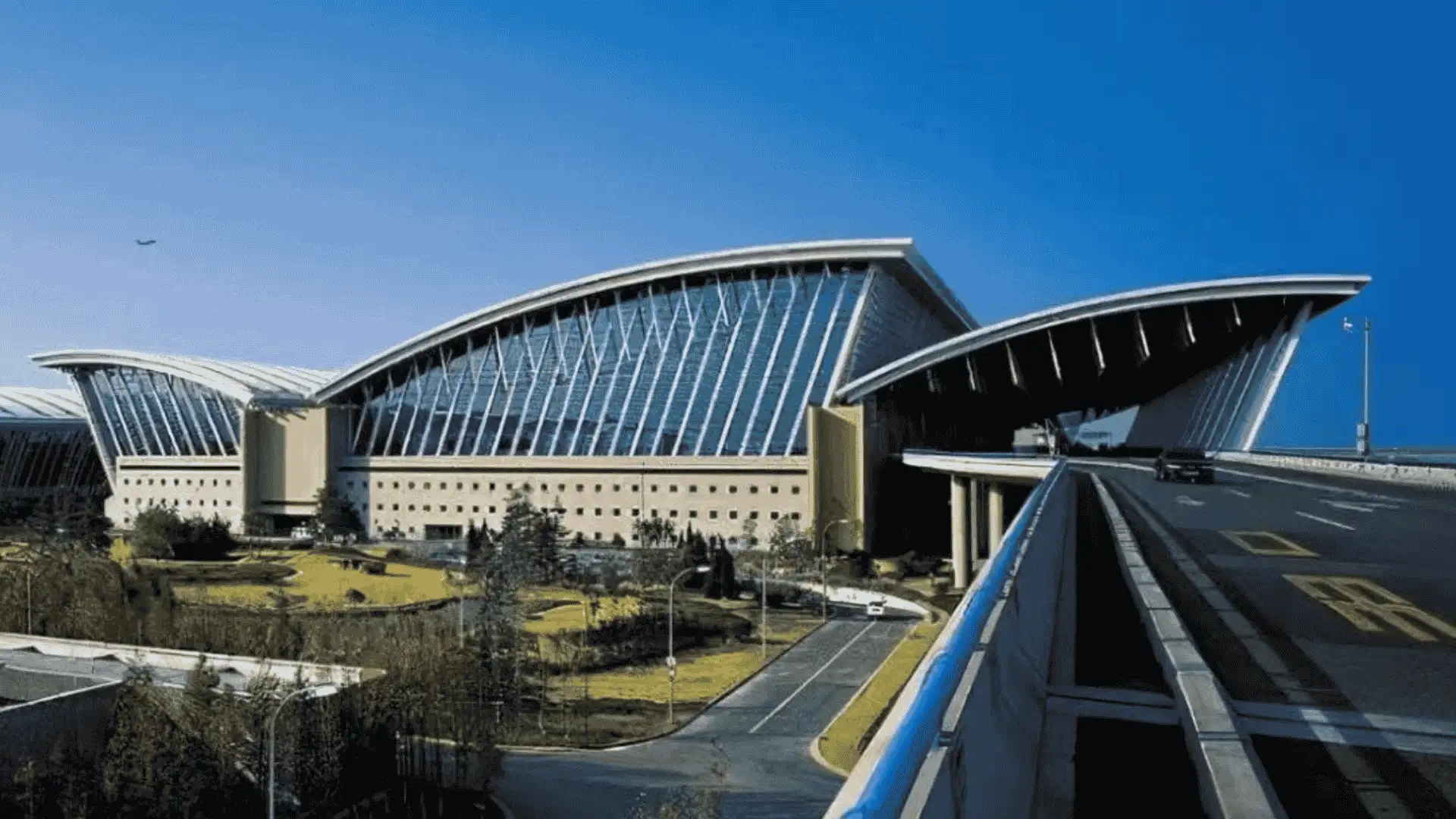
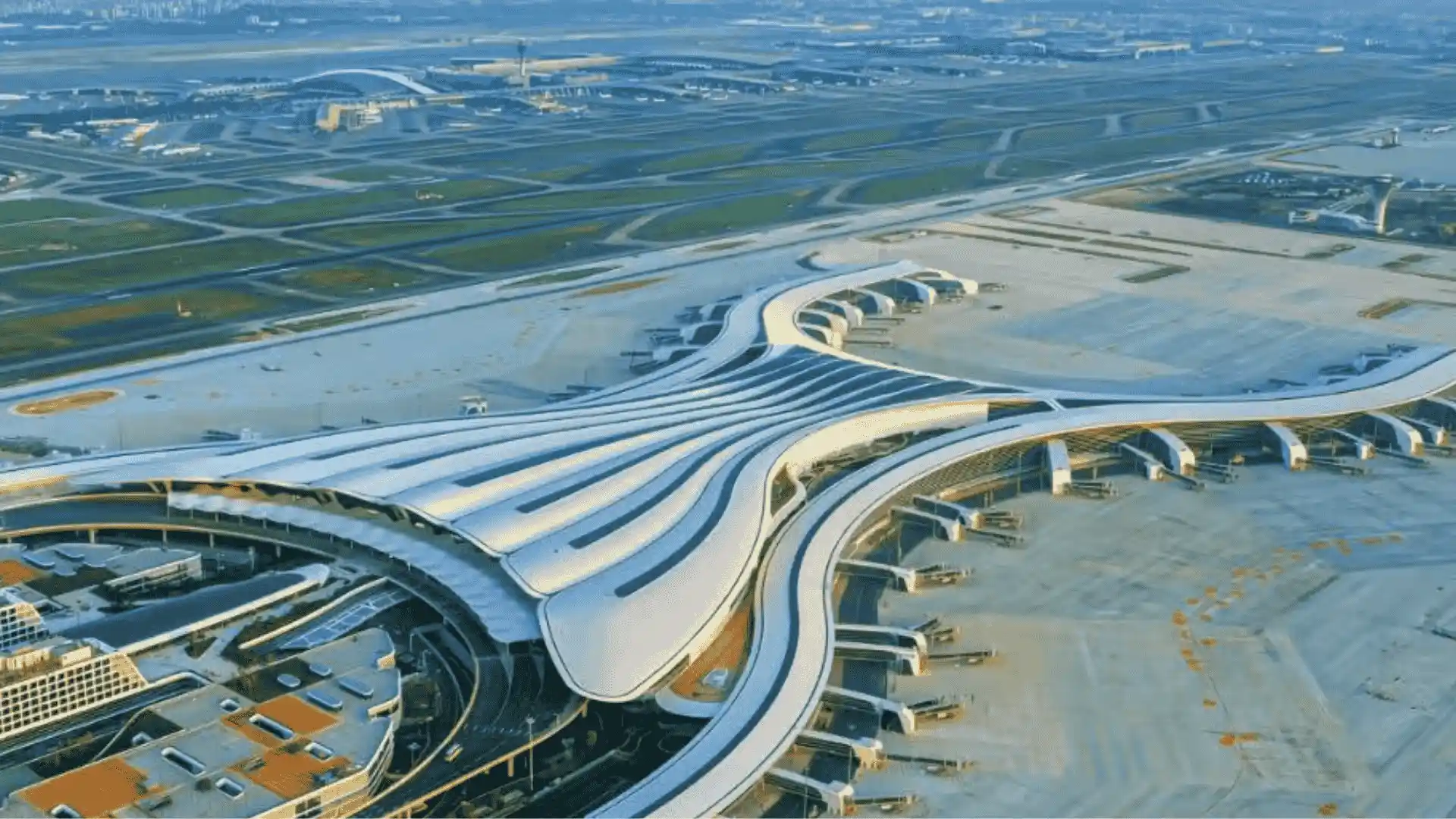
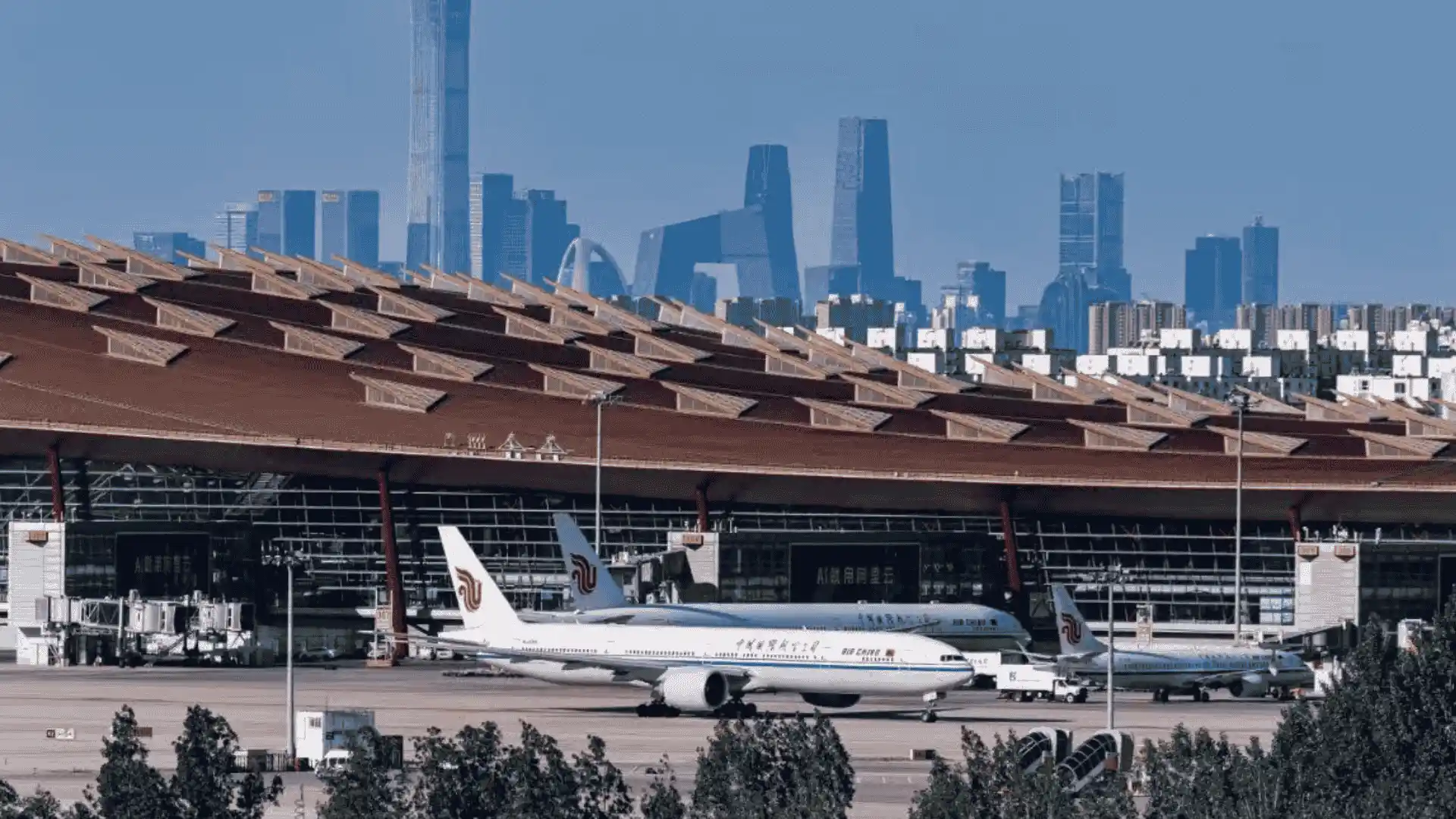
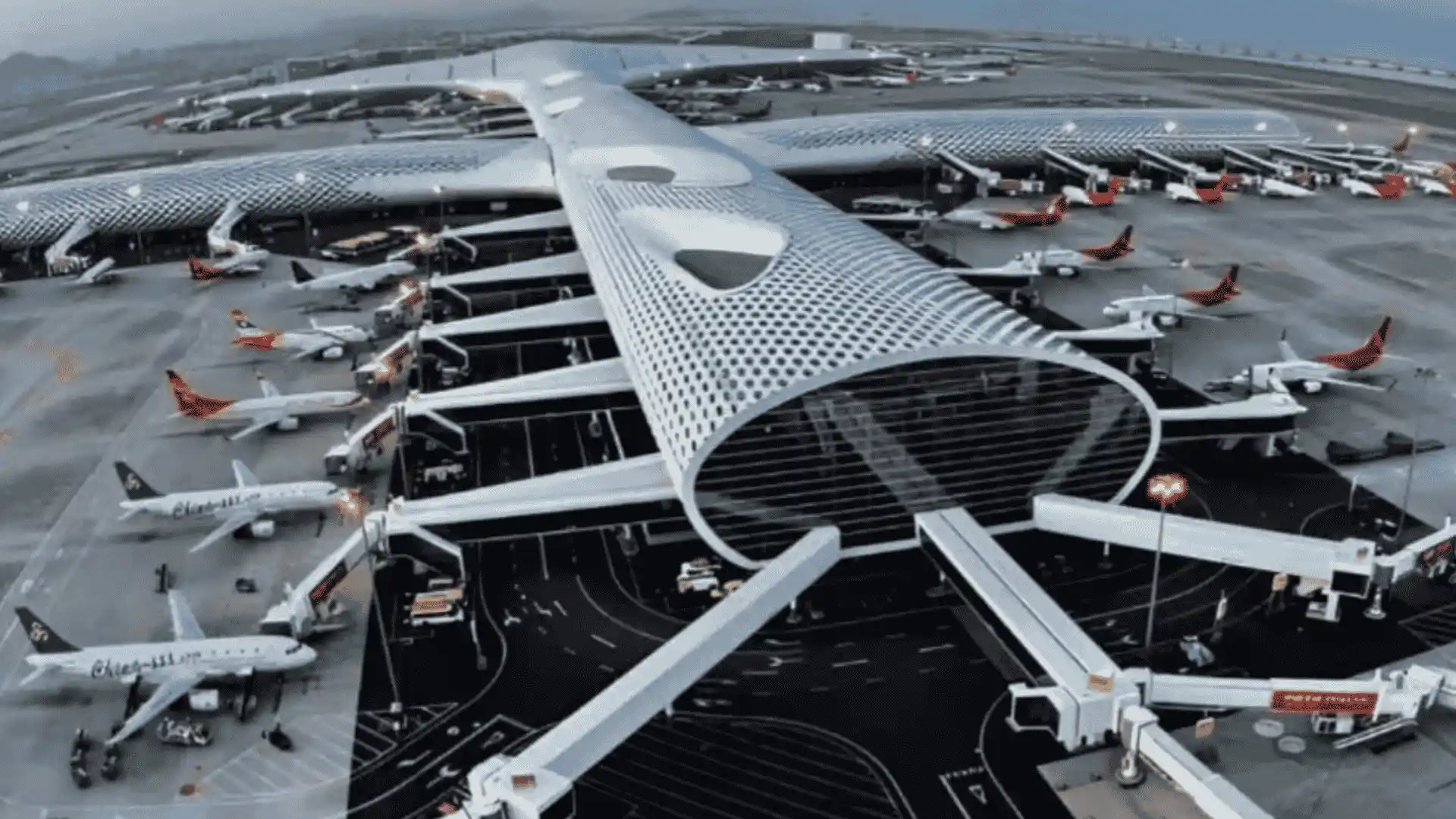
Situated in the sprawling western quadrant of the mainland, physically anchoring the critical link between the massive Haicang Bridge and the high-speed Zhangzhou expansion, this haven of modern capital is dominated by the soaring, geometric glass of the Haicang CBD and the breathtaking, blossom-filled corridors of the Haicang Lake. Within a flawlessly orchestrated, hyper-modern morning, you can see economic and architectural marvels ranging from the perfectly orchestrated, automated gantry cranes of the Haicang Port—where the nation's premier trade with the Belt and Road is managed—to the vanguard, world-famous "Biotech Canyons" of the Haicang Bio-pharmaceutical Industrial Park—where the nation's premier medical and research talent is forged. Stop for a flawlessly extracted, single-origin Fujian pour-over in a minimalist, glass-fronted cafe catering to visiting supply-chain executives and international designers, browse the high-concept retail floors of the massive Aloft Plaza, and sample the district's legendary, fiercely elevated culinary scene—from incredibly rich, "Haicang-style" clay-pot ginger duck to refined, modern Minnan fusion in hushed, lake-facing dining rooms. Saunter along the meticulously paved, heavily illuminated pedestrian boardwalks of the Haicang Bay Park to watch the city’s youth, international scholars, and local tech entrepreneurs navigating the high-velocity, digital current of the "New Western Core." Take a break from the dense, high-stakes stimulation of the commercial grid with a breathtaking, silent moment along the Tianzhu Mountain (Tianzhu Shan), watching the complex, unhurried history of a landscape built entirely from the ground up quietly anchor the trillion-dollar energy of modern Fujian.
Don't Miss
- Navigating the Haicang Lake (The Azure Anchor). This is the absolute visual powerhouse of the district's future. Once a tidal flat, it has been masterfully transformed into a world-class urban lake. Walking the 6-kilometer ring road—flanked by the Cultural Center and the Sports Center—is a mandatory exercise for any serious observer of China's "New City" urban planning.
- The Haicang Bridge (The Kinetic Ritual). Reaching Haicang from the island is a cinematic experience. As one of the world's most significant suspension bridges, its massive steel pylons offer a profound perspective on the district’s logistical supremacy. Witnessing the sunrise illuminate the bridge against the backdrop of the Dongdu Port provides the definitive, horizontal perspective on Xiamen’s maritime ambition.
- Exploring the Tianzhu Mountain National Forest Park. Located in the northern reaches of the district, this is a stunning study in ecological diversity. Home to three massive reservoirs and a sprawling bamboo forest, it serves as the definitive, peaceful counterweight to the intense velocity of the nearby Free Trade Zone.
How to Get There
Haicang operates as the absolute logistical and recreational nervous system of western Xiamen, flawlessly integrated into the city's expanding subterranean and bridge transit network to ensure the frictionless movement of hundreds of thousands of daily executives and travelers.
To plunge directly into this high-velocity sanctuary, take Line 2 of the Xiamen Metro—which crosses beneath the sea—directly to Haicang Business Center Station or Haicang Bay Park Station. Emerging from the modern, highly polished transit grid, the transition is immediate and highly cinematic: the utilitarian city instantly dissolves into a sweeping 360-degree wall of curved glass facades, the quiet hum of electric sedans, and the staggering, quiet gravity of East China's most competitive gateway zone.
Quick Facts
- Haicang District is the largest and oldest Taiwanese Investment Zone in mainland China, established in 1989 to spearhead cross-strait economic cooperation.
- The district houses the Xiamen Free Trade Zone (Haicang Area), a critical node for the "China-Europe Railway Express" that connects the maritime port directly to the Eurasian heartland.
- Historically, the area was a peaceful agricultural and fishing village known for its deep-water bays; its rapid transformation into a multi-billion-dollar "Garden and Tech City" has dictated the city's unique "Mainland Pivot" urban strategy.
Home to East China's most audacious logistical resilience
Since the late 1980s, when pioneer planners envisioned a world-class institutional and intellectual nexus rising from the western shores, Haicang has been an enclave long synonymous with uncompromising ambition and staggering urban engineering. From the city's massive investment in the high-tech, digital-first "Blue Economy" zones to the breathtaking, quiet conservation of the surrounding national forest parks, the district's love of its own futuristic lineage sees it serve as the definitive, polished blueprint for Xiamen's identity beyond the historic island.
The neighborhood's striking, glass-and-emerald aesthetic is absolutely essential for a complete narrative of the city. Highlighting Haicang District proves that far beyond the red-tiled villas and the ancient temples, Xiamen possesses the sheer, logistical muscle to operate as a vital, hyper-modern hub in the global economy. The district ensures that the hum of an automated crane, the glow of the "Biotech Valley" at midnight, and the sheer, relentless scale of the lake boardwalks remain the immovable, authentic foundation of the space.
Taking to the quiet "Tianzhu" horizons
Thanks to its global impact as a logistical and tech powerhouse, the main concourses of the Business Center and the Port Terminal can be undeniable, high-decibel environments during the peak shipping season. Though the atmosphere there is essential for experiencing the city's pulse, if you really want to immerse yourself in the varying, deeply peaceful layers of the neighborhood, you must look toward the hidden mountain trails.
If you navigate past the screaming traffic of the main intersections and step onto the shaded, bamboo-draped trails of the Tianzhu Mountain, you'll find an incredibly quiet, sprawling transition connecting modern structural brilliance directly to the raw, romantic power of a master-planned ecological corridor. Stepping onto these elevated spaces offers a peaceful, grounding contrast to the intense visual velocity of the transit towers behind you—a place where the noise of the crowds completely fades, replaced by the wind rustling the bamboo, the sight of a lone sculler cutting through the morning mist, and the authentic, unhurried rhythm of an urban sanctuary that quietly demands the modern mega-city never forget its true, organic origins.