Situated at the absolute strategic and logistical heart of the western expansion, physically anchoring the critical link between the massive Lanzhou West Railway Station and the historic Chengguan core, this haven of cultural capital is dominated by the soaring, white-winged facade of the Gansu Provincial Museum and the breathtaking, glass-clad corridors of the Lanzhou West CBD. Within a flawlessly orchestrated, ink-scented morning, you can see historical and architectural marvels ranging from the perfectly preserved, 2,000-year-old Galloping Horse Treading on a Flying Swallow to the vanguard, world-famous "Bronze Canyons" of the surrounding Lanzhou High-Tech Hub—where the nation's premier archival and digital-restoration talent is forged. Stop for a flawlessly extracted, single-origin Gansu pour-over in a minimalist, timber-framed "Scholar's Cafe" catering to visiting novelists and international designers, browse the independent heritage boutiques trading in artisanal Lanzhou Painted Pottery and vanguard Silk Road-fusion apparel, and sample the district's legendary, fiercely authentic culinary scene—from incredibly rich, "Qilihe-style" hand-pulled beef noodles to refined, modern Hexi fusion in hushed, museum-facing dining rooms. Saunter along the meticulously paved, heavily shaded stone trails of the Xijin West Road to watch the city’s youth, international scholars, and local historians navigating the quiet, deeply reflective current of the "Hub of the West." Take a break from the dense, high-stakes stimulation of the commercial grid with a breathtaking, silent moment at the Lanzhou Old City (Xigu), watching the complex, unhurried history of a landscape built entirely on the persistence of the clay quietly anchor the trillion-dollar cultural energy of modern Gansu.
Don't Miss
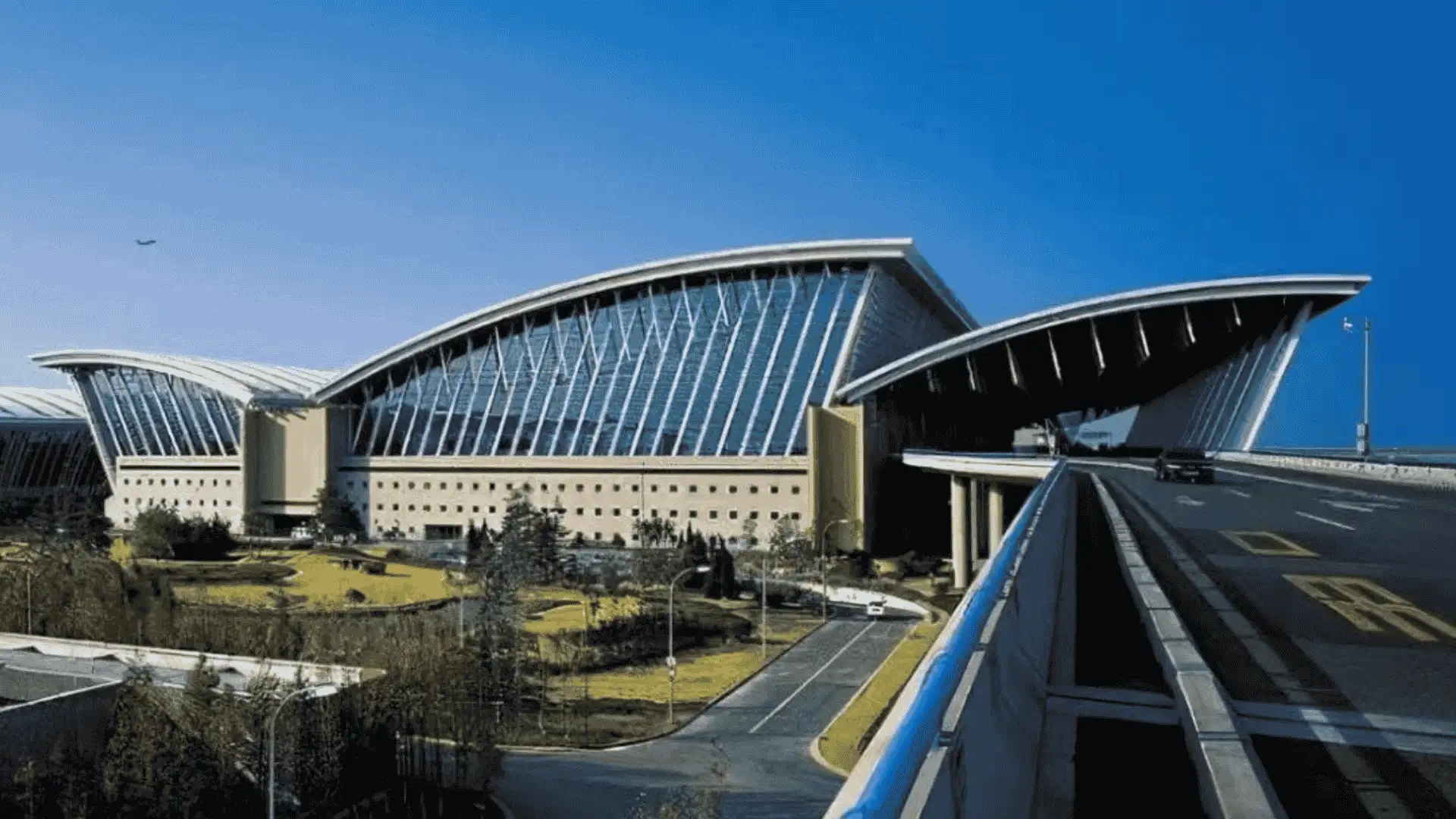
- Navigating the Gansu Provincial Museum (The Deep-Time Anchor). This is the absolute visual powerhouse of the district. Designed with a massive, ethnic-inspired dome and modernistic granite wings, it is a stunning study in "History-as-Modernism." Walking through the Ancient Silk Road Exhibition—housing the world’s most significant collection of Neolithic painted pottery and Han-dynasty bronzes—is a mandatory exercise for any serious observer of China's deep-time global brand pedigree.
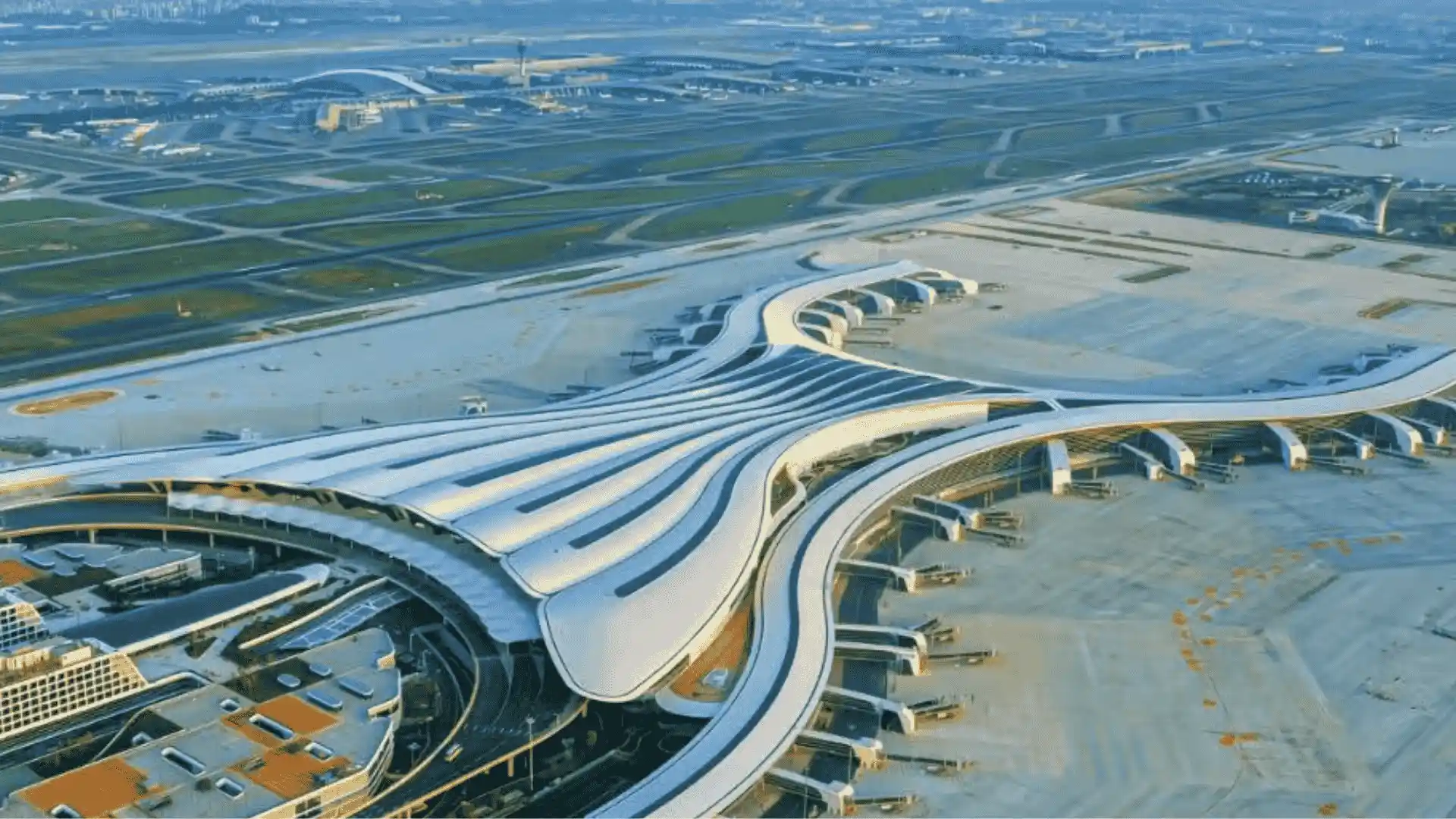
- The Lanzhou West Railway Station (The Logistical Anchor). This is the world’s most significant high-speed gateway to the Hexi Corridor and Xinjiang. Its minimalist, metallic-clad terminals and high-tech "Smart Logistics" centers provide a profound, cinematic understanding of Qilihe’s status as a rising global hub for innovation.
- Exploring the Gansu Science and Technology Museum. Located near the riverbank, this is a masterclass in modernistic "Sponge City" and interactive-design urbanism. Featuring a series of glass-enclosed galleries that translate the Yellow River's hydraulic history into a high-tech aesthetic, it serves as the definitive, functional heart of the district's high-velocity civic life.
How to Get There
Qilihe operates as the absolute technological and logistical nervous system of western Lanzhou, flawlessly integrated into the city's expanding subterranean and high-speed rail network to ensure the frictionless movement of hundreds of thousands of daily executives and travelers.
To plunge directly into this high-velocity sanctuary, take Line 1 of the Lanzhou Metro directly to Xizhan Shizigongyuan (West Station Cross) Station or Museum Station. Emerging from the modern, highly polished transit grid, the transition is immediate and highly cinematic: the utilitarian landscape instantly dissolves into a sweeping 360-degree wall of curved glass facades, the quiet hum of electric sedans, and the staggering, quiet gravity of Northwest China's most competitive transport zone.
Quick Facts
- Qilihe District houses the Gansu Provincial Museum, home to over 350,000 cultural relics, including the official symbol of Chinese tourism, the "Flying Horse of Gansu."
- The district is home to the Lanzhou High-Speed Rail CBD, a multi-billion-dollar project designed to make Lanzhou the "Silicon Valley of the Silk Road" by centering global trade supply chains here.
- Historically, the area was a strategic military garrison protecting the western entrance to the city; its rapid transformation into a multi-billion-dollar "Museum and High-Speed Rail Hub" has dictated the city's unique "Westward Expansion" urban strategy.
Home to Northwest China's most audacious spatial resilience
Since the early 2010s, when municipal planners envisioned a world-class institutional and logistical nexus rising from the western floodplains, Qilihe has been an enclave long synonymous with uncompromising ambition and staggering urban engineering. From the city's massive investment in the high-tech, digital-first "Aviation City" zones to the breathtaking, quiet conservation of the surrounding Yellow River boardwalks, the district's love of its own futuristic lineage sees it serve as the definitive, polished blueprint for Lanzhou's identity beyond the ancient trade gates.
The neighborhood's striking, bronze-grey and glass-cobalt aesthetic is absolutely essential for a complete narrative of the city. Highlighting Qilihe District proves that far beyond the ancient ruins and the emerald grasslands, Lanzhou possesses the sheer, logistical muscle to operate as a vital, hyper-modern hub in the global economy. The district ensures that the sound of a high-speed train whistle, the glow of the "Museum Wing" at midnight, and the sheer, relentless scale of the corporate crowds remain the immovable, authentic foundation of the space.