Stretching from the glittering, algorithmic supertalls of the Alibaba headquarters deep into the sprawling, mist-shrouded bamboo forests of Moganshan (Huzhou), and outward to the dark-awning boats navigating the 2,500-year-old canals of Shaoxing, this sprawling megalopolis functions as a single, flawlessly integrated economic and cultural organism. Within a frictionless, 20-minute intercity bullet train journey from Hangzhou East Station, you can see marvels ranging from the autonomous drone corridors of Yuhang to the surreal, impossibly preserved Ming-dynasty architecture of Wuzhen Water Town (Jiaxing)—which bizarrely and beautifully also serves as the permanent home of the World Internet Conference. Stop for a flawlessly poured flat white in a converted silk mill in Shaoxing, browse the massive, high-tech R&D incubators that bridge the municipal borders, and sample the region's incredibly diverse culinary spectrum—from the elevated, Michelin-starred global dining of the Hangzhou CBD to the incredibly rich, legendary aged yellow wine (Huangjiu) of Shaoxing's historic taverns. Saunter through the quiet, forested trails of Moganshan to watch the region's tech executives seeking absolute silence in world-class boutique eco-resorts, then seamlessly transition back to the high-decibel, neon-lit rhythm of the urban core. Take a break from the relentless pace of the global e-commerce supply chain with a breezy weekend retreat to the uncrowded, emerald tea terraces that blanket the surrounding counties, where the intense corporate energy of the mega-region dissolves entirely into the ancient, humid breeze of Eastern China.
Don't Miss
- Ascending to Moganshan (Huzhou). Historically the summer retreat for Shanghai's 1920s elite, this breathtaking bamboo-covered mountain is now the undisputed capital of China's boutique hospitality movement. It is packed with masterfully designed, ultra-luxury eco-resorts and restored stone villas, serving as the ultimate, oxygen-rich sanctuary for the region's affluent tech class.
- Navigating the ancient canals of Shaoxing. Just a 19-minute bullet train ride from Hangzhou, this is the Venice of the East. Famous as the birthplace of the legendary writer Lu Xun, it remains fiercely authentic, filled with traditional black-awning boats (Wupengchuan), centuries-old stone bridges, and the heavy, intoxicating scent of fermenting yellow wine.
- Stepping out of time in Wuzhen (Jiaxing). This is the crown jewel of China's water towns. Meticulously restored and managed, it offers a flawless, highly curated immersion into ancient Jiangnan life, featuring traditional indigo fabric dyeing workshops, wooden riverside walkways, and spectacular boutique hotels built directly over the canals.
How to Get There
The Greater Hangzhou Area is defined by an infrastructural web so dense and efficient it borders on magic.
From the colossal transit hubs of Hangzhou East (Hangzhoudong) or Hangzhou West (Hangzhouxi), an intricate web of intercity bullet trains—operating with the frequency of a local subway—pumps hundreds of thousands of people across the region daily. The boundaries are so porous that it is entirely common for a creative director to live in a restored courtyard in Shaoxing, commute to a design studio in Hangzhou's Nanshan Road in 30 minutes, and spend the weekend at a private hot spring in Huzhou.
Quick Facts
- The "Hangzhou Metropolitan Circle" is an official government masterplan aimed at deeply integrating Hangzhou with its neighboring cities (Jiaxing, Huzhou, Shaoxing, Quzhou, and Huangshan) into a unified economic block, representing a combined population of over 28 million people.
- While Hangzhou is the brain (R&D, finance, and e-commerce platforming), the surrounding cities provide the deep cultural heritage, the advanced textile and manufacturing muscle, and the crucial ecological green-belts required to sustain a modern mega-region.
- The ancient Beijing-Hangzhou Grand Canal physically and historically connects these cities, serving as the original "high-speed network" that built the immense wealth of the Yangtze River Delta over a millennium ago.
Home to Eastern China's most poetic regional synergy
Since the high-speed rail network physically and economically welded Hangzhou to its northern and eastern neighbors, the Greater Area has been an enclave long synonymous with limitless cultural capital and collaborative ambition. From the area's massive new cross-border technology corridors to the groundbreaking preservation of Moganshan's boutique hospitality ecosystem, the region's love of seamless connectivity sees it serve as a highly functional, fiercely ambitious blueprint for the future of culturally rooted megalopolises.
The region's dramatic contrasts have been featured throughout global travel and economic media as the definitive showcase of "Jiangnan" culture meeting the digital age. And while the commercial scale is vast, the network hasn't forgotten the importance of premium, slow-paced lifestyle, ensuring that an architect can finalize a blueprint in a Hangzhou supertall at noon, and be sipping aged rice wine on a wooden boat in Shaoxing by sunset.
The Intercity Corridors—navigating the mega-region
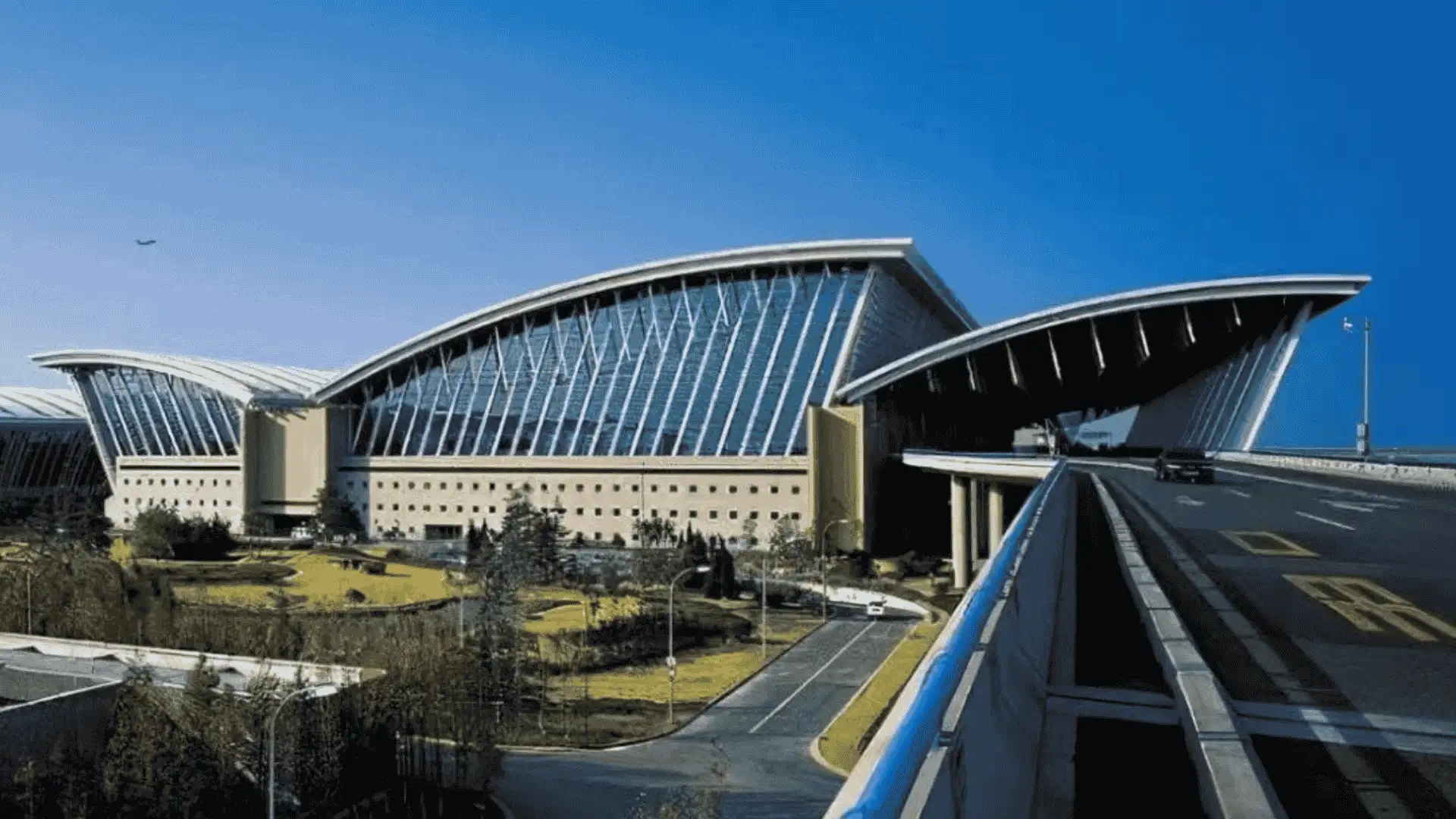
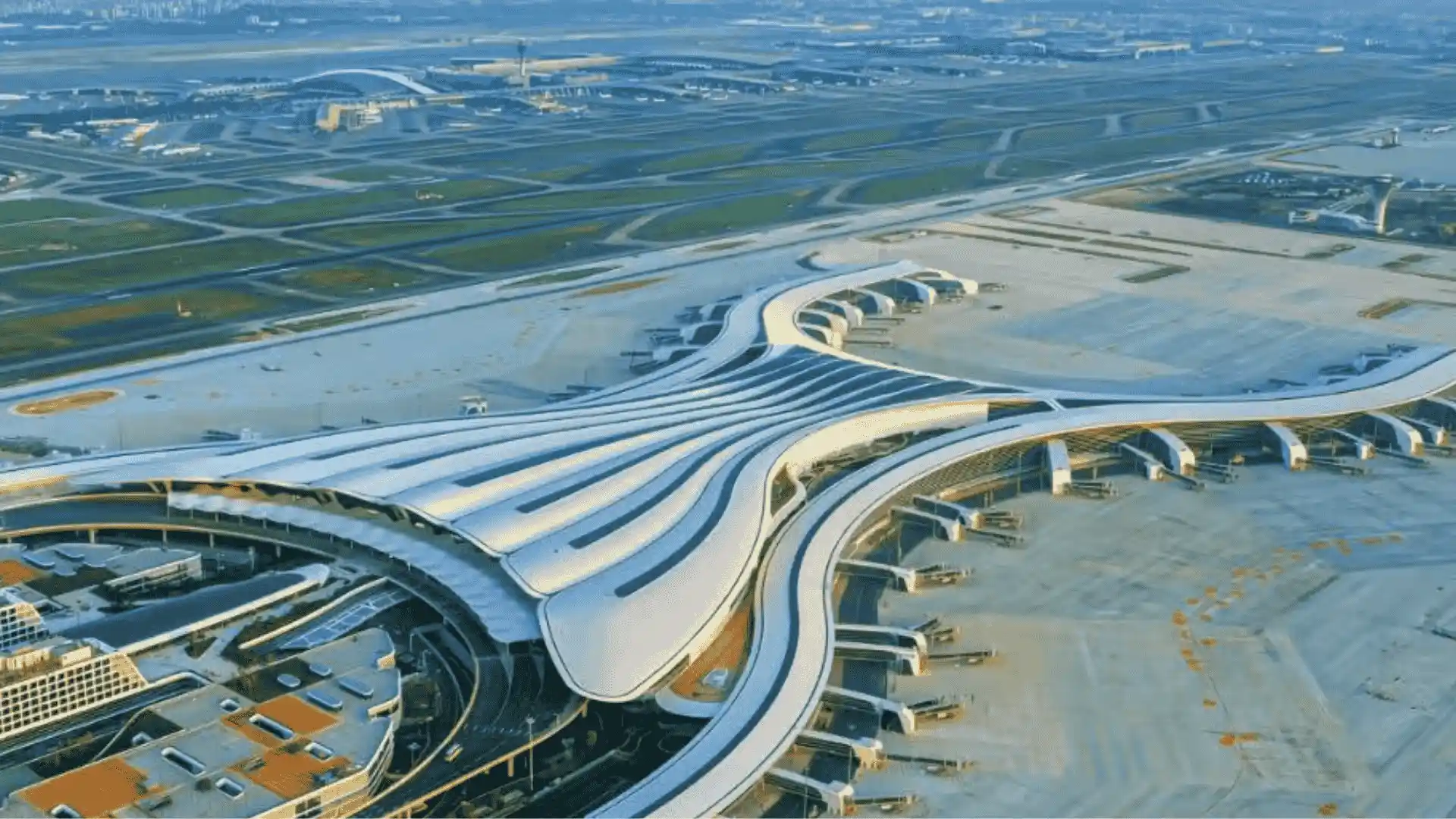
The striking, ultra-modern architecture of the intercity rail stations forms the region's main circulatory artery. Stepping out of the train doors in a satellite cultural hub like Shaoxing North or Tongxiang (for Wuzhen), you are immediately drawn into cities whose entire modern identities are brilliantly intertwined with rapid, frictionless access to the Hangzhou tech core.
Jam-packed with tech engineers, domestic tourists, and regional commuters, this massive infrastructural grid is a fascinating melting pot of hyper-modern efficiency and deep historical preservation. It’s an environment that's sure to give you a highly cinematic, awe-inspiring perspective on the sheer scale and speed of movement in modern China.
Satisfy your appetite, from global dining to ancient water-town feasts
Beyond the pristine, Michelin-starred banquets and imported coffee of Hangzhou, the Greater Area pumps out a wildly diverse, geographically rooted culinary spectrum. A must-do for visitors is tracking how the shifting topography dictates the plate. Whether you're after the melt-in-your-mouth perfection of Shaoxing's drunken chicken (Zui Ji) marinated in local vintage wine, or the incredibly hearty, bamboo-infused organic farmhouse dishes sourced directly from the slopes of Moganshan, there's something to tempt every palate.
If you venture to the ancient water towns of Jiaxing, the dining shifts entirely to meticulous river harvests and traditional snacks. You can't leave without finding a breezy courtyard restaurant overlooking the Wuzhen canals, ordering a feast of freshly steamed whitefish and the region's famous braised pork wrapped in lotus leaves.
A paradise for regional synergy and boutique retreats
The northern and eastern corridors of Greater Hangzhou are arguably the global capital of curated, decentralized hospitality. What's a mega-region without spectacular, master-planned eco-resorts offering a reprieve from the hyper-dense core? No matter your aesthetic, you can find an incredible, overwhelming selection of secluded mountain villas and canal-side retreats far from the high-rent districts of Qianjiang New City.
The undisputed anchor of this lifestyle is the Moganshan mountain belt. If you're hoping for an elevated residential or corporate retreat, be sure to check out the myriad of independent, design-forward estates that have flawlessly converted 19th-century stone mansions into ultra-premium hideaways. It is a stunning example of how the metropolis successfully leverages the vast ecological landmass of its neighbors to create highly efficient sanctuaries for the region's design-conscious elite.
Taking to the quiet "Jiangnan" waterways
Thanks to their global impact as commercial and cultural powerhouses, the central business districts of the region are undeniable, highly coveted hotspots. Though the atmosphere there is essential for understanding the region's pedigree, if you really want to immerse yourself in the varying, deeply balanced layers of the Greater Area, you must head outward toward the ancient water networks.
If you take the intercity rail to the surrounding historic towns, you'll find a sprawling network of pristine, willow-lined canals and ancient stone bridges connecting some of the most impressive, culturally rich corridors in the country. Stepping into a hand-rowed wooden boat offers a peaceful, horizontal contrast to the sprawling urban supertalls—a place where you can glide past century-old riverside homes and ancient temples, orchestrating a silent, highly authentic lifestyle perfectly synced with the poetic, enduring soul of the Greater Hangzhou Area.