Situated on the mist-shrouded, mountainous border between China and the Korean Peninsula, physically anchoring the critical link between the massive Jilin timber forests and the high-altitude skies, this haven of natural capital is dominated by the soaring, jagged caldera of the Changbai Peak and the breathtaking, deep-sapphire expanse of Heaven Lake (Tianchi). Within a flawlessly orchestrated, sub-zero morning, you can see natural and architectural marvels ranging from the perfectly preserved, primeval Korean pine forests to the vanguard, world-class "Powder Canyons" of the Wanda and Luneng ski enclaves—where the nation's premier winter-sports infrastructure is carved directly into the wilderness. Stop for a flawlessly extracted, single-origin Dongbei pour-over in a minimalist, timber-framed chalet catering to visiting snowboarders and international ecologists, browse the independent heritage boutiques trading in artisanal wild ginseng and velvet antler, and sample the district's legendary, fiercely authentic culinary scene—from incredibly rich, charcoal-fired Korean border-town BBQ to refined, modern Dongbei fusion in hushed, snow-facing dining rooms. Saunter along the meticulously paved, heavily shaded wooden boardwalks of the Underground Forest to watch the city’s youth, international scholars, and local hikers navigating the quiet, deeply reflective current of the "White Mountain." Take a break from the dense, high-stakes stimulation of the urban grid with a breathtaking, silent moment at the Julong Hot Springs, watching the complex, unhurried history of a landscape built entirely on geothermal fire quietly anchor the trillion-dollar eco-tourism energy of modern Jilin.
Don't Miss
- Navigating Heaven Lake (Tianchi - The Sapphire Caldera). This is the absolute visual powerhouse of the region. Resting at an altitude of over 2,100 meters, this massive volcanic crater lake is the deepest in China. Standing on the jagged, wind-swept rim, looking down at the pristine, frozen blue water (or mist-shrouded surface in summer), is a mandatory exercise for any serious observer of the continent's geological majesty.
- The Julong Volcanic Hot Springs. Located just beneath the Changbai Waterfall, this area is a staggering study in geothermal energy. The steaming, mineral-rich water bubbles up through vividly colored rock formations at temperatures reaching 82°C (180°F). Soaking in a high-end, outdoor onsen while the surrounding forest is buried in winter snow is an absolute, high-gravity masterclass in northern luxury.
- The High-Altitude Ski Enclaves. The western and northern slopes of Changbaishan have been masterfully transformed into world-class winter resorts. With pristine, dry powder snow that rivals the Alps, navigating the high-speed gondolas and luxury chalets of the Wanda White Mountain Resort offers a profound, cinematic understanding of China's booming winter-sports economy.
How to Get There
Changbaishan operates as the absolute ecological and recreational nervous system of eastern Jilin, flawlessly integrated into the region's expanding high-speed rail and aviation network to ensure the frictionless movement of urban wanderers and luxury travelers.
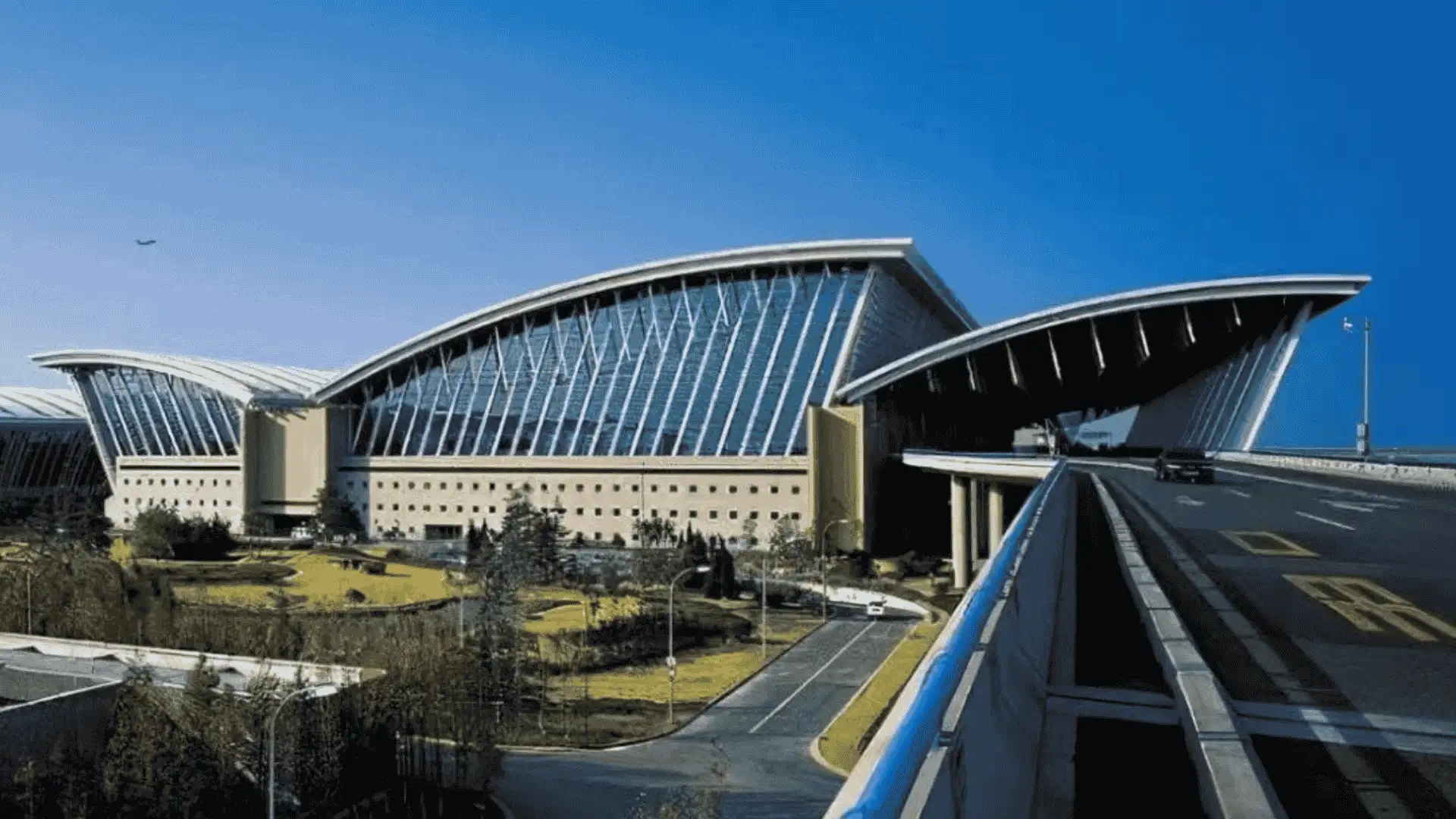
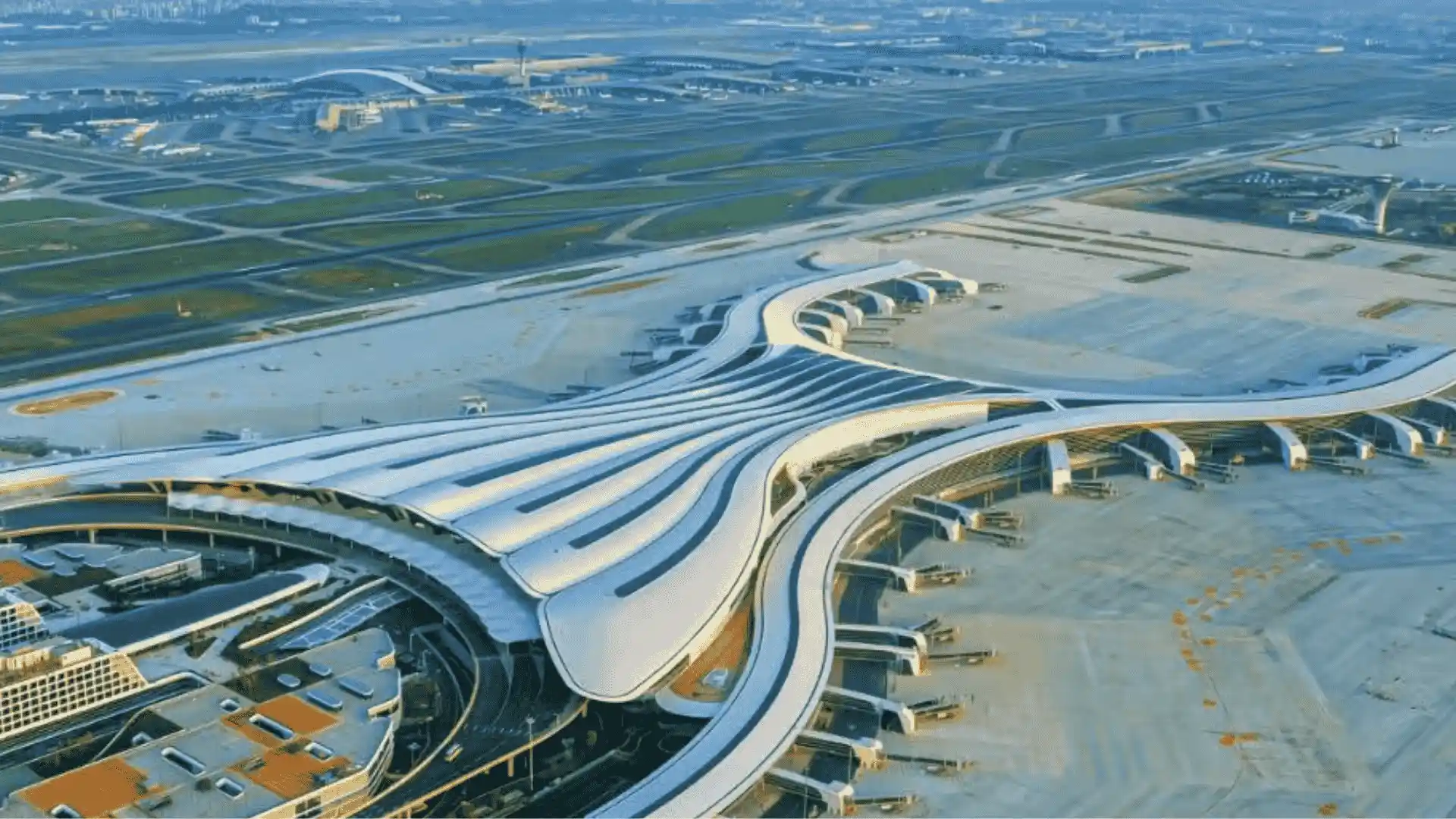
To plunge directly into this high-velocity sanctuary, take the high-speed train directly to the hyper-modern Changbaishan Railway Station (nestled in the surrounding forests) or fly into Changbaishan Airport. Emerging from the highly polished transit grid, the transition is immediate and highly tactile: the utilitarian landscape of the deep northeast instantly dissolves into a wall of emerald-green pines and white birch, the smell of raw ozone and sulfur, and the staggering, quiet resilience of Northeast China's most dramatic natural anchor.
Quick Facts
- Changbaishan literally translates to "Perpetually White Mountain," named for its snow-capped peaks and the white pumice stone left behind by historic volcanic eruptions.
- The mountain is deeply revered in regional history, officially recognized as the mythical birthplace and sacred ancestral homeland of the Manchu people, founders of the Qing Dynasty.
- Heaven Lake sits directly on the international border; a portion of the lake and the surrounding peaks belong to North Korea, where it is known as Mount Paektu.
Home to Northeast China's most audacious ecological resilience
Since the establishment of the national nature reserve in the 1960s, the Changbai Mountains have been an enclave long synonymous with uncompromising environmental standards and deep, conservation-driven ambition. From the province's massive investment in the high-tech preservation of the Siberian tiger and Amur leopard habitats to the breathtaking, quiet luxury of the surrounding eco-resorts, the region's love of its own unique, rugged lineage sees it serve as the definitive, polished cultural engine of Jilin's tourism economy.
The region's striking, obsidian-and-white aesthetic is absolutely essential for a complete narrative of the Dongbei frontier. Highlighting Changbaishan proves that far beyond the historic Russian streets and the heavy-industry ports, the Northeast possesses a deeply enlightened, wild, and enduring soul. The district ensures that the crunch of a snowboard on fresh powder, the glow of a hot spring at midnight, and the sheer, relentless scale of the volcanic caldera remain the immovable, authentic foundation of the space.
Taking to the quiet "Underground Forest" horizons
Thanks to its global impact as a tourism and winter sports powerhouse, the main concourses of the ski resorts and the Heaven Lake transfer stations can be undeniable, high-decibel environments during the peak season. Though the atmosphere there is essential for experiencing the region's pulse, if you really want to immerse yourself in the varying, deeply peaceful layers of the mountain, you must look toward the hidden valleys.
If you navigate past the screaming tourist lots and hike down into the shaded, moss-covered trails of the Underground Forest (Gu Di Sen Lin), you'll find an incredibly quiet, sprawling transition connecting modern diplomatic brilliance directly to the raw, romantic power of the ancient earth. Stepping into this sunken, primeval gorge—created by a massive geological fault—offers a peaceful, grounding contrast to the intense visual velocity of the modern ski slopes above. It is a place where the noise of the crowds completely fades, replaced by the wind rustling the ancient Korean pines, the sound of a hidden river cutting through the volcanic rock, and the authentic, unhurried rhythm of a natural sanctuary that quietly demands the modern mega-city never forget its true, organic origins.