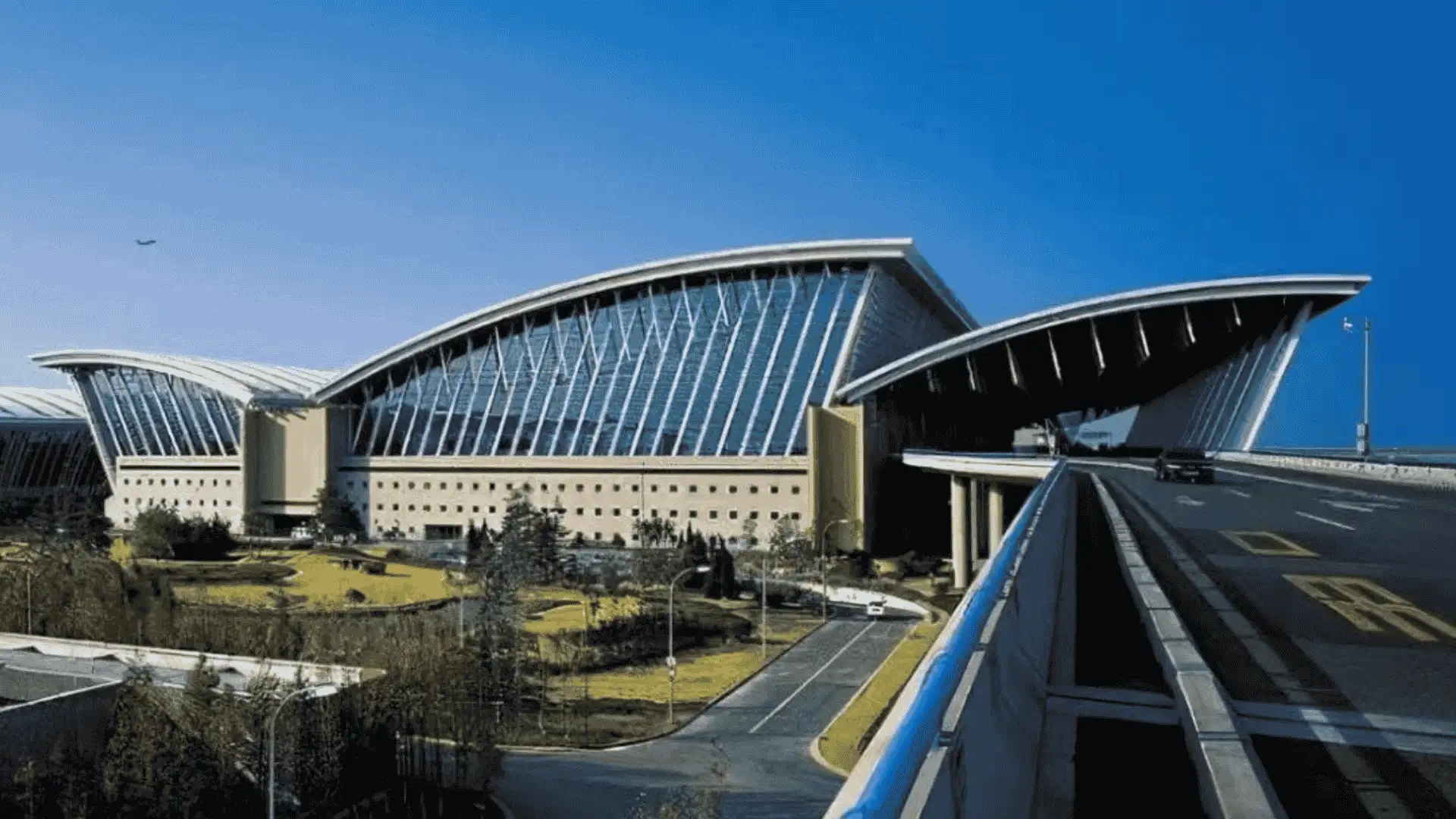
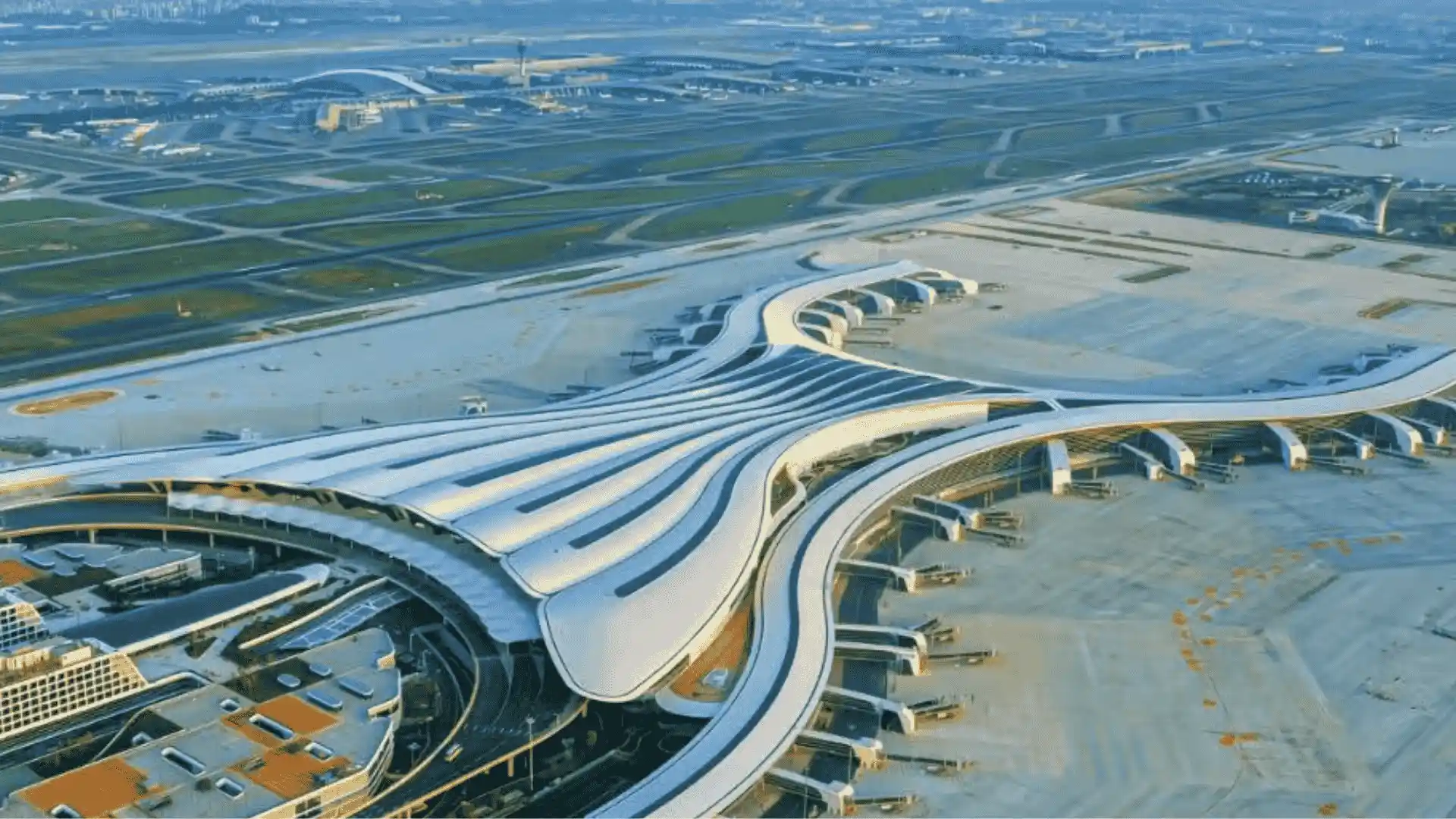
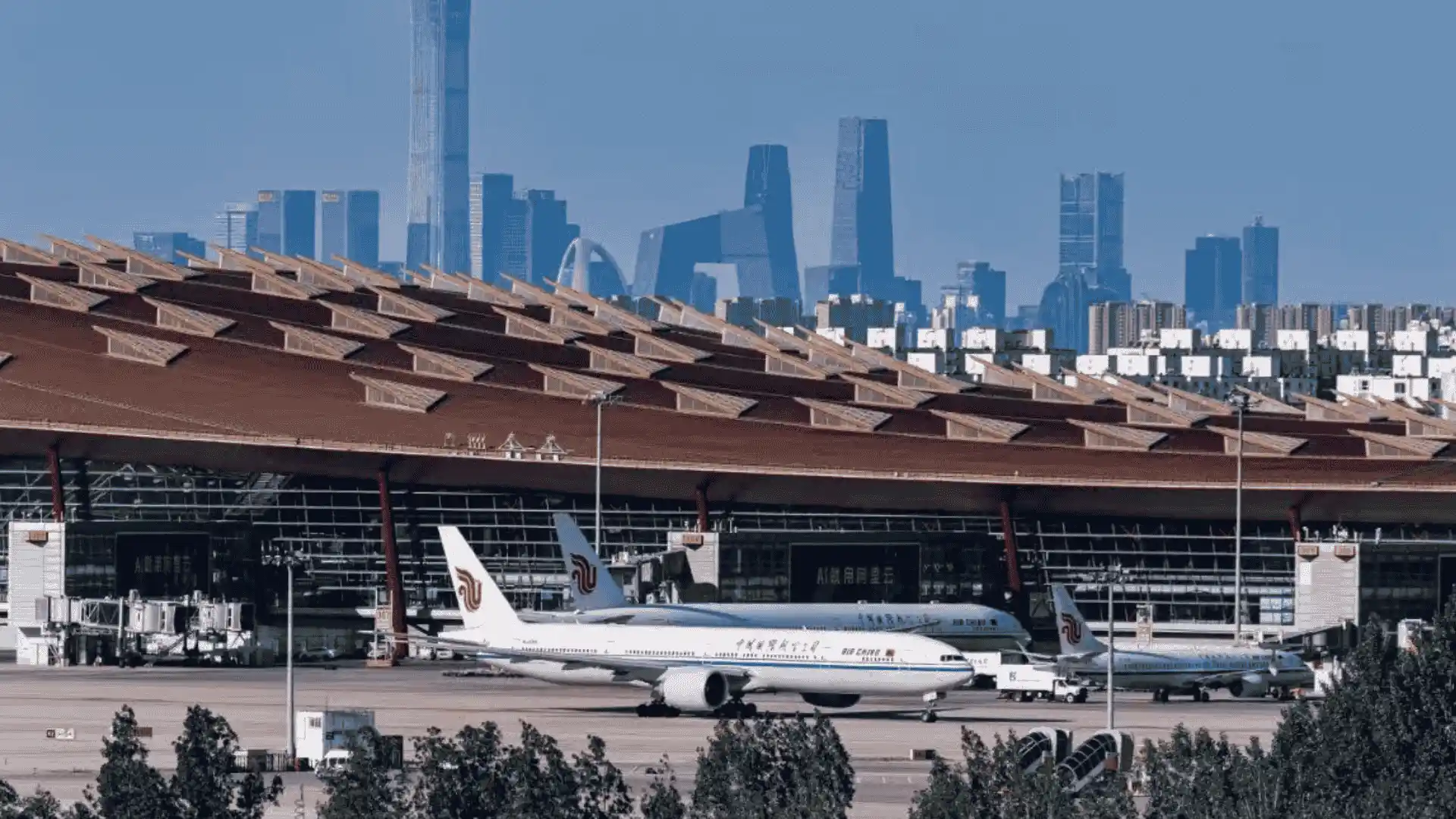
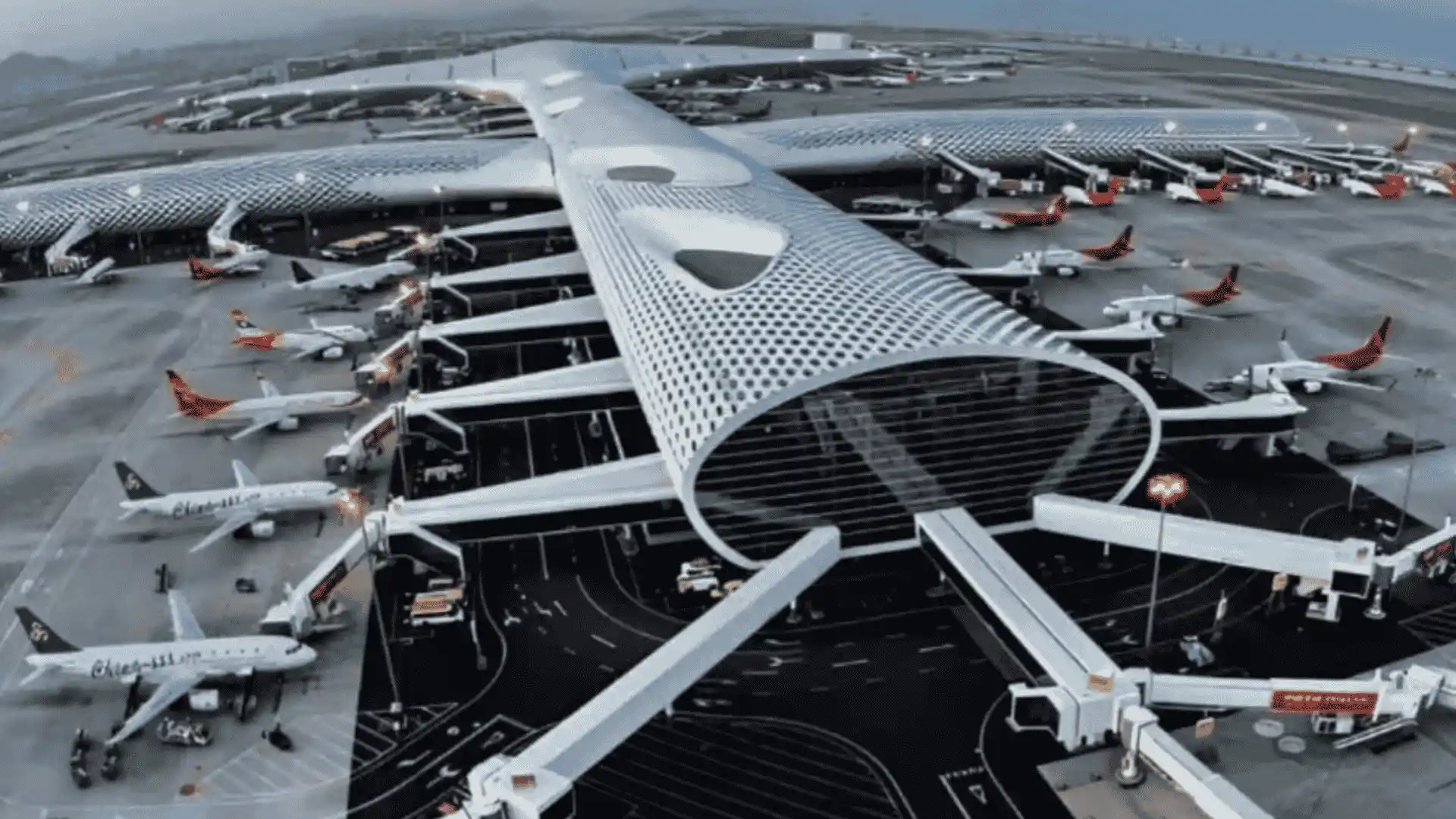
Situated in the expansive, newly developed southwestern quadrant of the city—far removed from the peeling stucco of Daowai—this haven of 21st-century capital is anchored by the colossal, sweeping steel canopy of Harbin West Station (Harbinxi) and the massive, interconnected retail labyrinth of Haxi Wanda Plaza. Within a flawlessly designed, hyper-efficient morning, you can see economic and architectural marvels ranging from the silent, frost-resistant Fuxing bullet trains rocketing in from Beijing at 300 km/h, to vanguard, multi-level luxury flagships seamlessly integrated into the surrounding commercial grid. Stop for a flawlessly extracted, single-origin pour-over in a minimalist, glass-enclosed executive lounge catering to venture capitalists and real estate developers, browse the high-concept experiential retail hubs that serve as live testing grounds for new consumer tech, and sample the district's legendary, fiercely modern culinary scene—from flawless, multi-course international business banquets to premium, modern Japanese omakase suspended above the glowing transit plazas. Saunter along the meticulously paved, heavily illuminated pedestrian corridors to watch the city’s affluent youth and international executives navigating the fast-paced, digital current of the Haxi New District. Take a break from the dense, high-decibel stimulation of the departure boards with a quiet, breathtaking moment in a sky-high hotel atrium, watching the complex, unhurried history of the frozen northern plains give way entirely to the trillion-dollar energy of modern Chinese infrastructure.
Don't Miss
- Grasping the scale of Harbin West Station. Opened in 2012, this is not a heritage site; it is a cathedral of modern transit. Designed specifically for the high-speed rail lines connecting Harbin to Dalian and Beijing, its massive, undulating roof mimics the rolling snowdrifts of the northern plains. It is a staggering masterclass in moving tens of thousands of passengers effortlessly through a sub-zero environment.
- Exploring the Haxi Commercial Core. The arrival of the station birthed an entirely new city district. The surrounding grid, anchored by massive developments like Haxi Wanda Plaza, is the undisputed retail and entertainment engine for the southern half of the city, offering a sharp, neon-lit contrast to the historic European avenues downtown.
- Navigating the Subterranean Labyrinths. Because winter surface temperatures drop to -30°C, the true genius of the Harbin West area lies underground. A massive, interconnected network of transit tunnels, retail corridors, and climate-controlled pedestrian walkways links the station directly to surrounding offices and luxury residential towers, creating a seamless, weather-proof urban experience.
How to Get There
Harbin West operates as the absolute high-speed nervous system of the city's modern expansion, flawlessly integrated into the Harbin Metro network to ensure the frictionless movement of its massive, highly mobile workforce.
To plunge directly into this high-tech sanctuary, take the vital Line 3 (the city's ring line) directly to Harbin West Railway Station (Harbinxizhan). Emerging from the subterranean grid, the transition is immediate and highly cinematic: the utilitarian transit network deposits you squarely amidst the soaring, glass-and-steel concourses. For crafting high-end hospitality narratives and framing modern market communications, this represents the definitive "executive arrival"—a frictionless, climate-controlled transition from a 300 km/h bullet train directly into a premium lifestyle sector, bypassing the freezing winter entirely.
Quick Facts
- Before the construction of Harbin West Station began in the late 2000s, the Haxi area was largely an undeveloped, semi-industrial suburb. The station acted as a massive economic catalyst, transforming the district into one of the most expensive and sought-after residential and commercial zones in the province.
- The station is uniquely engineered to withstand extreme temperature fluctuations, utilizing specialized structural steel and thermal glass designed specifically to prevent the massive concourses from fracturing during the brutal Manchurian freeze-thaw cycle.
- Harbin West slashed travel times across the country. A journey to Beijing, which once took a grueling 12 to 14 hours on conventional trains, was reduced to a stunning, highly productive 5-hour glide.
Home to Northern China's most audacious modern pivot
Since the first bullet train departed its platforms, the Haxi District has been an enclave long synonymous with uncompromising ambition and staggering urban engineering. From the area's massive investment in smart-city infrastructure to the breathtaking scale of its commercial superblocks, the district's love of algorithmic efficiency sees it serve as the definitive, uncompromising blueprint for Harbin's future.
The neighborhood's striking, geometric, glass-and-steel aesthetic is absolutely essential for a complete narrative of the city. Highlighting Harbin West proves that far beyond the ice sculptures and the romantic Russian churches, the city possesses the sheer, logistical muscle to operate as a vital, hyper-modern hub in the global economy. The district ensures that the hum of the high-speed rail, the glow of the LED billboards, and the sheer, relentless energy of the corporate crowds remain the immovable, authentic foundation of the space.
The Transit Corridors—navigating the master-planned grid
The wide, flawlessly paved boulevards connecting the massive station to the surrounding commercial plazas form the area's main circulatory artery. Stepping out of the transit hubs, you'll immediately see a network of vibrant, manicured corporate plazas, cascading retail podiums, and a relentless, highly synchronized tide of travelers moving at an energetic, purpose-driven clip.
Jam-packed with tech investors, domestic tourists heading to the ice festivals, and local affluent youth, this commercial grid is a fascinating melting pot of high-speed global transit and highly polished, modern urbanism that's sure to give you an electric, unfiltered perspective on the sheer economic horsepower driving modern Heilongjiang.
Satisfy your appetite, from executive dining to transit fuel
Behind almost every gleaming glass facade and within the bustling, multi-level food courts of the adjacent commercial parks are the district's celebrated kitchens, pumping out a mix of the city's most robust, fast-casual regional cuisine and elevated executive dining. A must-do for visitors to the area is observing the "High-Speed Graze." Because the district caters to executives and travelers on strict schedules, the culinary execution is brilliantly efficient and incredibly satisfying.
Whether you're after the dense, savory satisfaction of authentic, blisteringly spicy Sichuan hotpot to thaw out after a journey, or a refined, slow-paced lunch of flawless, multi-course Cantonese dim sum inside a sleek, sky-high hotel dining room to close a regional development deal, there's something to satisfy every high-stakes schedule and palate.
A paradise for premium hospitality and corporate velocity
The Harbin West Area is arguably Northern China's capital of "curated efficiency," and what's a massive high-speed hub without spectacular, highly functioning civic and hospitality environments? No matter your aesthetic, you can find an incredible, overwhelming selection of premium spaces that treat modern travel as a user-experience problem to be solved beautifully.
The undisputed charm of the area lies in its absolute cohesion. If you're hoping for an elevated experience, be sure to browse the sprawling, interconnected lobbies of the international business hotels flanking the station, where high-tech experiential retail, vanguard contemporary coffee culture, and premium brand messaging seamlessly blur together. It is a stunning example of how a district can successfully package immense infrastructural wealth into a deeply livable, highly engaging exploration of 21st-century urbanism.
Taking to the quiet "Sky Lounge" viewpoints
Thanks to its global impact as a transit powerhouse, the main thoroughfares of the station and the Wanda Plaza are undeniable, high-energy corridors. Though the atmosphere there is essential for understanding the area's ambition, if you really want to immerse yourself in the varying, deeply peaceful layers of the neighborhood, you must look upward.
If you head to the top floors of the surrounding luxury towers, you'll find a network of incredibly quiet, elevated transitions connecting the manic velocity of the transit hub directly to the sweeping, snow-covered horizons of the Manchurian plains. Stepping into a hushed executive lounge offers a peaceful, grounding contrast to the intense digital velocity below—a place where the noise of the announcements vanishes, replaced by the clink of a cocktail glass, the sight of bullet trains silently carving through the white landscape, and the authentic, unhurried rhythm of a neighborhood that patiently anchors the trillion-dollar energy of the future rising around it.