Situated in the sprawling southern reaches of the metropolitan area, physically anchoring the critical link between the massive Lukou International Airport and the historic urban core, this haven of cultural capital is dominated by the soaring, palace-like curves of the Usnisa Palace and the breathtaking, blossom-filled corridors of the Tangshan Hot Springs. Within a flawlessly orchestrated, incense-scented morning, you can see historical and architectural marvels ranging from the perfectly preserved, 15th-century Zheng He’s Tomb to the vanguard, world-famous "Cultural Canyons" of the Niushoushan Cultural Park—where the nation's premier religious and structural artistry is forged in a former iron mine. Stop for a flawlessly extracted, single-origin Jiangsu pour-over in a minimalist, timber-framed cafe hidden within a former 1980s village granary catering to visiting novelists and international designers, browse the independent heritage boutiques trading in artisanal gold leaf and vanguard farm-to-table tea, and sample the district's legendary, fiercely authentic culinary scene—from incredibly rich, "Jiangning-style" local lake-duck to refined, modern Huaiyang fusion in hushed, forest-facing dining rooms. Saunter along the meticulously paved, heavily shaded pedestrian boardwalks of the Baijia Lake to watch the city’s youth, international scholars, and local tech entrepreneurs navigating the quiet, deeply reflective current of the "New Southern Core." Take a break from the dense, high-stakes stimulation of the commercial grid with a breathtaking, silent moment at the Yangshan Quarry, watching the complex, unhurried history of a landscape built entirely on the persistence of stone quietly anchor the trillion-dollar energy of modern Jiangsu.
Don't Miss
- Navigating the Niushoushan Cultural Park (The Gilded Anchor). This is the absolute visual powerhouse of the district's future. Built on a sacred mountain that historically resembled a bull's horns, the Usnisa Palace is a staggering study in modern structural majesty. Walking through the nine-story subterranean palace—housing the sacred parietal bone of the Buddha—offers a profound, cinematic understanding of Jiangning’s status as a premier global hub for spiritual architecture.
- Exploring the Tangshan Hot Springs. As one of the four most famous hot spring regions in China, Tangshan is a stunning study in geological luxury. With its mineral-rich waters and a history spanning 1,500 years, it serves as the definitive, peaceful counterweight to the intense velocity of the nearby Jiangning Development Zone.
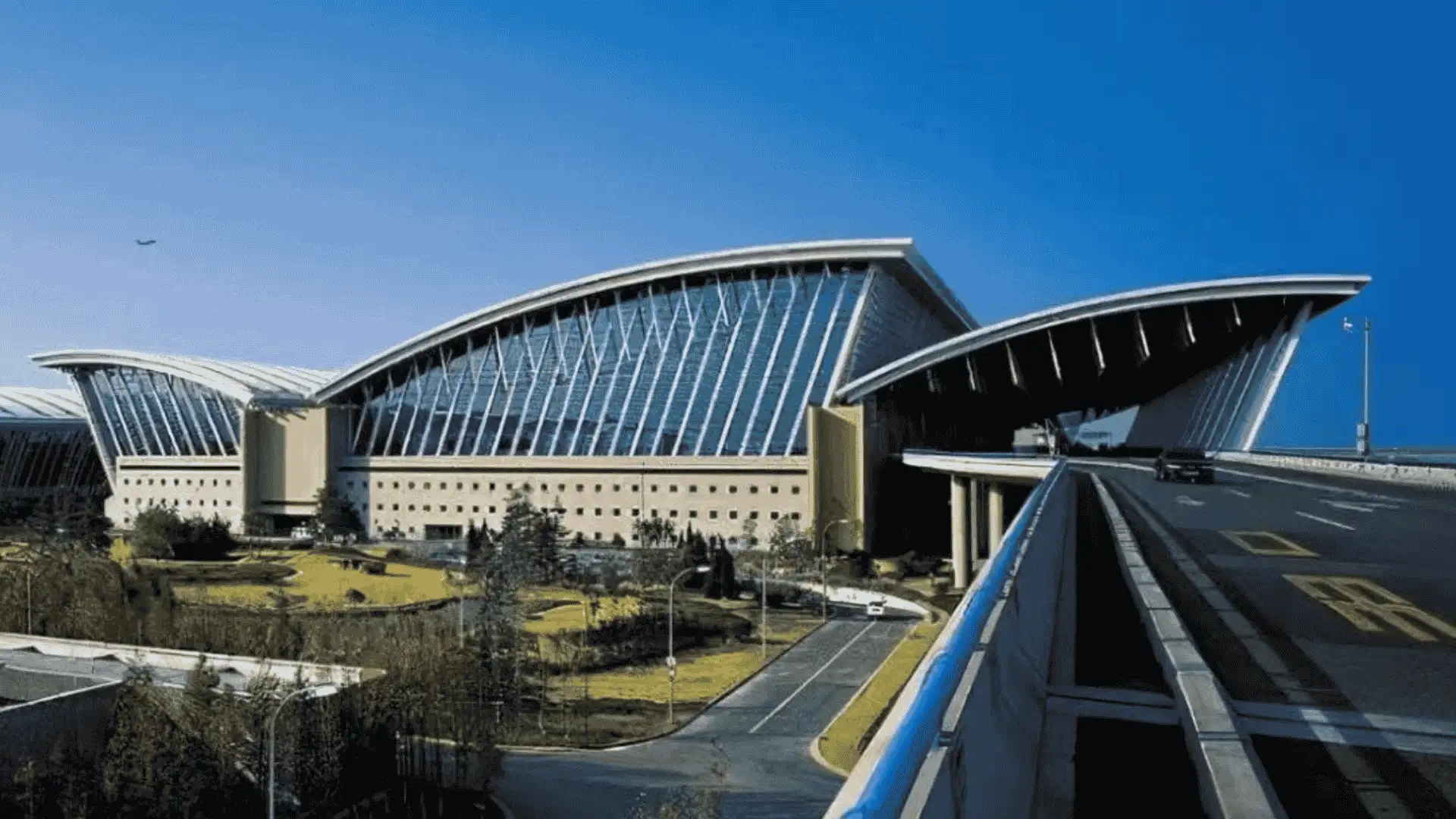
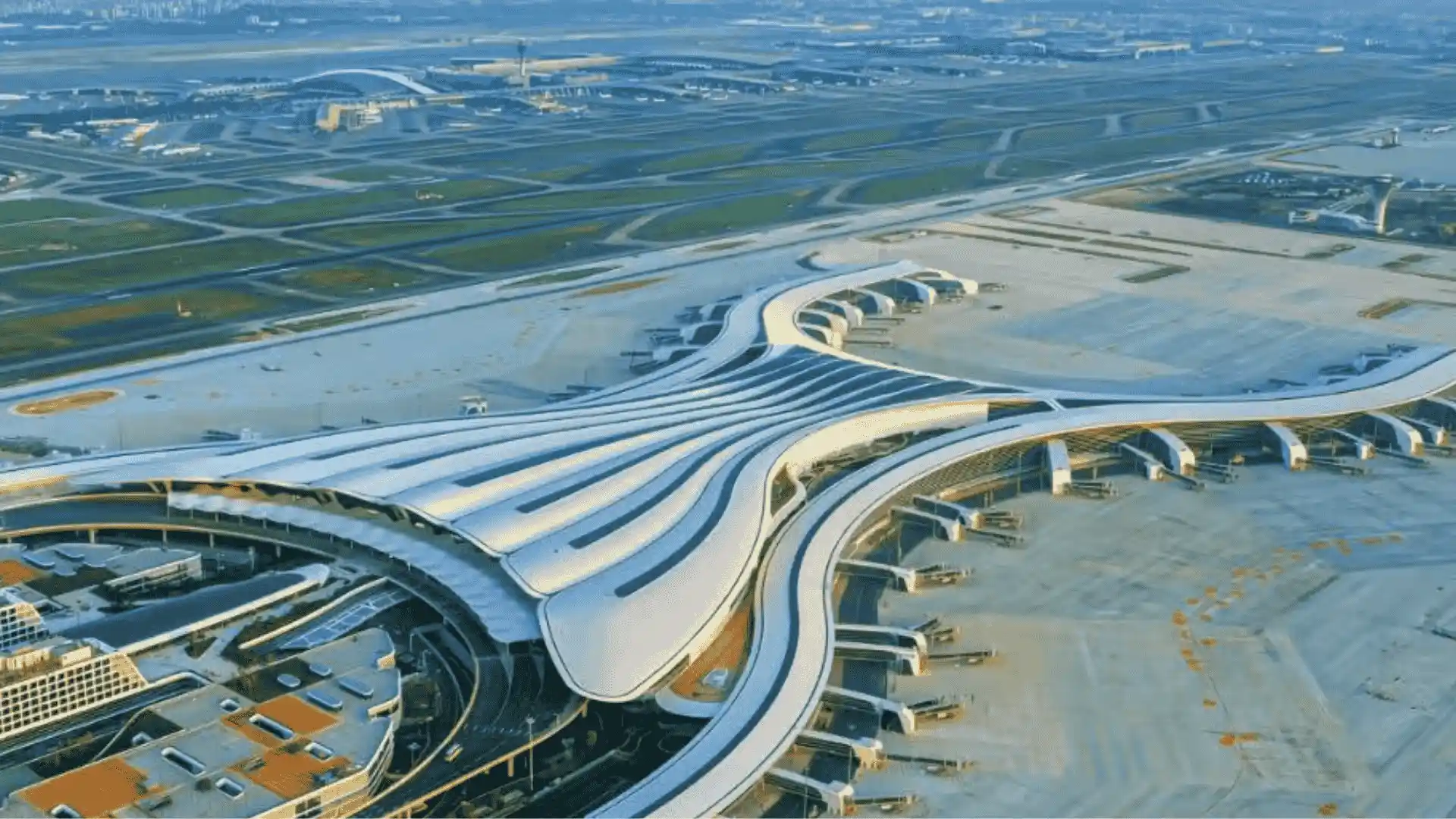
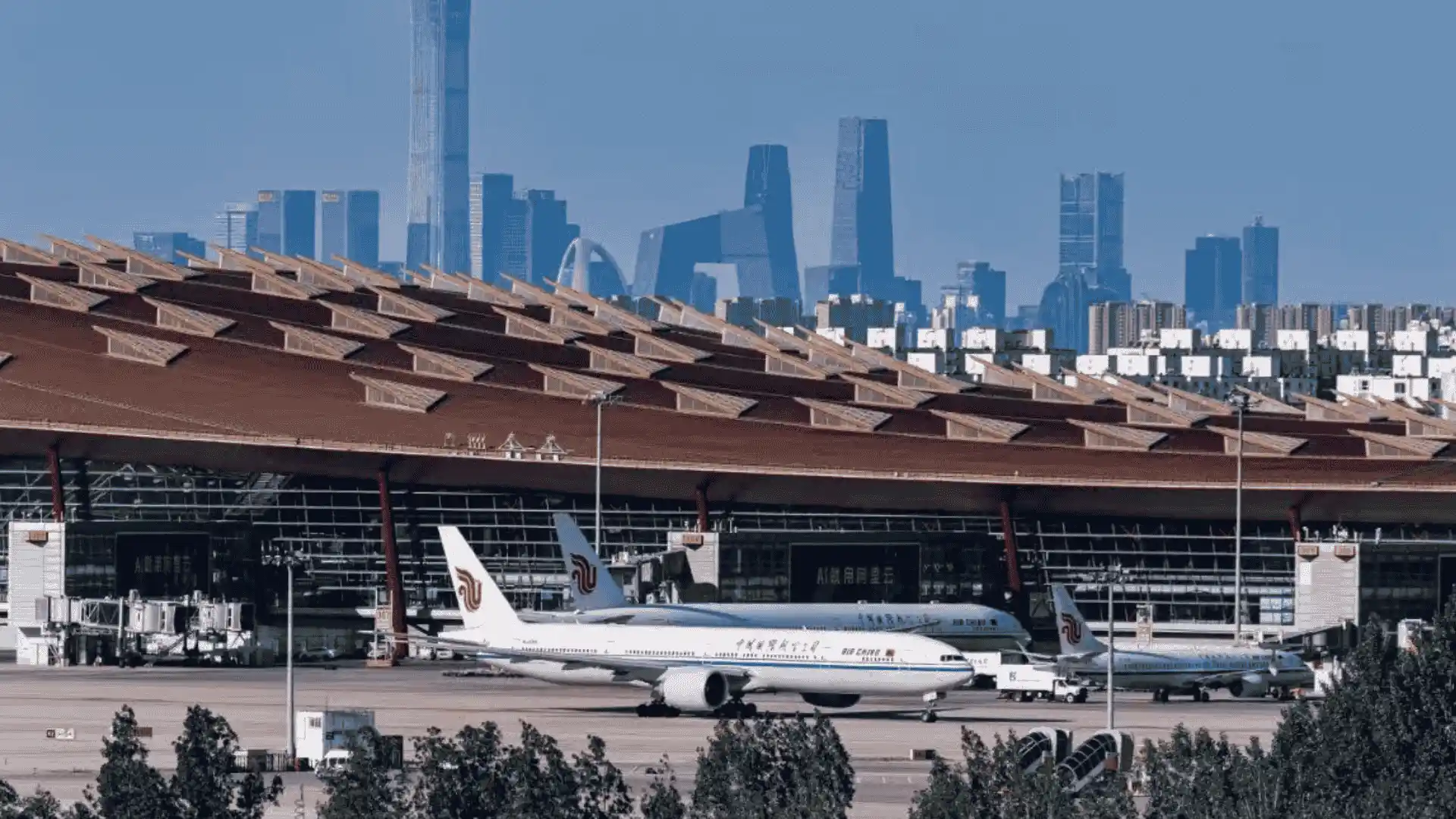
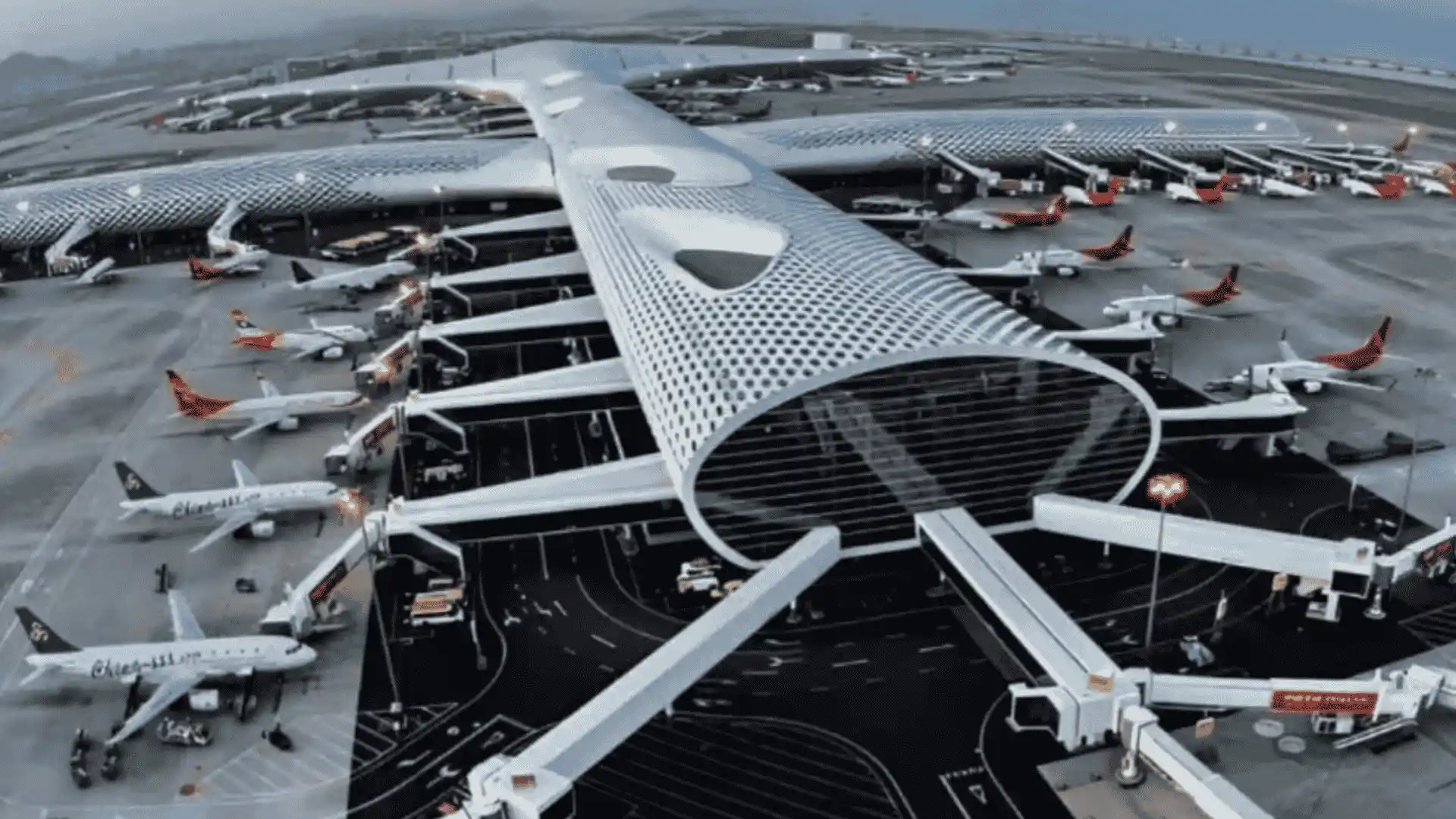
- The "Seven Bridges" of Lukou Logistics. Jiangning is the home of the Nanjing Lukou International Airport. Witnessing the high-velocity flow of global cargo and the high-precision R&D centers of the surrounding "Airport Economy Zone" provides a profound understanding of Jiangning’s status as a global leader in high-tech manufacturing and aviation.
How to Get There
Jiangning operates as the absolute logistical and recreational nervous system of southern Nanjing, flawlessly integrated into the city's expanding subterranean and aviation network to ensure the frictionless movement of urban wanderers, airport travelers, and tech executives.
To plunge directly into this high-altitude sanctuary, take Line 1 of the Nanjing Metro directly to Baijia Lake Station or Line S1 (the airport line) directly to Niushoushan or Lukou. Emerging from the modern, highly polished transit grid, the transition is immediate and highly tactile: the utilitarian city instantly dissolves into a wall of emerald-green pines and white birch, the smell of roasted espresso and temple
incense, and the staggering, quiet resilience of East China's most profound suburban anchor.
Quick Facts
- Jiangning District is the largest urban district in Nanjing, hosting over 1.9 million residents and serving as the primary site for the city's "Southward Industrial Shift."
- The district houses the Jiangning University Town, a massive cluster of 15 higher-education institutions, making it the premier intellectual engine for the province's high-tech future.
- Historically, the area was a vital agricultural and quarrying zone; its rapid transformation into a multi-billion-dollar "Intelligent City" has dictated the city's unique "Green Expansion" urban strategy.
Home to East China's most audacious suburban resilience
Since the mid-20th century, when the first provincial industries were established on these southern plains, Jiangning has been an enclave long synonymous with uncompromising ambition and deep, community-driven prosperity. From the city's massive investment in the high-tech, digital-first "Smart Manufacturing" zones to the breathtaking, quiet conservation of the surrounding national forest parks, the district's love of its own unique, "mountain-and-lake" lineage sees it serve as the definitive, polished cultural engine of Jiangsu's economy.
The neighborhood's striking, emerald-green and gold-leaf aesthetic is absolutely essential for a complete narrative of the city. Highlighting Jiangning District proves that far beyond the ancient Ming walls and the central shopping malls, Nanjing possesses a deeply enlightened, cosmopolitan, and enduring soul. The district ensures that the sound of a temple bell, the glow of laboratory windows at midnight, and the sheer, relentless scale of the tea-plantation hills remain the immovable, authentic foundation of the space.
Taking to the quiet "Tea-Hill" horizons
Thanks to its global impact as a logistical and tech powerhouse, the main concourses of Baijia Lake and the Airport Expressway can be undeniable, high-decibel environments during the peak travel season. Though the atmosphere there is essential for experiencing the city's pulse, if you really want to immerse yourself in the varying, deeply peaceful layers of the neighborhood, you must look toward the hidden mountain trails.
If you navigate past the screaming traffic of the main intersections and step onto the shaded, pine-scented trails of the Qinglongshan (Green Dragon Mountain) or the Huanglongxian Tea Village, you'll find an incredibly quiet, sprawling transition connecting modern structural brilliance directly to the raw, romantic power of the ancient earth. Stepping onto these elevated spaces offers a peaceful, grounding contrast to the intense visual velocity of the modern city behind you—a place where the noise of the crowds completely fades, replaced by the wind rustling the bamboo, the sight of a lone heron cutting through the morning mist, and the authentic, unhurried rhythm of a community sanctuary that quietly demands the modern mega-city never forget its true, organic origins.