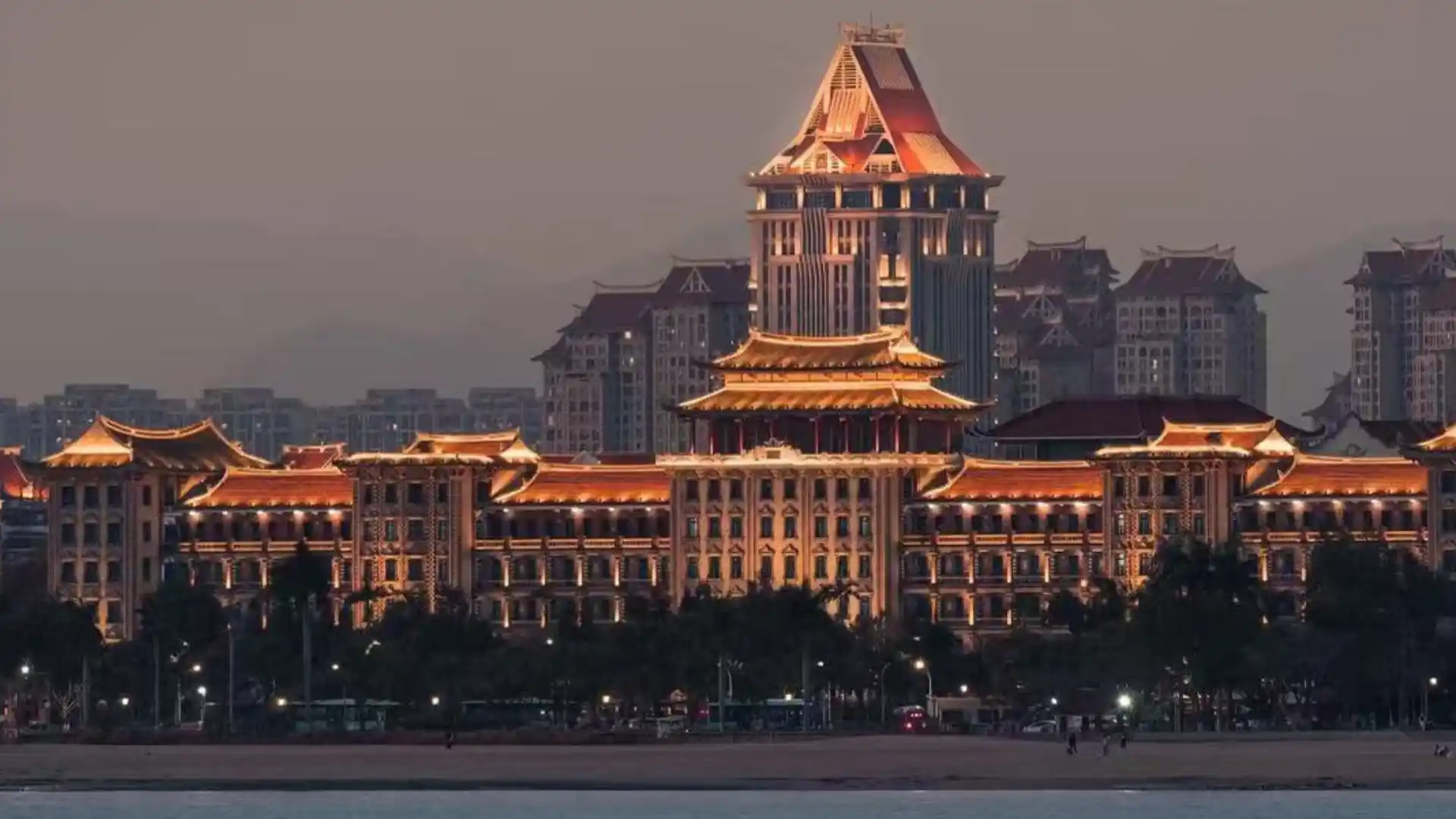
Xiamen is China’s relaxed, romantic coastal gem—an island city defined by winding colonial alleyways, sprawling universities, and a deeply ingrained tea culture.
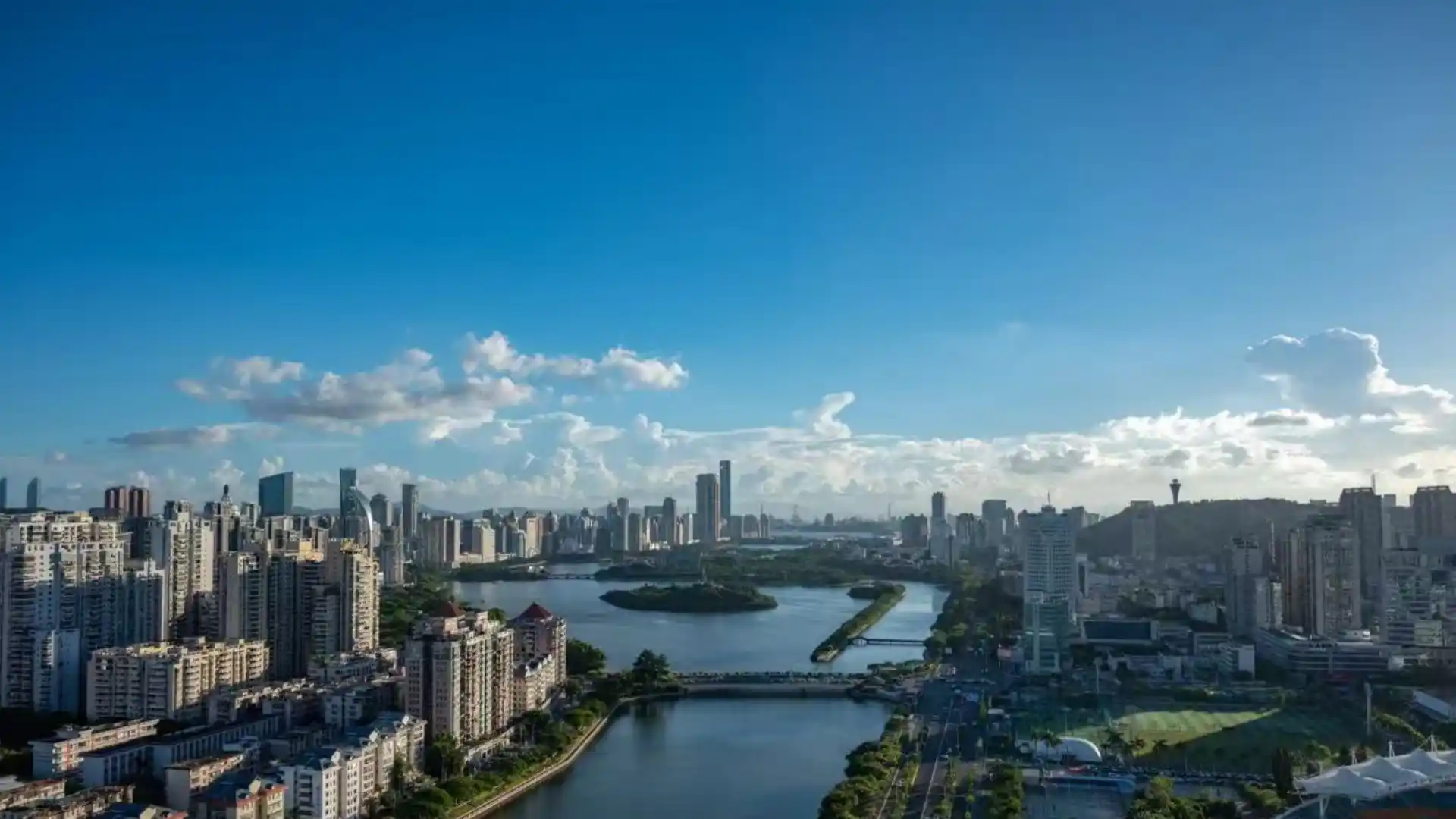
Located on the southeastern coast of Fujian Province, Xiamen (historically known as Amoy) offers a stark contrast to the frenetic pace of China’s megacities. The city is highly accessible, served by Xiamen Gaoqi International Airport (XMN)—which is uniquely located right on the island—and acts as a major high-speed rail hub connecting the southeast coast. The heart of the city is Xiamen Island itself, a hilly, lush environment ringed by the Huandao Road, one of the most beautiful coastal drives in the country.
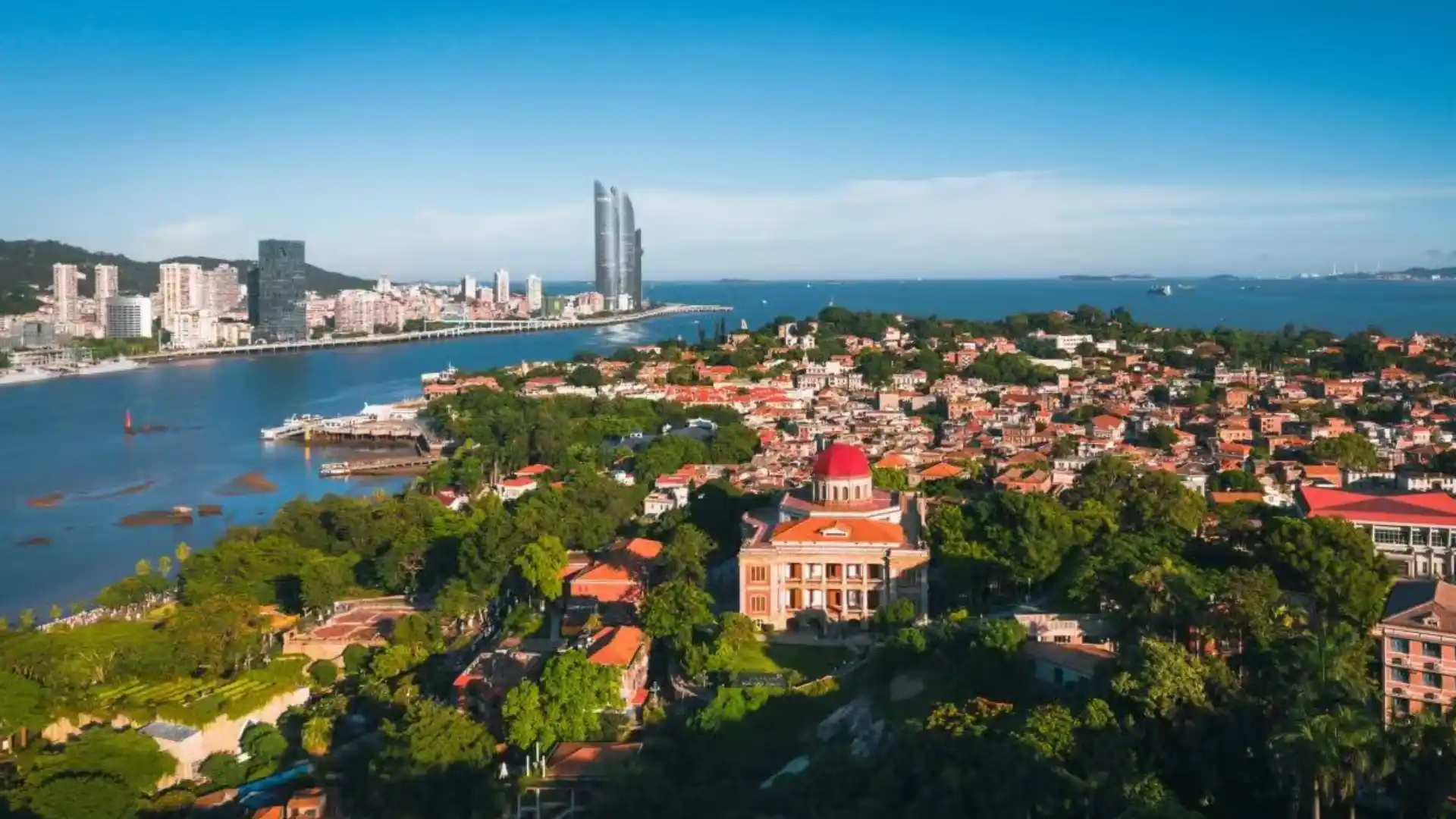
The city’s most famous attraction lies just offshore: Gulangyu (Piano Island). This pedestrian-only UNESCO World Heritage site is a maze of crumbling, elegant European consulates and villas, shaded by massive banyan trees. Back on the main island, the atmosphere is youthful and creative, anchored by the stunning campus of Xiamen University and the transformed, artistic fishing village of Zengcuo’an. Xiamen’s culinary scene revolves around incredibly fresh seafood, uniquely flavorful Minnan (Southern Fujian) snacks like oyster omelets and peanut soup, and the ubiquitous, ritualistic drinking of local Tieguanyin oolong tea.
Weather in Xiamen
Xiamen enjoys a subtropical monsoon climate, meaning it is generally warm and humid year-round, with no real winter to speak of. The best times to visit are late autumn (October to November) and spring (March to May), when the weather is mild and comfortable. Summers (July to September) are hot, extremely humid, and prone to typhoons. Even in the depths of “winter” (January and February), temperatures rarely drop below a light jacket level, making it a popular domestic escape from the freezing north.
Transportation
Navigating Xiamen is remarkably scenic and easy. Xiamen Railway Station (on the island) and Xiamen North Railway Station (on the mainland) connect the city to the high-speed rail network. The Xiamen Metro efficiently links the island to the mainland districts, but the city’s most famous transit feature is its massive Bus Rapid Transit (BRT) system, which operates on elevated roadways, avoiding traffic. To reach Gulangyu, you must take a short ferry ride from the international cruise terminal.
Don’t Miss
- Gulangyu Island: Spend a full day getting lost in the winding, car-free streets of this historic island, admiring the colonial architecture and visiting the Shuzhuang Garden.
- Xiamen University & Nanputuo Temple: Wander what is often called China’s most beautiful university campus, then visit the adjacent, highly active Buddhist temple at the foot of Wulao Peak.
- Zengcuo’an: Explore this former fishing village turned trendy arts district, now a maze of boutique guesthouses, quirky cafes, and endless street food stalls.
- Huandao Road (Island Ring Boulevard): Rent a bicycle and ride along the southeastern coast, enjoying the ocean breeze, sandy beaches, and views across the strait.
Special Recommendations