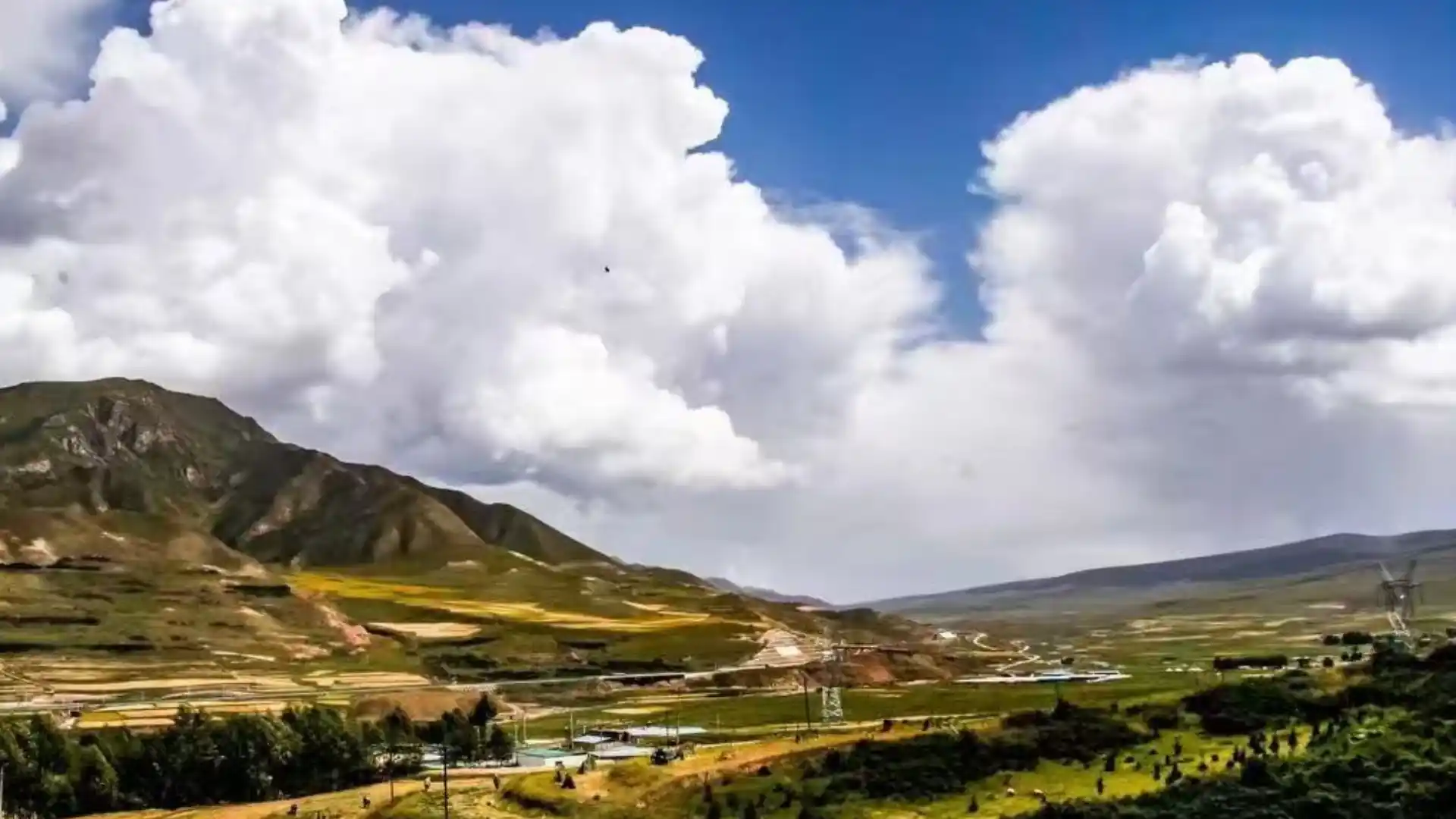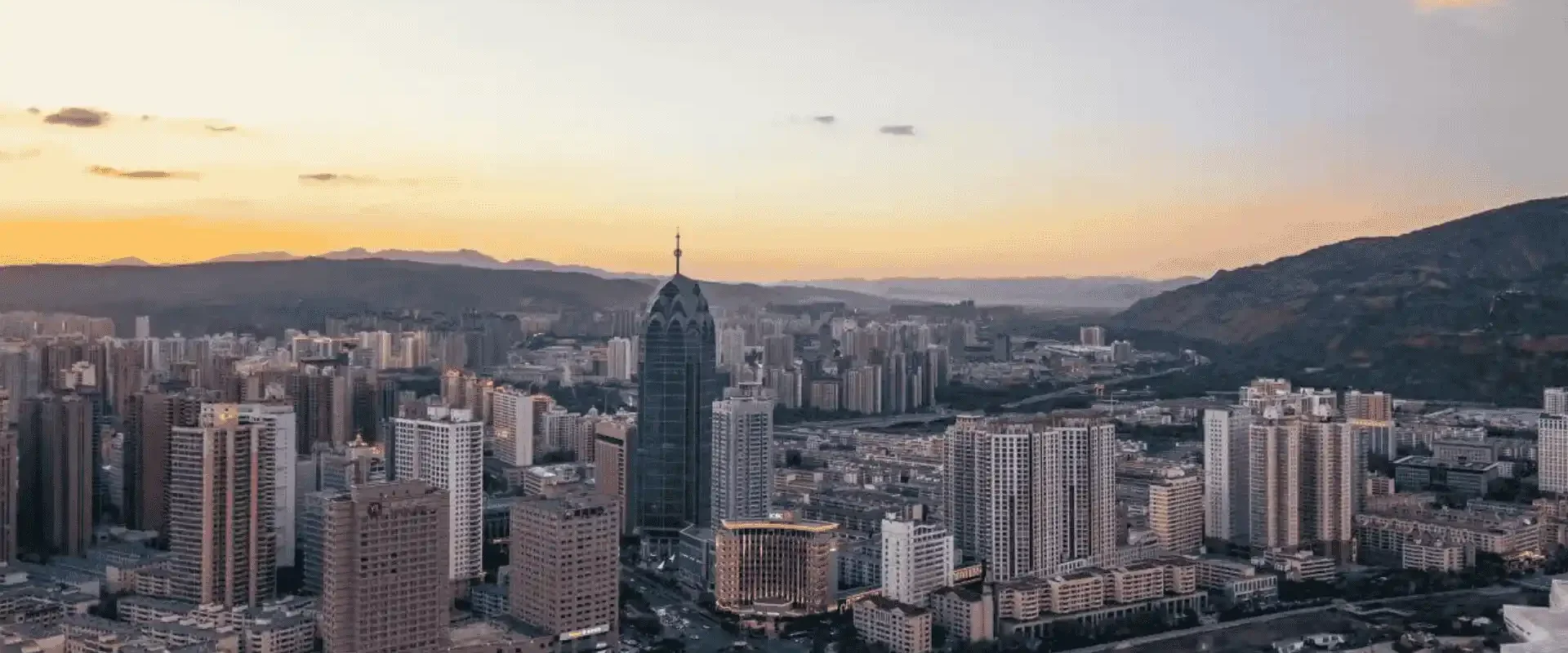
Xining is the high-altitude gateway to the Tibetan Plateau—a city where the air grows thin, Islamic and Tibetan Buddhist cultures seamlessly intertwine, and the vast, untamed wilderness of Qinghai begins.
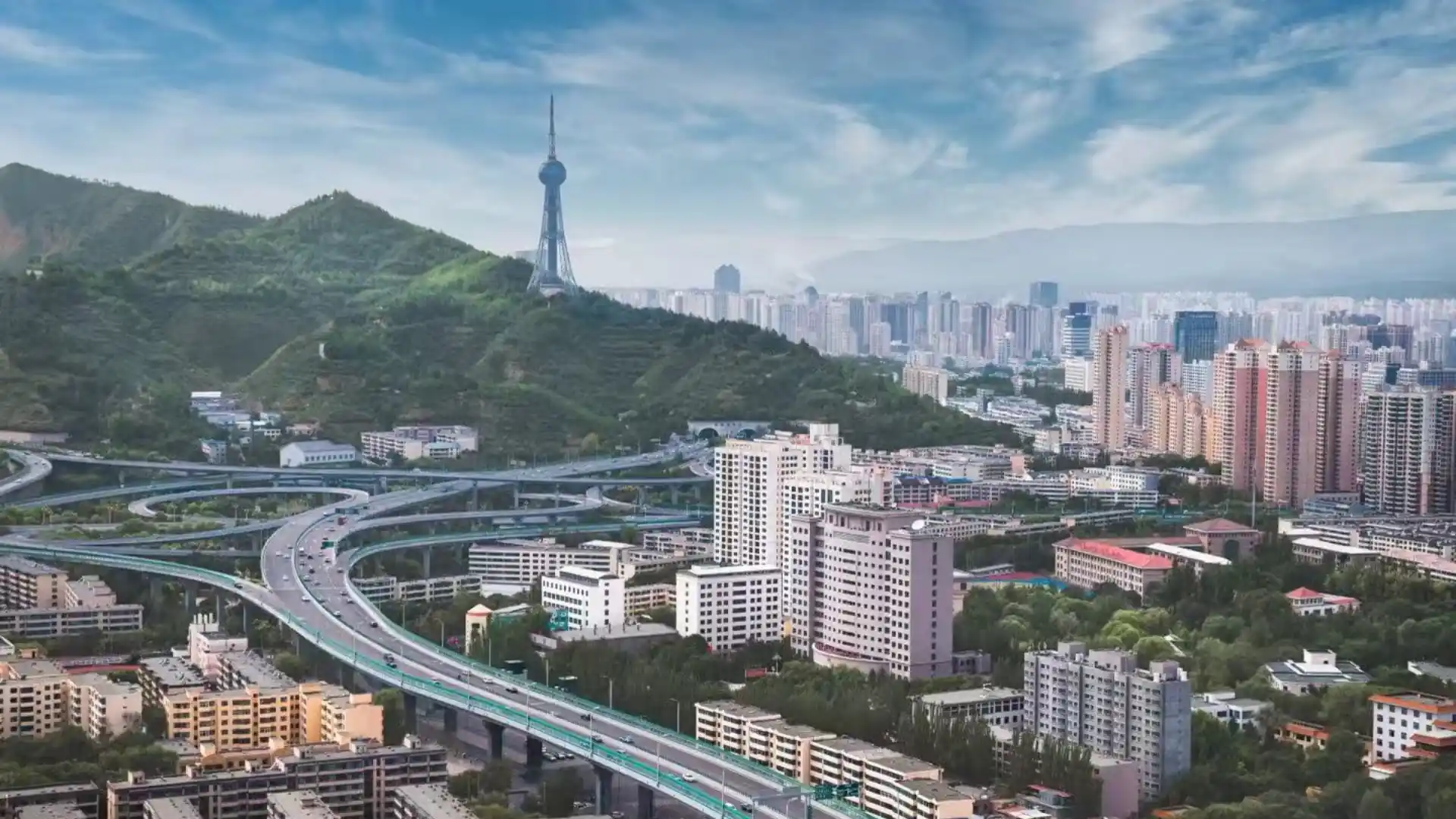
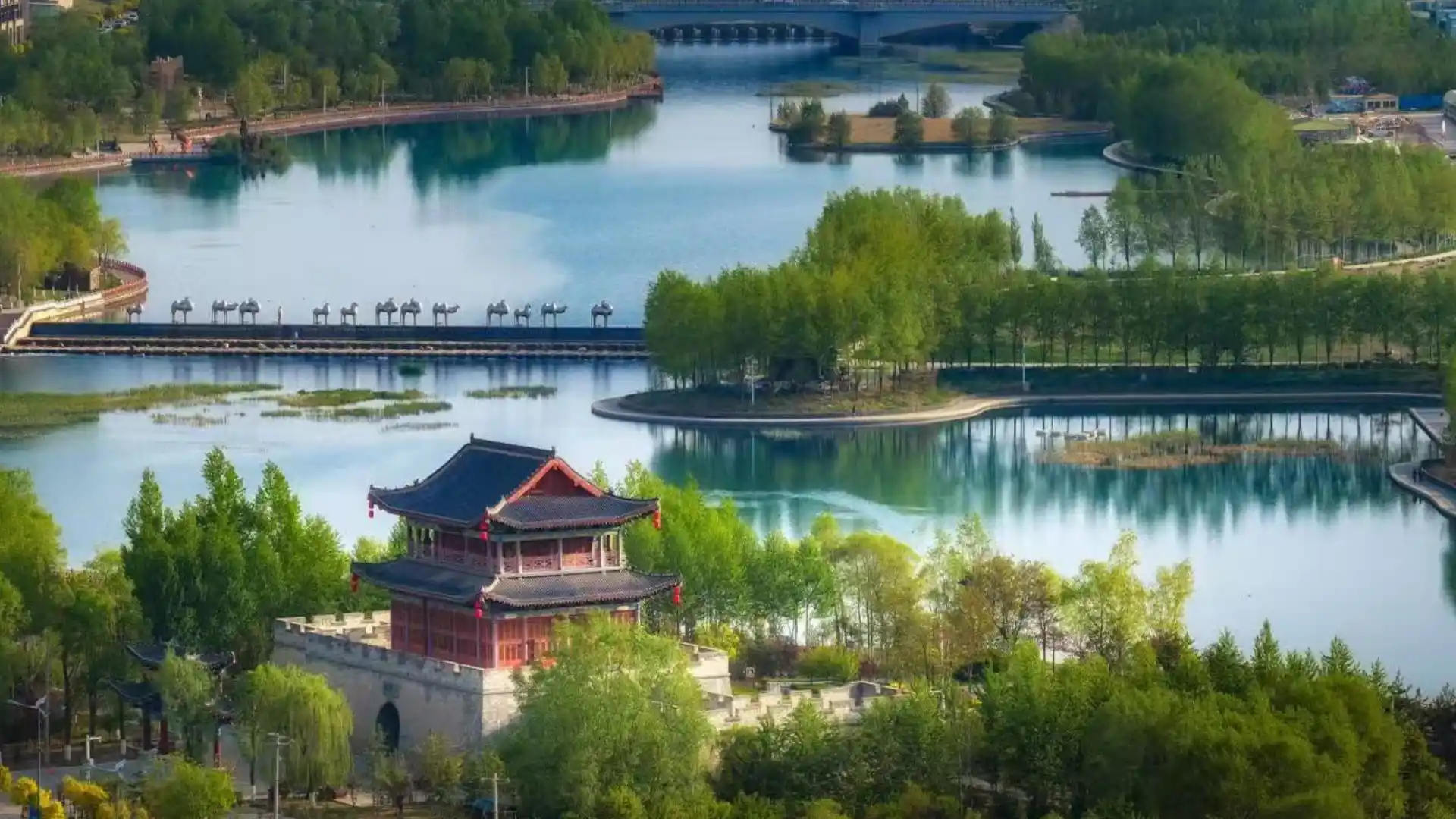
As the capital of Qinghai Province, Xining sits at an elevation of nearly 2,300 meters, serving as the crucial starting point for journeys into the profound vastness of the Qinghai-Tibet Plateau. The city is accessible via Xining Caojiabao International Airport (XNN) and is the starting point for the famous Qinghai-Tibet Railway, an engineering marvel that snakes its way to Lhasa. Historically a vital commercial hub on the Northern Silk Road, modern Xining is a fascinating cultural crucible, home to large populations of Han, Hui (Muslim), and Tibetan peoples.
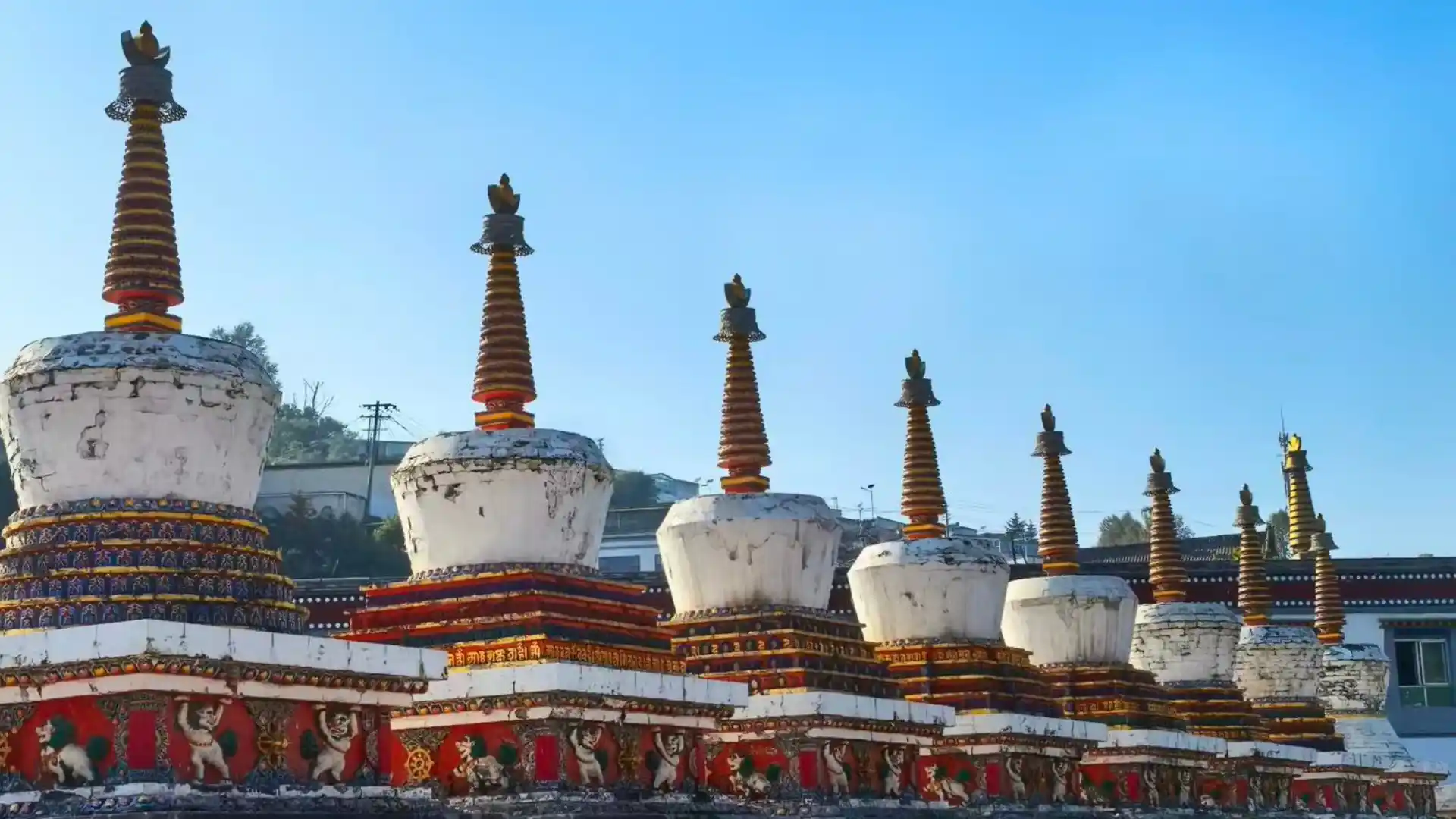
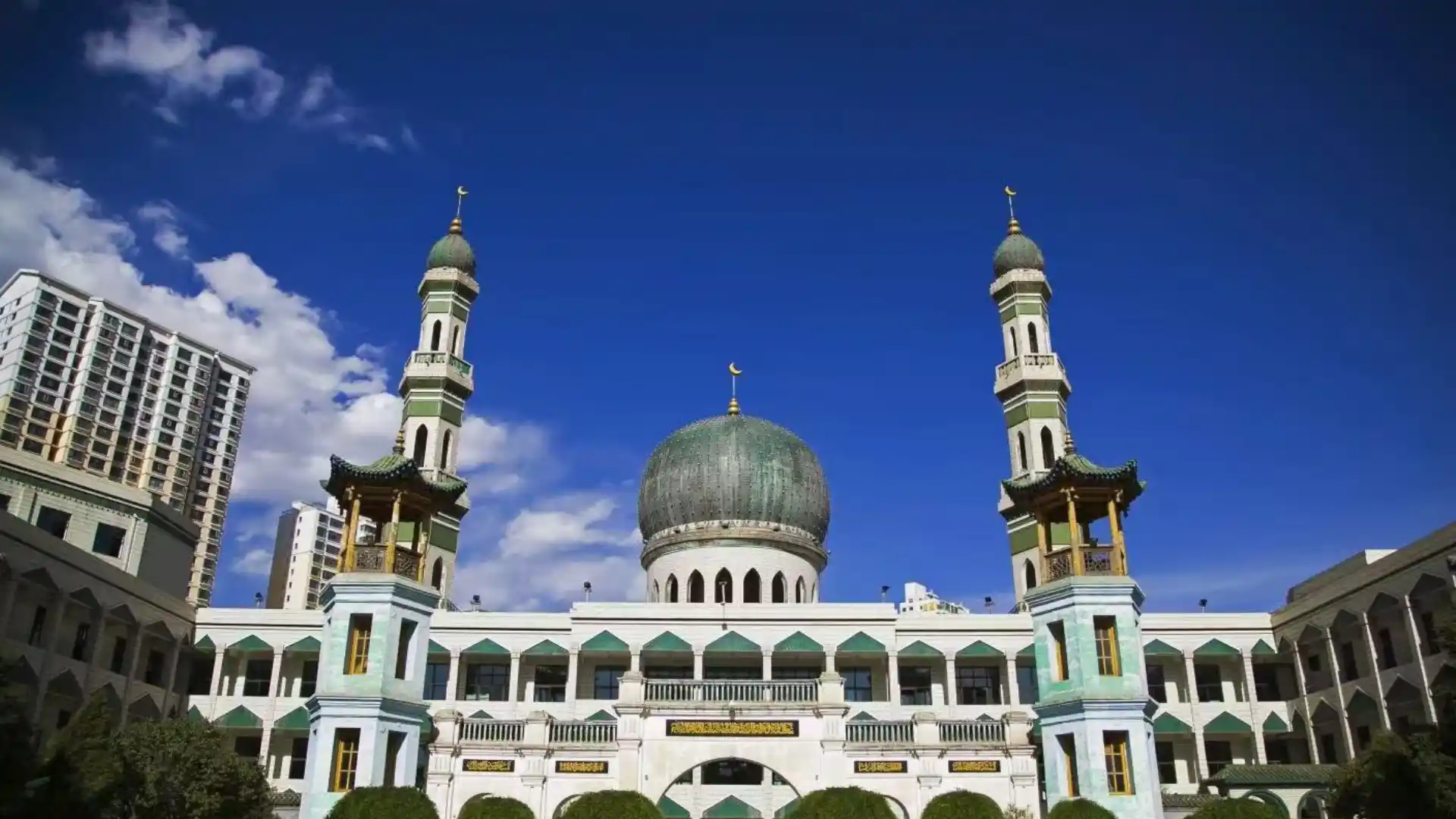
Within the city, this diversity is tangible. The imposing green domes of the Dongguan Great Mosque dominate the skyline of the Muslim quarter, while just outside the city, the magnificent Ta’er Monastery (Kumbum Monastery) stands as one of the most important centers of the Gelugpa (Yellow Hat) sect of Tibetan Buddhism. The culinary landscape is heartily focused on sustenance for the cold climate: massive skewers of cumin-spiced mutton, rich yak meat stews, and the ubiquitous, comforting bowls of hand-pulled noodles.
Weather in Xining
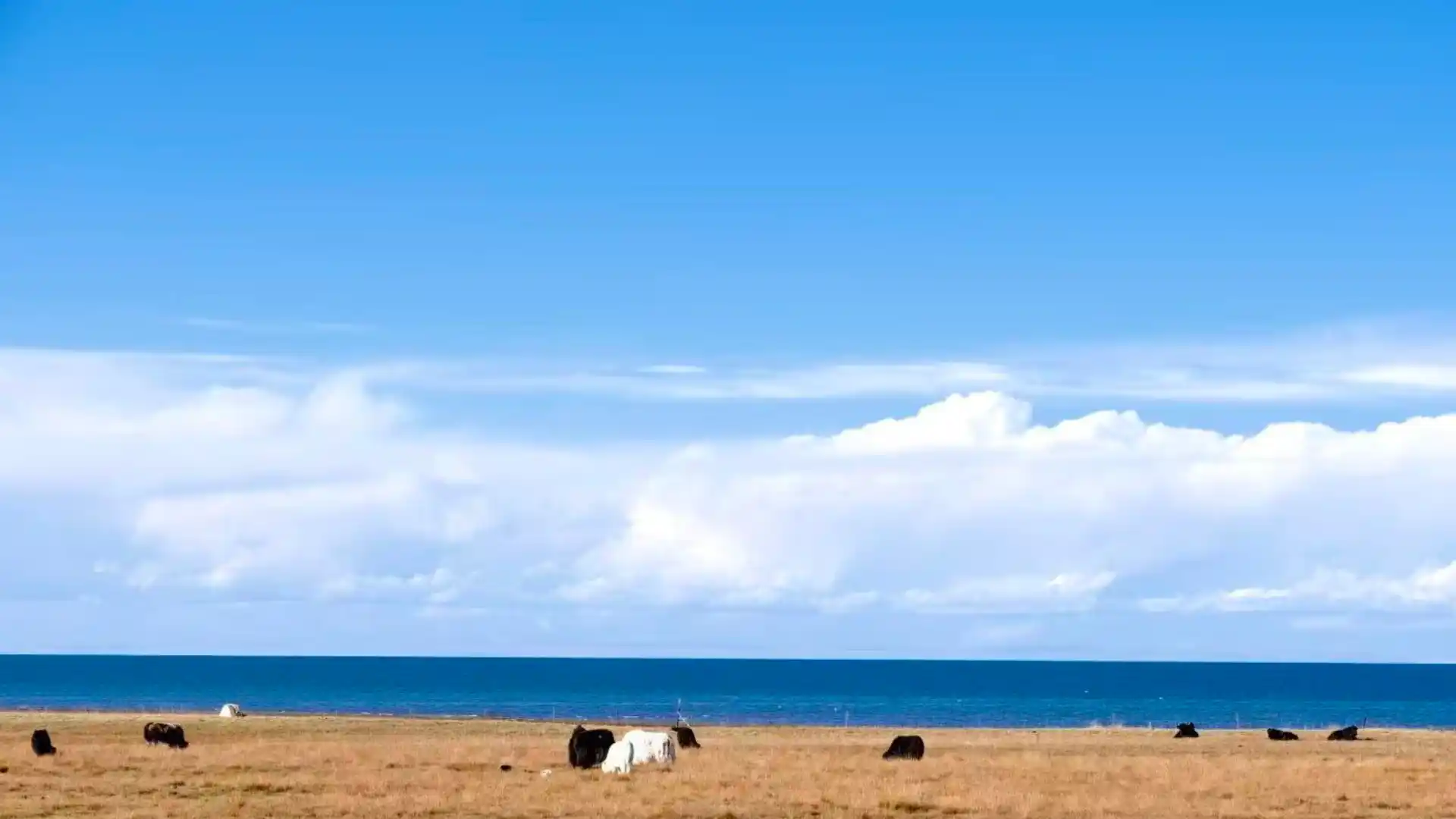
Known as the “Summer Resort Capital of China,” Xining’s high elevation provides a cool, comfortable refuge during the summer months (June to August), making it the absolute best time to visit, especially when the vast fields of yellow rapeseed flowers bloom around Qinghai Lake. Winters (November to March) are brutally cold, dry, and windy, with temperatures frequently dropping well below freezing. Spring and autumn are brief transitional periods characterized by strong winds and rapid temperature shifts.
Transportation
Xining is compact and relatively easy to navigate. Xining Railway Station is the vital nerve center for high-speed trains arriving from Lanzhou and eastern China, as well as the departure point for the iconic train journey to Tibet. While the city itself is easily explored by taxi and a reliable public bus network, Xining’s primary function for travelers is as a basecamp. Hiring a private driver or joining a tour is essential for exploring the vast distances of Qinghai Province, including trips to Qinghai Lake or the Chaka Salt Lake.
Don’t Miss
- Ta’er Monastery (Kumbum Monastery): Explore this sprawling, incredibly significant Tibetan Buddhist monastery complex, famous for its intricate yak butter sculptures, detailed murals, and barbola (embroidery).
- Qinghai Lake: Take a day trip to the largest inland saltwater lake in China. In July and August, the deep blue waters are framed by vibrant yellow fields of blooming rapeseed flowers.
- Dongguan Great Mosque: Visit one of the largest mosques in northwest China, featuring a unique blend of traditional Chinese and Central Asian architectural styles.
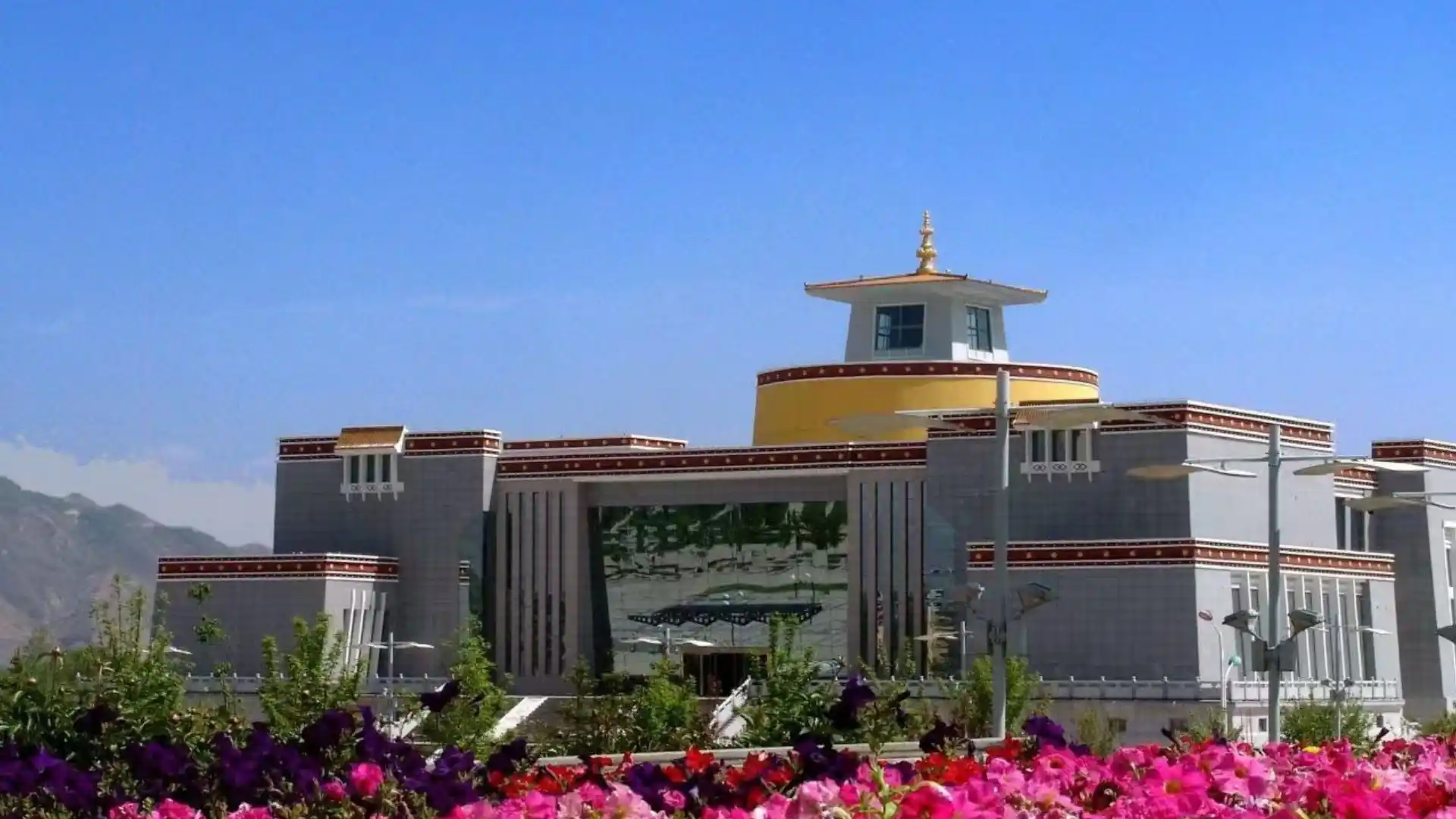
- Tibetan Medical & Cultural Museum: Gain a deep understanding of traditional Tibetan medicine, astrology, and culture, and see the incredible 618-meter-long continuous thangka painting.