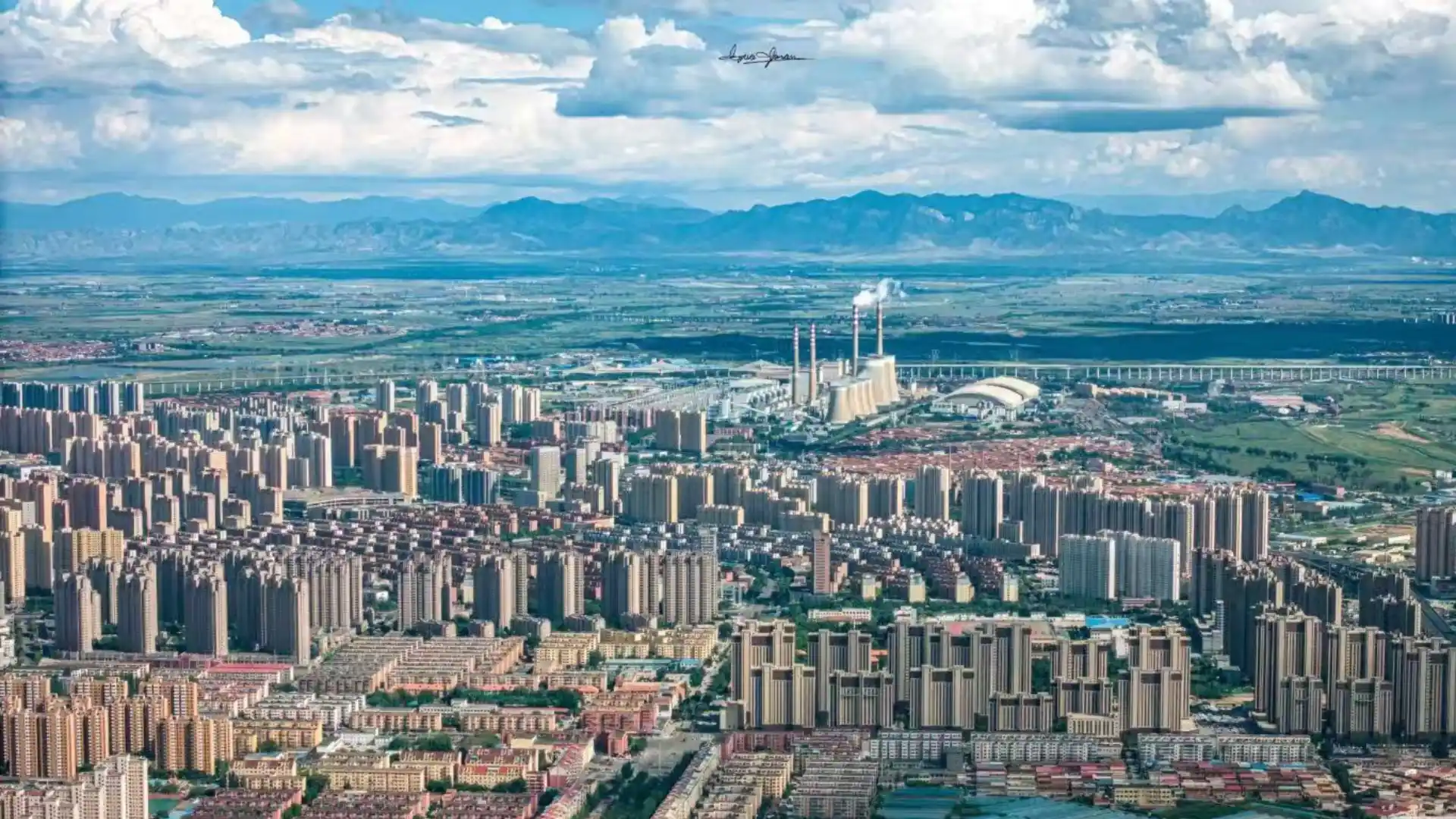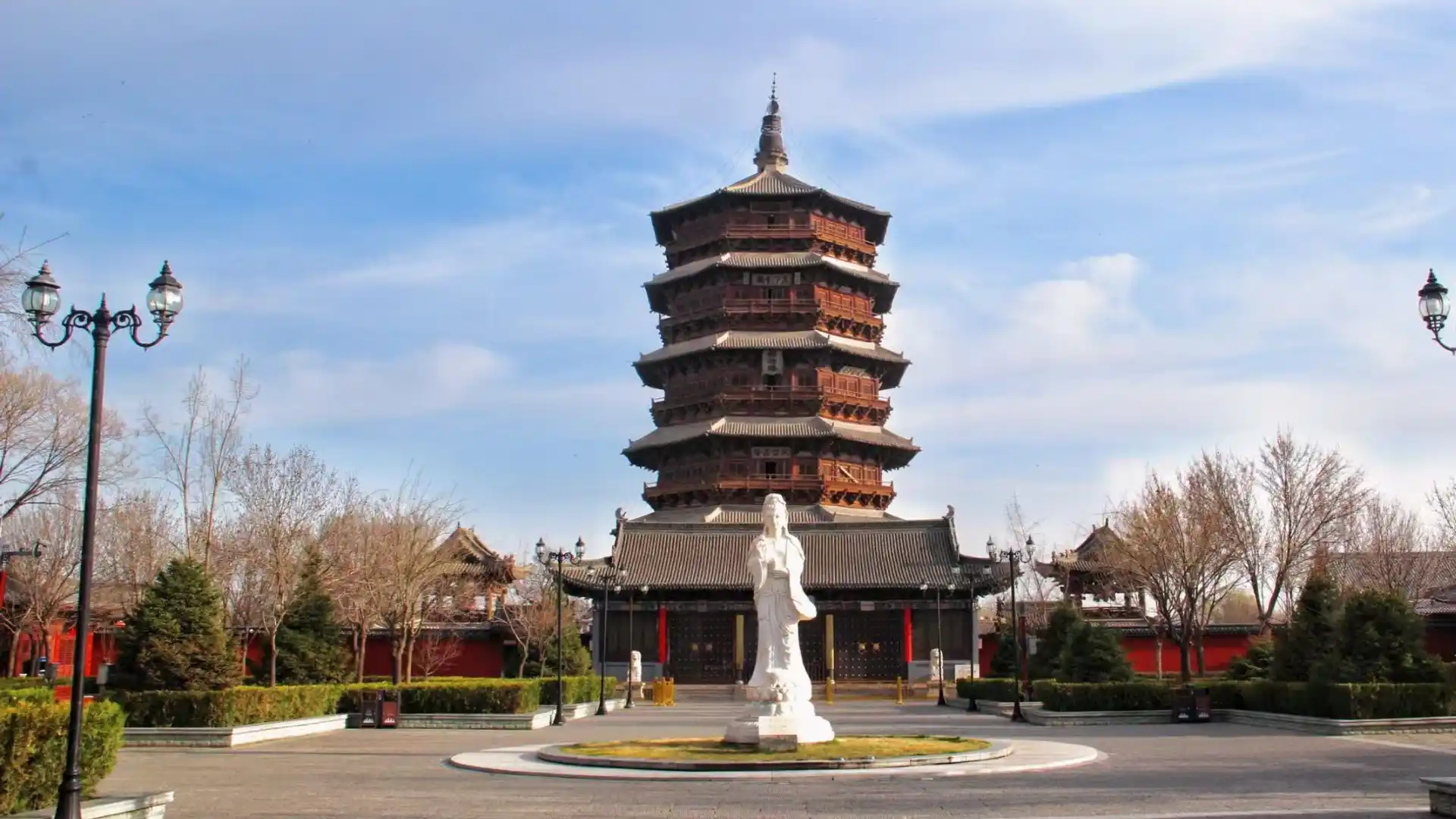
Datong is a rugged, ancient frontier city, where the echoes of the Northern Wei dynasty endure through monumental cliffside carvings and spectacular cliff-hanging temples.
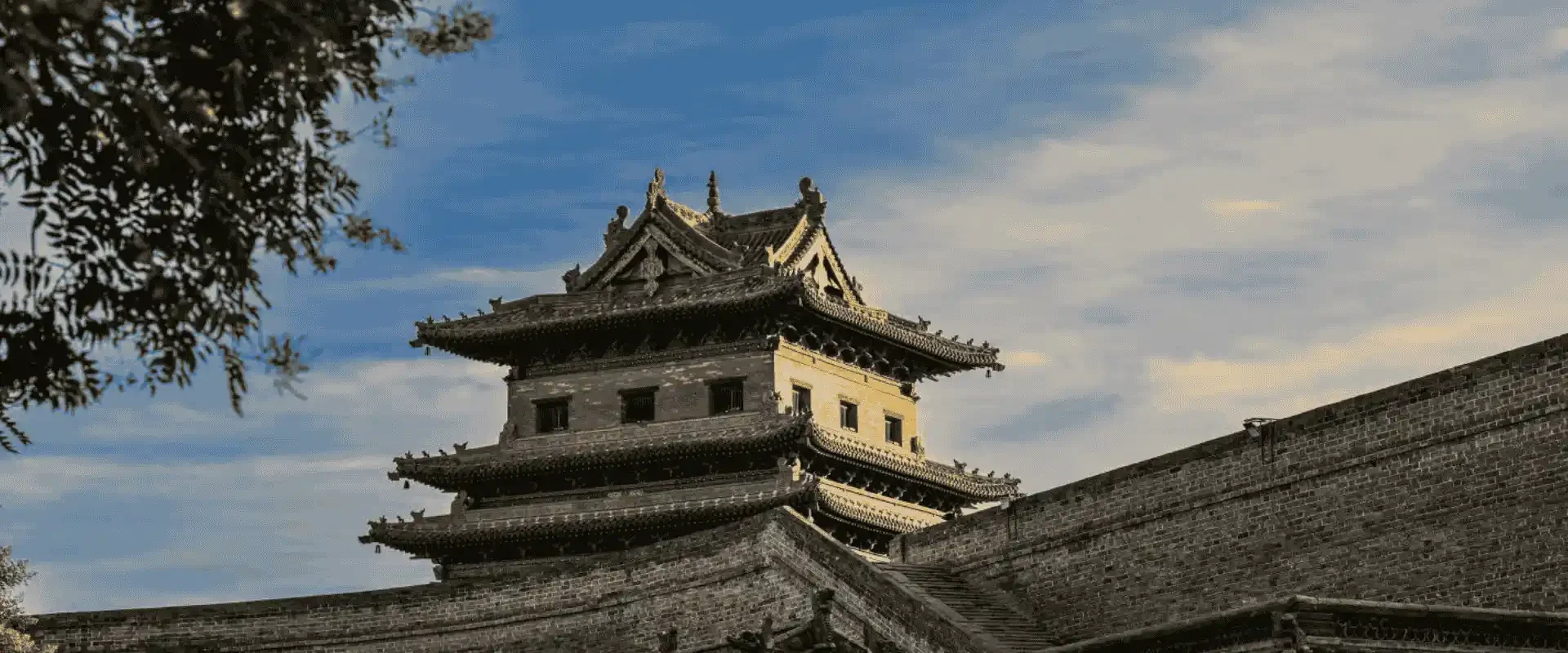
Located in the far north of Shanxi Province, Datong was once the capital of the nomadic Tuoba people (the Northern Wei dynasty) and a critical garrison town defending against northern invasions. The city is accessible via Datong Yungang International Airport (DAT) and is well-connected by high-speed rail, making it an easy trip from Beijing. Once known primarily as China’s “Coal Capital,” Datong has undergone a massive transformation, painstakingly rebuilding its ancient city walls and shifting its focus entirely toward its astonishing cultural heritage.
The true draw of Datong lies just outside the city center. The Yungang Grottoes stand as one of the most magnificent collections of Buddhist cave art in the world, while the Hanging Temple (Xuankong Si) clings impossibly to a sheer cliff face. Back inside the reconstructed city walls, the old town is anchored by massive, imposing structures like the Huayan Temple and the Nine-Dragon Wall. The local food is hearty and carb-focused, famously known for sliced noodles (Daoxiao Mian) and rich, savory lamb dishes suited for the cold northern climate.
Weather in Datong
Datong has a continental, semi-arid climate, heavily influenced by its proximity to the Inner Mongolian plateau. It is characterized by long, bitterly cold, and dry winters, and short, warm summers. The optimal times to visit are late spring (May) and autumn (September to October), when the skies are crisp and clear. If visiting in winter (November to March), expect freezing temperatures and biting winds, requiring heavy winter gear, though the ancient sites look particularly striking dusted in snow.
Transportation
Datong is increasingly easy to navigate. The introduction of high-speed rail has slashed travel times from Beijing to under two hours, arriving at Datong South Railway Station. The city center, particularly within the ancient city walls, is best explored on foot or by renting an electric scooter. To reach the major sites like the Yungang Grottoes or the Hanging Temple, local buses are available, but hiring a taxi or arranging a driver for the day is often the most efficient option for travelers.
Don’t Miss
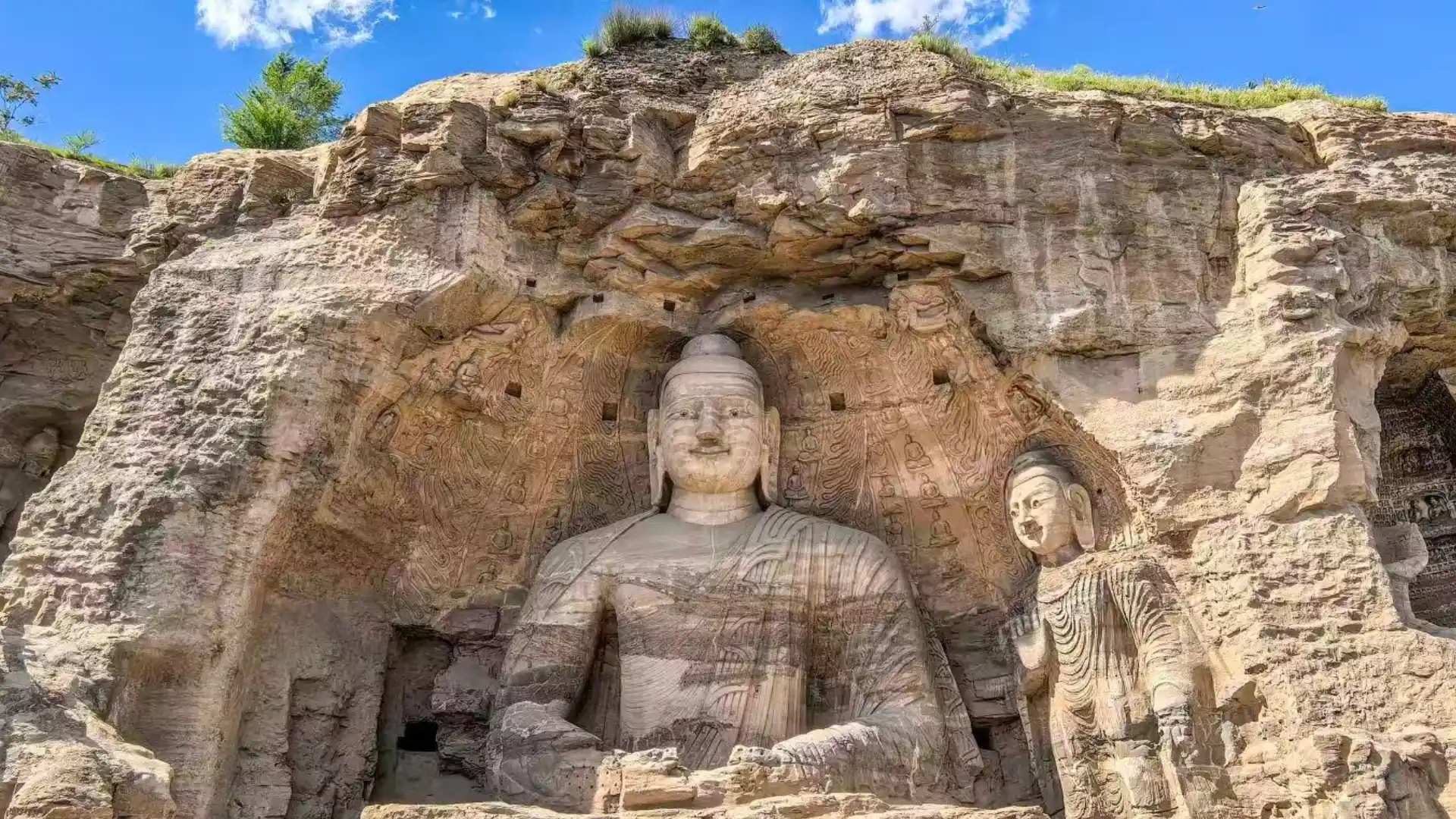
- Yungang Grottoes: Marvel at over 50,000 ancient Buddhist statues carved directly into the sandstone cliffs during the 5th and 6th centuries, a UNESCO World Heritage site.
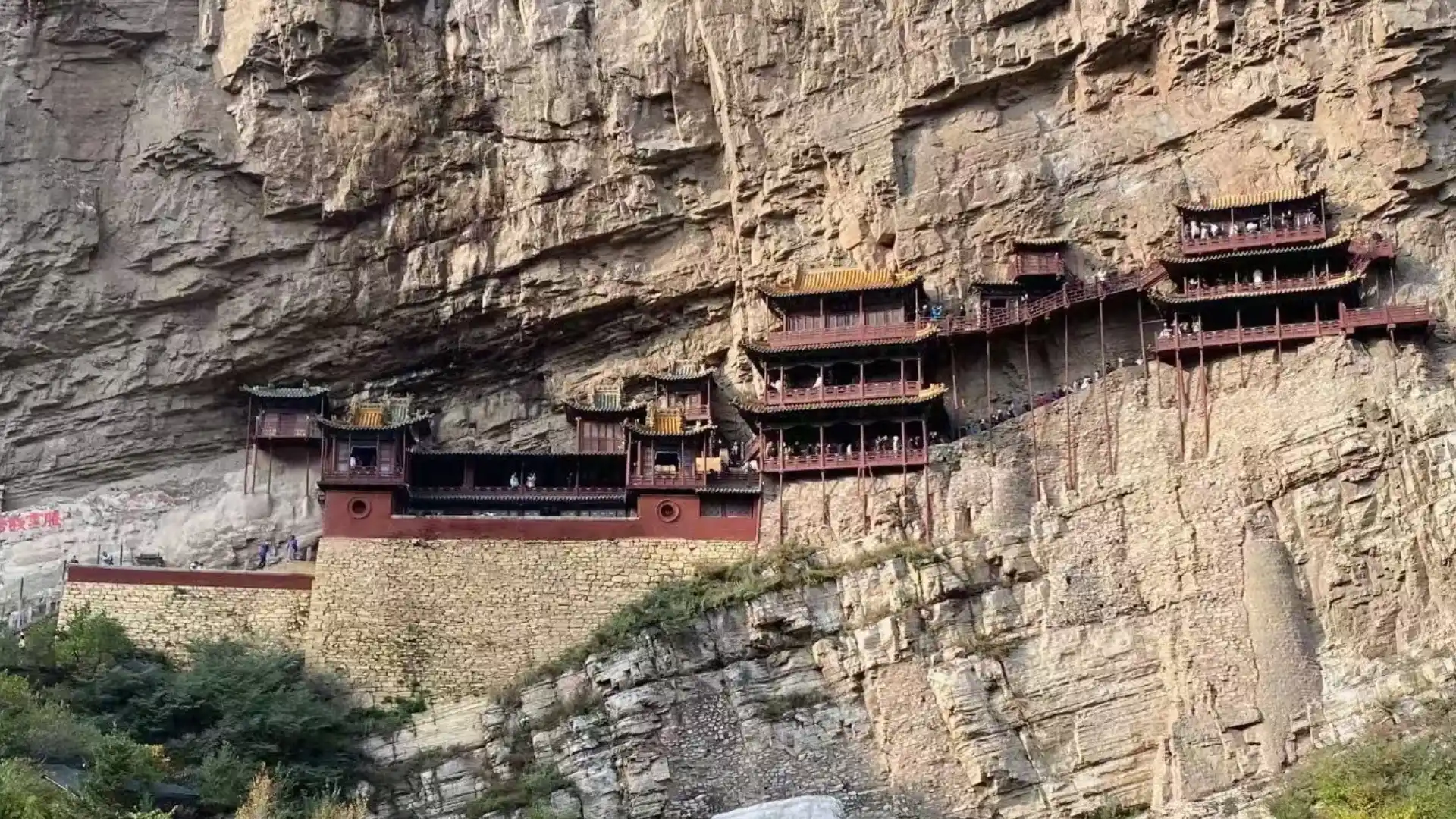
- The Hanging Temple (Xuankong Si): Witness this architectural miracle built into the side of a sheer cliff near Mount Heng, miraculously surviving for over 1,500 years.
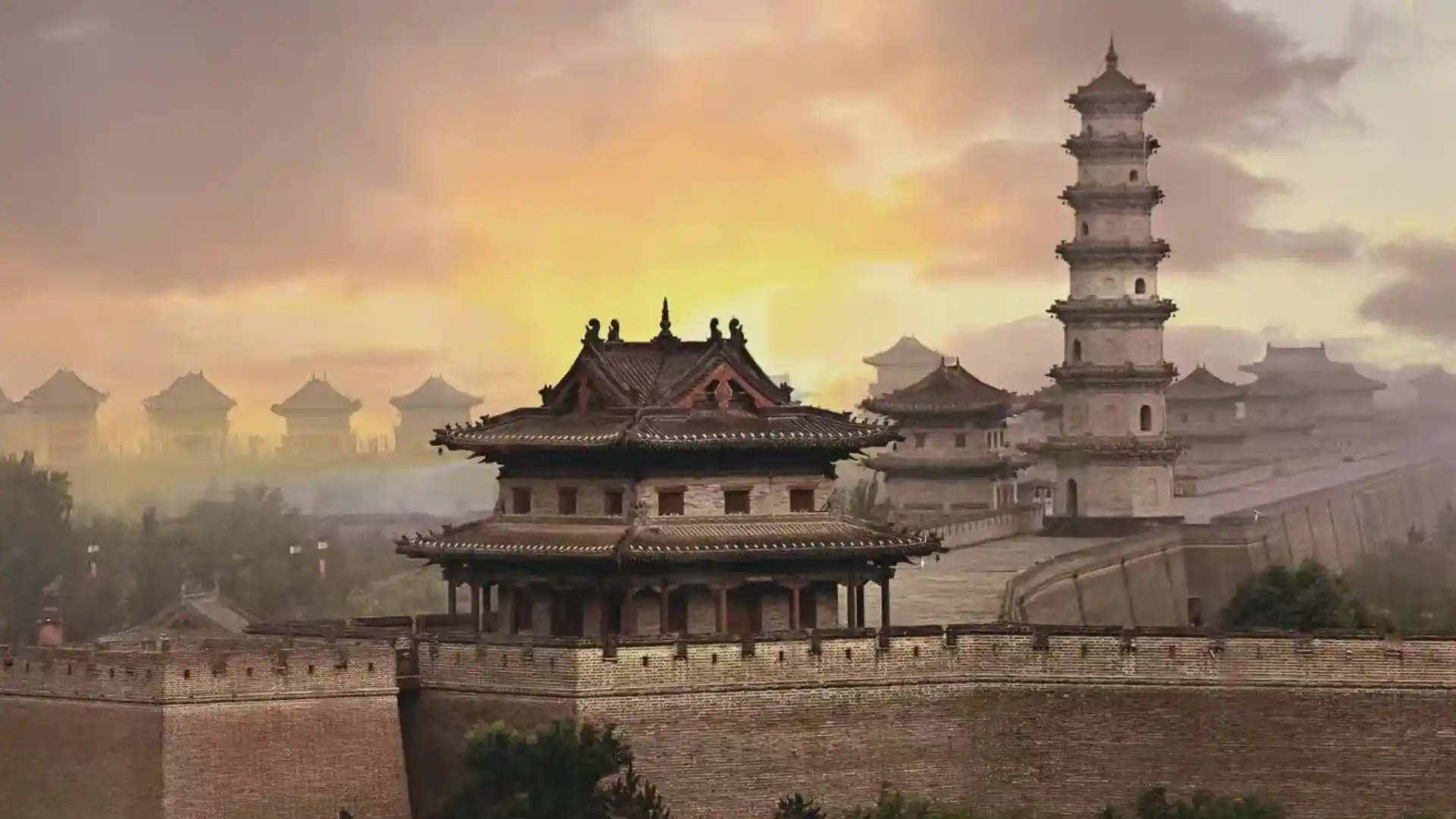
- Datong City Walls: Walk or cycle atop the massive, fully reconstructed Ming Dynasty city walls that encircle the historic old town, particularly beautiful when illuminated at night.
- Huayan Temple: Explore one of the largest and most important Liao and Jin dynasty temple complexes in China, noting its unique east-facing orientation.