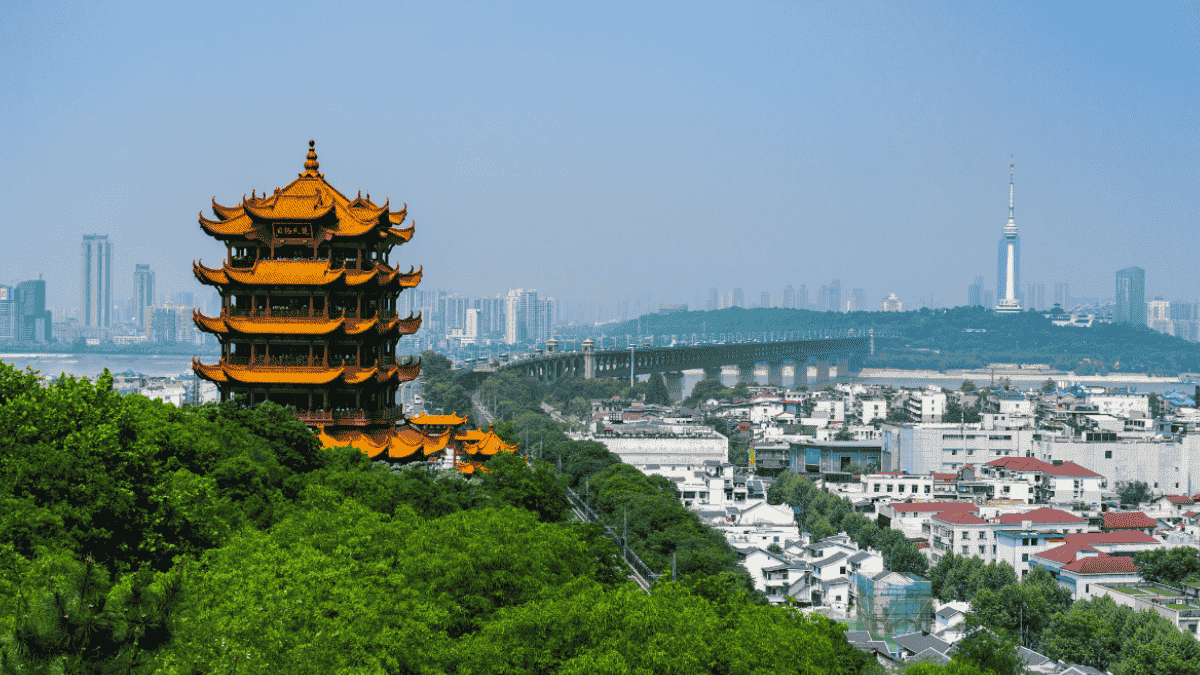
Wuhan is a sprawling, energetic megacity bisected by the mighty Yangtze River, a place where profound revolutionary history meets a fiery, unrelenting street food culture.
Located in central China’s Hubei province, Wuhan is a vital transportation and cultural hub famously known as the “Thoroughfare of Nine Provinces.” The city is primarily served by Wuhan Tianhe International Airport (WUH). Wuhan is actually an amalgamation of three historic towns—Wuchang, Hankou, and Hanyang—each offering a distinct flavor. Visitors can experience the intense, bustling commercial energy of Jianghan Road in Hankou, or seek out the academic and historical serenity found around East Lake (Donghu) and Wuhan University in Wuchang.
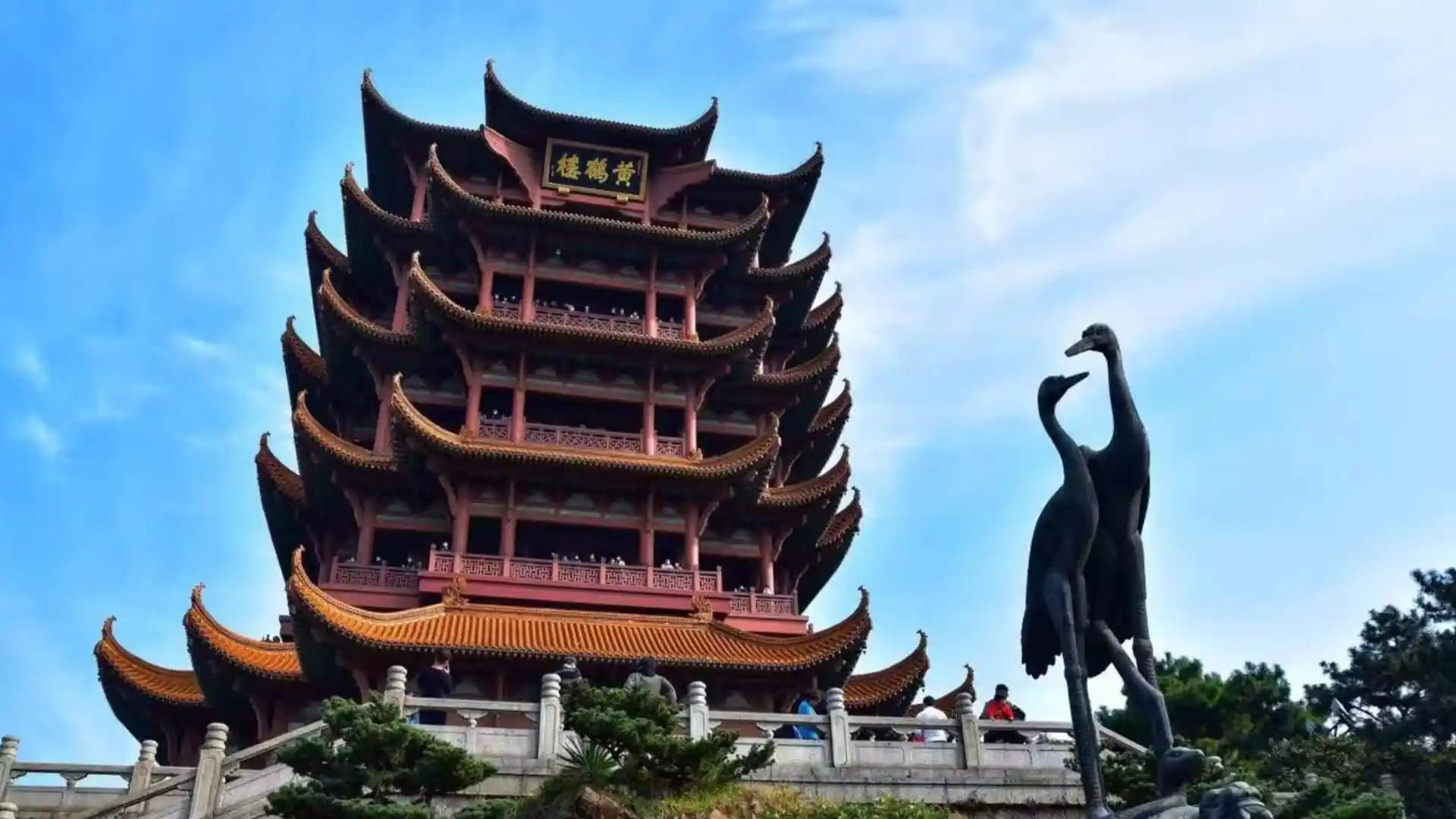
The city’s soul is inextricably tied to the water. The magnificent Yellow Crane Tower, one of China’s most celebrated historic towers, offers sweeping views of the Yangtze River and the massive bridges that span it. Wuhan’s culinary scene is famously fierce and breakfast-focused, an ethos known locally as “Guo Zao.” It is practically mandatory to start your day with a steaming, sesame-paste-slathered bowl of Hot Dry Noodles (Reganmian) before exploring the city’s rich revolutionary history at sites like the Wuchang Uprising Memorial.
Weather in Wuhan
Wuhan is notorious for its extreme weather, historically known as one of China’s “Three Furnaces.” Summer (June to August) is incredibly long, oppressively hot, and deeply humid. Winter is damp and bone-chillingly cold, made sharper by the wind coming off the rivers and lakes. Therefore, spring (especially late March, for the famous cherry blossoms) and autumn (October and November) are the absolute best times to visit. Checking the Wuhan one-week weather forecast is essential to pack appropriately.
Transportation
As central China’s premier hub, Wuhan is phenomenally connected. Beyond WUH Airport, the city boasts three massive high-speed railway stations (Wuhan, Hankou, and Wuchang), putting almost any major Chinese city within a few hours’ reach. Locally, the Wuhan Metro is extensive and rapidly growing, essential for navigating the immense distances between the three historic towns. Ferries crossing the Yangtze also remain a cheap, practical, and highly scenic transportation option.
Don’t Miss
- Climb the iconic Yellow Crane Tower for panoramic views of the Yangtze River and to appreciate centuries of classical Chinese poetry.
- Immerse yourself in the chaotic, delicious energy of Hubu Alley or Jiqing Street to experience Wuhan’s legendary “Guo Zao” breakfast culture.
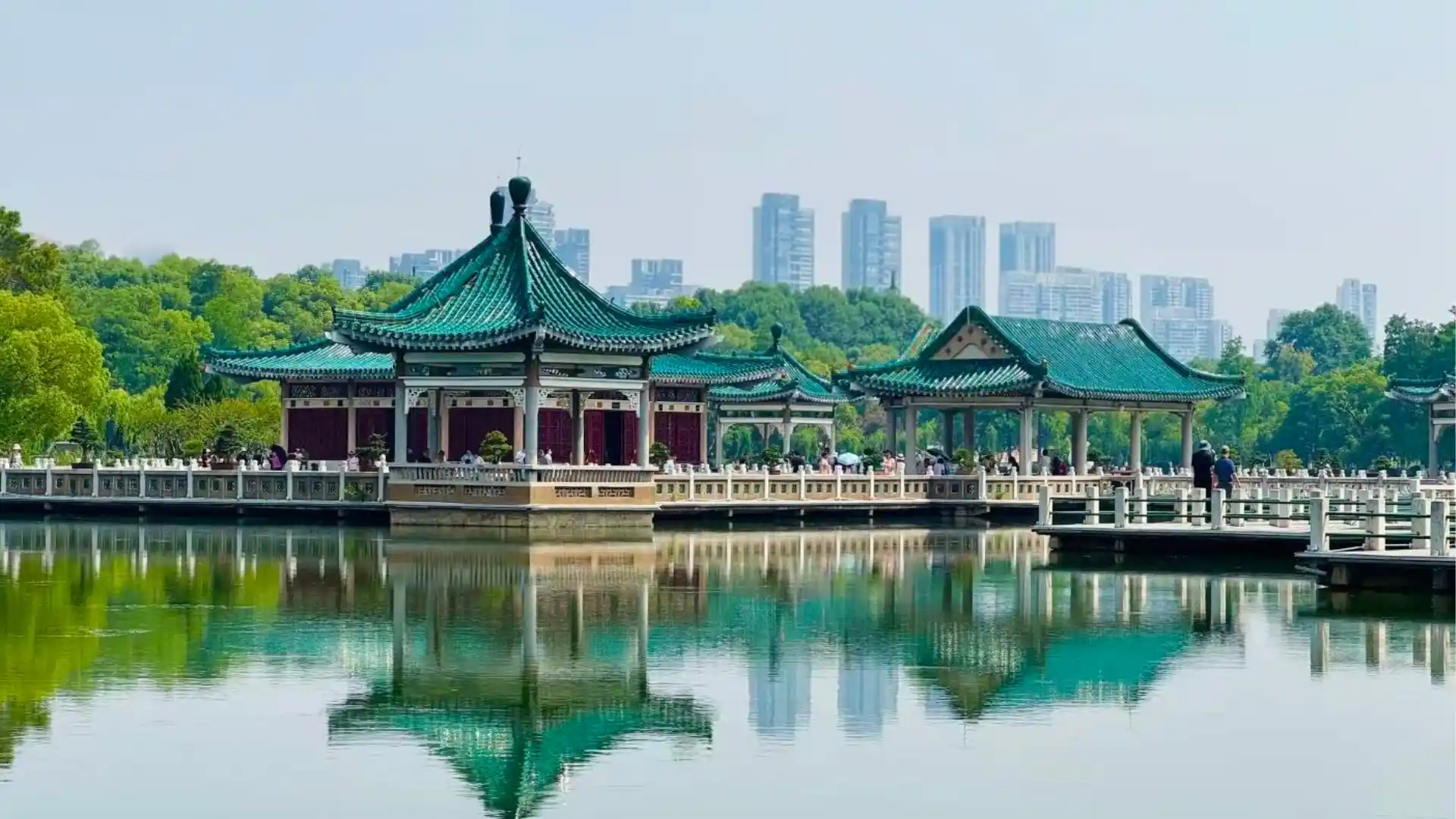
- Walk or cycle along the massive, beautifully landscaped greenways that surround East Lake (Donghu), the largest city lake in China.
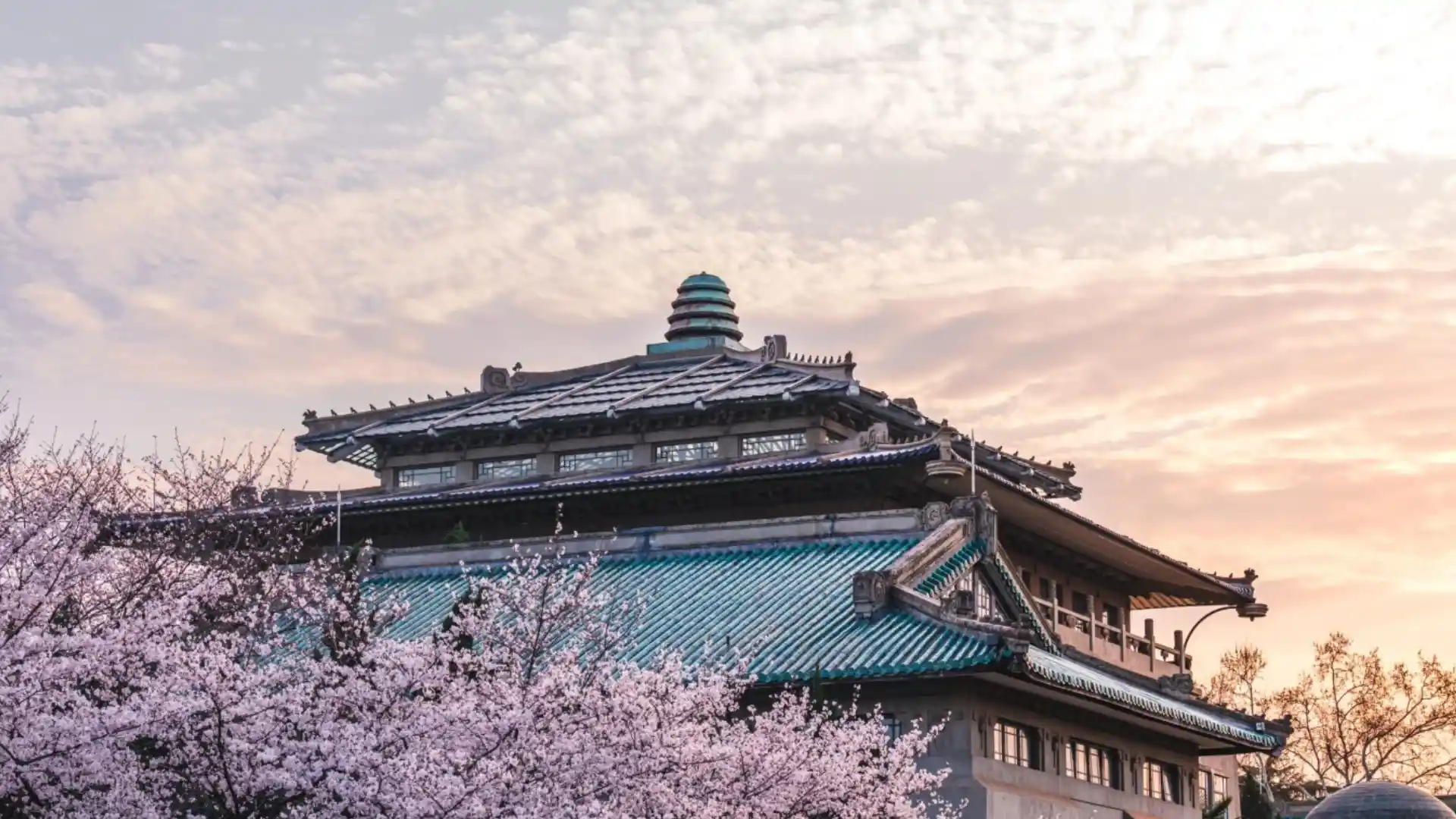
- If visiting in late March, stroll through the campus of Wuhan University to witness one of the most spectacular cherry blossom displays in the country.
Explore Wuhan by Area
Wuchang (History & Universities)
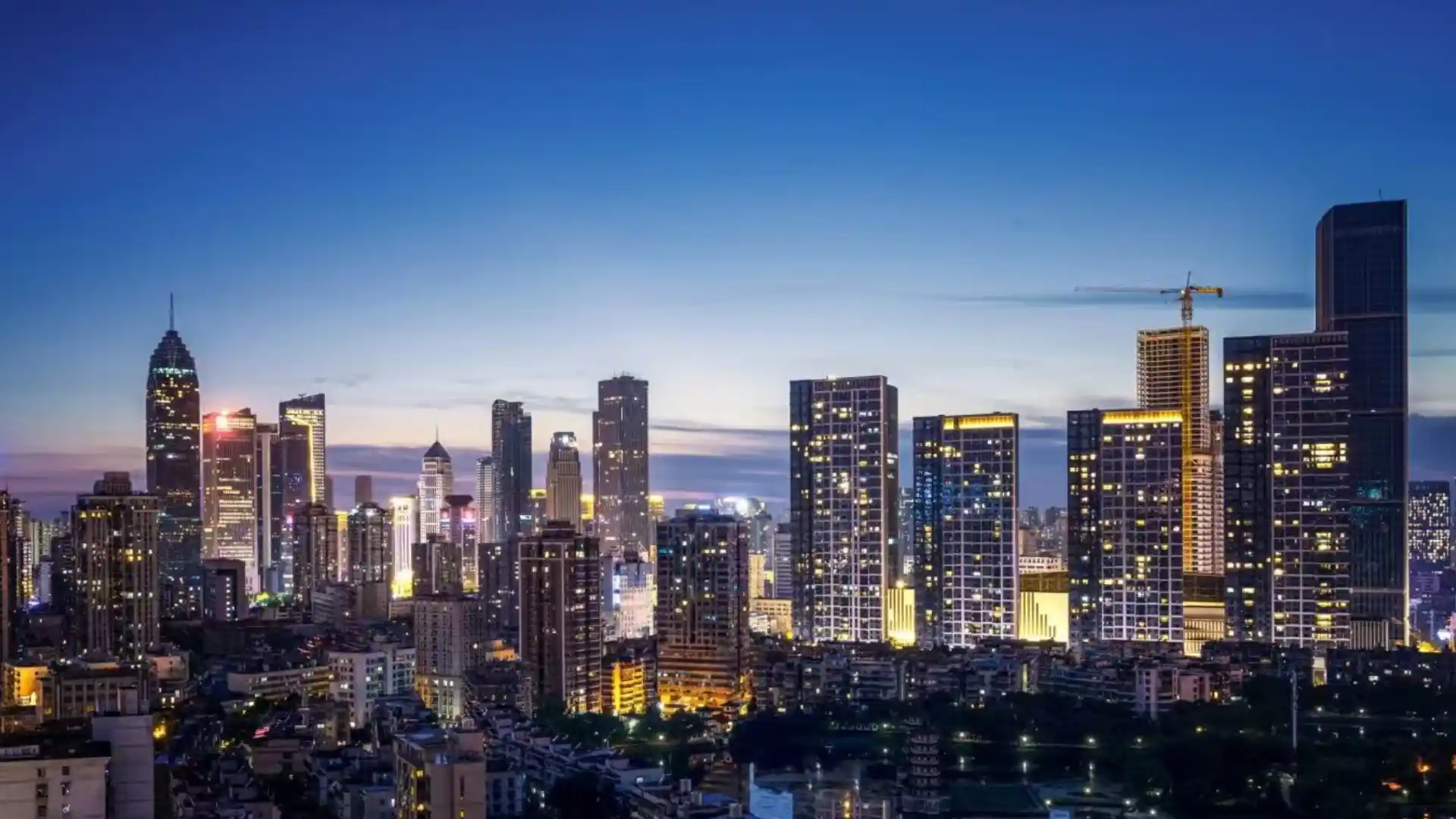
Hankou (Commerce & Concessions)
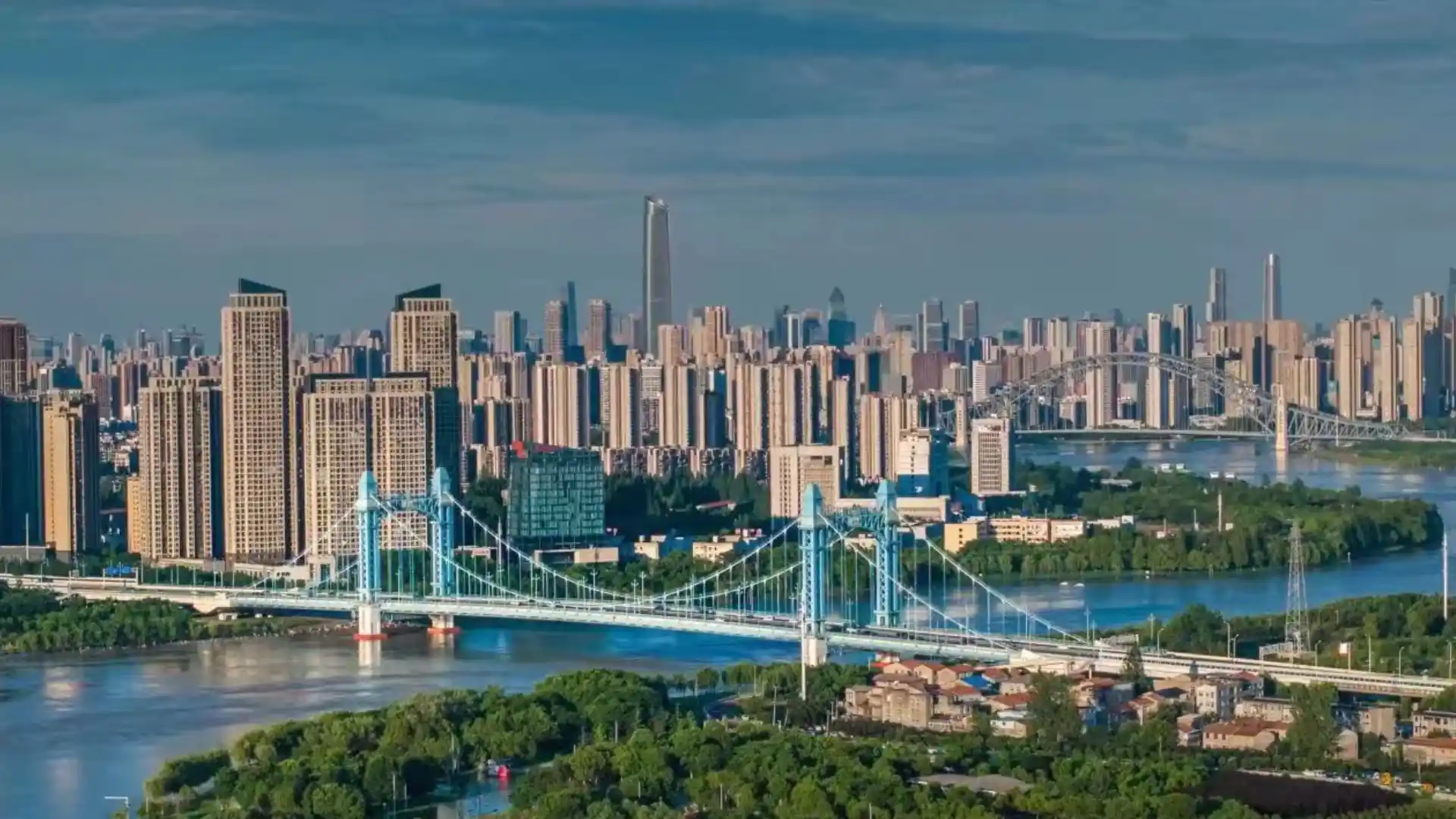
Hanyang (Industry & Arts)
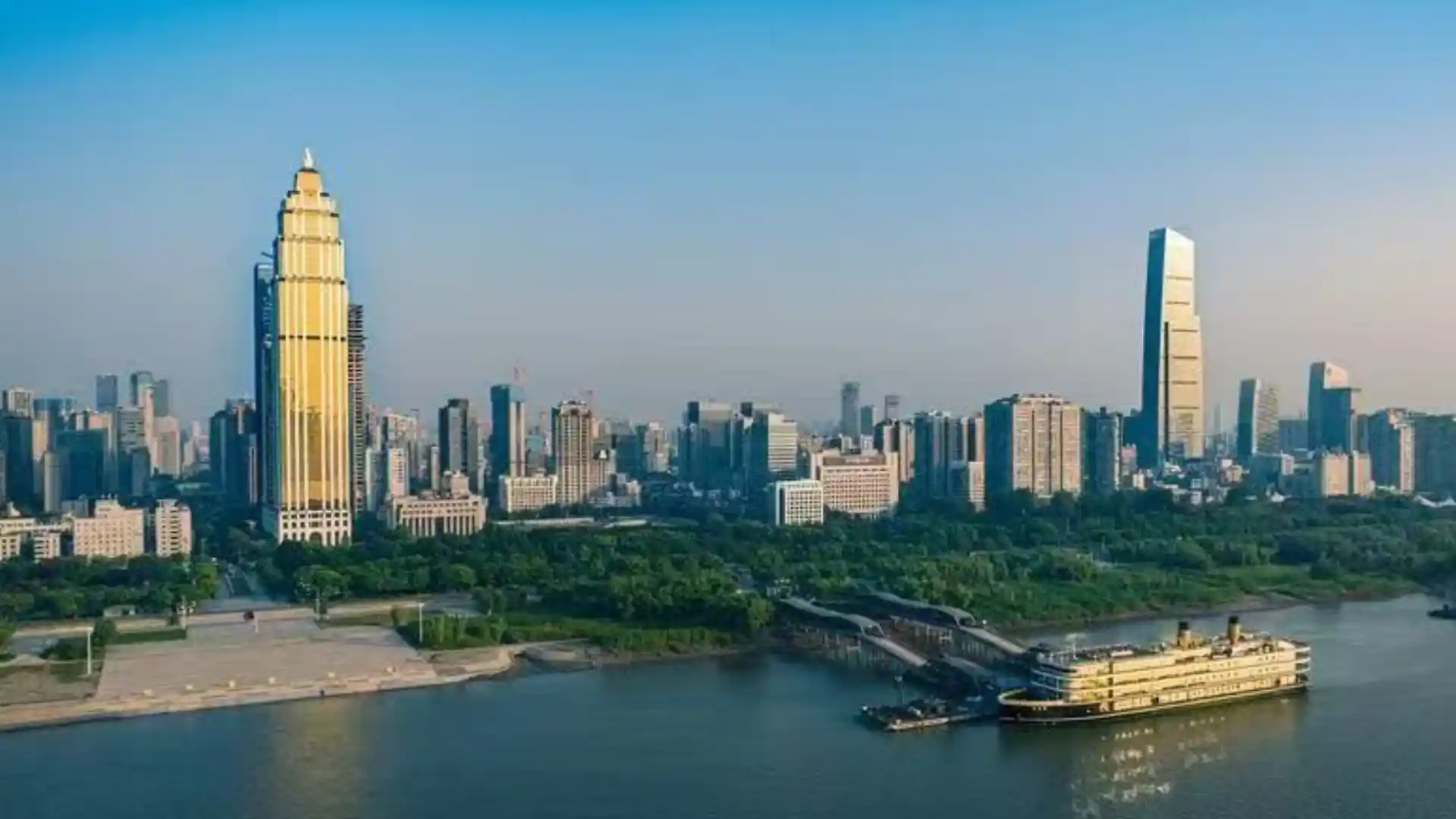
Jiang’an (Hankou Riverbank)
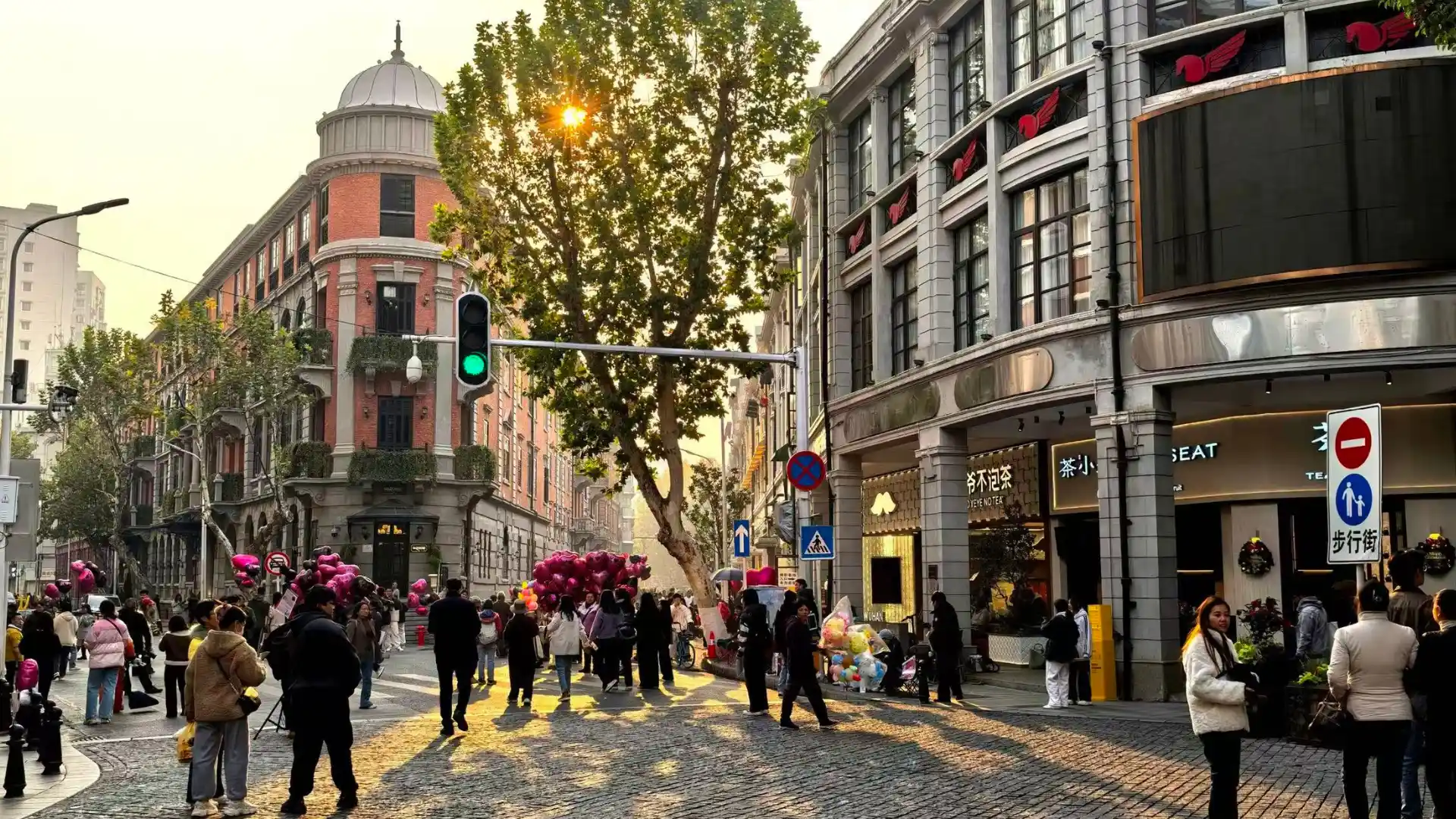
Jianghan (Shopping & Pedestrian St)
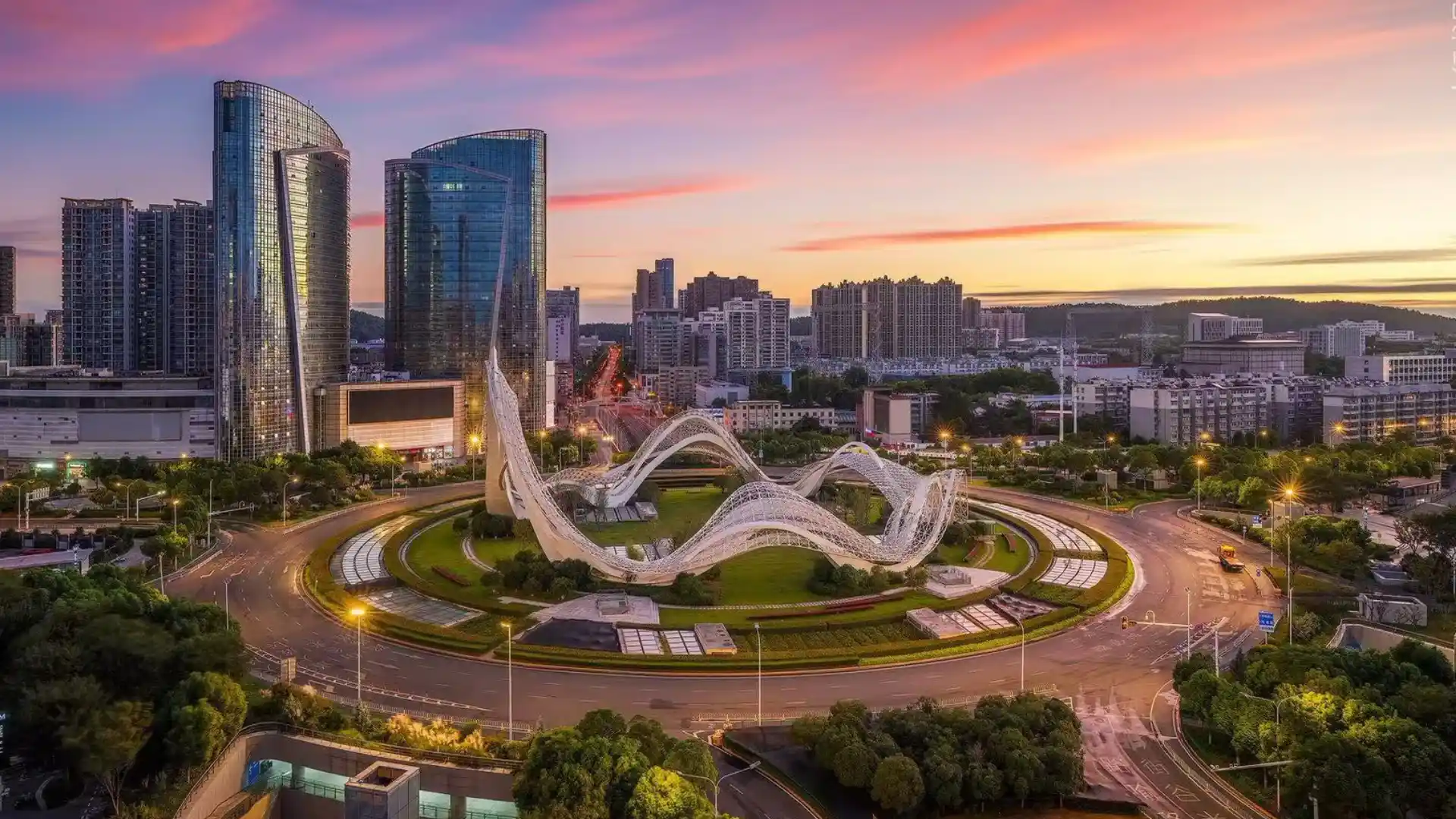
Hongshan (Optics Valley)
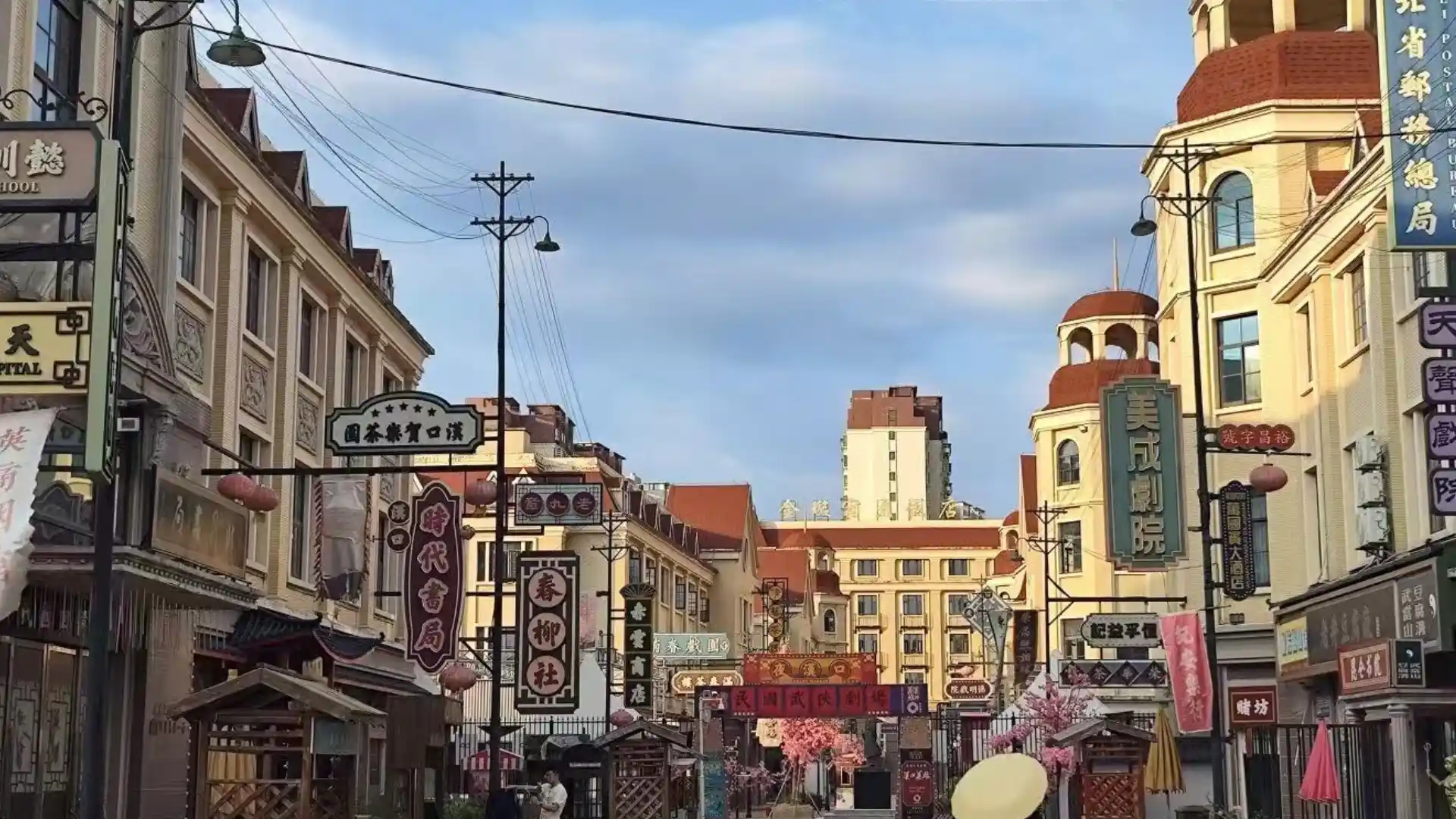
Qiaokou (Hankou Old Town)
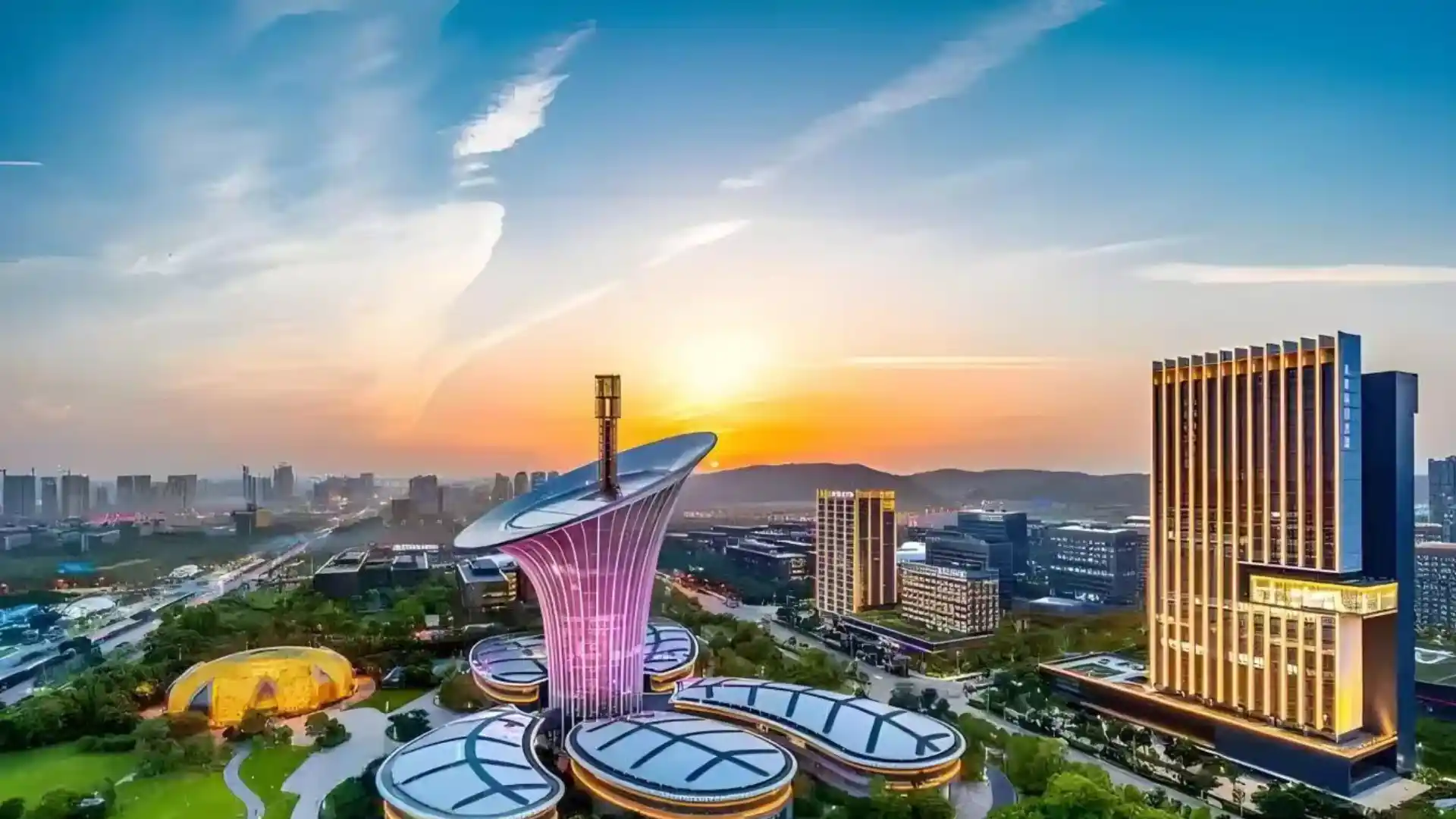
Donghu High-Tech Zone
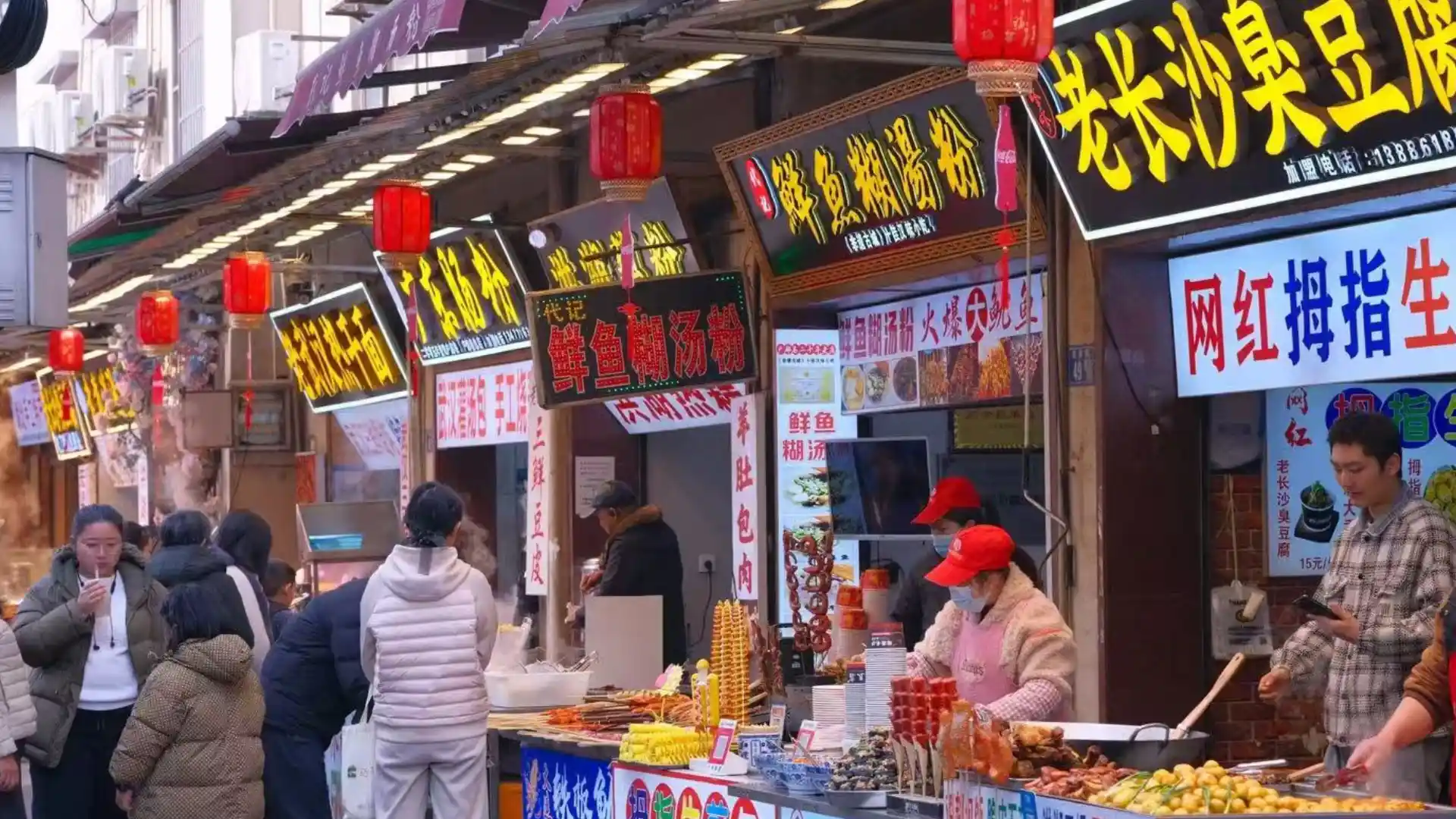
Hubu Alley Area
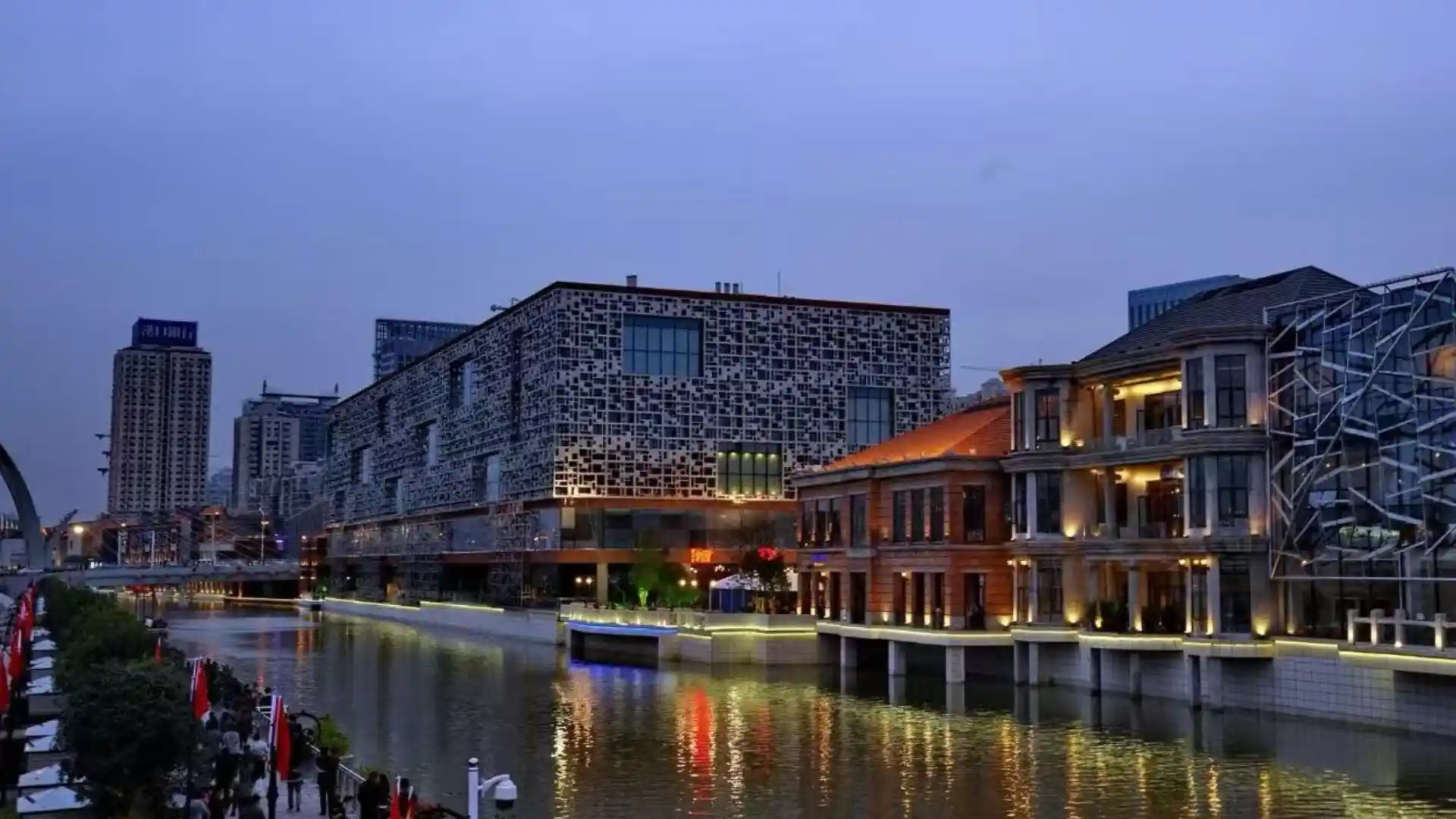
Chuhe Han Street

Wuhan University Area

Jiangxia District
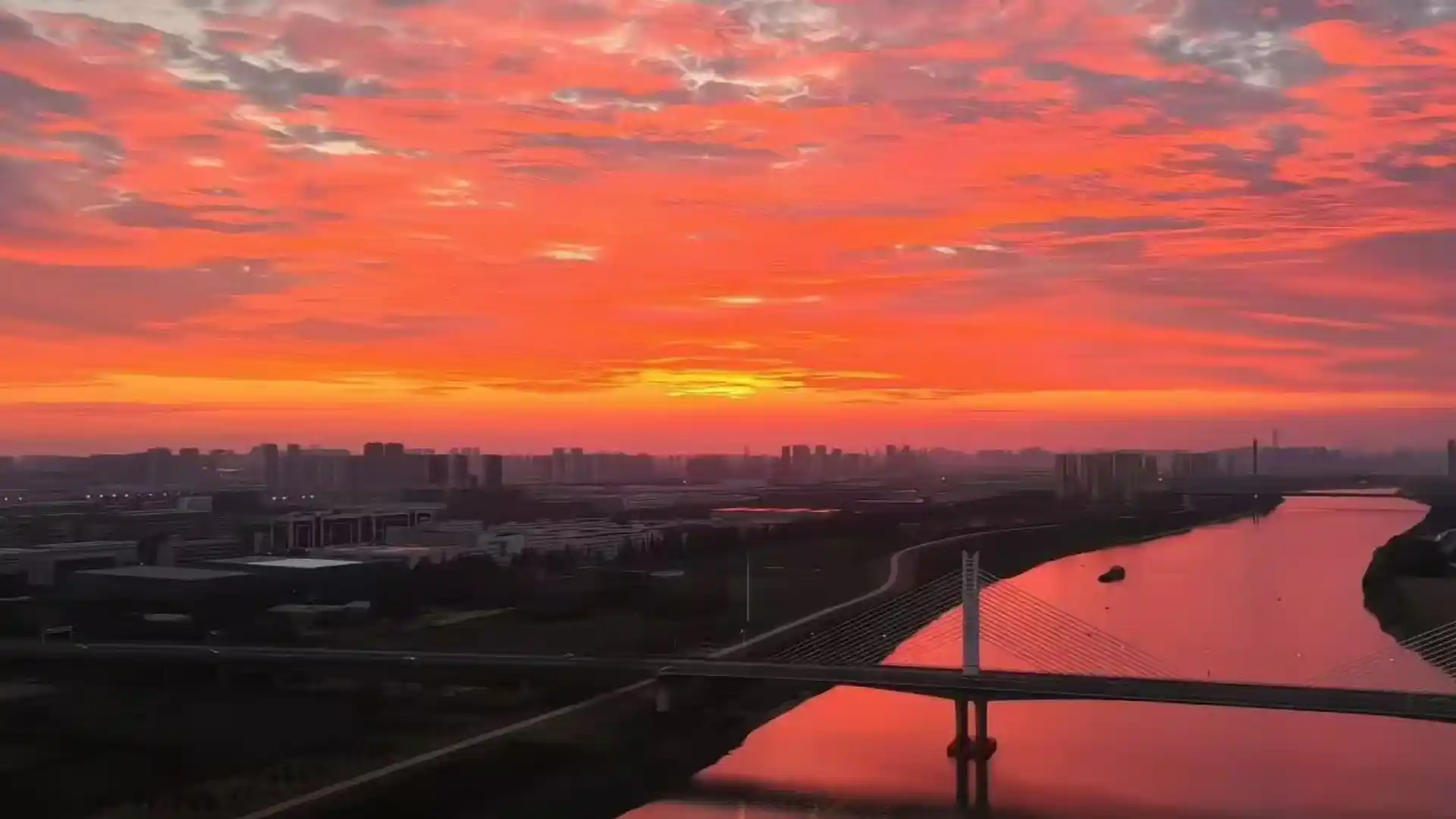
Caidian District
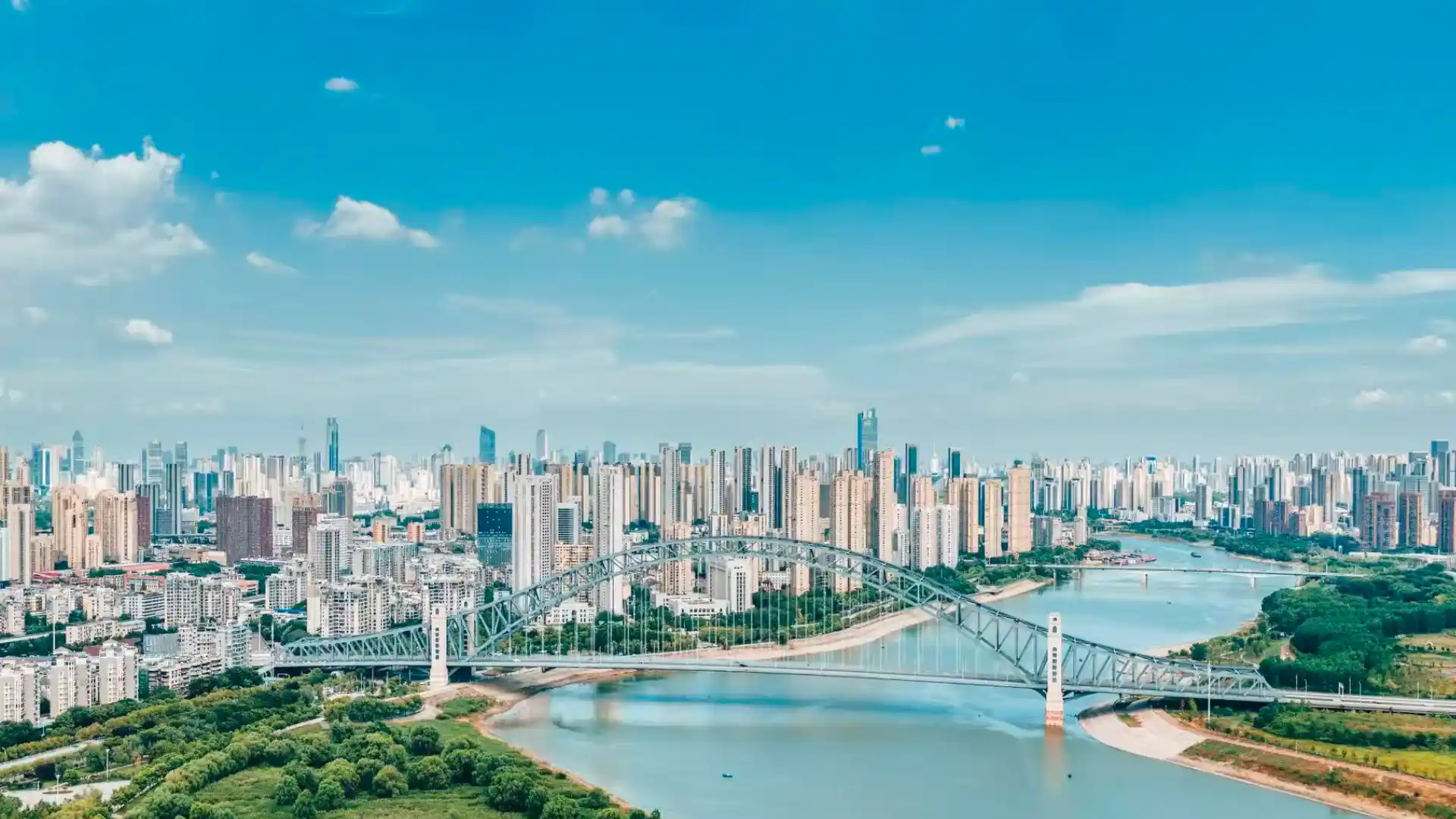
Dongxihu District

Qingshan District
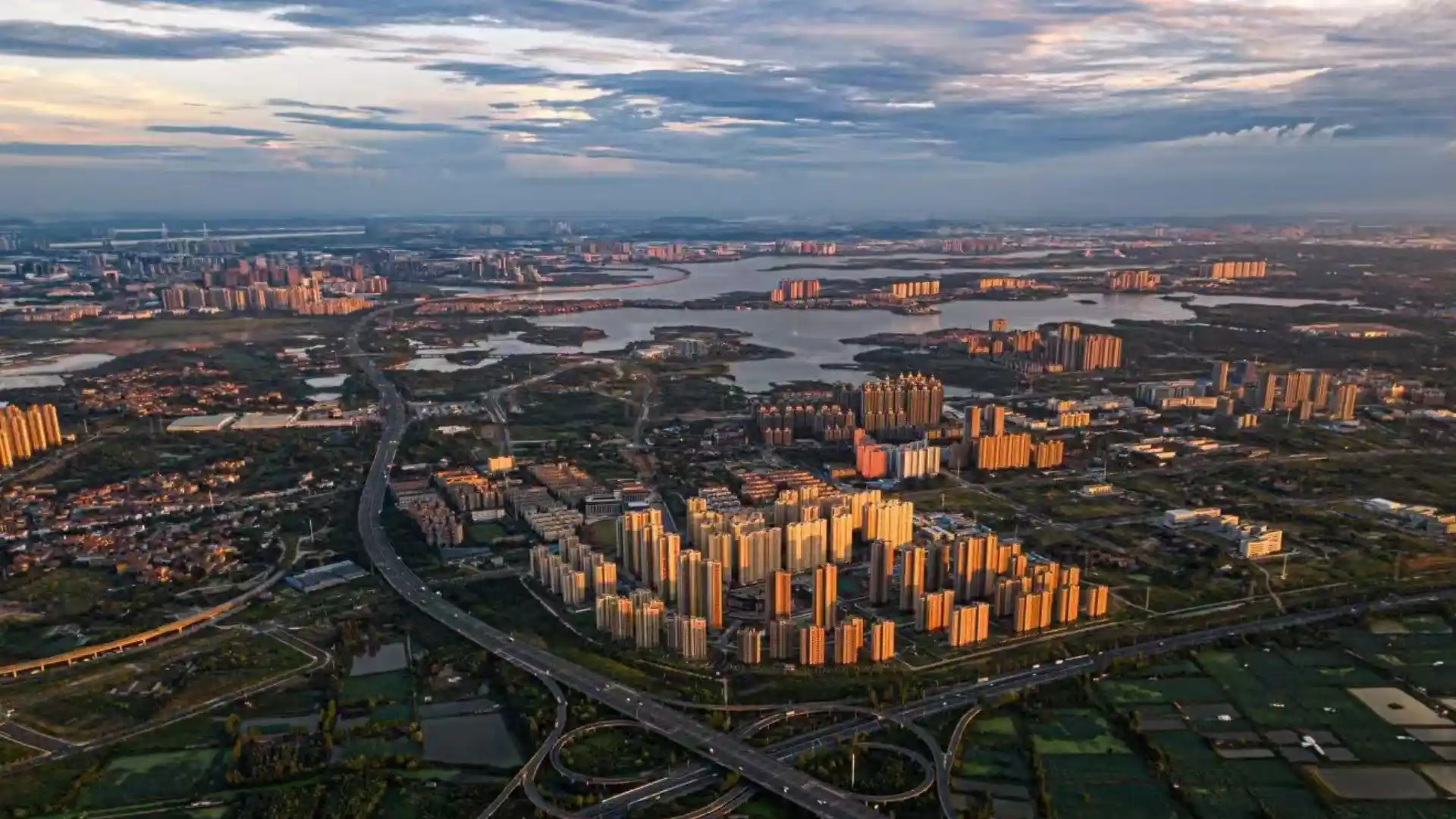
Greater Wuhan Area
Popular Attractions in Wuhan
Local Specialties
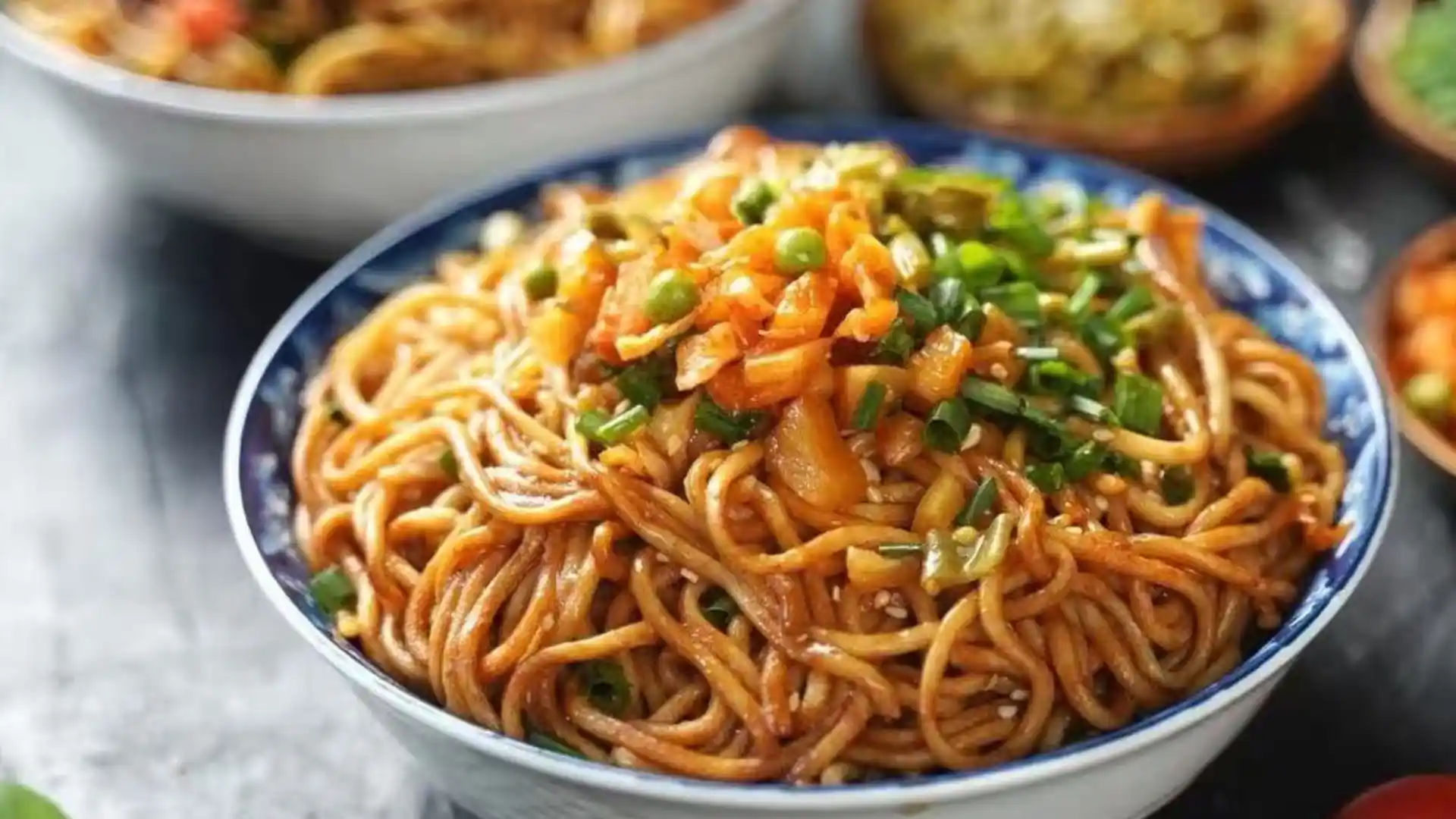
Hot Dry Noodles (Reganmian)
The undisputed soul of Wuhan’s breakfast culture. Chewy, alkaline noodles are boiled, quickly drained, and heavily coated in a rich, savory paste made from sesame paste, chili oil, soy sauce, and pickled radish.

Three-Delicacy Doupi (Sanxian Doupi)
A masterpiece of street food engineering. A massive, golden-brown crepe made from mung bean and egg batter is filled with sticky rice and a savory mixture of diced pork, mushrooms, and bamboo shoots, then cut into neat squares.
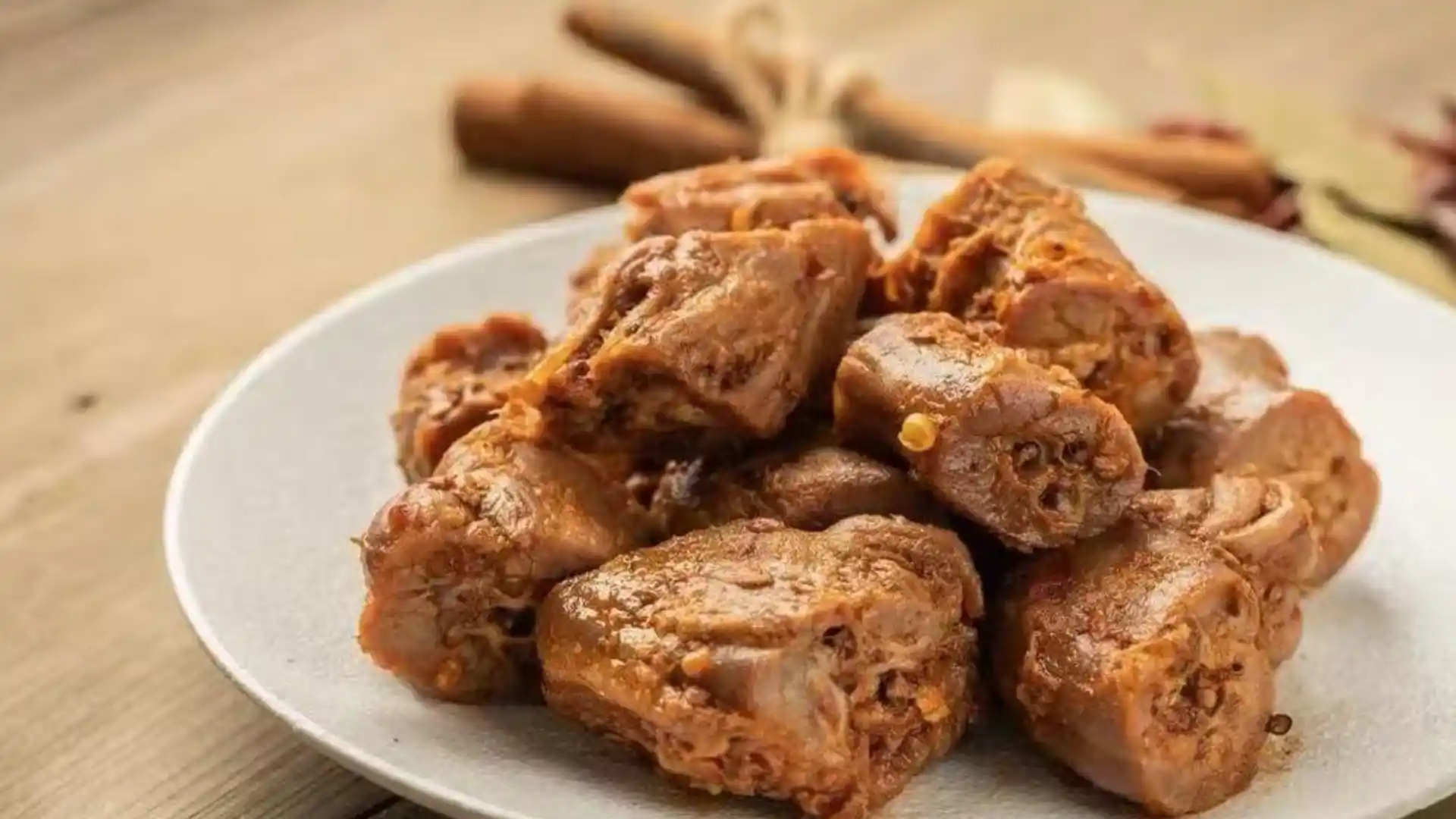
Spicy Duck Necks (Yabozi)
A wildly popular, fiery snack synonymous with the city. Duck necks are slow-braised in a complex, dark master stock loaded with chilies, Sichuan peppercorns, and aromatics, making them incredibly spicy, numbing, and addictive.
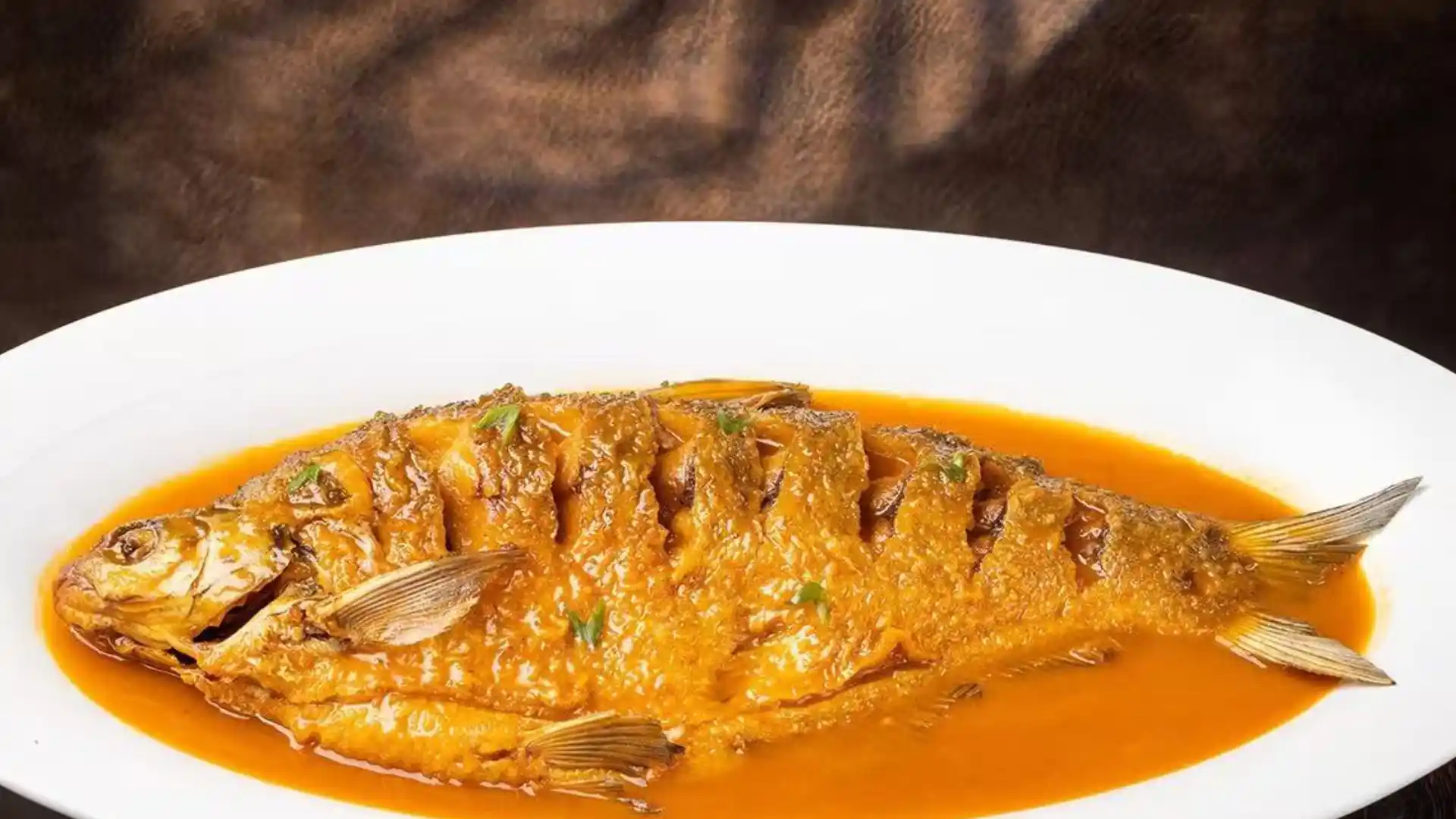
Steamed Wuchang Fish (Wuchang Yu)
A refined dish highlighting the region’s abundant freshwater resources. This specific type of bream is prized for its tender, sweet flesh. It is usually steamed whole with ginger, scallions, and a light soy sauce to preserve its delicate flavor.
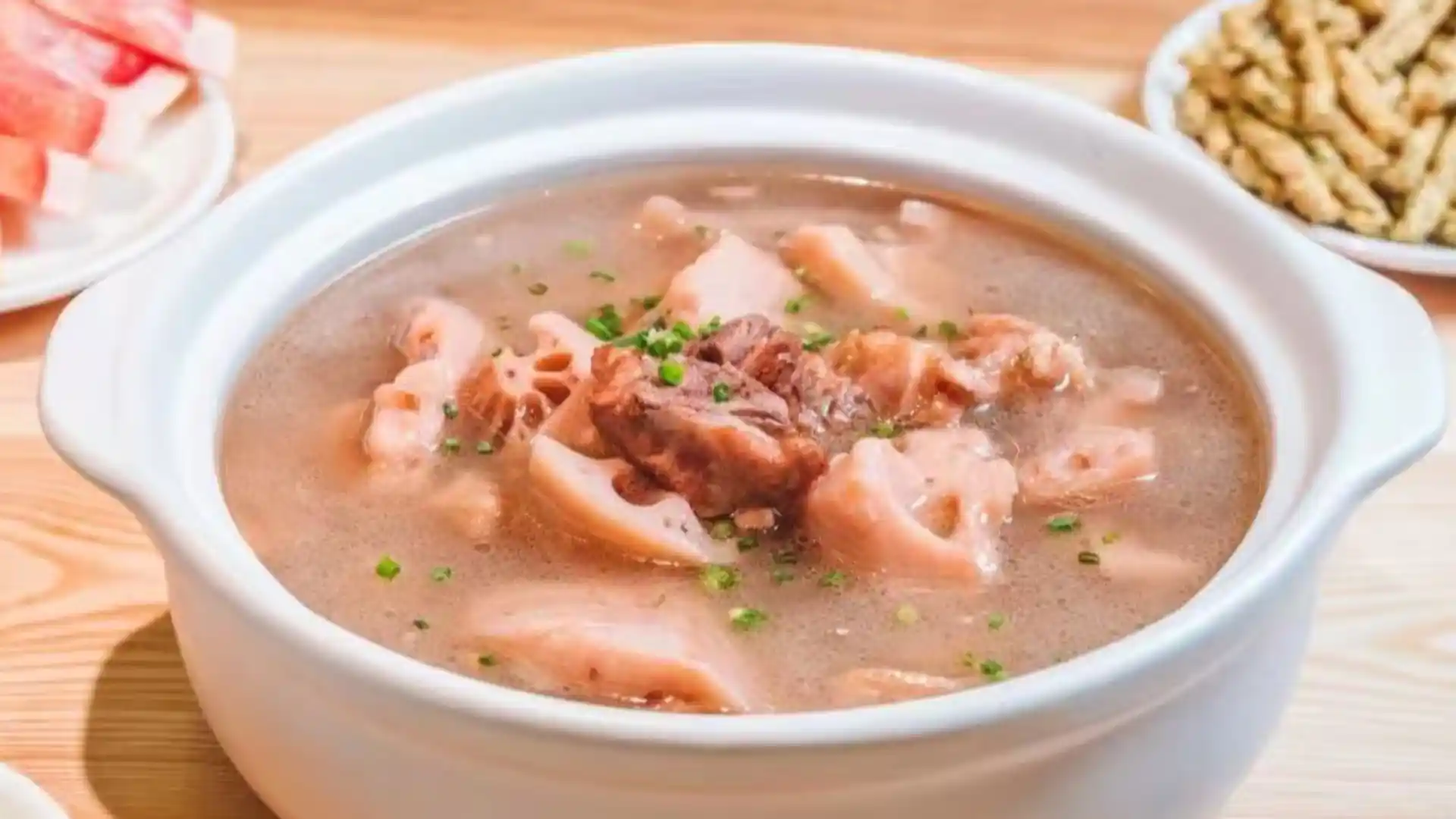
Pork Ribs and Lotus Root Soup
A deeply comforting staple in every Hubei household. The region produces exceptional lotus root, which is slow-simmered with pork ribs until the broth becomes rich and milky, and the lotus root turns incredibly soft and sweet.
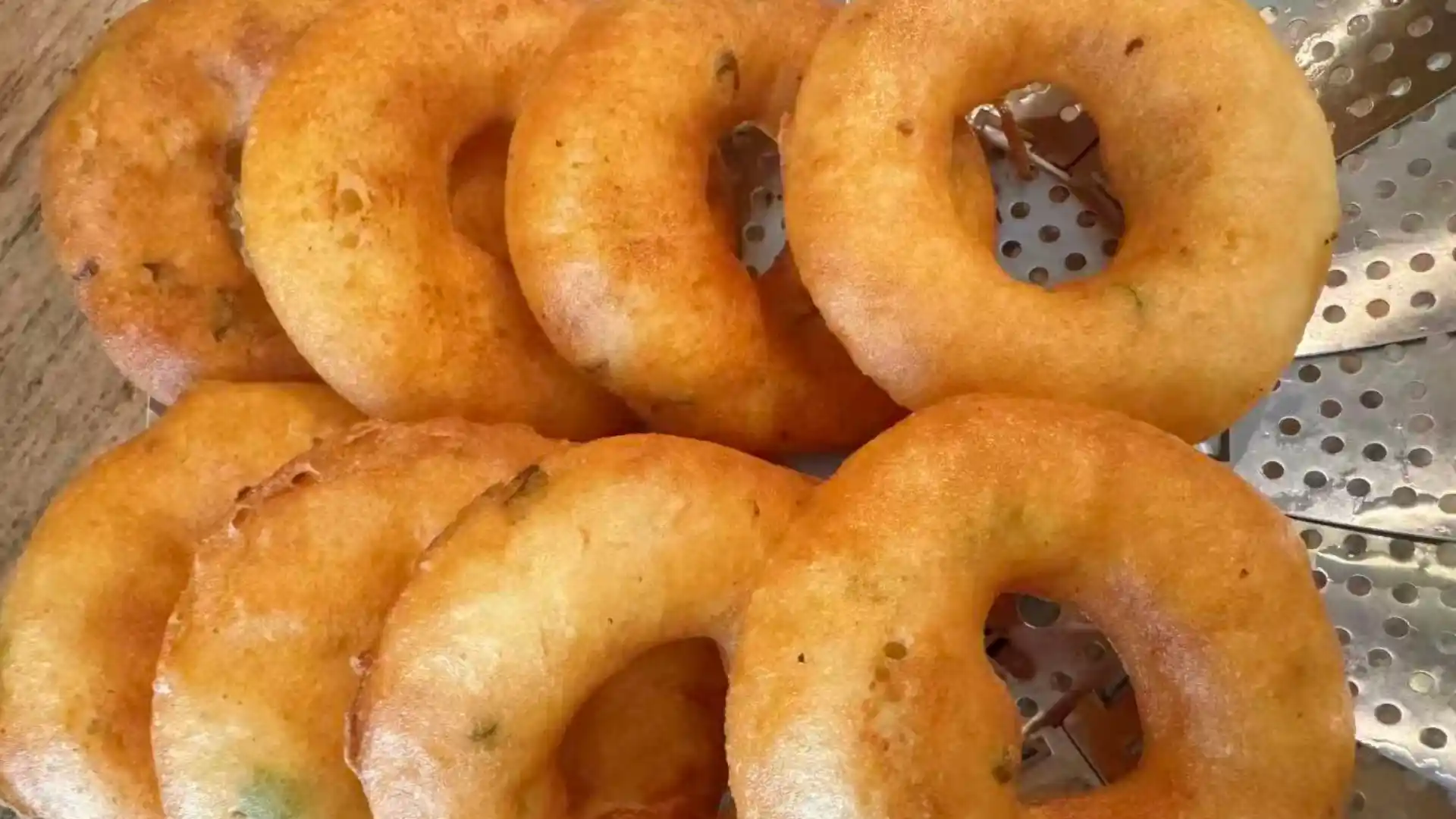
Mianwo (Savory Doughnuts)
A classic street-side breakfast item. Made from a batter of rice and soybean milk, these ring-shaped savory “doughnuts” are deep-fried until the edges are thick and crunchy, while the center remains thin and crispy. Often eaten alongside Reganmian.
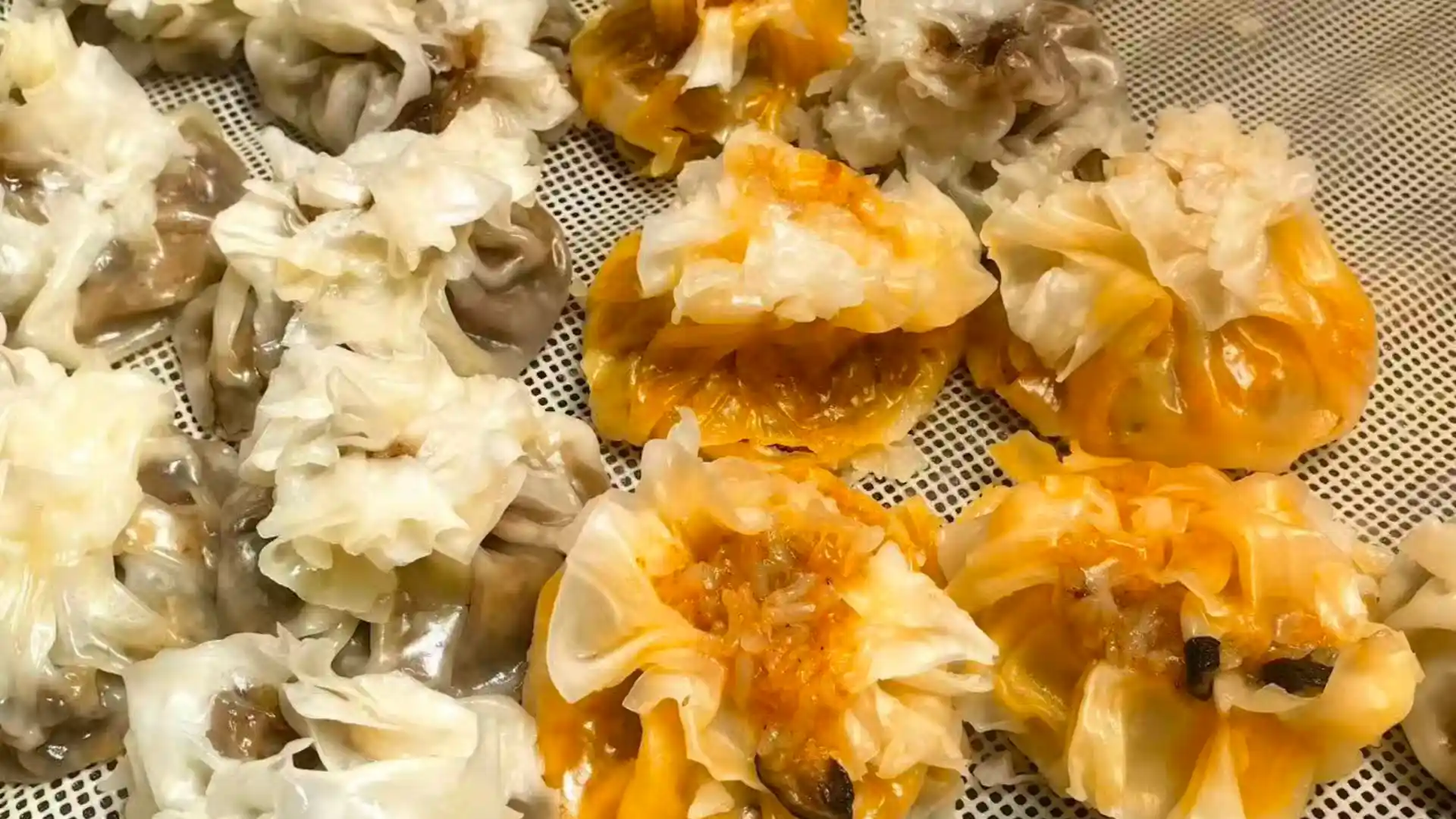
Heavy-Oil Shaomai (Zhongyou Shaomai)
Wuhan’s hefty version of the classic dumpling. The filling consists of sticky rice mixed with intensely savory, fatty pork, lots of black pepper, and shiitake mushrooms, offering a dense and incredibly satisfying bite.
Seasonal Highlights
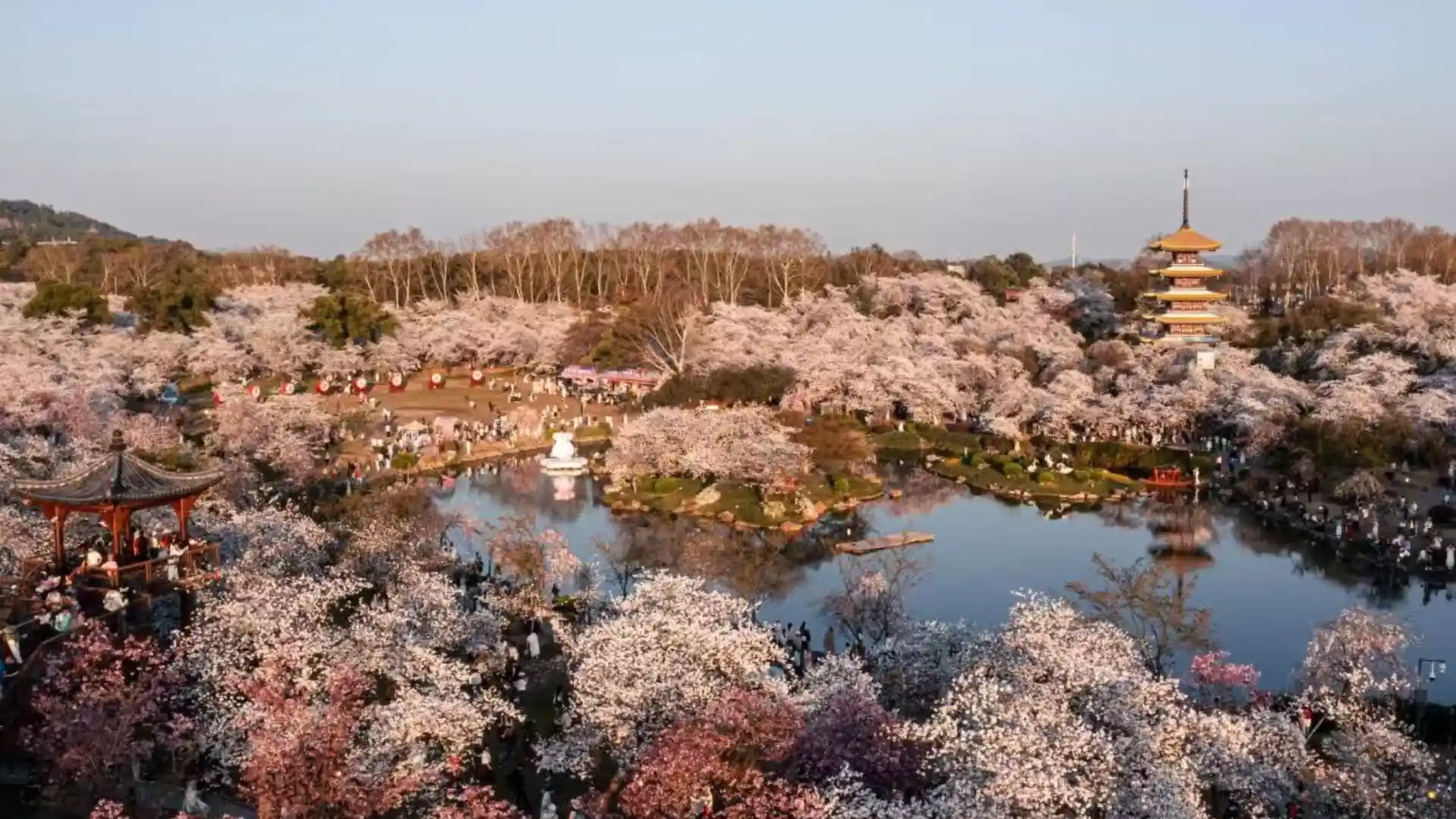
Spring
Spring in Wuhan (March to May) is arguably the best time to visit, characterized by rapidly warming temperatures and an explosion of color. The city is famous nationwide for its spectacular cherry blossoms, particularly the stunning displays found at Wuhan University and the East Lake Cherry Blossom Park.

Summer
Wuhan is historically known as one of China’s “Three Furnaces.” Summer (June to August) is extremely long, oppressively hot, and heavily humid. If visiting during this time, seek air conditioning during the day and wait for the evening to explore the bustling, energetic night markets and food streets.
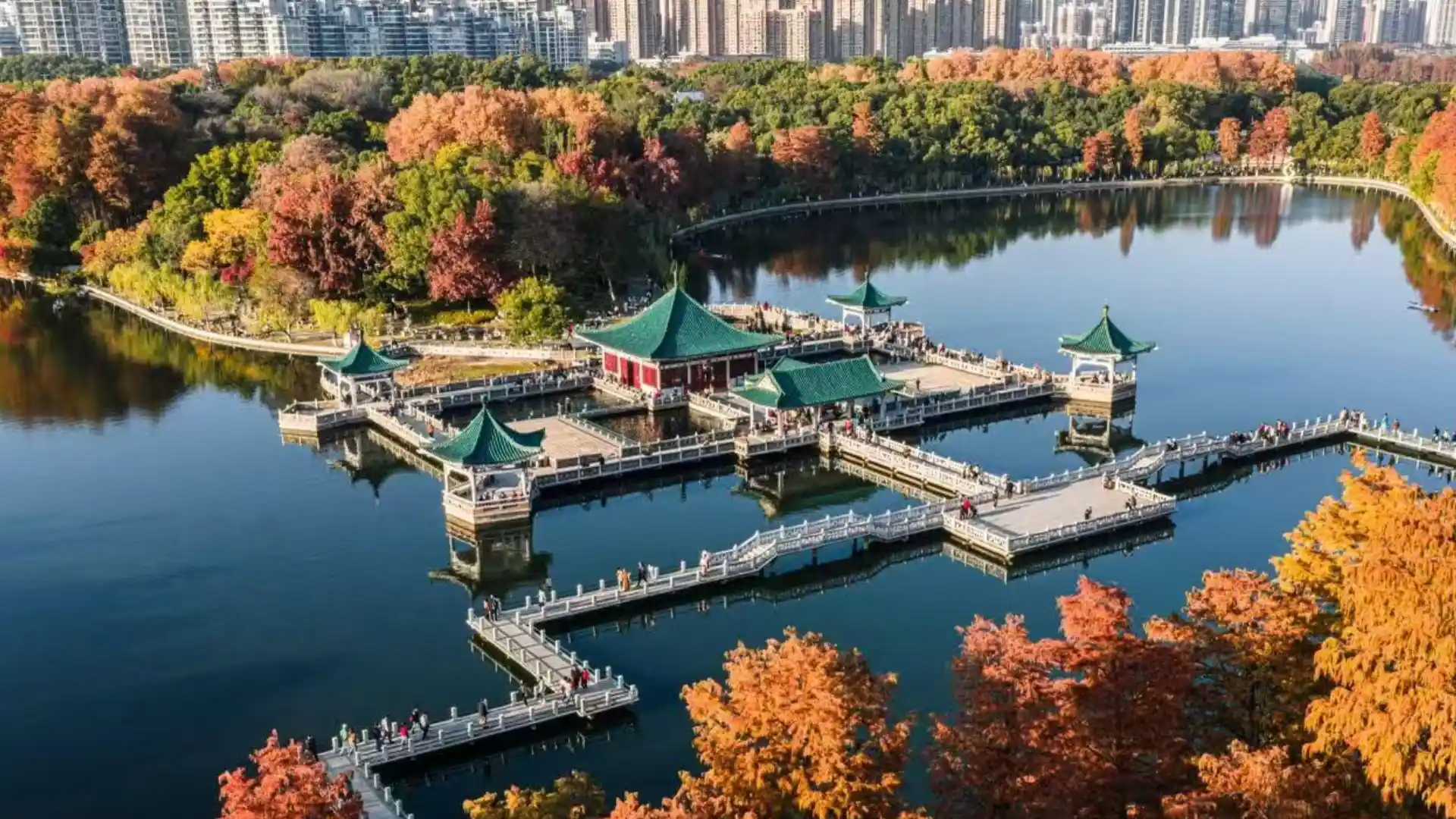
Autumn
Autumn (September to November) is a brief but glorious respite from the heat. The skies clear, the humidity drops, and the weather becomes crisp and comfortable. It is the perfect season for walking the vast greenways around East Lake or taking a scenic ferry ride across the Yangtze River.
Winter
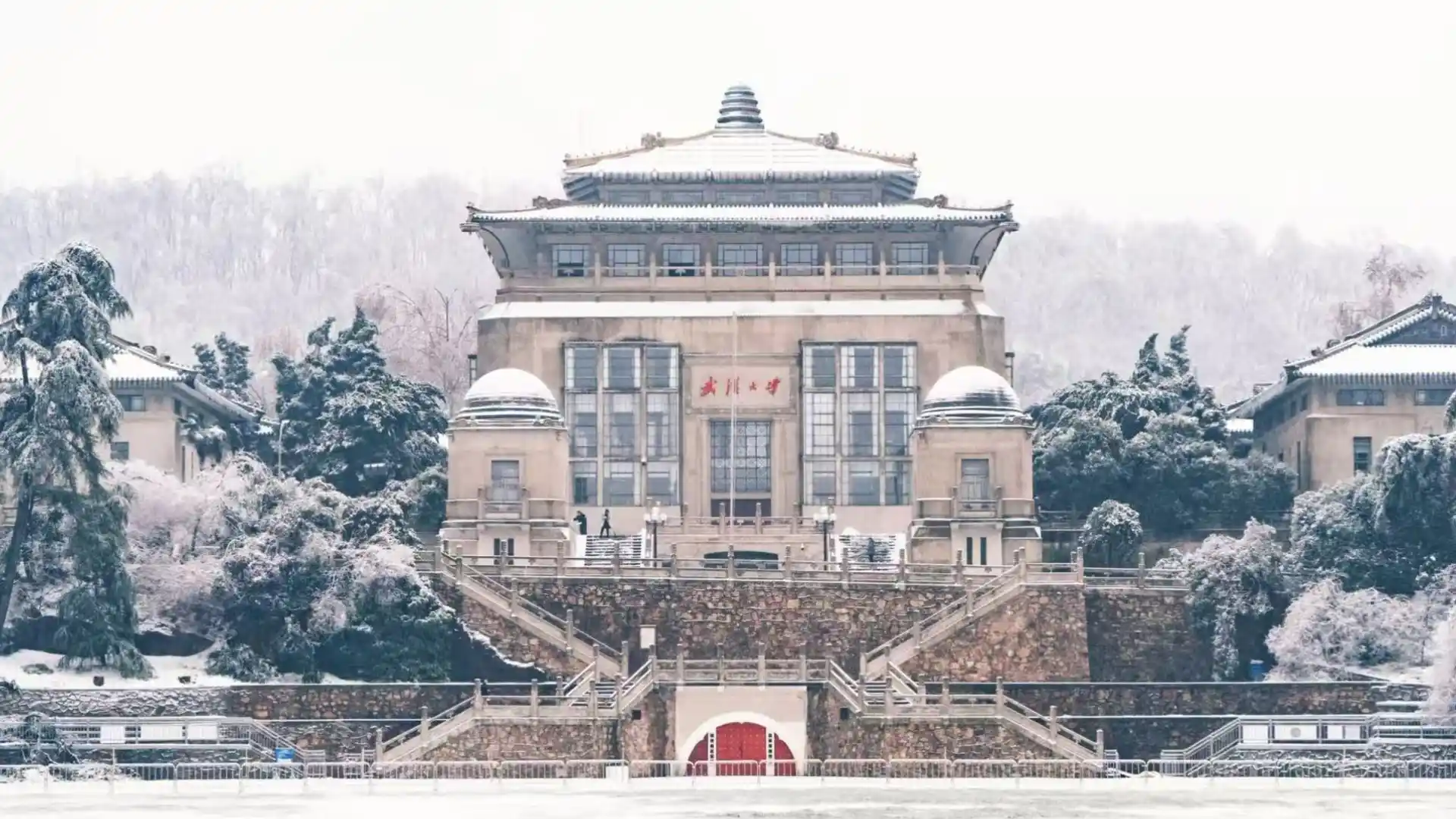
Winter (December to February) in Wuhan is deeply damp and cold. The moisture from the rivers and lakes makes the chill feel bone-piercing, despite temperatures rarely dropping far below freezing. It’s the ideal time to warm up indoors with incredibly spicy duck necks or a steaming bowl of pork rib and lotus root soup.