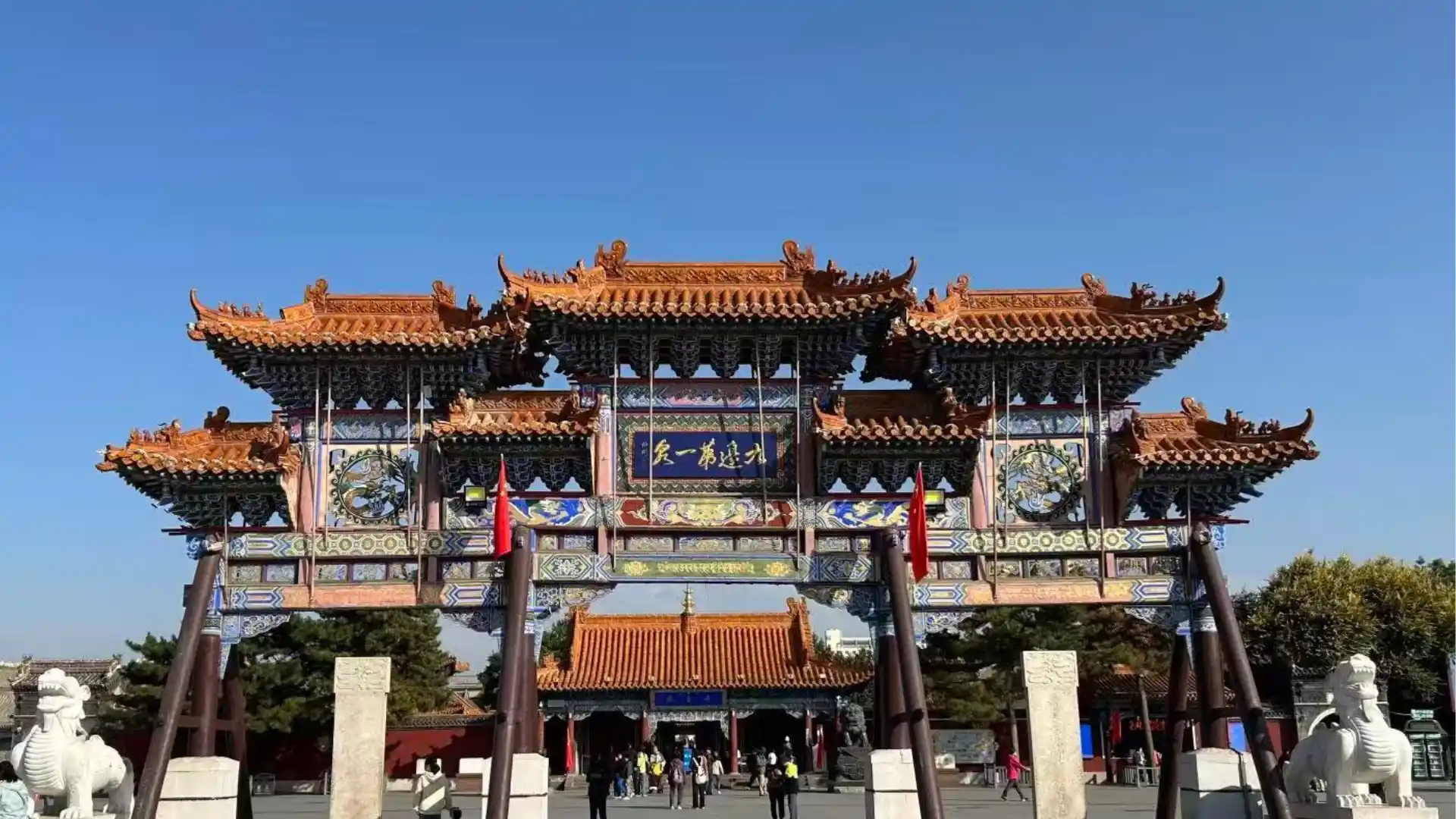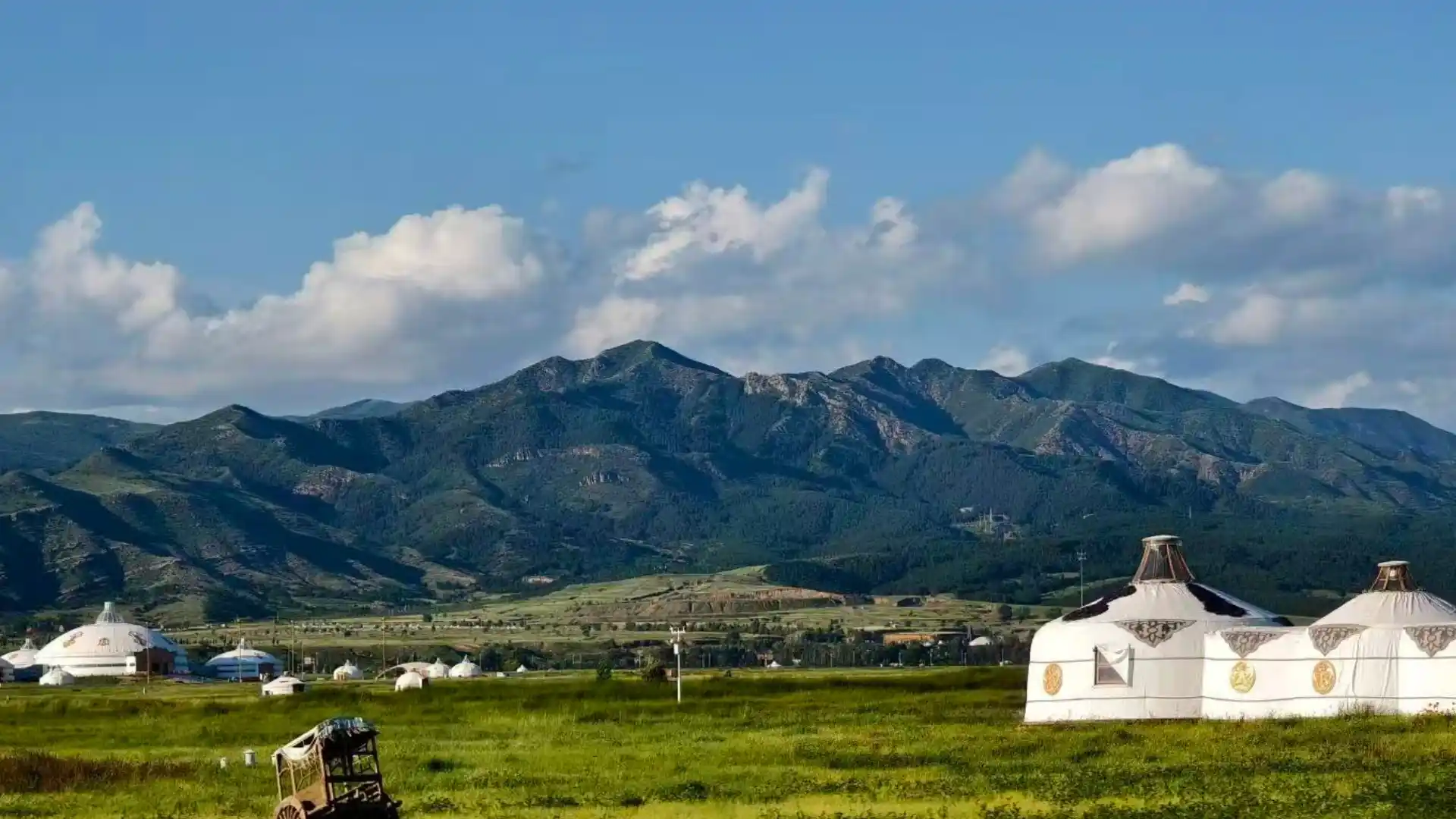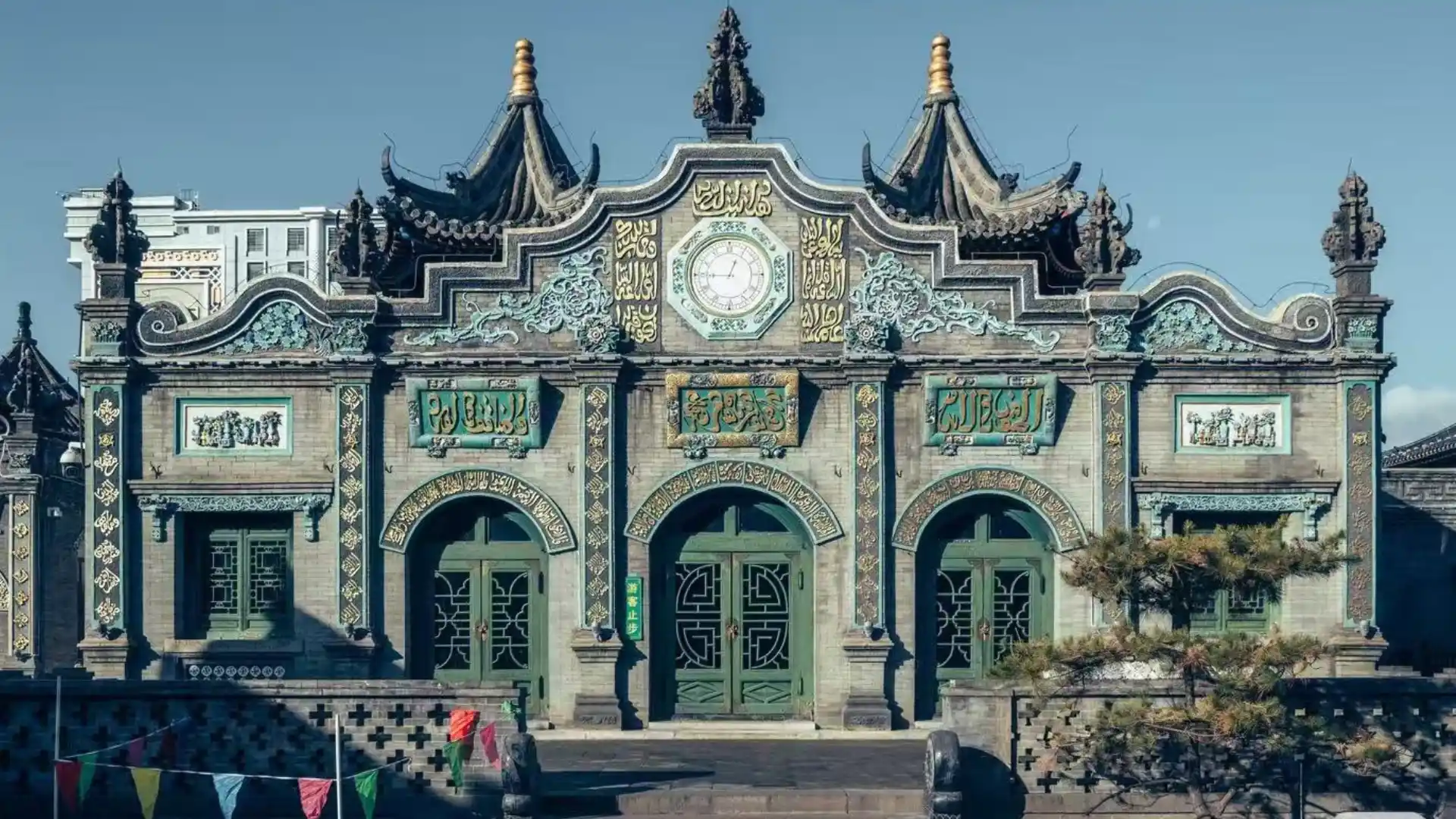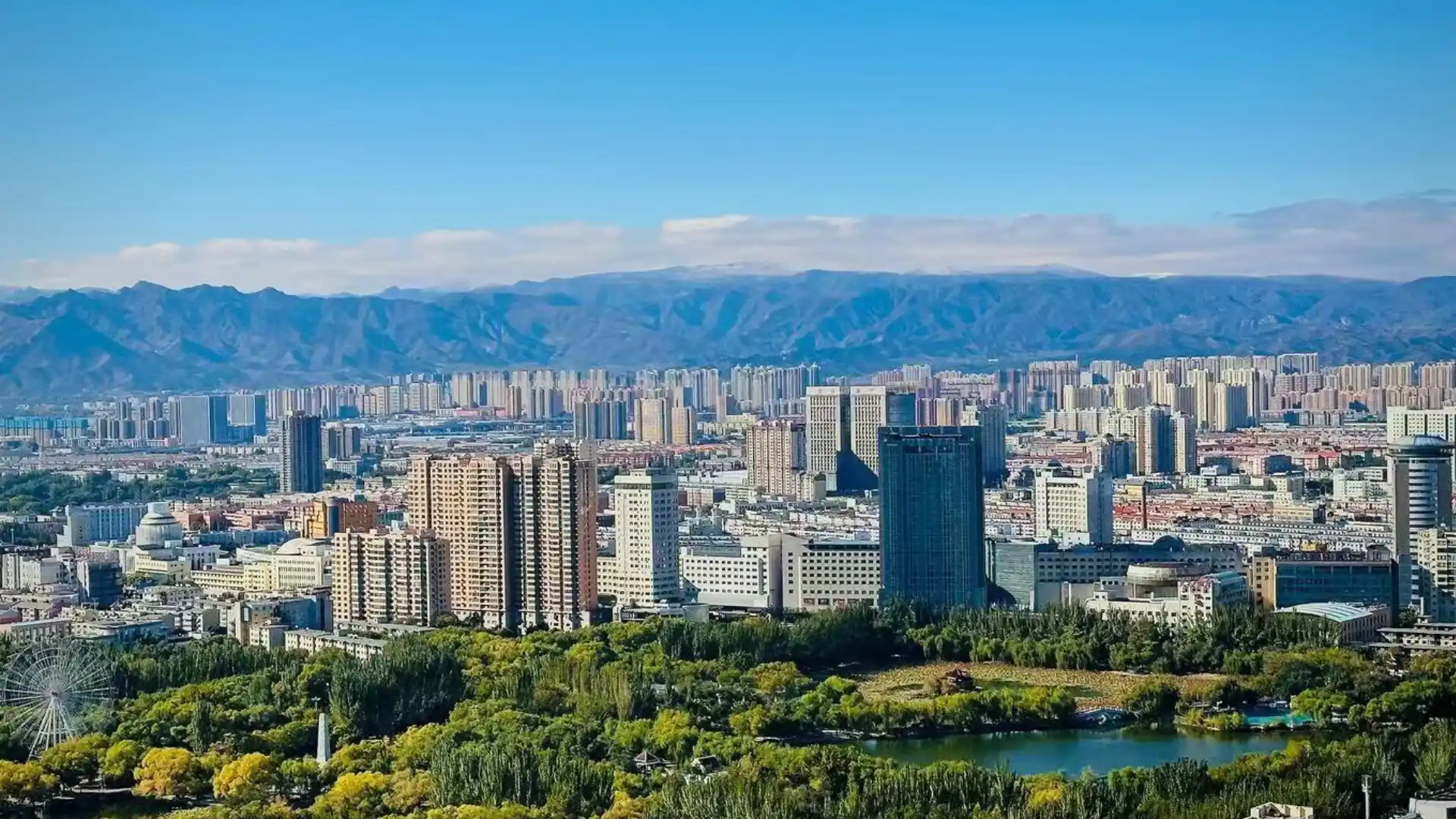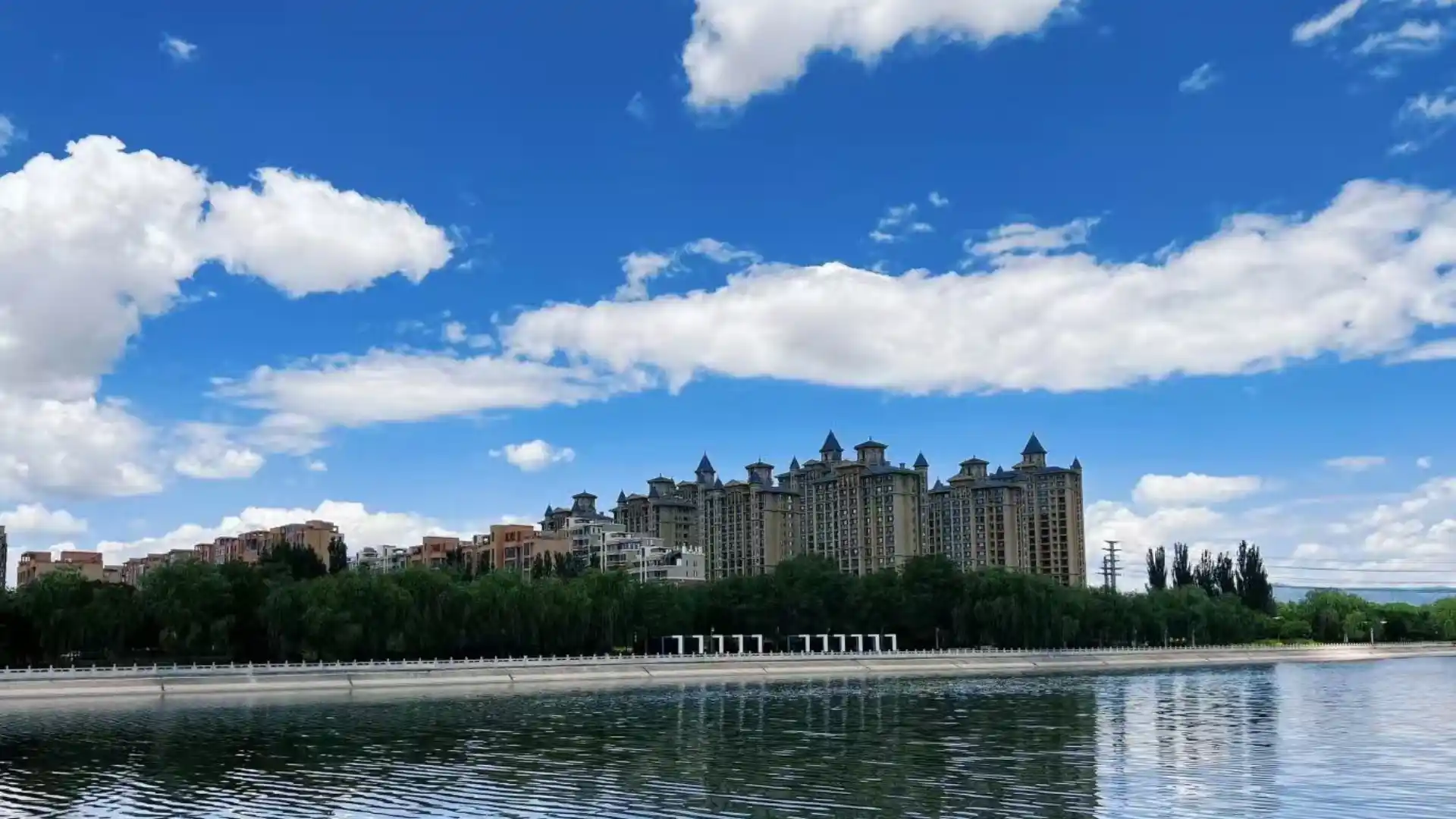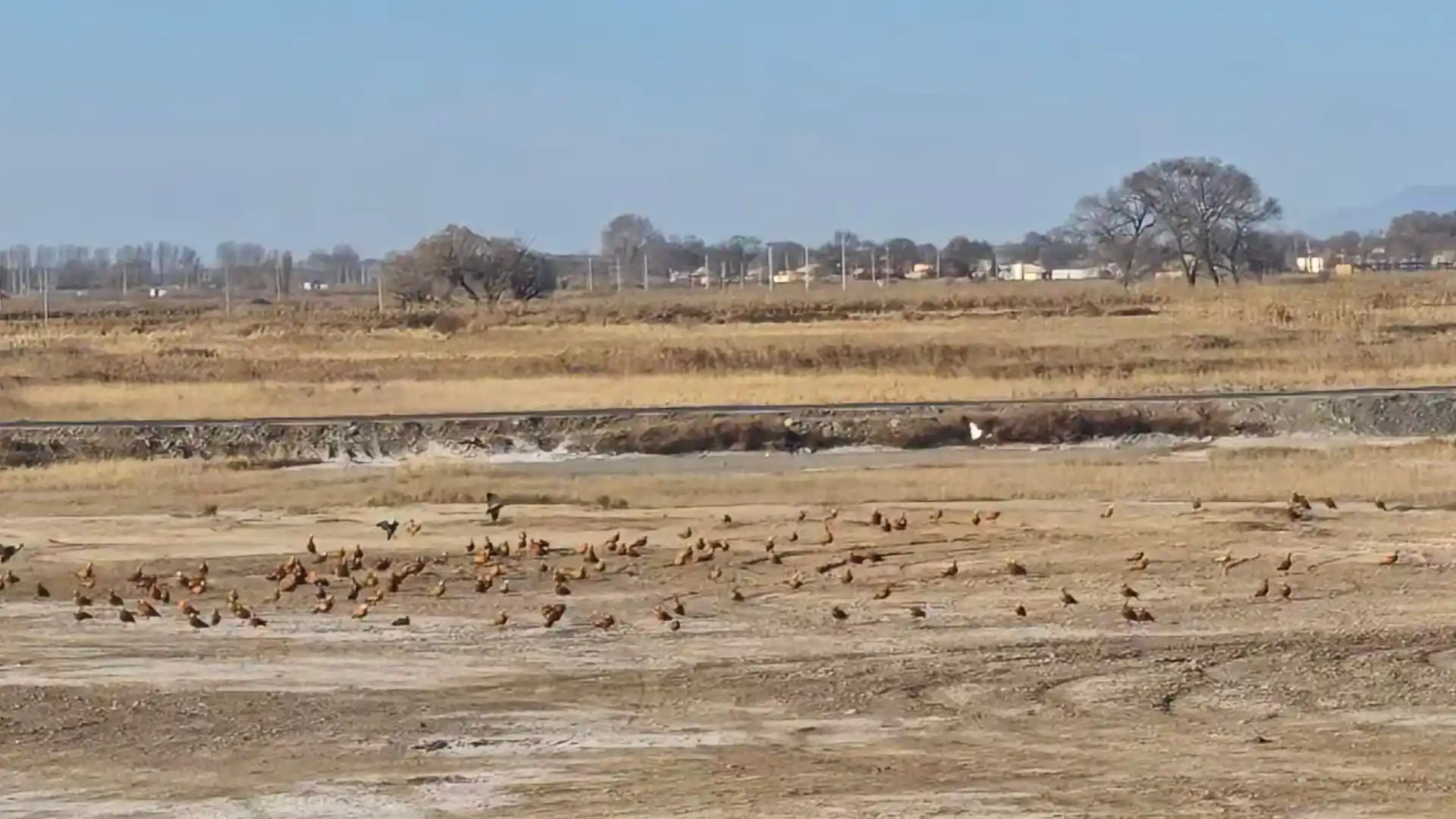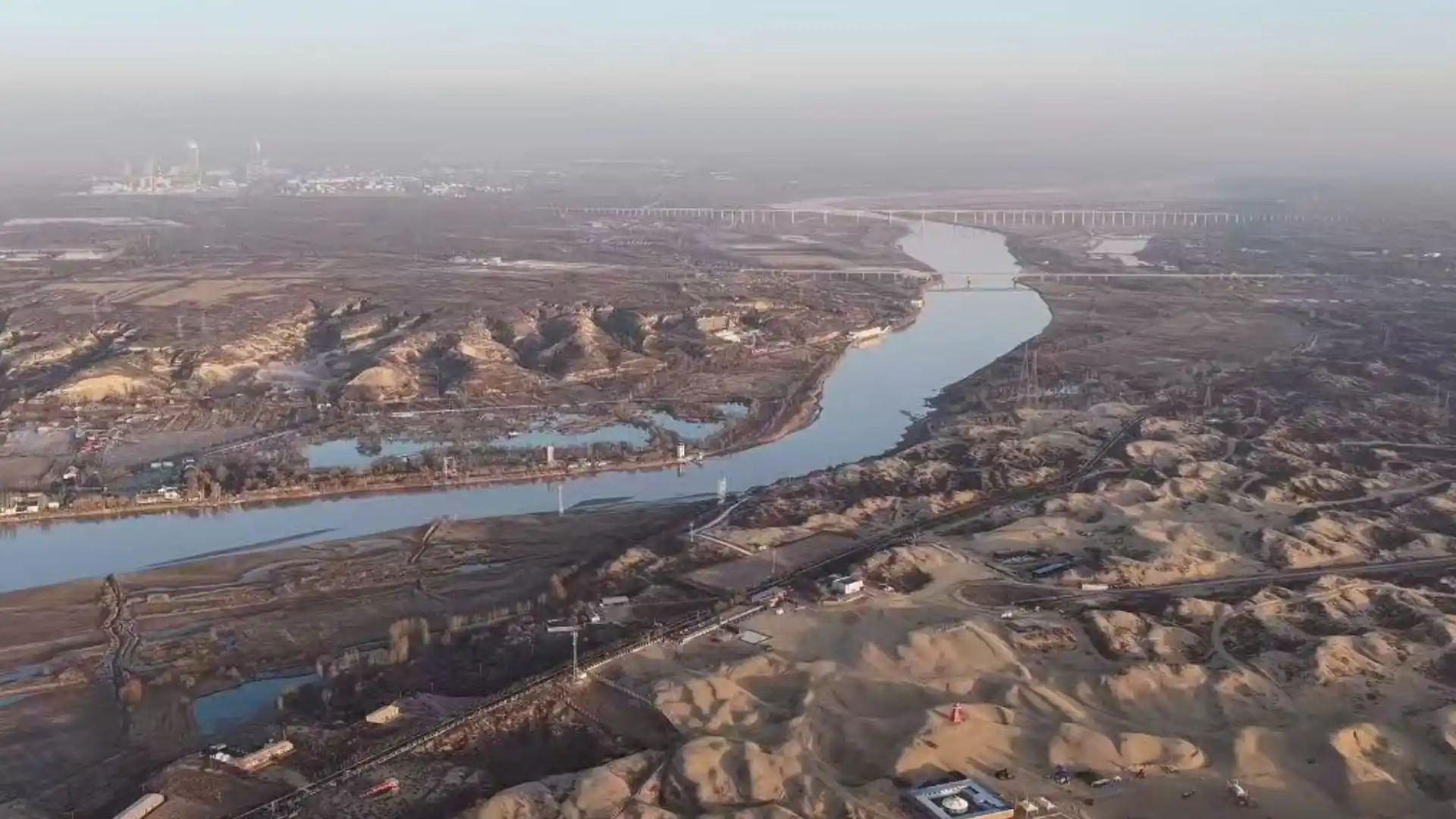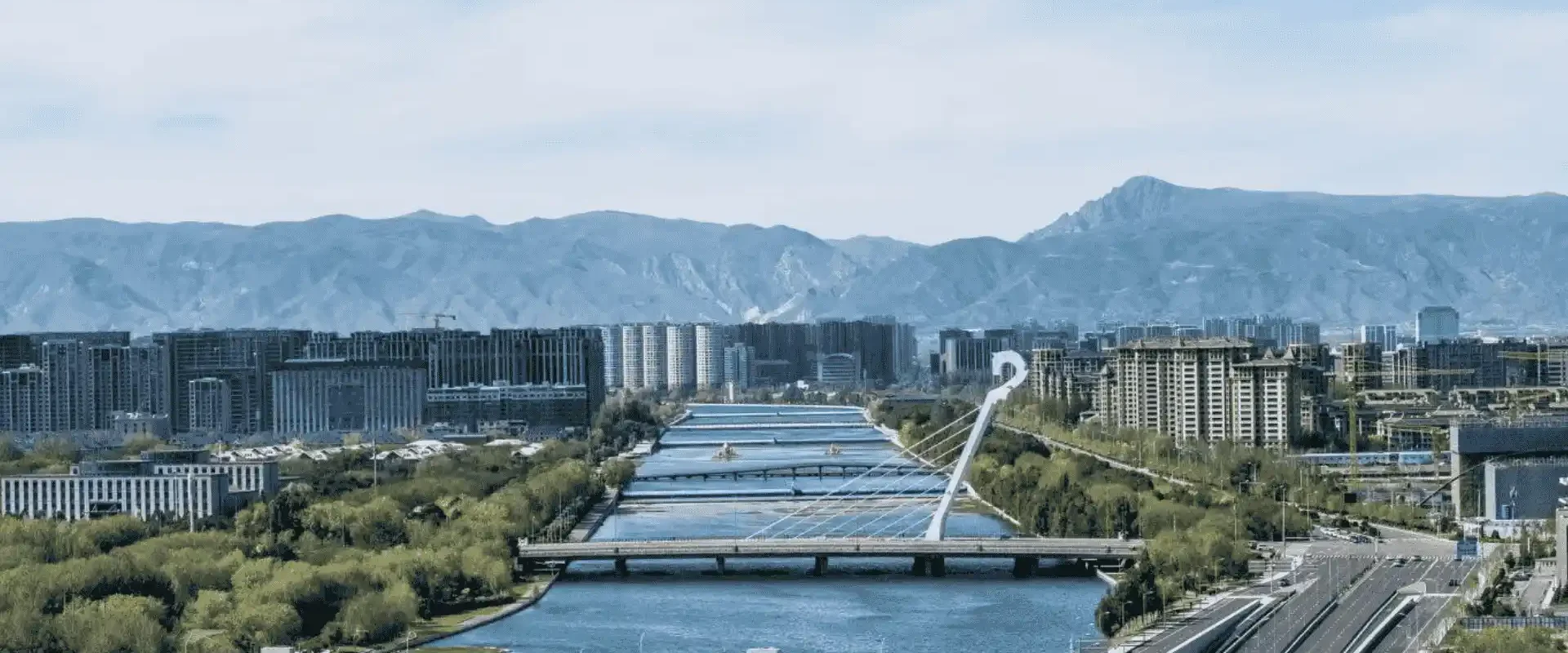
Hohhot, the “Blue City,” is a vibrant frontier capital where the endless horizons of the Mongolian steppe meet deep-rooted Tibetan Buddhist traditions and modern dairy empires.
As the capital of the Inner Mongolia Autonomous Region, Hohhot is the primary gateway to China’s vast northern grasslands. The city is served by Hohhot Baita International Airport (HET) and is increasingly connected by high-speed rail, making the journey from Beijing a comfortable ride of under three hours. Hohhot is a fascinating cultural crossroads, acting as a historical trading hub where Han Chinese, Mongolian, Hui, and Tibetan cultures have long intertwined.
The city’s urban core is an intriguing mix. You’ll find bustling, modern commercial districts alongside the quiet, incense-filled courtyards of major Tibetan Buddhist monasteries like Da Zhao and Xilitu Zhao. The city is also famously known as the “Dairy Capital of China,” home to massive dairy corporations like Yili and Mengniu. The local cuisine reflects its diverse heritage and harsh climate, featuring hearty, lamb-heavy Mongolian dishes, rich milk teas, and flavorful Hui Muslim specialties. Beyond the city limits, the Xilamuren and Gegentala grasslands offer an accessible taste of traditional nomadic life.
Weather in Hohhot
Hohhot experiences a semi-arid, continental monsoon climate. The defining characteristic of its weather is the extreme temperature variation between seasons and even between day and night. The best time to visit is summer (June to August), when the surrounding grasslands are lush and green, and the city enjoys warm days and cool, comfortable nights. Winters (November to March) are exceptionally long, dry, and brutally cold, heavily influenced by Siberian winds. Spring and autumn are brief, windy, and often prone to sandstorms.
Transportation
Hohhot’s transportation infrastructure is modernizing rapidly. The high-speed rail network has transformed its accessibility, primarily via Hohhot East Railway Station. Within the city, a clean and expanding metro system makes navigating between major historical sites and newer districts simple. However, the true allure of Hohhot lies outside the city. To properly experience the grasslands or the Gobi Desert, hiring a private driver or joining a structured tour is highly recommended, as public transport to remote scenic areas is limited.
Don’t Miss
- Da Zhao Temple: Visit this magnificent, vibrant 16th-century Tibetan Buddhist monastery, the oldest in the city, renowned for its impressive 2.5-meter silver Buddha statue.
- Inner Mongolia Museum: Spend hours exploring one of China’s best regional museums, featuring incredible dinosaur fossils unearthed in the Gobi Desert and extensive exhibits on nomadic history.
- Zhaojun Tomb: Pay respects at the legendary burial site of Wang Zhaojun, one of ancient China’s “Four Beauties,” who was sent to marry a Xiongnu leader to ensure peace on the frontier.
- The Grasslands (Xilamuren or Gegentala): Take a day trip to experience the vast steppe, ride horses, and perhaps stay overnight in a traditional (though modernized) Mongolian yurt.